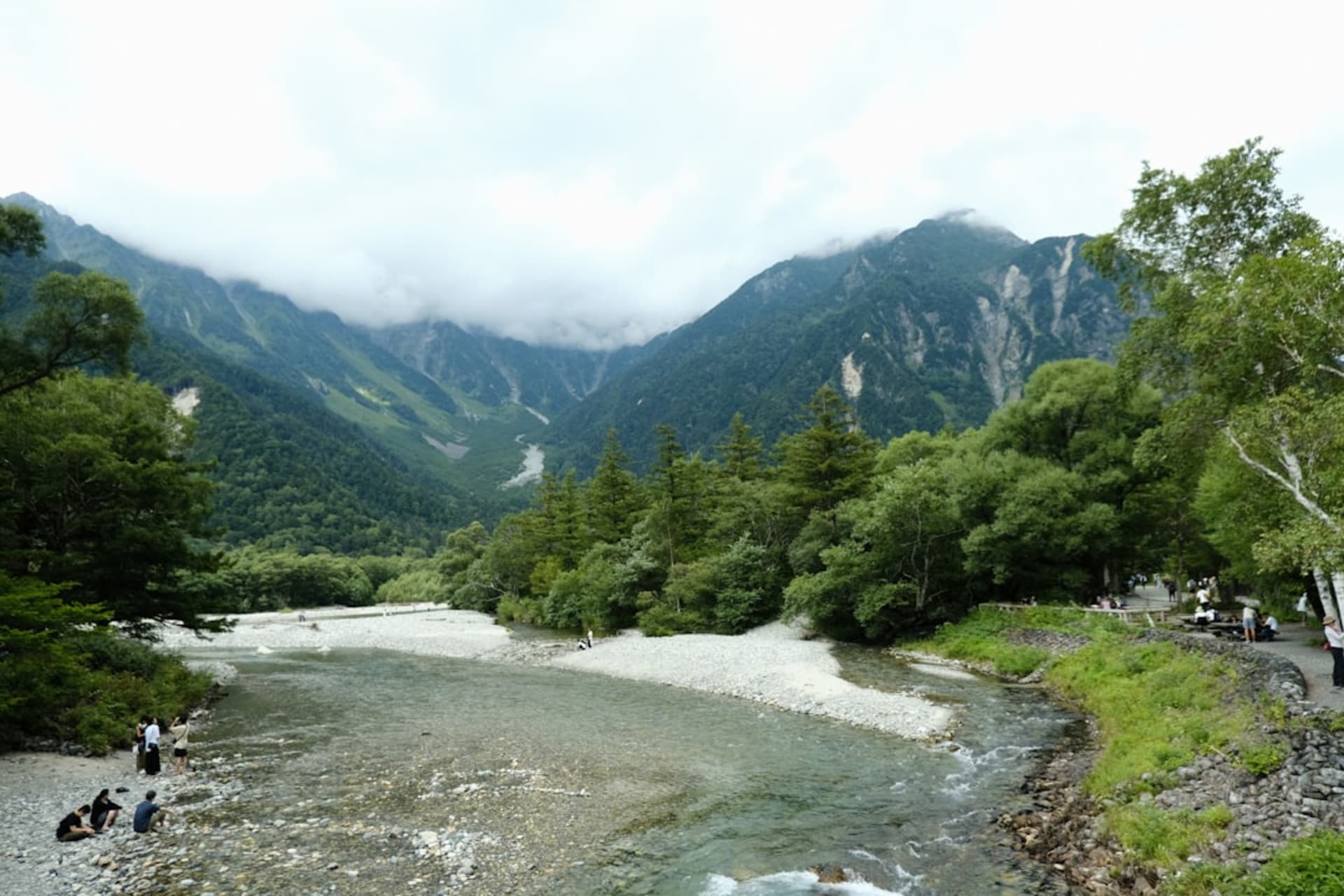
Sarobetsu Wetland
"Rishiri just sat there on the horizon the whole walk, Lia said, like it was following us."
One of Japan's great wetlands, spreading across thousands of hectares between Toyotomi and Horonobe, crossed by boardwalks thick with cotton grass and Ezo day lilies in summer, gold in autumn, with Mount Rishiri floating on the horizon.

By the time we reached Sarobetsu we’d already spent days working our way along Hokkaidō’s far north, past scallop villages and oil-scented onsen, and I think we were both a little worn down by driving. The wetland felt like the right kind of stop — flat, quiet, nothing to plan around except walking. We parked near the Horonobe Visitor Center on a clear summer morning and set out onto the long boardwalk that threads out into the marsh, no real destination in mind beyond seeing how far the walkway went before the wetland swallowed it.
A Marsh That Doesn’t End
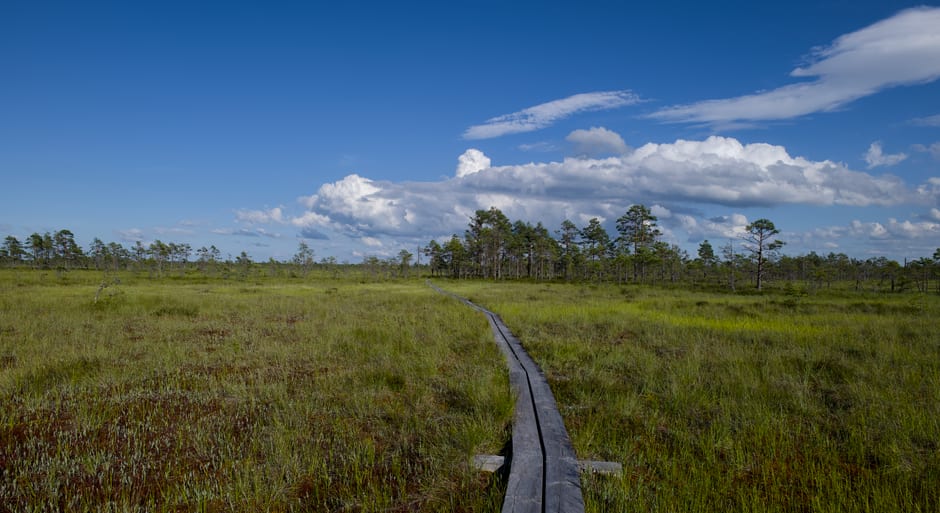
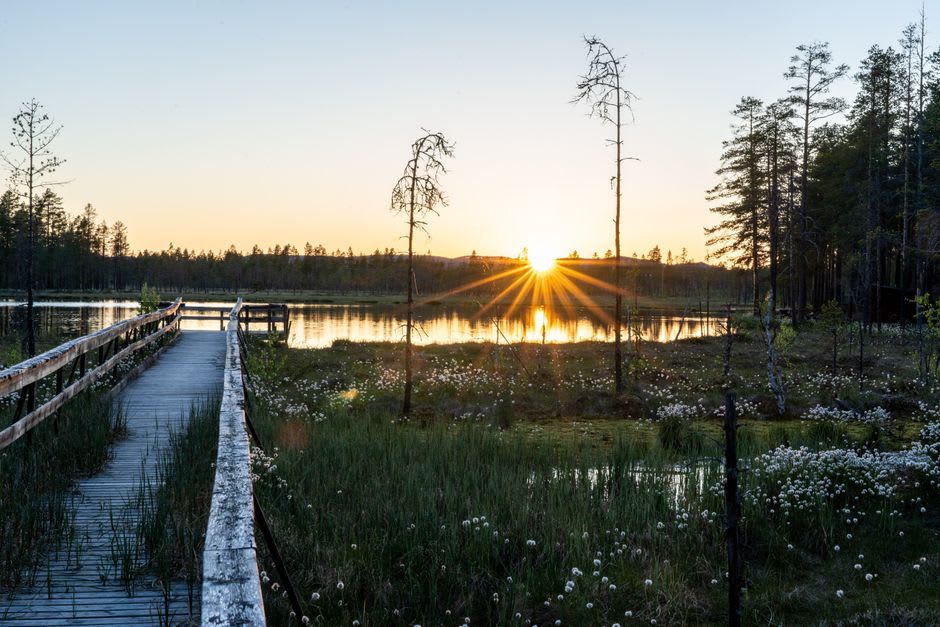
What surprised me most about Sarobetsu is the sheer scale of it — thousands of hectares of wetland stretching between Toyotomi and Horonobe, far more than I’d pictured from the word “marsh,” which in my head always meant something smaller and more contained. The boardwalk from the visitor center runs a good long stretch out into the middle of it, flanked on both sides by low reeds and standing water that mirrors the sky when the wind drops. Lia walked ahead of me most of the way, stopping every so often to crouch down and look at something in the water I usually couldn’t spot until she pointed it out — a frog, a beetle, once what she swore was a small snake that I never actually saw.
Cotton Grass, Day Lilies, and a Mountain That Follows You
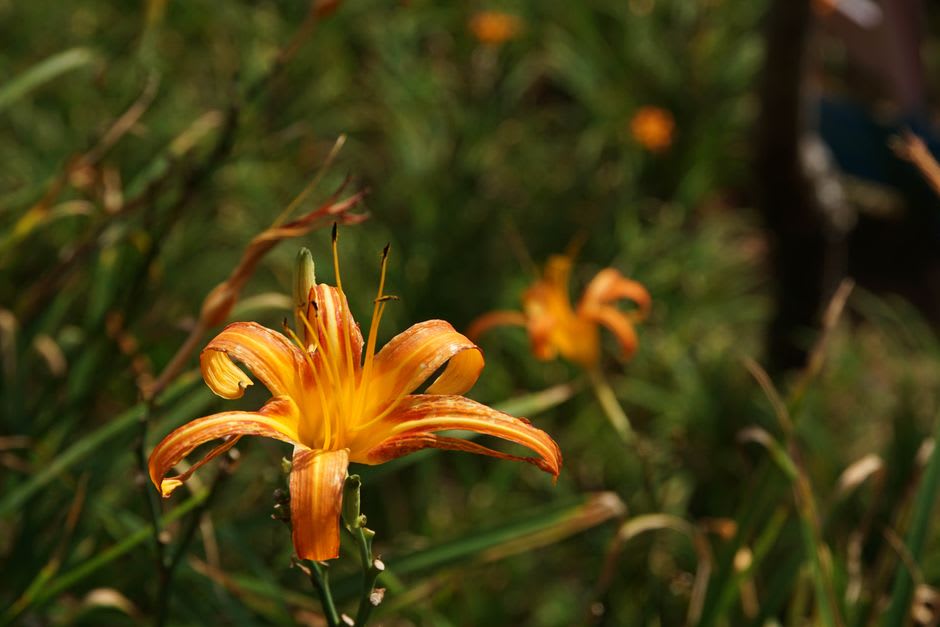
We’d timed the visit for summer without fully planning it, and it turned out to be the right accident — the marsh was thick with cotton grass, soft white tufts bobbing over the green, and scattered patches of orange Ezo day lilies that stood out sharply against everything else. But it was Mount Rishiri that really held our attention the whole walk, its near-perfect volcanic cone floating on the horizon across the water, looking closer than it had any right to given the distance. Lia said it felt like the mountain was following us, always in the same spot in every direction we turned to look, and once she said it I couldn’t unsee it either. It gives the whole wetland a strange, calm sense of orientation, like you always know exactly where you are relative to something enormous and constant.
What Autumn and the Geese Leave Behind
A ranger at the visitor center told us, almost wistfully, that we’d missed the best of it by coming in summer — that the whole wetland turns gold in autumn, the reeds drying out into a warm amber that stretches for miles, right around the time migratory bean geese start passing through on their way south. We didn’t get to see that ourselves, but hearing it described made the wetland feel less like a single place and more like a place that keeps changing character through the year, generous in a different way each season. It gave both of us a reason to want to come back, which is not something every stop on a long trip manages to do.
Getting There
The Sarobetsu Wetland sits about an hour by car from Wakkanai, with the Horonobe Visitor Center serving as the main access point for the long boardwalk trail. There’s no train station directly at the wetland, so a rental car is the most practical way to reach it, and it combines naturally with a stop at Toyotomi Onsen just to the north. Summer brings the cotton grass and day lilies, while autumn brings the gold color and migrating geese, so it’s worth picking your season deliberately rather than treating it as a quick stop along the way to Wakkanai.
Keep exploring
More of Hokkaidō
Keep exploring
More from Hokkaidō
 japan
japan Sarufutsu
Japan's northernmost village, where offshore scallop plots produce more of the shellfish than anywhere else in the country and, in winter, the same coastline disappears under drift ice from the Sea of Okhotsk.
Explore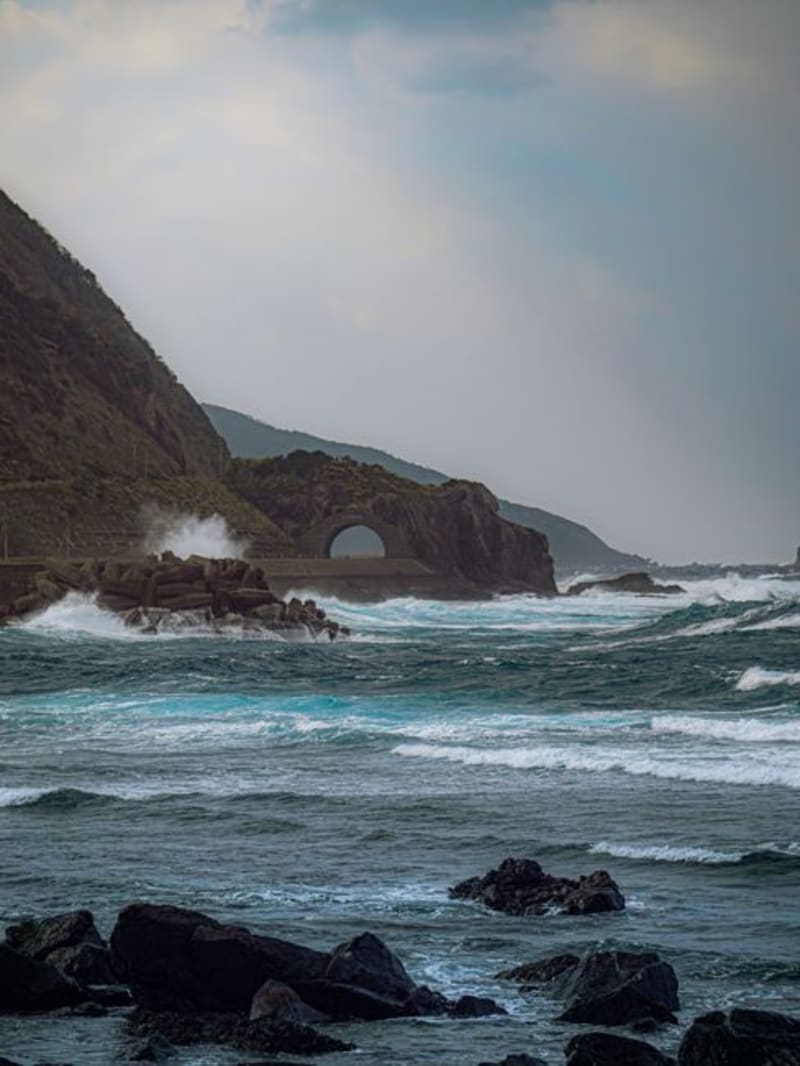 japan
japan Shakotan
A rugged peninsula west of Otaru where the sea turns a blue so intense it has its own name, cliffs plunge into white surf at Cape Kamui, and summer means fresh sea urchin eaten within sight of the boats that caught it. Wild, windblown, and unforgettable.
Explore japan
japan Lake Shikotsu
A deep caldera lake ringed by volcanoes in southern Hokkaidō, so clear the water seems to hold light rather than reflect it. Ice-free through winter, prized for its transparency, and quiet enough that a single canoe can own the whole blue expanse.
Explore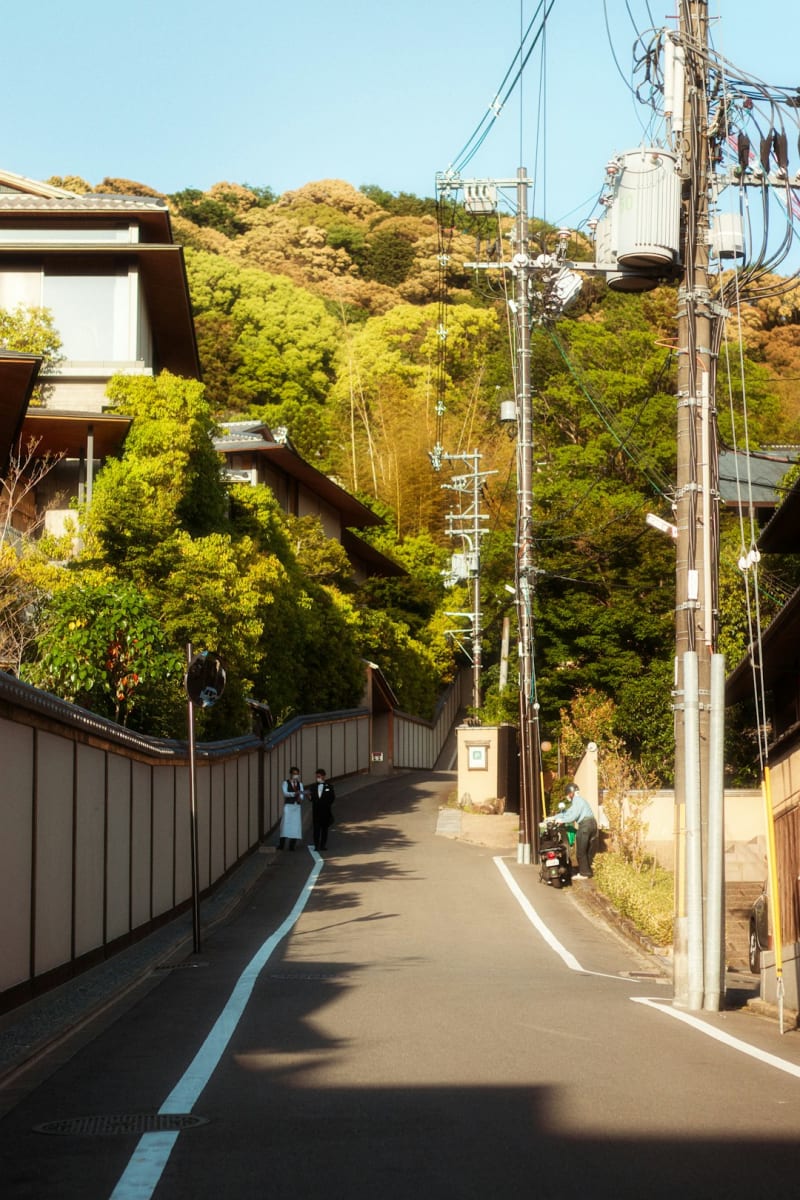 japan
japan Shiraoi
A quiet lakeside town on Hokkaidō's southern coast, Shiraoi is home to Upopoy, the national museum and park built to honour Ainu culture — a place that finally gives Japan's Indigenous people the centre of the stage. We went expecting a museum and found something closer to a conversation.
Explore japan
japan Shiretoko
A remote UNESCO wilderness peninsula reaching into the sea at the far northeastern edge of Hokkaidō. Brown bears and sea eagles, waterfalls dropping straight into the ocean, the still Five Lakes, and in deepest winter the drift ice grinding ashore.
Explore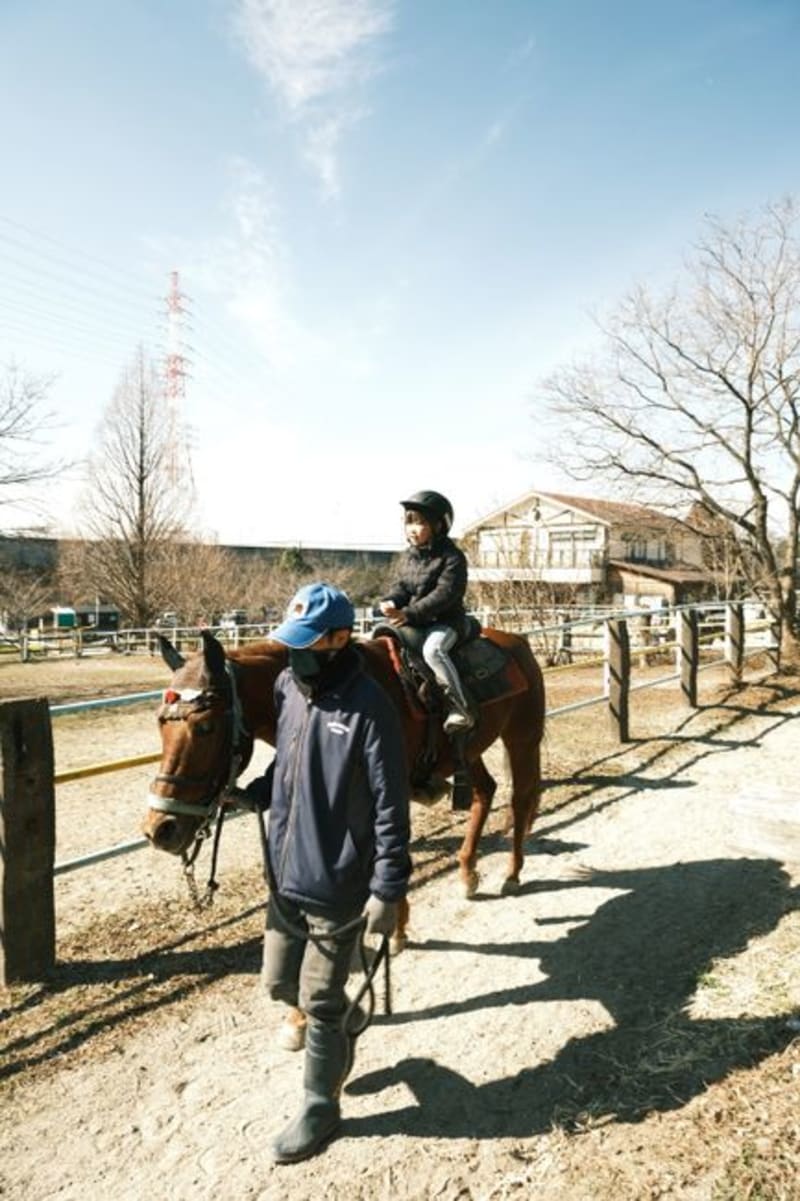 japan
japan Shizunai / Hidaka Horse Country
The heart of Japan's thoroughbred racehorse country, where retired champion sires stand in open paddocks at the Shizunai Stallion Station, sister-city partnered with Lexington, Kentucky, and April brings cherry blossoms blooming right alongside foaling pastures.
Explore