Sarufutsu
"Four years under that cold water, Lia said, just to end up on a plate. Somehow that made it taste better."
Japan's northernmost village, where offshore scallop plots produce more of the shellfish than anywhere else in the country and, in winter, the same coastline disappears under drift ice from the Sea of Okhotsk.

Sarufutsu wasn’t on any list we’d made; it’s the kind of place you find because you’re already driving somewhere else and the road happens to pass through it. We were making our way along Hokkaidō’s northern coast toward Wakkanai, and I’d read a single strange fact that made me want to stop: this scattered little village produces more scallops than anywhere else in Japan, farmed in rotating plots just offshore where they’re left alone for four or five years before anyone touches them. Lia, who will detour for almost any food story, was already turning the wheel before I’d finished the sentence. We pulled off the coastal road into a flat, wind-scoured landscape of low buildings and long views, and it felt less like arriving somewhere and more like reaching the edge of something.
A Village Built Around Patience
What struck me most about Sarufutsu wasn’t the scale of the scallop industry, though it is genuinely enormous for such a small village — it was the patience underneath it. Local boats seed baby scallops onto the seabed in staked-out plots and then simply leave them, for years, while currents and cold water do the slow work of growing them out. Nobody rushes a scallop in Sarufutsu. We watched boats coming in mid-afternoon, nets heavy, and a couple of fishermen sorting the catch on the dock with the unbothered rhythm of people who’ve done this their whole lives and expect to keep doing it. Lia asked one of them, through a mix of gestures and my patchy Japanese, how long his family had fished here. He just gestured out at the whole bay, like the answer was obvious.

Scallops, Simply
We ate them that evening at a small place near the port, scallops so fresh they barely needed the grill, just a little char and a squeeze of something citrusy. I’ll admit I’ve had scallops in fancier rooms than that one and liked them less. There’s something about eating a thing within hours of it coming out of the water it grew in for half a decade that changes how you taste it — Lia kept pausing between bites, which for her is the highest compliment a meal can get. The village doesn’t dress any of this up for visitors particularly; there’s no polished scallop museum or gift shop, just working harbors and small kitchens that happen to have the best raw material in the country a few steps away.

The Same Coast, Turned to Ice
It’s strange to stand on that same shoreline and try to picture it in winter, when drift ice from the Sea of Okhotsk drifts down and piles against this exact coast, the one the scallop boats work all summer. We were there in warmer weather and could only imagine it from photos a shopkeeper showed us, but it reframed the whole village for me — a place that spends half the year quietly farming the sea and the other half watching that same sea freeze solid and lock the boats in place. There’s a rhythm to a village built around a cycle like that, patient in every direction, and you can feel it even when you’re only passing through in July.

Getting There
Sarufutsu sits on Hokkaidō’s northern coast, about an hour and a half by car from Wakkanai, following Route 238 along the Okhotsk coastline. There’s no train service to the village itself, so a rental car is really the only practical way in, and it pairs naturally with a longer loop through Wakkanai and the Sarobetsu Wetland further west. If you’re chasing the drift ice rather than the scallops, aim for deep winter, but be prepared for a genuinely remote, wind-battered stretch of coast with little in the way of shelter between towns.
Keep exploring
More of Hokkaidō
Keep exploring
More from Hokkaidō
 japan
japan Shakotan
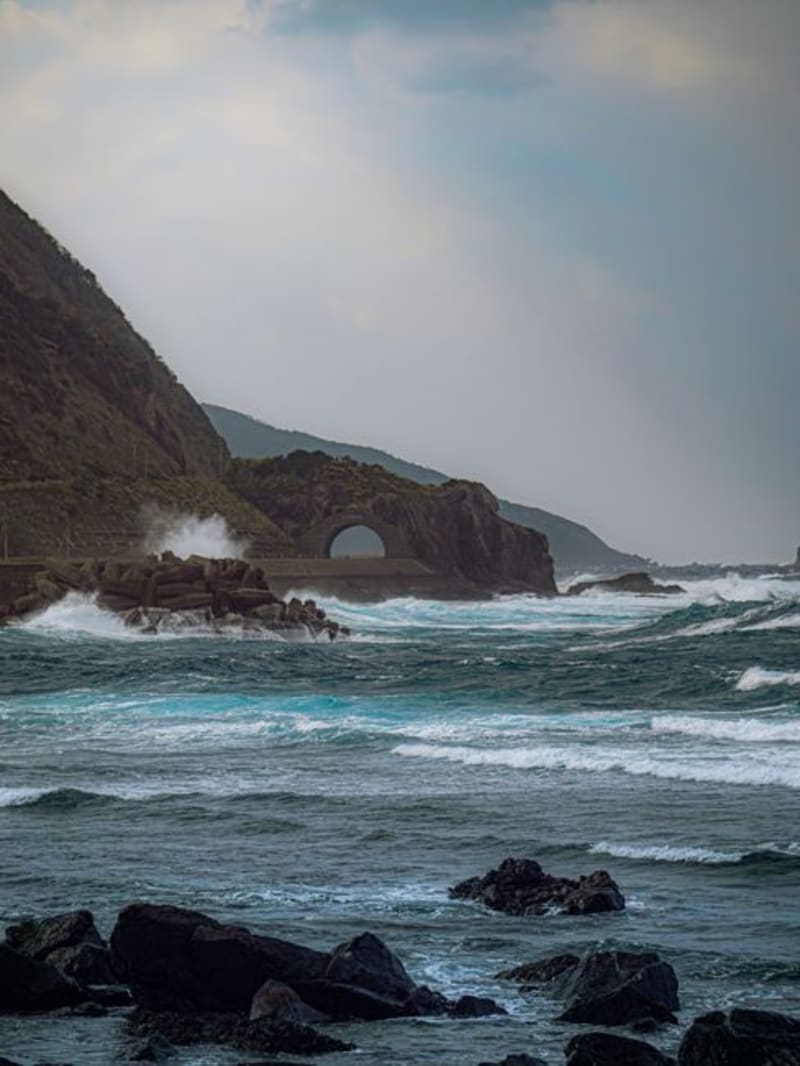
A rugged peninsula west of Otaru where the sea turns a blue so intense it has its own name, cliffs plunge into white surf at Cape Kamui, and summer means fresh sea urchin eaten within sight of the boats that caught it. Wild, windblown, and unforgettable.
Explore japan
japan Lake Shikotsu
A deep caldera lake ringed by volcanoes in southern Hokkaidō, so clear the water seems to hold light rather than reflect it. Ice-free through winter, prized for its transparency, and quiet enough that a single canoe can own the whole blue expanse.
Explore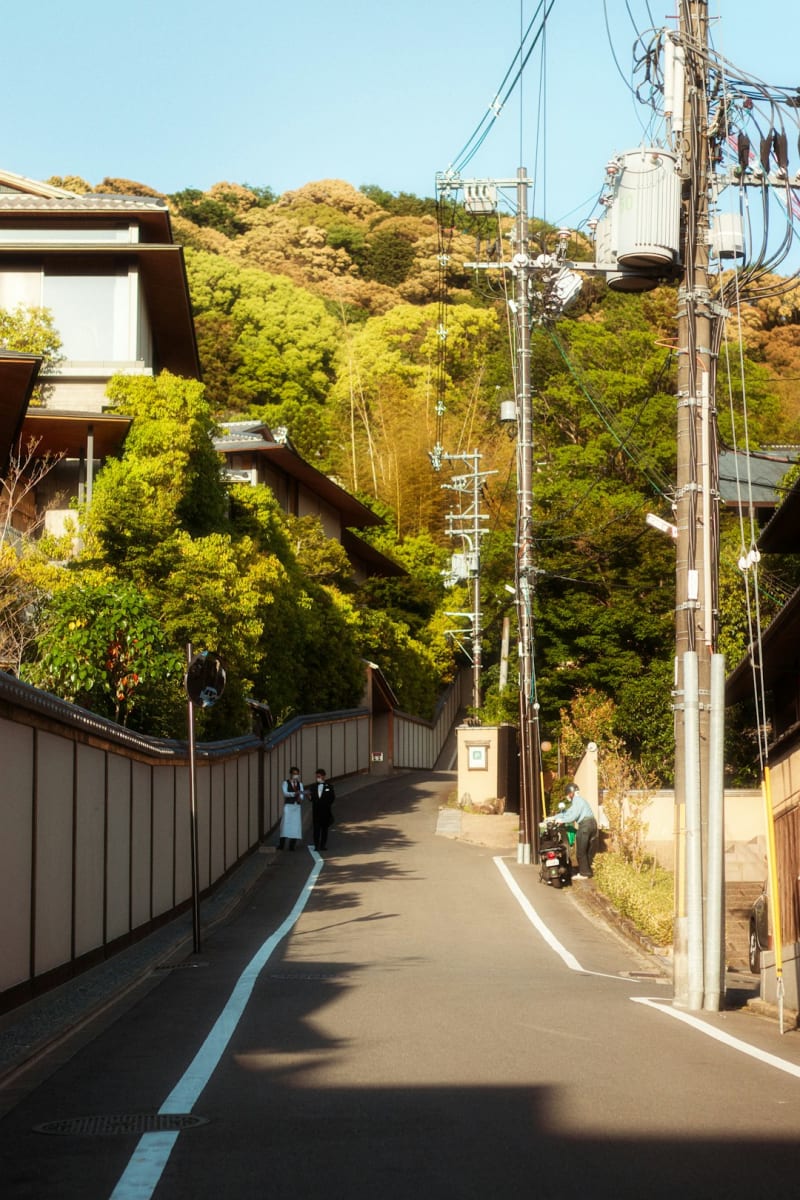 japan
japan Shiraoi
A quiet lakeside town on Hokkaidō's southern coast, Shiraoi is home to Upopoy, the national museum and park built to honour Ainu culture — a place that finally gives Japan's Indigenous people the centre of the stage. We went expecting a museum and found something closer to a conversation.
Explore japan
japan Shiretoko
A remote UNESCO wilderness peninsula reaching into the sea at the far northeastern edge of Hokkaidō. Brown bears and sea eagles, waterfalls dropping straight into the ocean, the still Five Lakes, and in deepest winter the drift ice grinding ashore.
Explore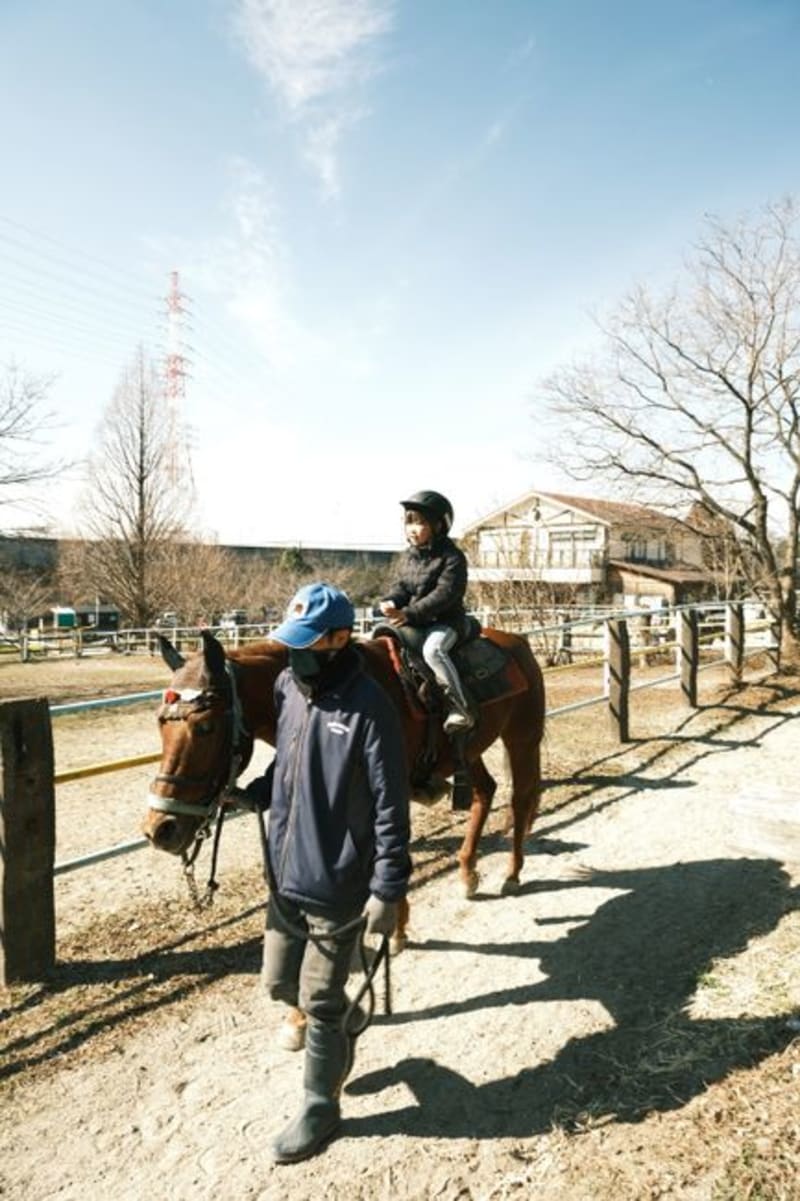 japan
japan Shizunai / Hidaka Horse Country
The heart of Japan's thoroughbred racehorse country, where retired champion sires stand in open paddocks at the Shizunai Stallion Station, sister-city partnered with Lexington, Kentucky, and April brings cherry blossoms blooming right alongside foaling pastures.
Explore japan
japan Sōunkyō
A gorge town swallowed by columnar cliffs in the belly of the Daisetsuzan mountains, where waterfalls fall in silver ribbons and the first autumn colors of all Japan catch fire in early September. A place of steam, stone, and thin alpine air.
Explore