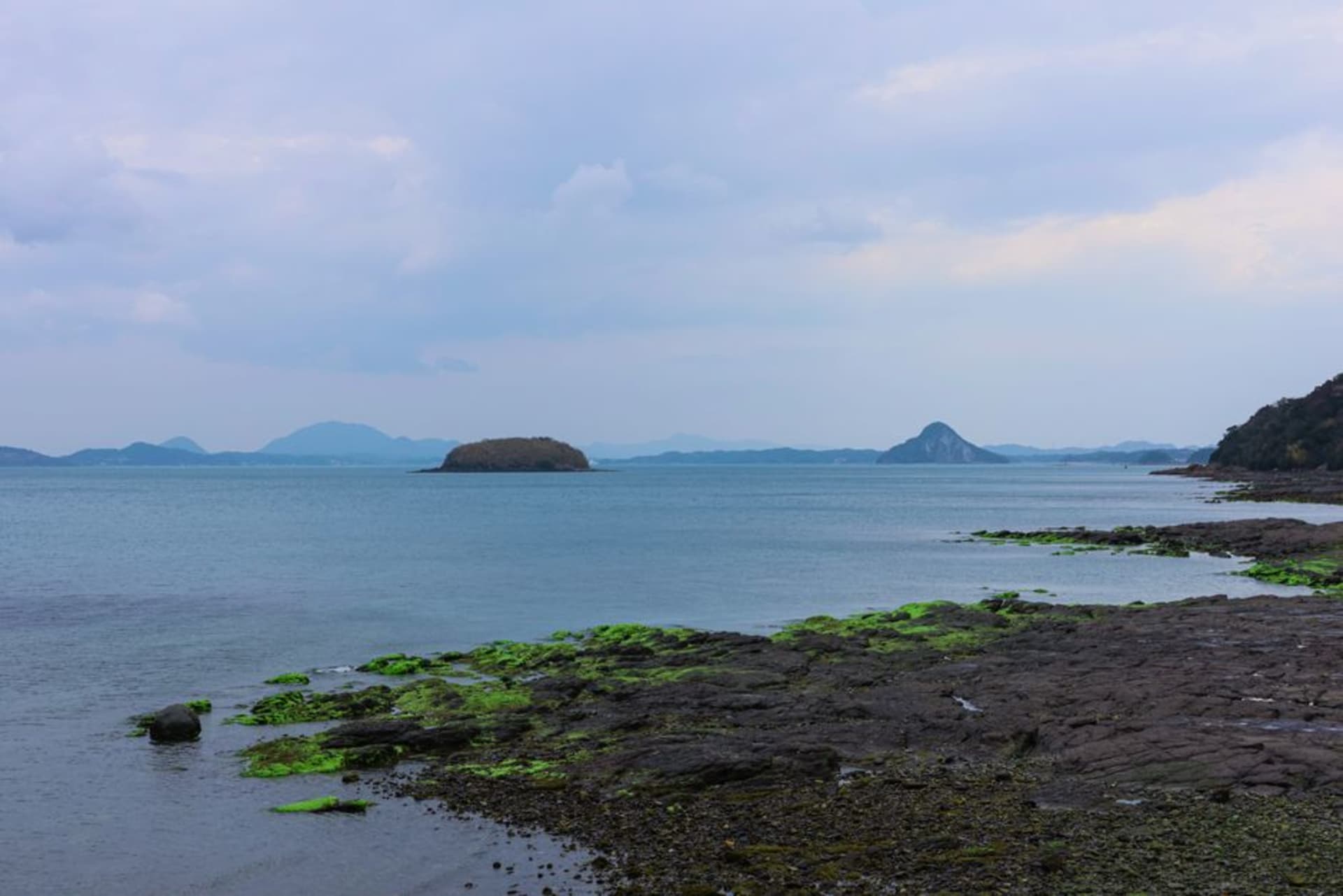
Okushiri Island
"Lia went quiet reading the museum's timeline. Minutes, it said. Not hours. Minutes."
A small island off southwest Hokkaidō remembered for the enormous 1993 tsunami that struck it minutes after a violent earthquake, and known now for blue coves, cliff-top lookouts, and a museum that refuses to let that night be forgotten.

Getting to Okushiri takes a bit of effort, which I think is part of why it stays so unbothered. We caught the ferry from Esashi on a clear morning, the kind of crossing where the water looks almost too blue for Hokkaidō, and Lia spent most of the two hours on deck with her camera even though there wasn’t much to photograph but open sea. I’d read about the island beforehand and knew roughly what had happened here in 1993 — a massive earthquake followed almost immediately by one of the largest tsunamis ever recorded, striking before many people had time to reach higher ground. Knowing that going in changed how I looked at the island the moment its low green hills came into view. It’s a genuinely beautiful place. It’s also a place that was, within living memory, devastated in minutes.
The Museum That Remembers
The Okushiri Tsunami Museum sits near Aonae, the fishing settlement that took the worst of it, and it doesn’t try to soften anything. There are photographs of the wave itself, models showing how fast it moved, and personal accounts from survivors that Lia and I read mostly in silence. What stayed with me was the timeline on one wall — the gap between the earthquake and the water arriving was almost nothing, barely enough for anyone to run. The museum doesn’t dwell only on loss, though; it’s also full of information about the seawalls, evacuation towers, and warning systems built afterward, a whole island reorganized around never being caught that unprepared again. We walked out into bright sun feeling sobered, the way you do after the Abashiri prison, but also quietly impressed by how thoroughly a small community had rebuilt itself.

Nabesan and the Cliffs
The mood shifts fast once you’re out on the island’s coast. We drove up to the Nabesan lookout in the afternoon, a cliff-top viewpoint where the land drops away into water so clear and blue it looked almost tropical, more like something out of the Mediterranean than northern Japan. Lia leaned over the railing longer than I was comfortable with, trying to get the exact shade of blue in a photo, and eventually gave up trying and just stood there watching it instead. Divers come to Okushiri for water like this, and standing above it I finally understood why — visibility that lets you see rock formations and kelp forests from well above the surface. It’s the kind of view that makes you forget, briefly, everything the museum just told you, and then remember it again with a kind of gratitude that any of this survived to be beautiful.

Small Coves, Slow Days
We spent our last stretch of daylight working our way along the island’s smaller coves, places with no names we could find on our map, just gravel pull-offs where a path led down to clean rock and water. One had a family grilling something over a small fire, and they waved us over without a shared language, just gestures for us to sit. We didn’t stay long, but it was one of those small unplanned kindnesses that end up being the thing you remember most from a trip. Okushiri doesn’t have much in the way of nightlife or attractions beyond its coastline and its history, and after a day there I understood that this was exactly the point — it’s an island built for slow hiking, quiet diving, and sitting with both the beauty and the weight of the place at once.

Getting There
Okushiri Island sits off Hokkaidō’s southwest coast, reachable by a roughly two-hour ferry from Esashi, or by a short flight into Okushiri Airport from Hakodate on days it’s operating. The ferry is the more scenic and reliable option, and it’s worth checking the schedule ahead of time since sailings can be limited, especially outside summer. Once on the island, a rental car or bicycle makes the most sense, since the coastal sights and lookouts are spread out and public transit is minimal. Give yourself at least a full day, and go into the tsunami museum before the cliffs — the order matters.
Keep exploring
More of Hokkaidō
Keep exploring
More from Hokkaidō
 japan
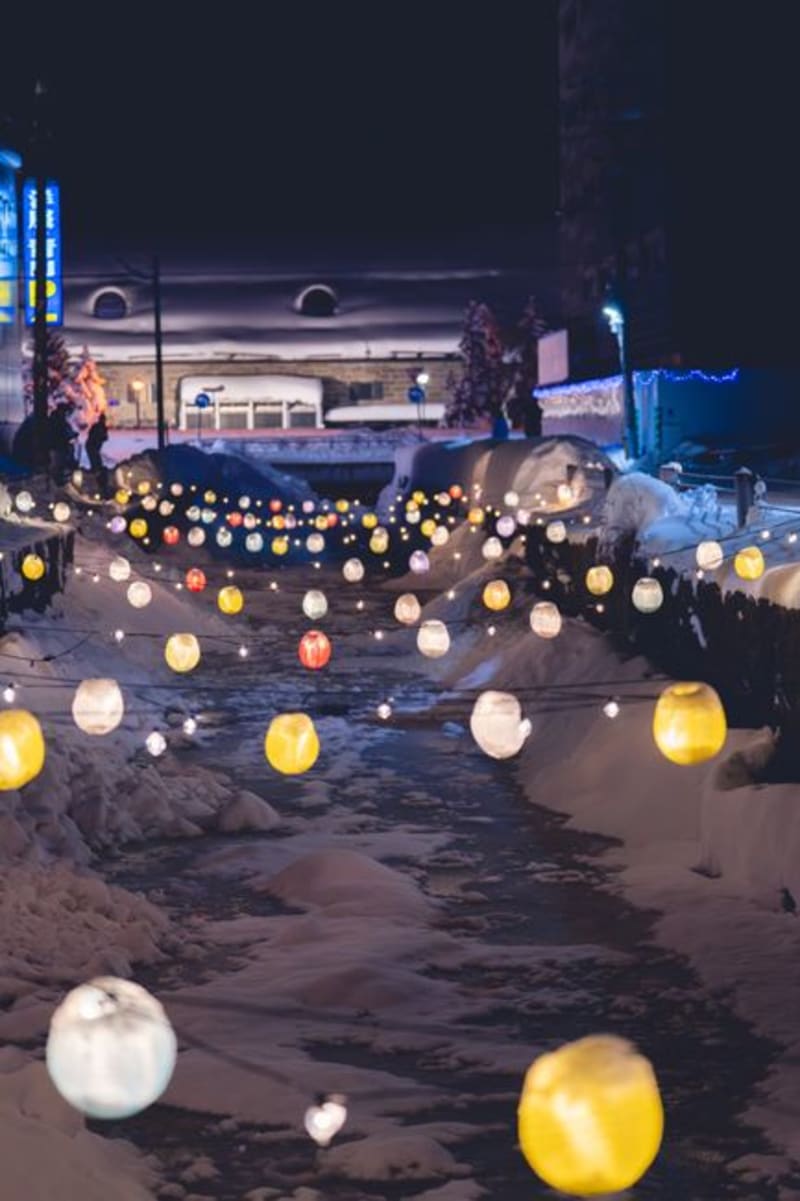
japan Otaru
A small Hokkaidō port town gathered along a stone-warehouse canal, its gas lamps lighting the snow at dusk. Glassblowers and music-box makers, herring wealth turned to nostalgia, and sushi eaten within sight of the harbor.
Explore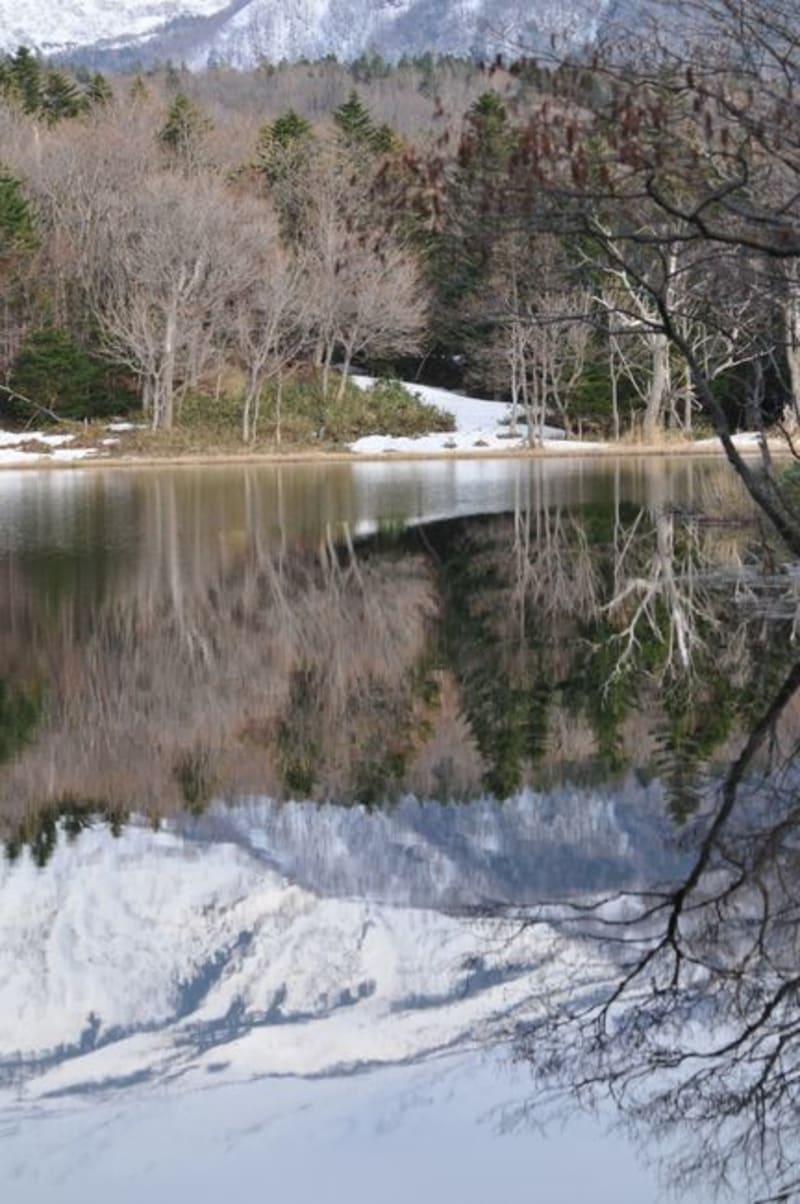 japan
japan Rausu
The wild eastern edge of the Shiretoko Peninsula, facing the Nemuro Strait and the disputed islands beyond. A fishing town where whales surface offshore, eagles crowd the winter ice, and the road simply stops because the mountains won't let it continue. This is as far as Japan goes before it turns to weather and sea.
Explore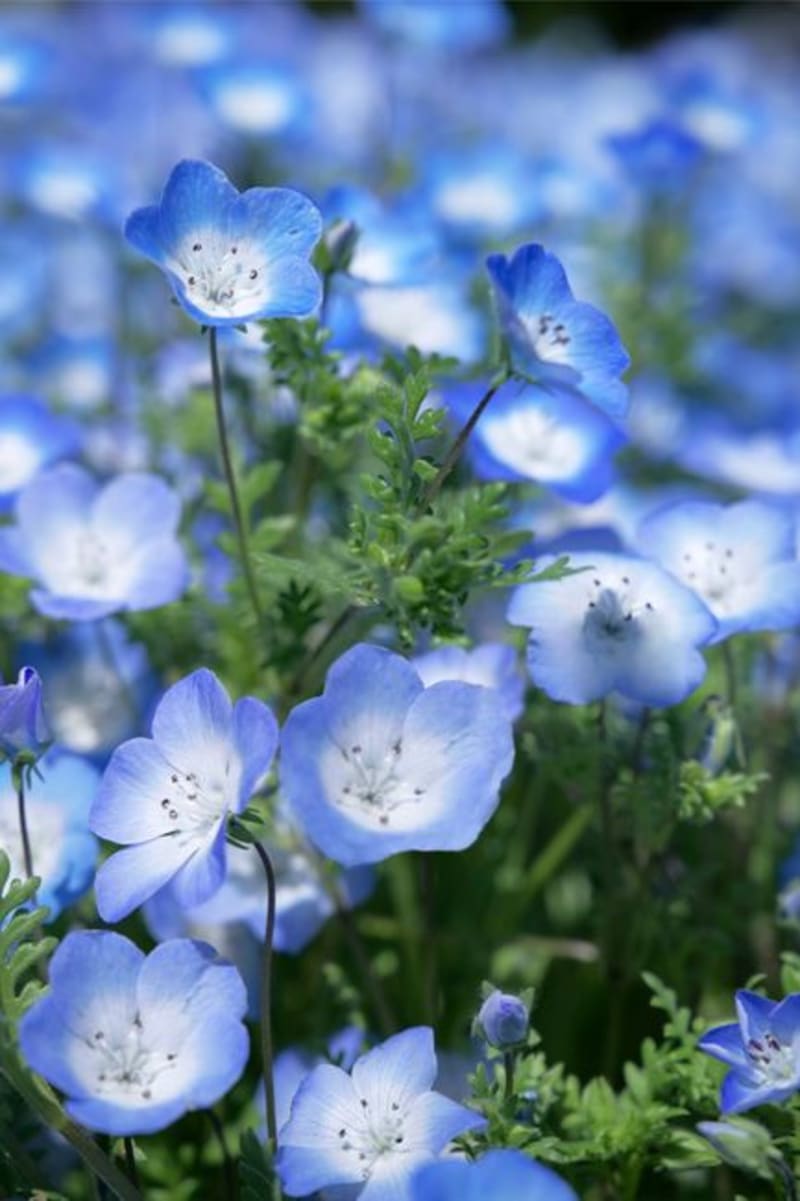 japan
japan Rebun
The flat 'island of flowers' at Japan's northern edge, lying just across the water from Rishiri. Rare alpine wildflowers bloom here almost at sea level, and a long cliff-and-meadow trail runs the wild western coast.
Explore japan
japan Rishiri
A remote island off the northern tip of Hokkaidō, built almost entirely around the near-perfect cone of Mount Rishiri. Summer wildflowers, kelp drying on the shingle, prized sea urchin, and clear ponds that hold the mountain upside down.
Explore japan
japan Sapporo
Hokkaidō's wide, grid-planned capital, where the streets run straight and the winters run deep. Beer brewed on the spot, ramen thick enough to stand a spoon in, and a frontier openness you feel the moment you step off the train.
Explore japan
japan Sarobetsu Wetland
One of Japan's great wetlands, spreading across thousands of hectares between Toyotomi and Horonobe, crossed by boardwalks thick with cotton grass and Ezo day lilies in summer, gold in autumn, with Mount Rishiri floating on the horizon.
Explore