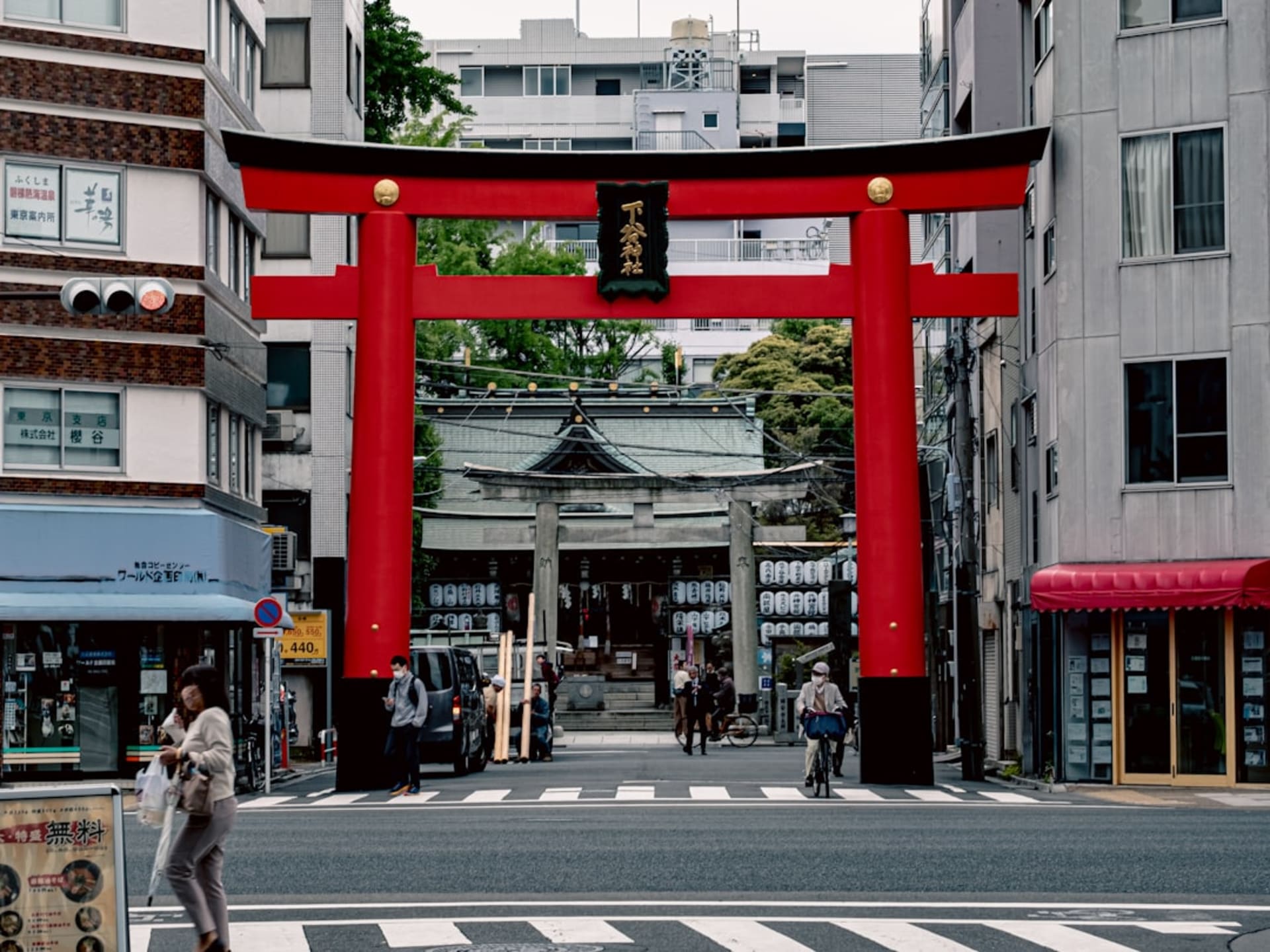
Esashi (Hiyama)
"Even Edo can't rival Esashi in May, they used to say. In July, walking that quiet street, I finally believed it."
A once-wealthy herring port on Hokkaidō's southwest coast, where Edo-period merchant houses still step down toward the sea along the Inishie Kaido and a 380-year-old shrine festival still fills the streets with gilded floats every August.

We almost skipped Esashi. It’s the kind of place that doesn’t show up until the third or fourth page of any Hokkaidō itinerary, tucked on the island’s southwest coast well past Hakodate, and neither Lia nor I had a clear reason to go beyond a single sentence I’d read: that this small fishing town was once richer, for a few frantic weeks each spring, than the capital itself. That struck both of us as too strange to pass up. So we rented a car in Hakodate and drove down the coast on a grey July morning, half expecting nothing much and getting, instead, one of the most quietly haunting afternoons of the whole trip.
The Street Where Herring Built Empires
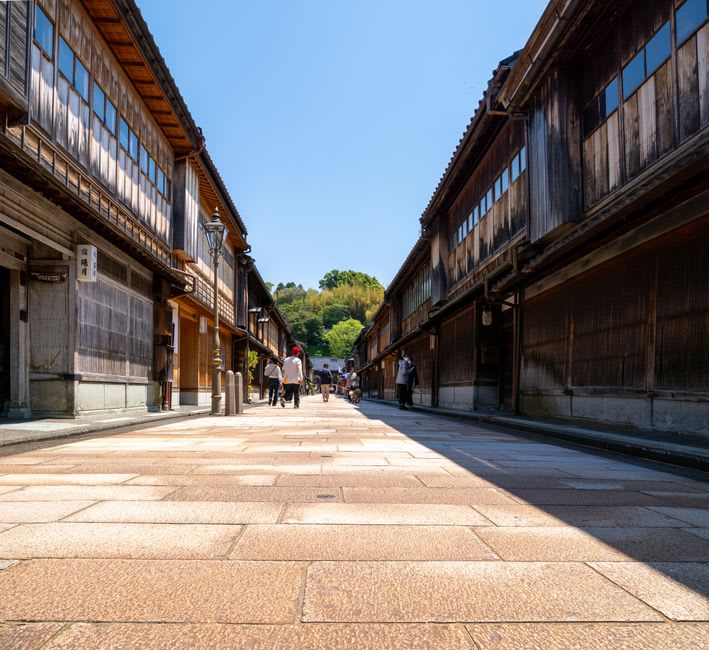
The Inishie Kaido runs along the old waterfront, a single street of Edo-period merchant houses that made their fortunes on herring — not eating them, but rendering them into fish-meal fertilizer and shipping it south by the boatload. The houses aren’t grand in the way a castle is grand; they’re grand in a stranger way, built like staircases down the slope toward the harbor, with the family’s living quarters up top and warehouses stepping down below so the catch could move straight from boat to storage without ever climbing a hill. Lia kept touching the dark timber, worn smooth by two centuries of hands, and said it felt like walking through someone’s ledger book. A few of the houses are open to wander through, cool and dim inside, smelling faintly of old wood and salt.
A Festival Older Than the Herring Boom Itself
We missed the Ubagami Daijingu Shrine Festival by weeks — it runs every August, and has for some 380 years — but the town still talks about it the way people talk about a storm that’s coming. An older man running a small shop near the harbor pulled out his phone to show us photos: gilded floats, some over a century old themselves, hauled through the narrow streets by teams of men in matching happi coats, drums going late into the night. He told us the floats used to be commissioned by the same herring merchants whose houses we’d just walked past, each family trying to outdo the next. It’s a strange, moving thing to stand in a nearly empty street in July and be shown, secondhand, what it looks like full.

What the Herring Left Behind
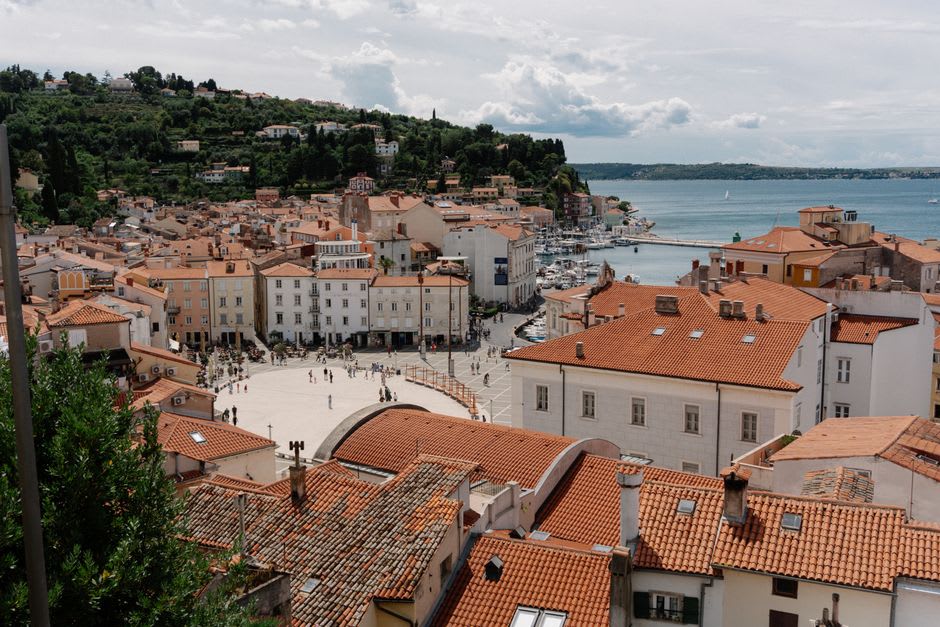
By the afternoon we’d found our way up to a small overlook above the town, where you can see the whole shape of Esashi at once — the curve of the harbor, the low roofline of the old street, boats rocking gently at anchor. The herring stopped running here decades ago, a collapse that hit the whole coast, and you can feel that absence in how unhurried the town is now. It isn’t sad exactly, just settled, like a house after the party’s ended and someone’s finally sat down. We ate grilled squid from a stall by the water and watched gulls work the tideline, and Lia said this was the version of Hokkaidō she’d wanted all along — not the famous ones, just a town quietly being itself.
Getting There
Esashi sits on Hokkaidō’s southwest coast, about an hour and a half by car or bus from Hakodate, following the coastal road down past smaller fishing villages. There’s no train line this far south, so a rental car gives you the most freedom, especially if you want to detour along the coast or continue on to Okushiri Island’s ferry terminal. Buses run from Hakodate Station as well, though less frequently, so check schedules before you go. If you can time a visit for early August, the Ubagami Daijingu Shrine Festival is worth building a trip around; otherwise, a slow midweek afternoon is really all this town asks for.
Keep exploring
More of Hokkaidō
Keep exploring
More from Hokkaidō
 japan
japan Furano
A wide farm valley in the middle of Hokkaidō, given over in high summer to striped fields of lavender and rainbow rows of flowers. Rolling farmland, sweet melons ripening under the sun, and in winter a quiet ski town under deep snow.
Explore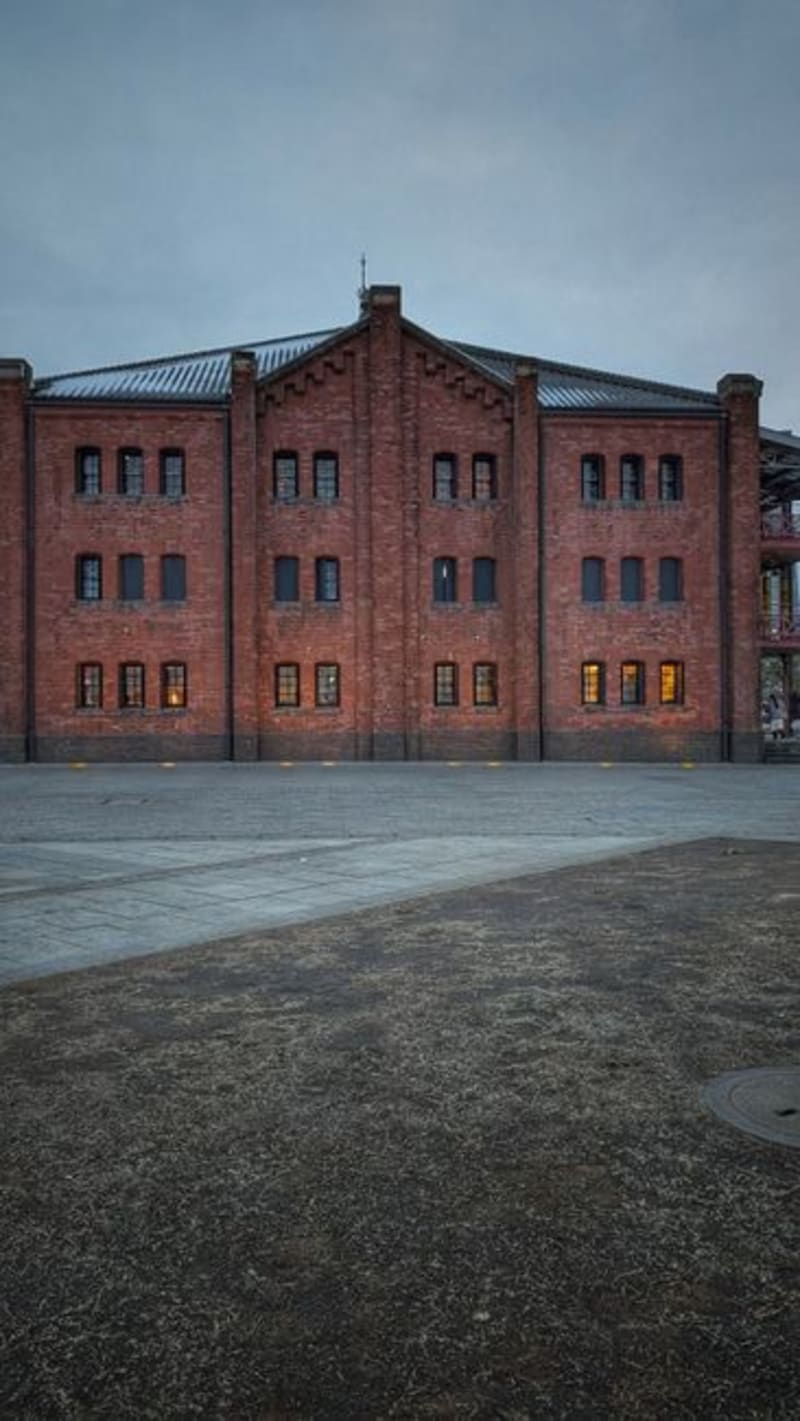 japan
japan Hakodate
A Hokkaidō port city where the harbor light does the talking. A glittering night view from the mountain, red-brick warehouses along the bay, a morning market loud with squid and crab, and nineteenth-century Western streets climbing the hillside.
Explore japan
japan Hokkaido Lavender Fields
Furano's summer lavender fields roll across Hokkaido's volcanic plateau in waves of purple and green.
Explore japan
japan Jōzankei
A hot-spring resort tucked into a forested river gorge just outside Sapporo. Riverside foot baths, spectacular autumn foliage, and an easy mountain escape barely an hour from the city.
Explore japan
japan Kikonai
The first town in Hokkaidō after the Shinkansen surfaces from the undersea Seikan Tunnel, with a seaside onsen looking back across the Tsugaru Strait toward Honshu and a menu of Tsugaru Strait scallops and Hakodate wagyu.
Explore japan
japan Kushiro
A weathered port on eastern Hokkaidō's misty coast, edged by Japan's largest marshland. Reed wetlands where red-crowned cranes dance, slow canoe mornings on a winding river, and a smoky robata tradition of grilling your own seafood over coals.
Explore