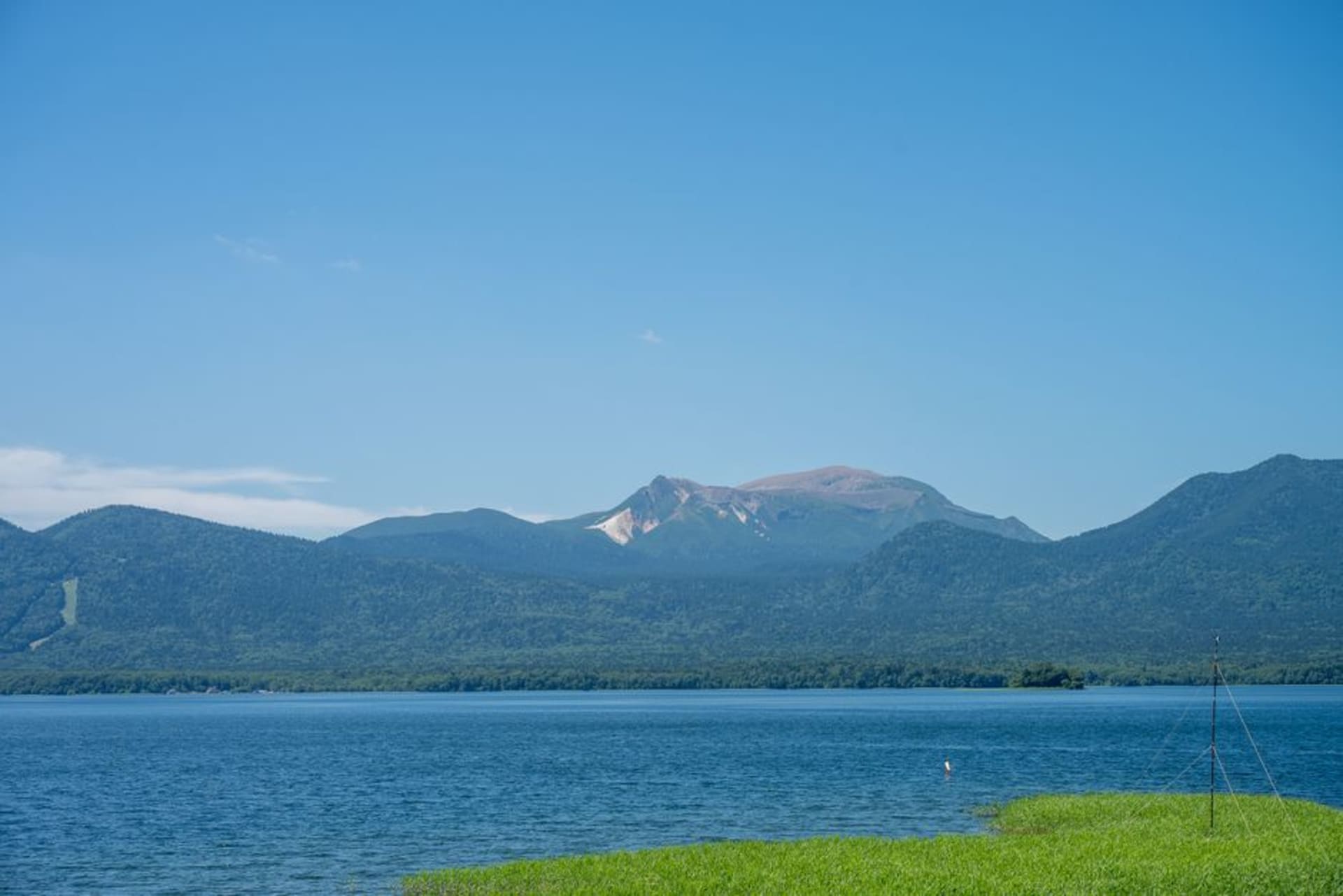
Lake Akan
"A whole lake, we were told, remembered for a ball of green the size of a plum."
A volcanic lake in the far east of Hokkaidō where rare green algae roll into perfect velvet spheres, an Ainu village keeps its songs alive, and winter locks the whole surface into groaning ice. A place that asks you to look slowly.

There is a small aquarium tank near the shore of Lake Akan where the marimo are kept, and I will admit I did not expect to be moved by algae. But Lia and I stood in front of that tank longer than we stood in front of a good deal of famous art. The marimo are green spheres, soft as moss, rolled into shape over decades by the gentle currents of the lake, and they grow so slowly that a large one may be older than either of us will ever be. The Ainu hold them sacred, and standing there in the dim light I began to understand why. Some things earn reverence simply by refusing to hurry.
The Marimo and the Water
Lake Akan is one of the very few places on earth where marimo form these perfect balls, and the lake protects them fiercely; you cannot go and scoop one out. Instead we took a boat across the calm water on a grey morning, the surrounding volcanoes half-lost in mist, and a guide explained how wind and wave conspire over centuries to keep the algae turning so they stay round and green on every side. It is a quiet kind of miracle, the sort that does not photograph well and does not need to. Lia trailed her fingers in the water and said it felt like the lake was thinking.

The Ainu Kotan
On the southern shore is the largest Ainu kotan, or village, in Hokkaidō, and it is not a museum piece but a living place. We walked its single sloping street lined with woodcraft workshops, where carvers turned owls and bears and patterned trays from local timber, the smell of shavings everywhere. In the evening we watched a performance of Ainu song and dance in the theatre at the top of the street, the old melodies circling and repeating, the movements imitating cranes and marsh birds. I do not pretend to have understood it. But there was a woman near the front who mouthed every word, and watching her was its own lesson in what it means for a culture to hold on.

Onsen Steam and Winter Ice
Akankohan, the little town on the lakeshore, runs on hot springs, and there are free foot baths where you can sit with your feet in the steaming water and the cold lake air on your face. We did this at dusk with cans of something warm, watching fishermen come in. Come winter, we were told, the whole lake freezes solid enough to walk on; ice-fishing huts dot the surface, snowmobiles cross where the boats had been, and the trapped ice groans and cracks in the night like a living thing. We only saw autumn, the hills rusting above the water, but the town clearly loves its winter self, and I found myself half-planning a return before we had even left.

Getting There
Lake Akan lies deep in eastern Hokkaidō, in the Akan-Mashū National Park, and getting there is part of the commitment. The nearest airport is Kushiro, from which buses run north to Akankohan in about an hour and a quarter; some services continue on toward Lake Mashū and Kawayu. We came by rental car, which is the honest way to see this corner of the island, looping between the three great crater lakes over a couple of unhurried days. Whichever way you arrive, resist the urge to treat Akan as a quick stop. This is slow country, and it gives itself only to people willing to match its pace.
Keep exploring
More of Hokkaidō
Keep exploring
More from Hokkaidō
 japan
japan Lake Kussharo
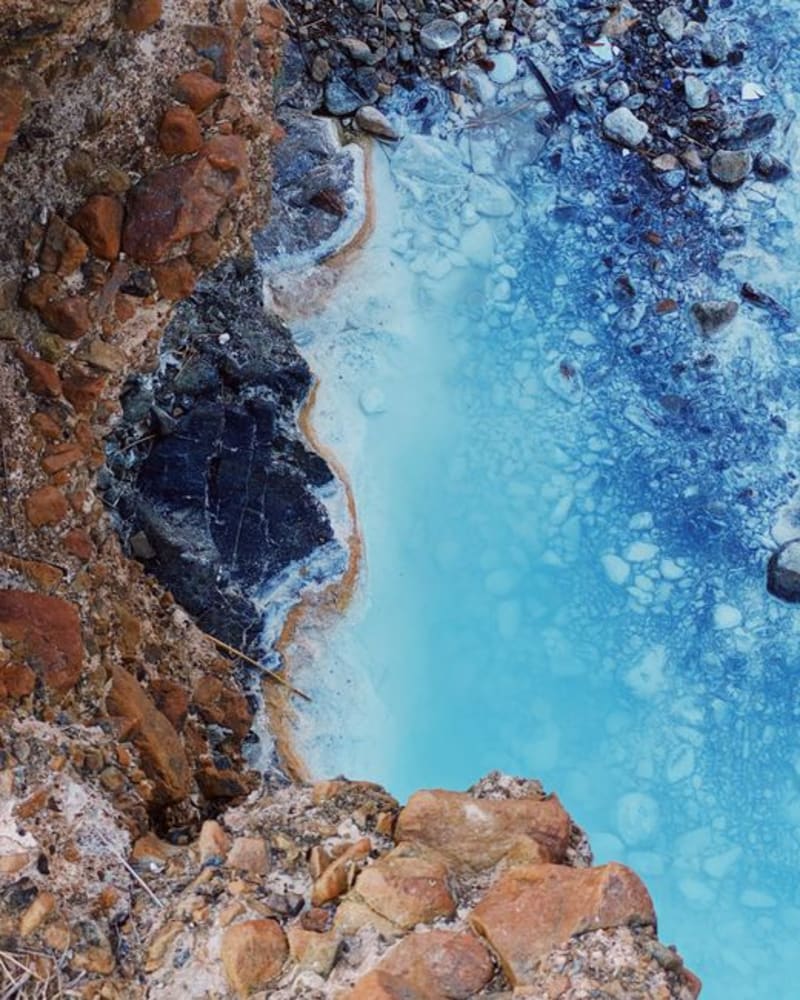
A vast caldera lake in eastern Hokkaido where you can dig your own hot spring in the black sand at the water's edge, and where whooper swans winter in the steaming shallows. Kussharo is enormous and generous and completely unpretentious. We soaked our feet in a hole we dug ourselves, and I've thought about it ever since.
Explore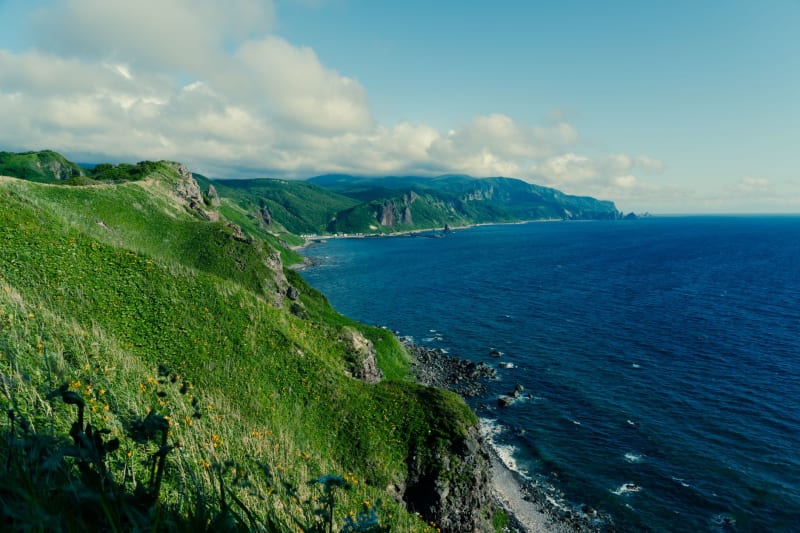 japan
japan Akan-Mashu National Park
Two volcanic crater lakes, Ainu sacred ground, and water so impossibly clear it reads purple — this is eastern Hokkaido at its most elemental.
Explore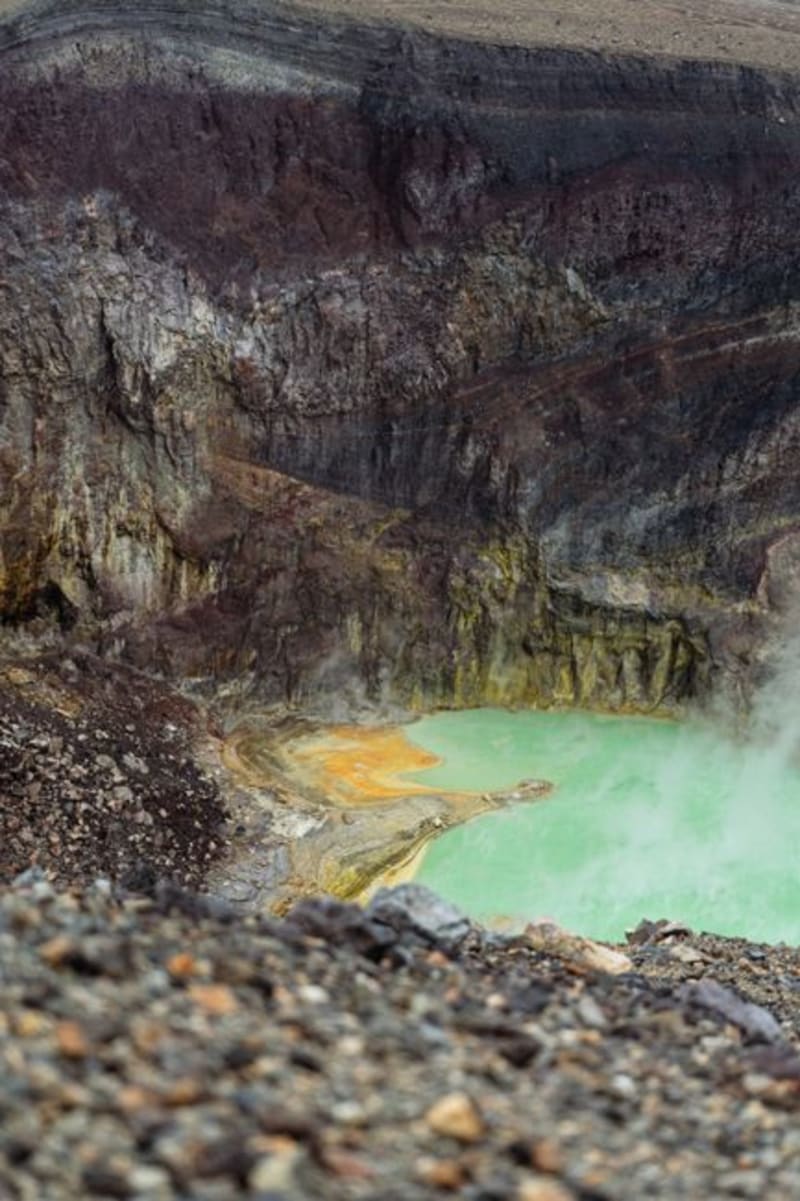 japan
japan Lake Mashu
One of the clearest crater lakes on earth, cupped in a steep caldera in eastern Hokkaido and hidden more days than not behind a wall of fog. Lake Mashu has no inlet, no outlet, and almost no way down to its water. We went twice before it showed itself, and the wait was the point.
Explore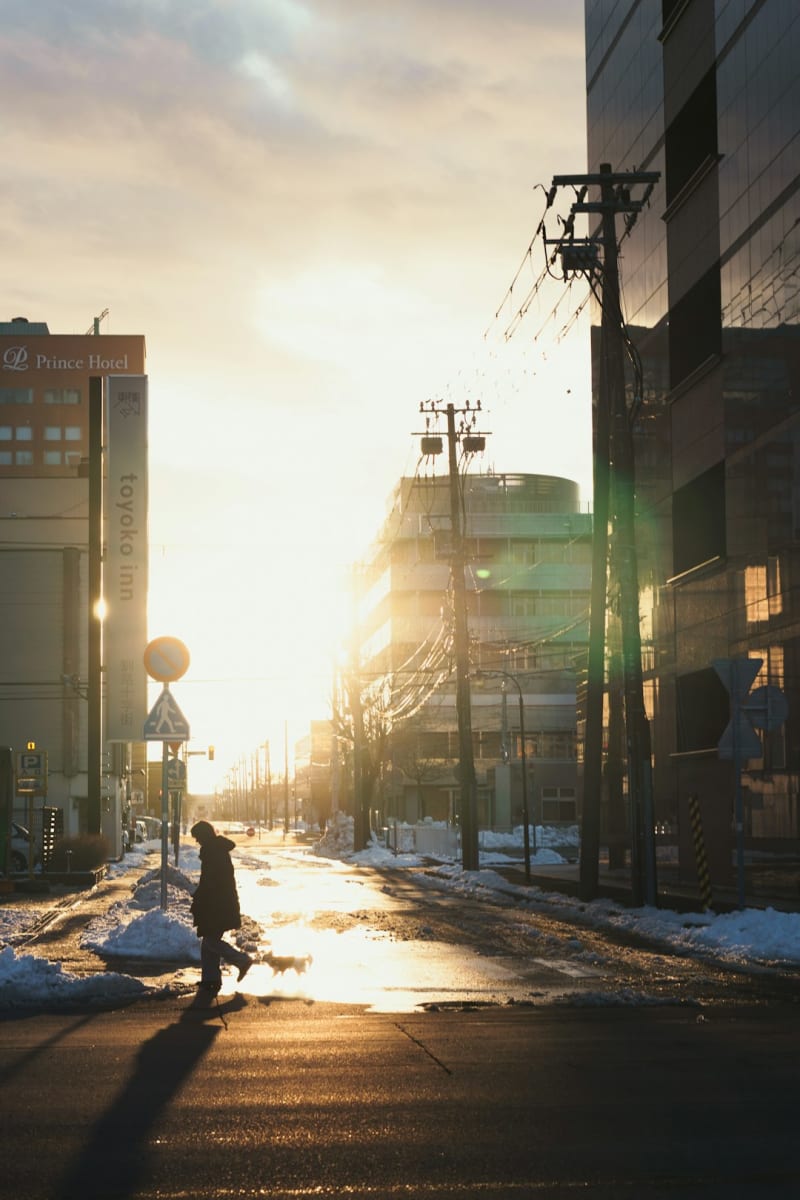 japan
japan Kushiro
A weathered port on eastern Hokkaidō's misty coast, edged by Japan's largest marshland. Reed wetlands where red-crowned cranes dance, slow canoe mornings on a winding river, and a smoky robata tradition of grilling your own seafood over coals.
Explore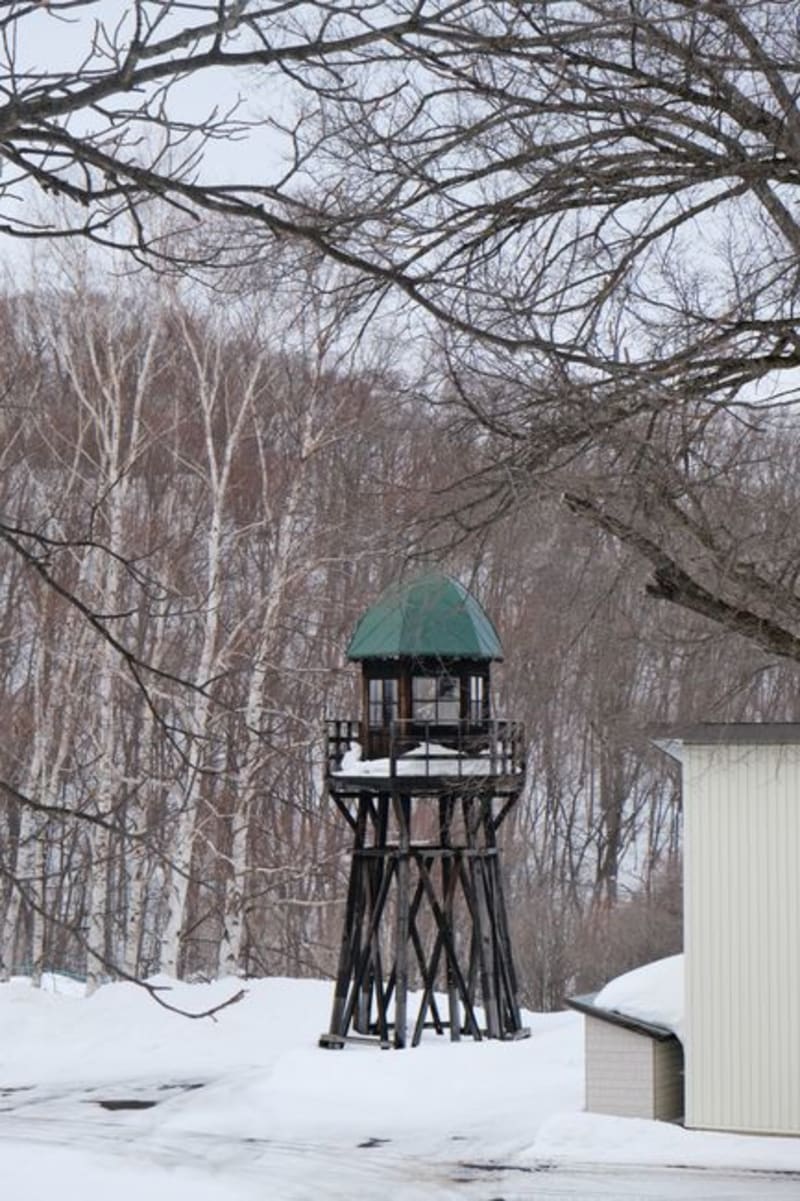 japan
japan Abashiri
A port on the far northeastern edge of Hokkaidō where the Sea of Okhotsk freezes into a moving field of drift ice each winter. Icebreaker cruises that shoulder through the floes, a stark former-prison museum on a hill, and a light so pale and clean it feels like the end of the map.
Explore japan
japan Engaru
An inland town in Hokkaidō's Okhotsk country, best known for the hillside at Taiyō-no-Oka where seasonal flowers pour down the slope in a wash of color. Wide farm valleys, a slow river, and in autumn a famous cosmos field that turns a whole hill pink.
Explore