Kikonai
"We're technically still underground, Lia said, laughing, as the train surfaced into daylight and Hokkaidō."
The first town in Hokkaidō after the Shinkansen surfaces from the undersea Seikan Tunnel, with a seaside onsen looking back across the Tsugaru Strait toward Honshu and a menu of Tsugaru Strait scallops and Hakodate wagyu.

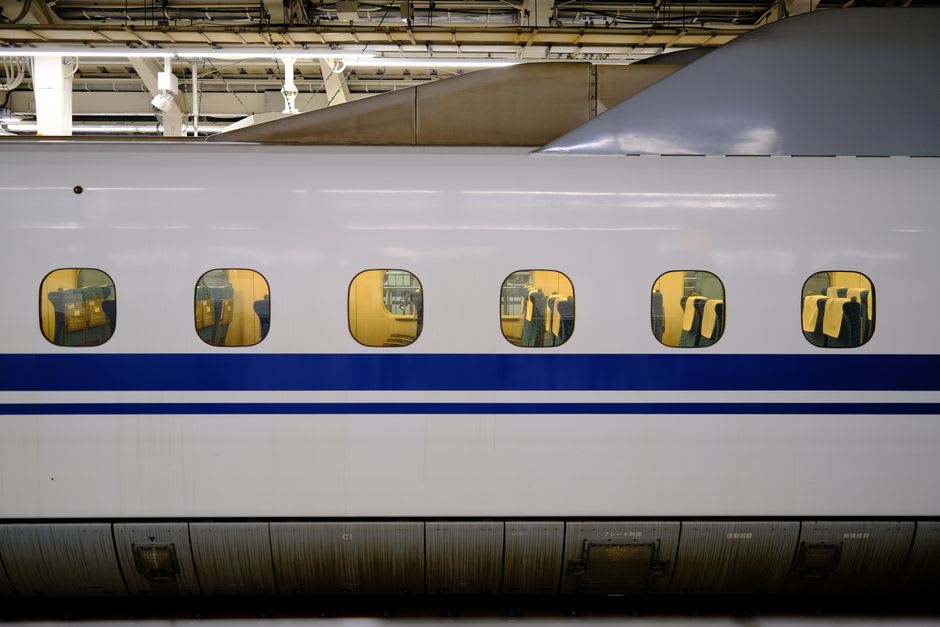
There’s a specific feeling of arrival that comes from crossing under an entire strait by train, and Kikonai is where you land on the other side of it. We’d boarded the Shinkansen at Hakodate Station, ridden it briefly north, and within minutes found ourselves plunging underground into the Seikan Tunnel, the long undersea passage that connects Hokkaidō to Honshu beneath the Tsugaru Strait. Lia had her nose pressed to the window the whole time, waiting for the tunnel to end, and when the train finally surfaced into daylight again she laughed and said we were technically still underground twenty minutes ago and now we were just here, in Hokkaidō, like it had happened by accident.
The First Town on the Other Side
Kikonai holds the slightly odd distinction of being the very first town you reach in Hokkaidō once the Shinkansen comes up out of the tunnel, and there’s something fitting about how unassuming it is for that role. It isn’t dressed up as a grand gateway; it’s a quiet fishing and farming town, low buildings, boats in a small harbor, nothing performing the significance of being first. We got off just to say we had, honestly, expecting little more than a station and a view, and ended up staying most of the afternoon once we realized how much the town had going for it once you looked past the novelty of the tunnel.
Soaking With Honshu on the Horizon
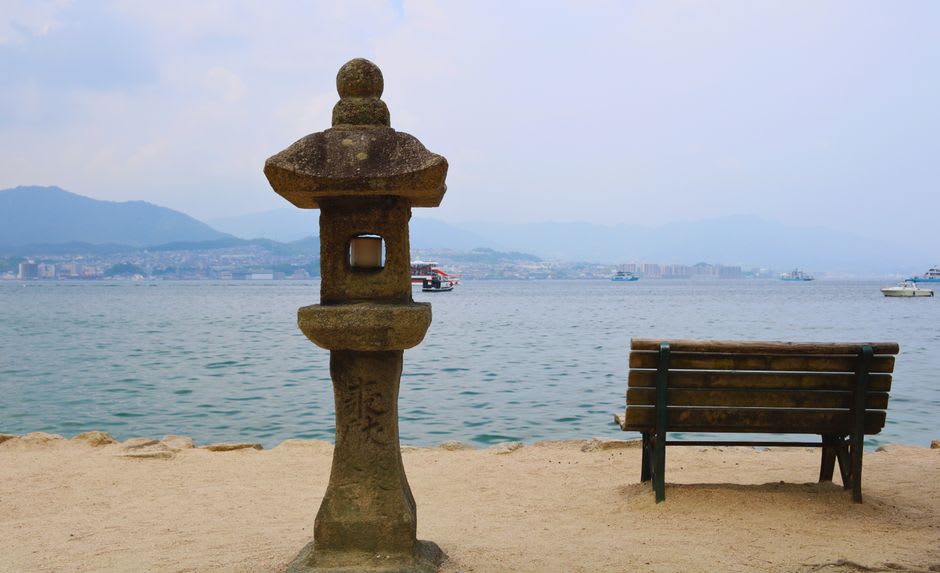
The real find was a small seaside onsen on the edge of town, where you can soak outdoors and look directly back across the Tsugaru Strait toward the coast we’d just tunneled beneath. It’s a strange, satisfying kind of view — steam rising off the water in front of you, the strait stretching out beyond it, and somewhere out there, invisible under the waves, the tunnel we’d just ridden through. Lia sat in the bath much longer than usual, tracing the horizon with her eyes like she was trying to spot Honshu itself, which of course she couldn’t, but the trying seemed to be half the pleasure of it. There’s something almost ceremonial about soaking at the exact spot where two islands are joined underground, looking back at the place you came from.
Scallops, Wagyu, and a Fishing-and-Farming Menu
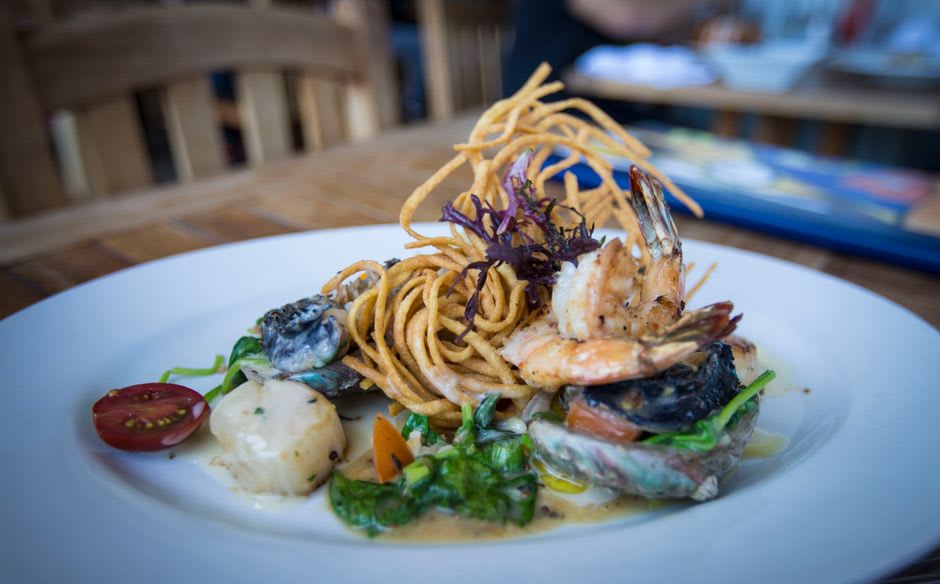
Dinner turned out to be one of the better unplanned meals of the whole Hokkaidō trip. A small restaurant near the harbor served Tsugaru Strait scallops so plump and sweet they barely needed seasoning, alongside a modest but excellent cut of Hakodate wagyu, and the pairing summed up the whole region in one sitting — a fishing town and a farming region sharing a menu without any pretension about it. Lia said it felt like an appetizer for the rest of Hokkaidō, a small, honest sample of everything the island does well before you’ve even properly started exploring it. We left Kikonai fuller and slower than we’d arrived, already glad we’d stopped rather than just riding straight through.
Getting There
Kikonai is the first Shinkansen stop in Hokkaidō after Hakodate, about fifteen minutes away by train through the Seikan Tunnel, making it one of the easiest detours on this whole coast. It’s an easy half-day or overnight stop for anyone riding the Shinkansen north from Honshu into Hokkaidō for the first time, and the seaside onsen is worth timing for late afternoon or evening, when the light across the strait turns soft and the crowds thin out. From Kikonai, it’s a short trip back to Hakodate or onward toward Esashi and the southwest coast.
Keep exploring
More of Hokkaidō
Keep exploring
More from Hokkaidō
 japan
japan Kushiro
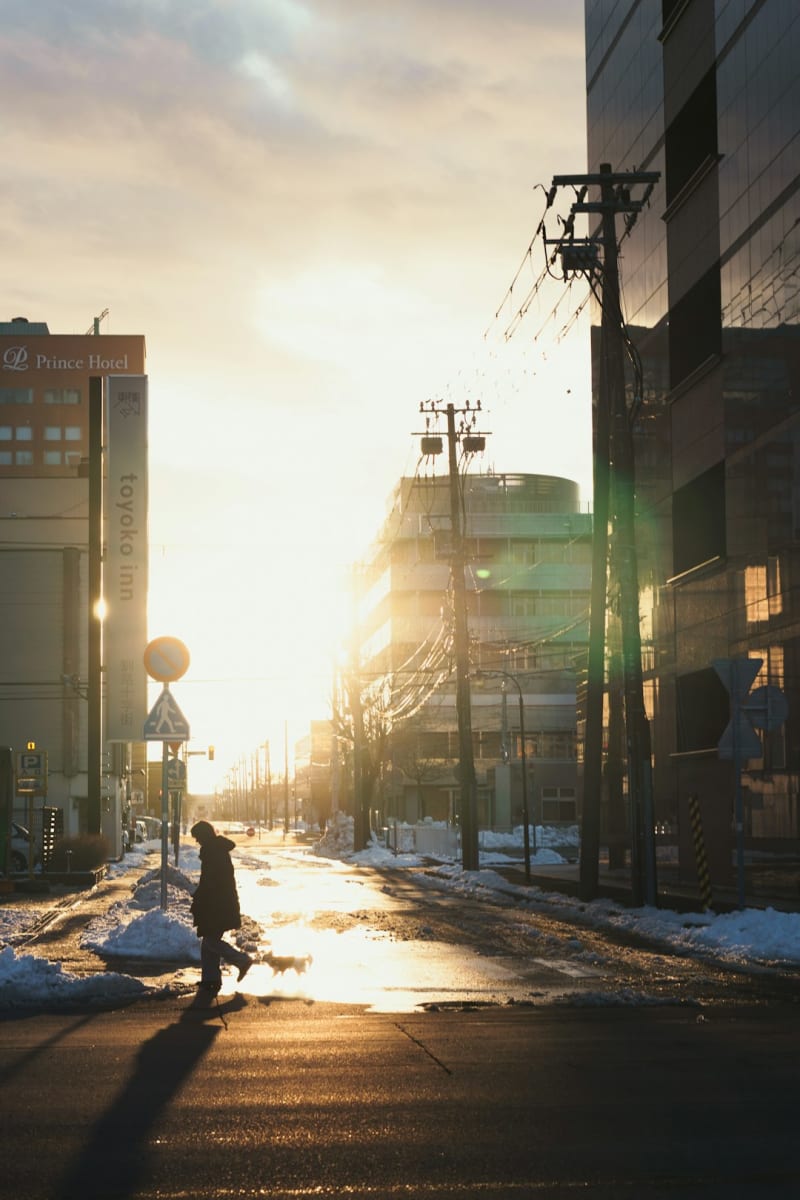
A weathered port on eastern Hokkaidō's misty coast, edged by Japan's largest marshland. Reed wetlands where red-crowned cranes dance, slow canoe mornings on a winding river, and a smoky robata tradition of grilling your own seafood over coals.
Explore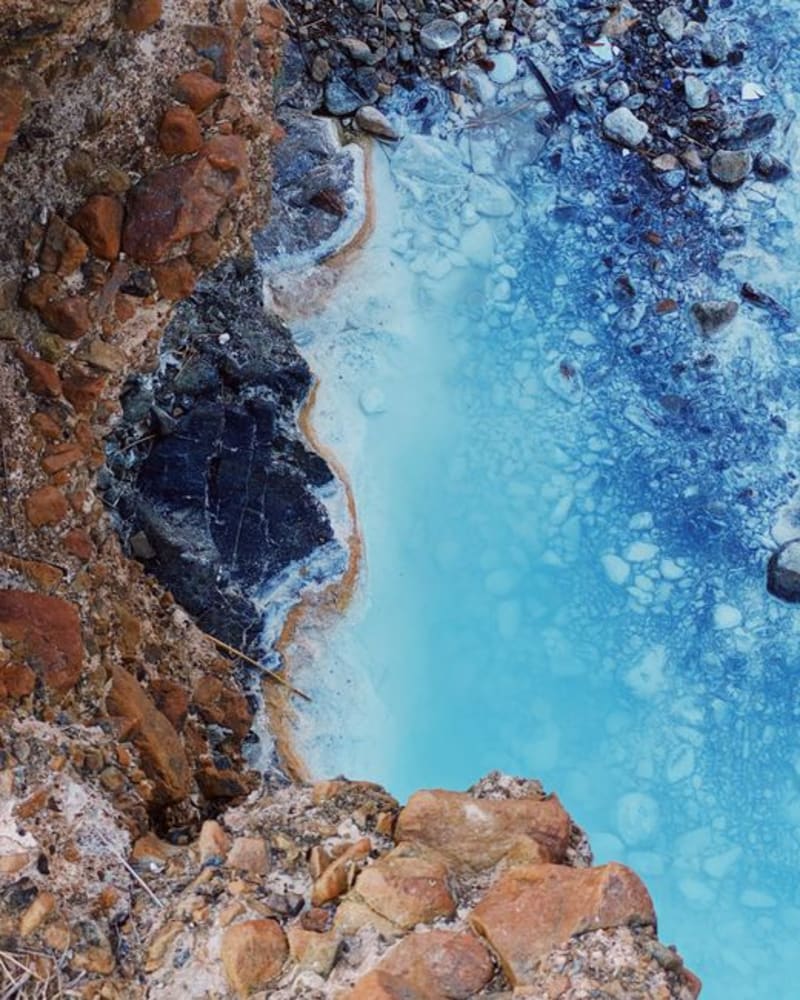 japan
japan Lake Kussharo
A vast caldera lake in eastern Hokkaido where you can dig your own hot spring in the black sand at the water's edge, and where whooper swans winter in the steaming shallows. Kussharo is enormous and generous and completely unpretentious. We soaked our feet in a hole we dug ourselves, and I've thought about it ever since.
Explore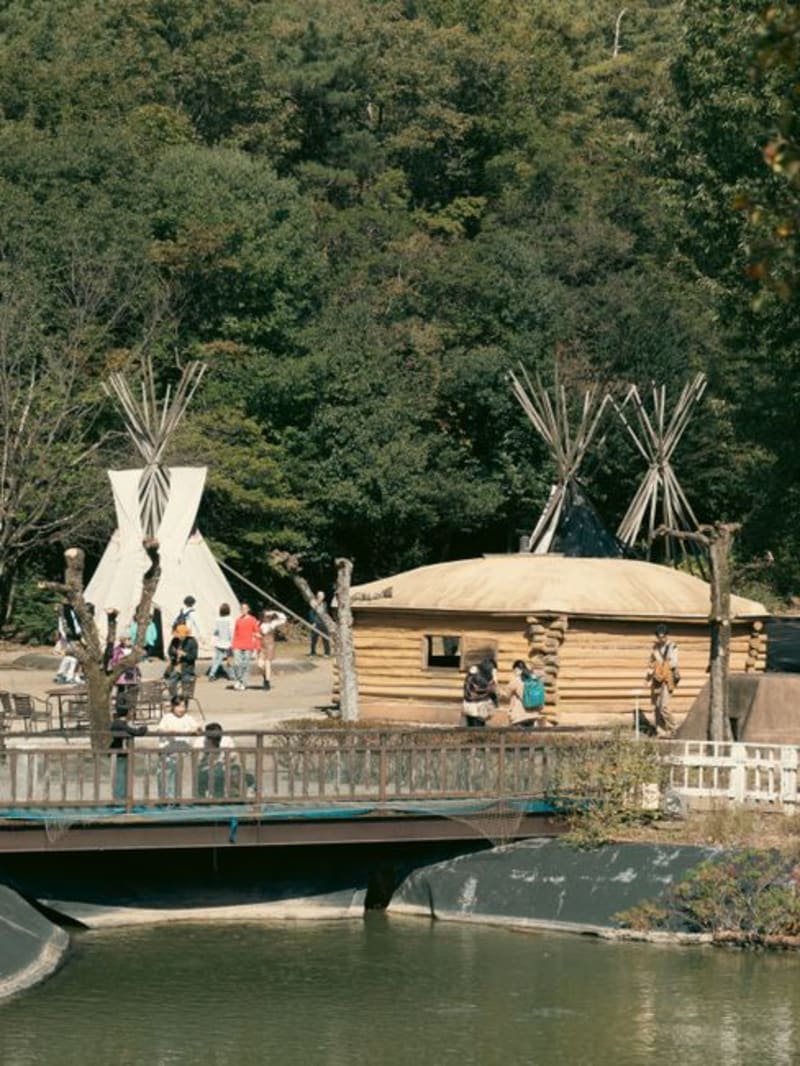 japan
japan Lake Akan
A volcanic lake in the far east of Hokkaidō where rare green algae roll into perfect velvet spheres, an Ainu village keeps its songs alive, and winter locks the whole surface into groaning ice. A place that asks you to look slowly.
Explore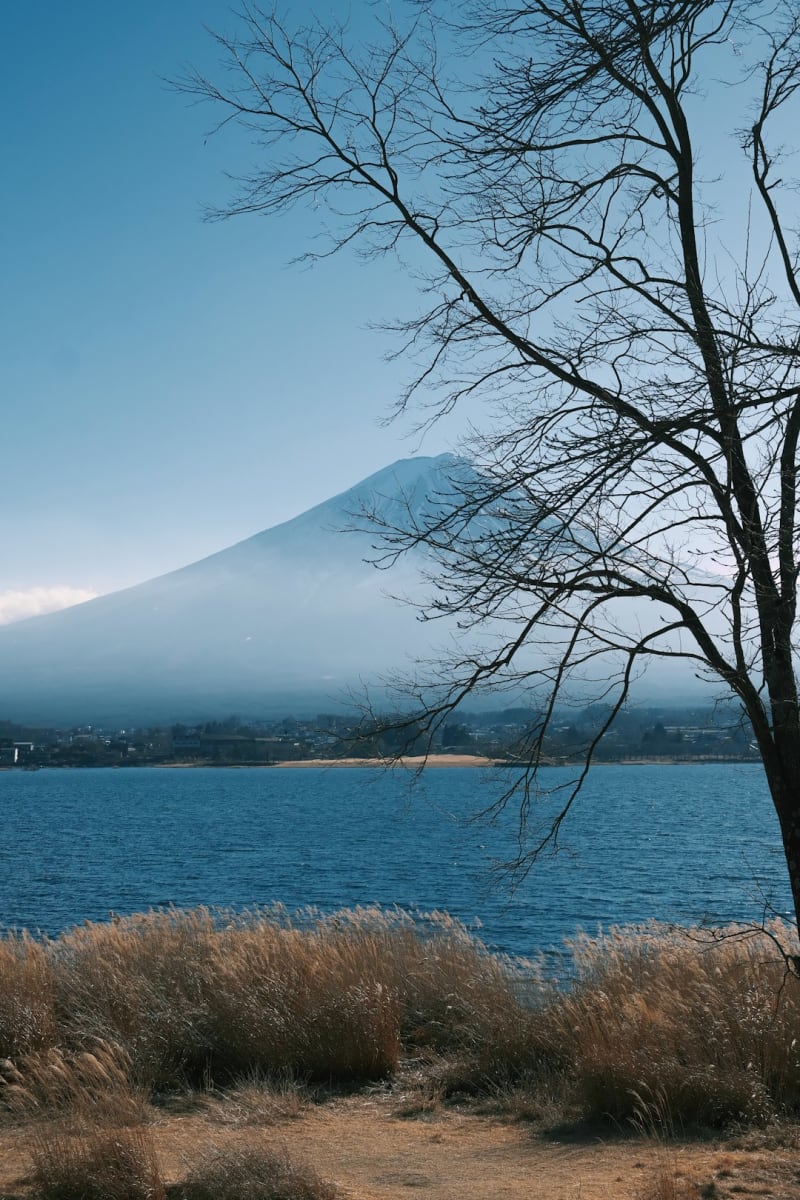 japan
japan Lake Toya
A near-perfect circular caldera lake in southwest Hokkaidō, cradling a wooded central island and ringed by hot-spring resorts. Steaming shores beneath the still-restless Mount Usu and its young sibling Shōwa-Shinzan, and fireworks blooming over the water on summer nights.
Explore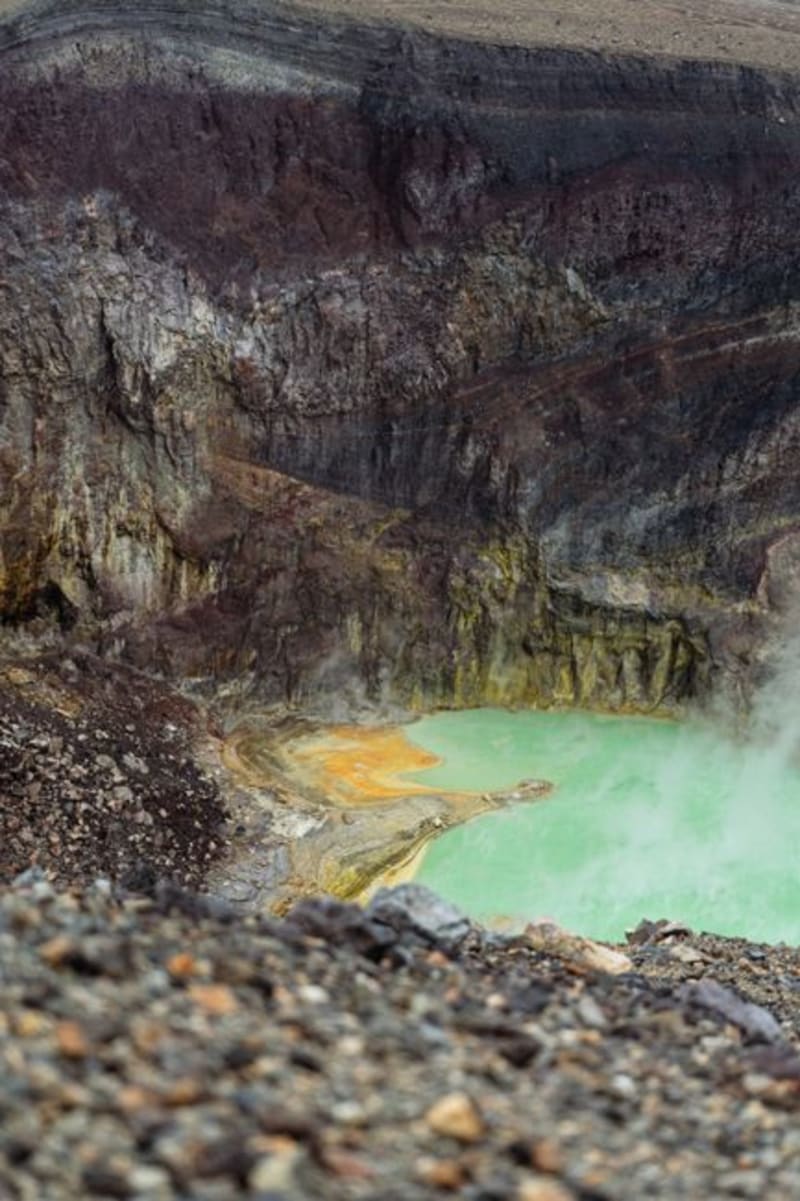 japan
japan Lake Mashu
One of the clearest crater lakes on earth, cupped in a steep caldera in eastern Hokkaido and hidden more days than not behind a wall of fog. Lake Mashu has no inlet, no outlet, and almost no way down to its water. We went twice before it showed itself, and the wait was the point.
Explore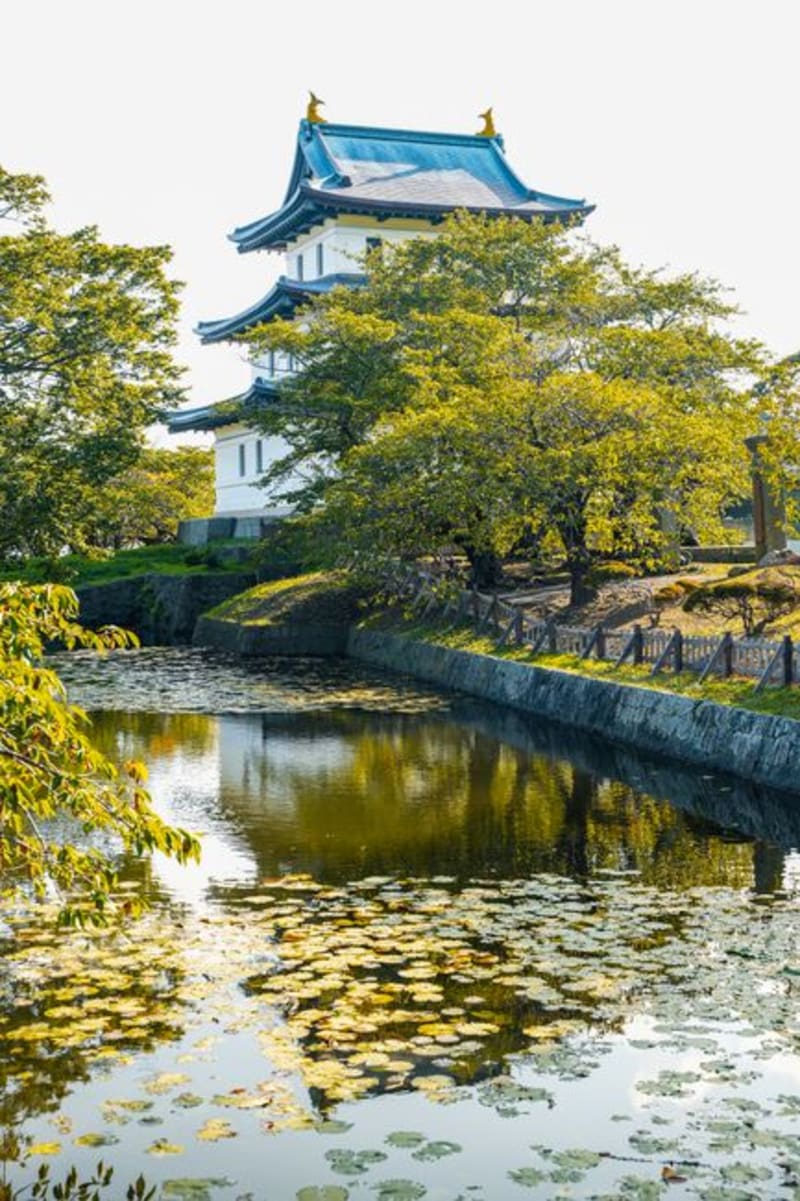 japan
japan Matsumae
Hokkaidō's only feudal castle keeps watch over a small town at the island's southern tip, where ten thousand cherry trees turn a whole spring into a slow, pink exhale. It is the far edge of a frontier that once thought of itself as the far edge of Japan. We came for the blossoms and stayed for the quiet.
Explore