A mountain town where the ancient tatara method still smelts tamahagane, the specific steel used to forge real Japanese swords, along a river valley local legend ties to Susanoo's mythic slaying of the eight-headed serpent.

We went inland to Okuizumo on the strength of a single sentence Lia read aloud from a guidebook: that this valley is one of the only places left in Japan still making steel by an ancient method, using techniques largely unchanged for centuries, to produce the specific material required to forge a real Japanese sword. Neither of us knew anything about metallurgy, but something about a living, working link to sword-making pulled us off the coast and up along the Hii River into the mountains of Shimane’s interior.
The Fire That Makes Tamahagane
The tatara method is a traditional smelting process that uses iron sand and charcoal in a clay furnace to produce tamahagane, the raw steel that traditional swordsmiths still require for authentic blades, and Okuizumo is one of the very few places in the country where it’s still practiced. We visited a small museum built around the process, with models and preserved equipment explaining how the furnace is built fresh for each smelting run and destroyed afterward to extract the steel, an almost ritual level of commitment to a single batch of material. Watching photographs of the furnace glowing at night during an actual smelting operation, I understood why swordsmiths still insist on this specific steel over anything more modern — there’s something about the deliberate, slow violence of the process that seems to matter as much as the chemistry.

A River Tied to a Serpent
The Hii River and its tributaries running through this valley are tied, in local legend, to one of Japanese mythology’s most famous stories: Susanoo’s slaying of the eight-headed, eight-tailed serpent Yamata no Orochi, after which he’s said to have found a legendary sword inside one of its tails. Locals here take the connection seriously in a way that felt different from other regions’ looser mythological claims — several spots along the river are pointed to specifically as sites from the story, and it’s hard not to notice the neat symbiosis between a valley mythologically associated with a sword-bearing serpent and a valley that, in very real terms, has produced sword-grade steel for centuries. Lia loved that overlap more than almost anything else on the whole Chugoku leg of the trip.

A Valley Still Working
Beyond the museum and the myth, Okuizumo today is a quiet, thinly populated mountain valley, its small settlements strung along the river between steep, forested slopes. We stopped at a tiny local shop for lunch, soba made from buckwheat grown in the valley, and talked briefly with the owner about how few young people remain to keep the tatara tradition alive, a concern echoed almost everywhere we went in rural Chugoku. Driving back out through the valley in the late afternoon, mist starting to settle over the ridgelines, it wasn’t hard to believe a serpent myth had been born somewhere in this exact landscape.

Getting There
Okuizumo is reached from Izumo Station by a combination of local train and bus heading inland along the Hii River, with the journey taking a while given the mountainous terrain. A car is genuinely the easier option for exploring the valley’s scattered sites, including the tatara museum and the river spots tied to the Orochi legend, since public transit here is infrequent. It works well as an inland detour if you’re already exploring the Izumo area on the San’in coast.
Keep exploring
More of Chūgoku
Keep exploring
More from Chūgoku
 japan
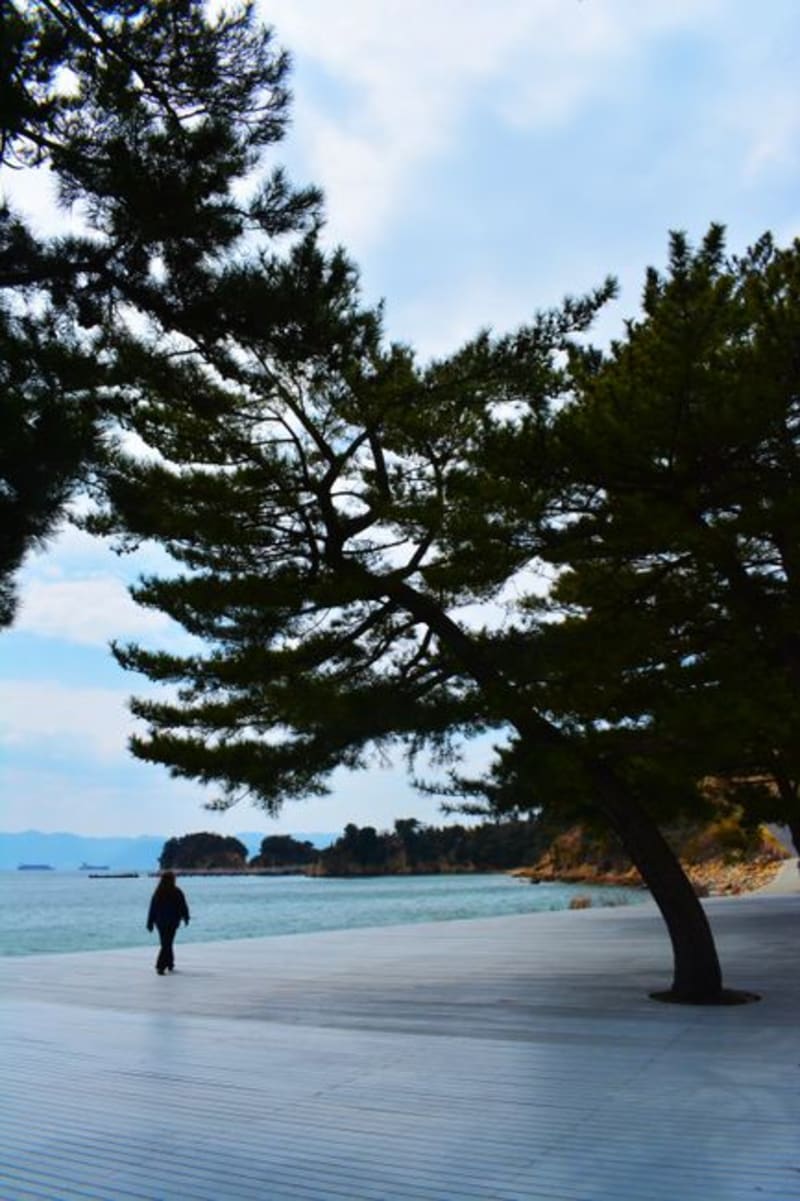
japan Okunoshima
A small green island in the Inland Sea where hundreds of wild rabbits come bounding to meet the ferry, and a dark wartime secret hides in the ruins behind them. It is absurd, joyful, and quietly sobering all at once. We arrived laughing and left thinking.
Explore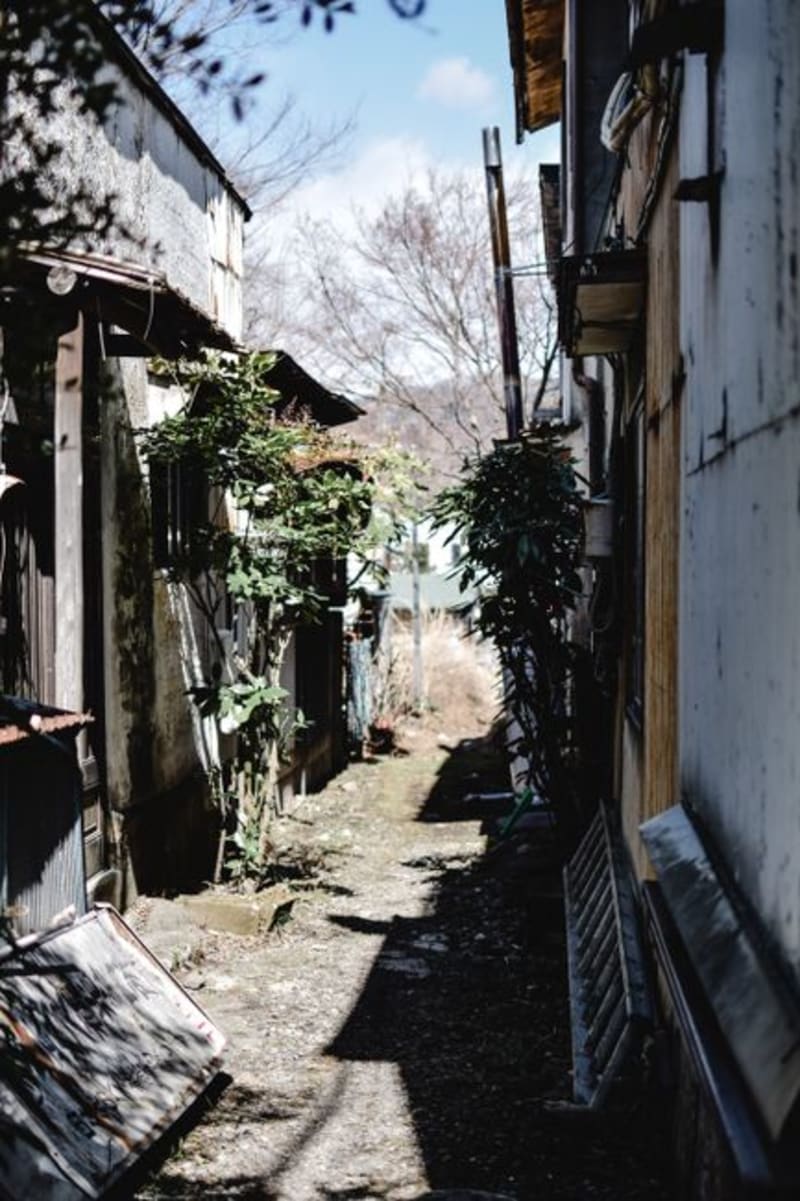 japan
japan Onomichi
A steep hillside town of temples and cat-haunted lanes above the Inland Sea strait in Hiroshima, where alleys climb between old houses to sea views — and where the Shimanami Kaidō cycle route sets off island-hopping across the water.
Explore japan
japan Sakaiminato
A fishing port on the San'in coast where a long street of bronze yokai statues leads to a manga museum devoted to horror legend Shigeru Mizuki, a few streets over from a working tuna market that never plays along with the whimsy.
Explore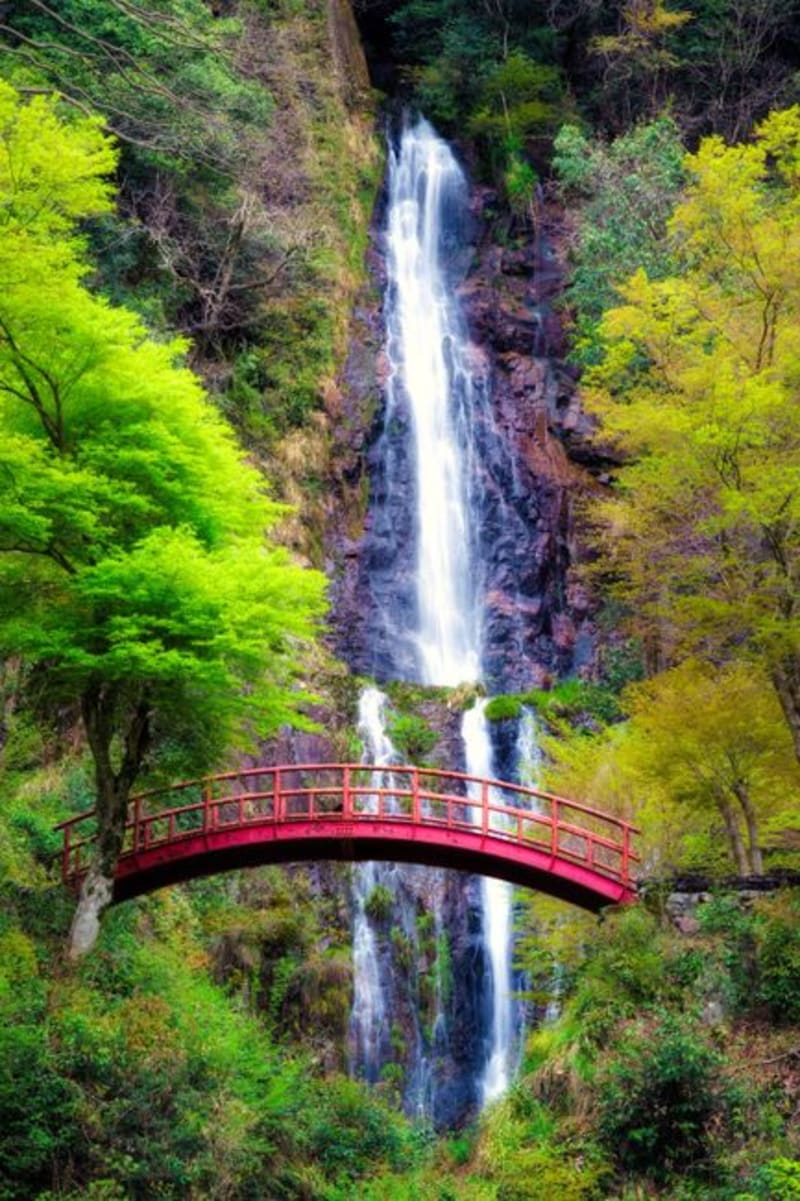 japan
japan Sandankyo
A long, cool gorge folded into the mountains of northern Hiroshima, where a clear river carves through forest past pools the color of green glass and waterfalls you reach on foot. It is a walking place, an unhurried place. We came for a stroll and stayed until our legs gave out.
Explore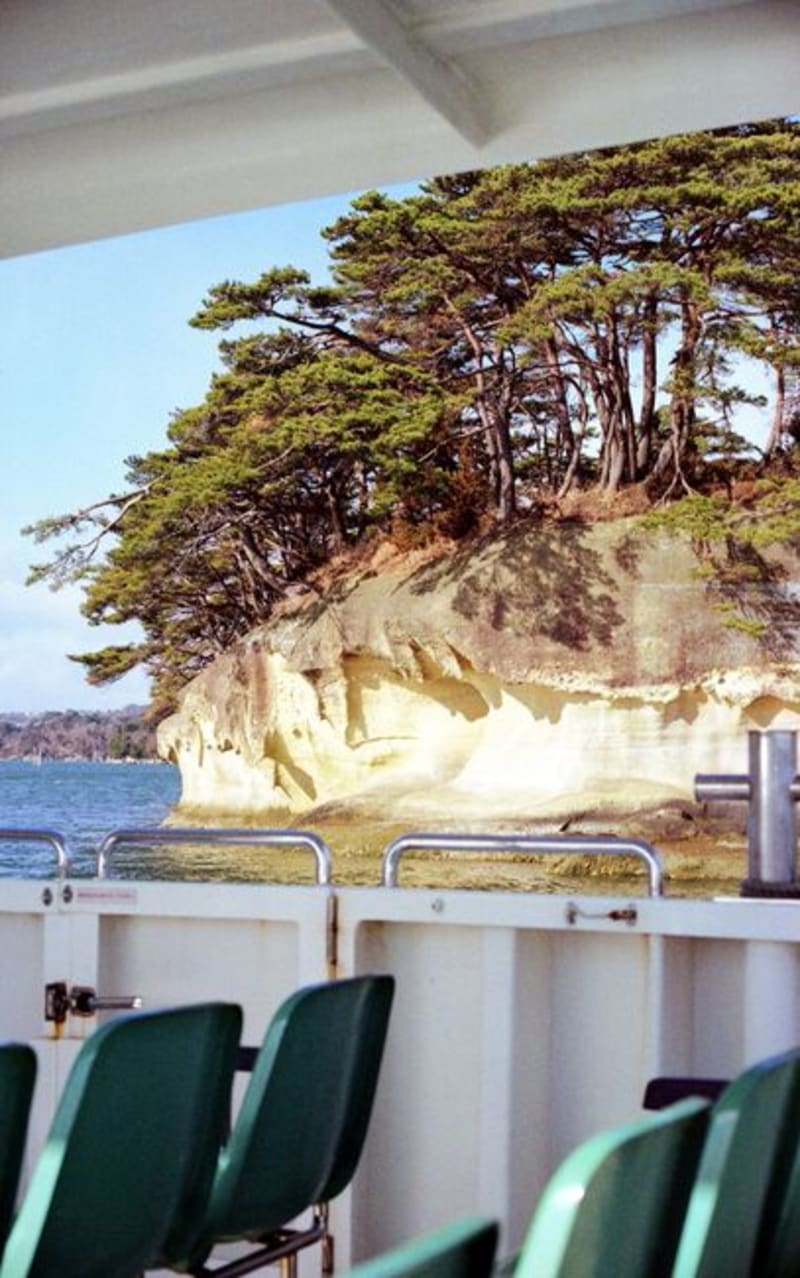 japan
japan Setoda
A lemon-scented island town on the Shimanami Kaidō cycle route, where a strange, dazzling temple was built by one man to honour his mother. The Seto Inland Sea glitters between the bridges, and the whole place smells of citrus and salt. We rolled in on rented bikes and didn't want to leave.
Explore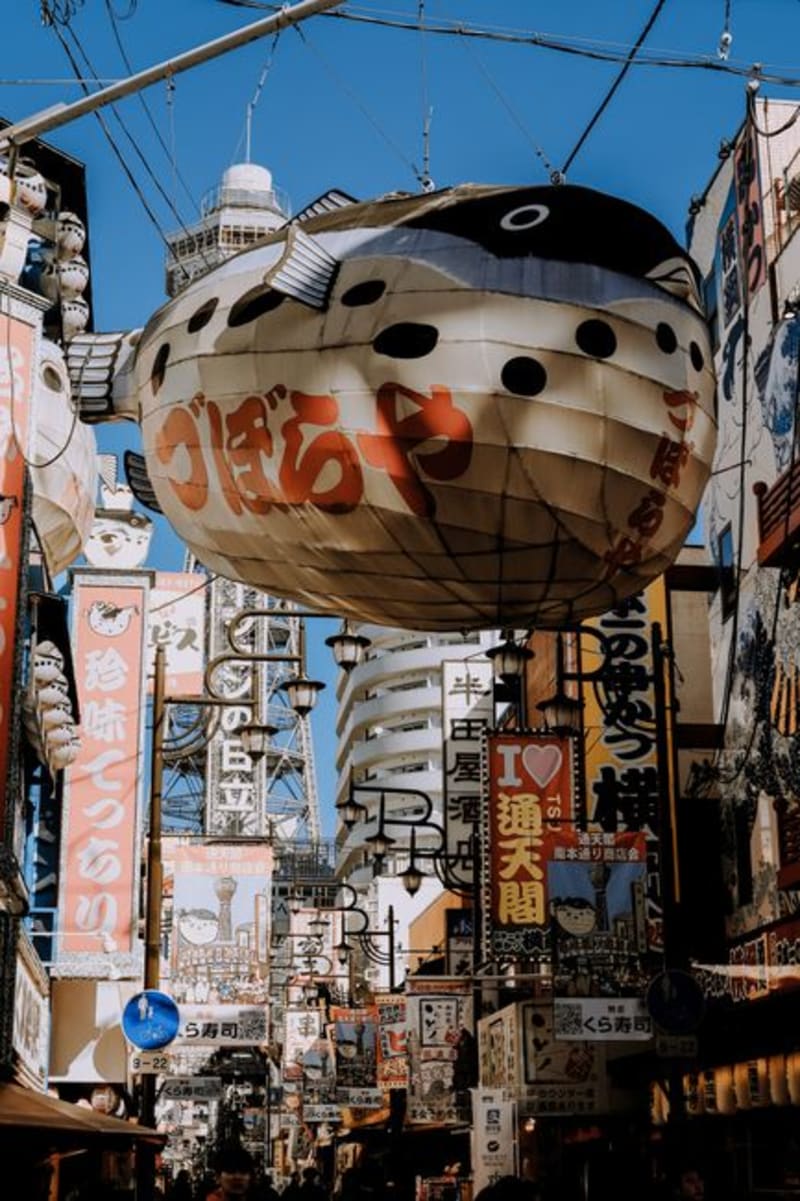 japan
japan Shimonoseki
The far western tip of Honshū, a port city that lives and breathes pufferfish and looks across a narrow, ship-thronged strait at Kyūshū. We came to eat the fish that can kill you and stayed for the strange thrill of walking under the sea to another island. The current here runs fast, and so does the history.
Explore