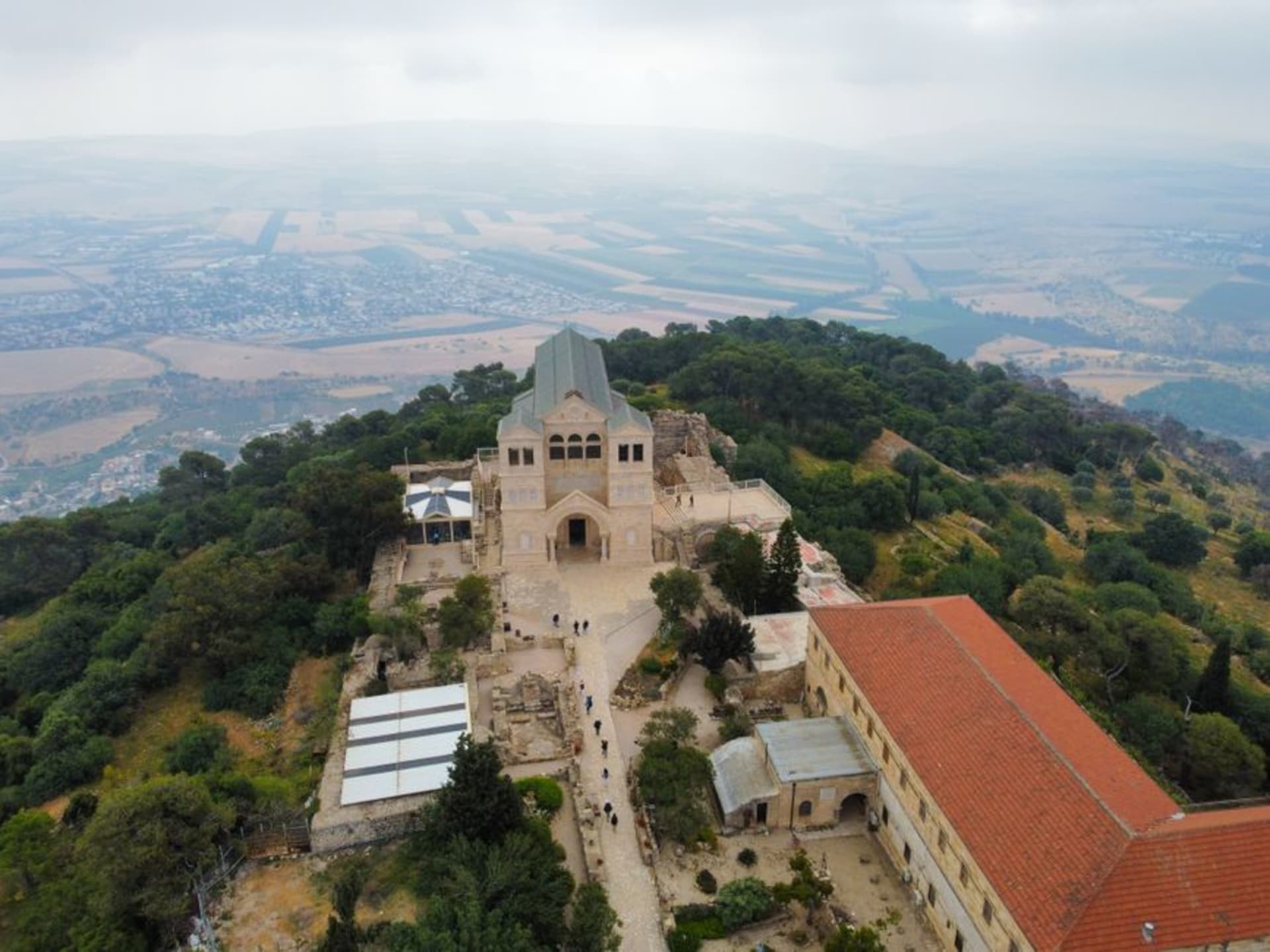
Mount Tabor
"You see it from twenty kilometers away and it doesn't look real. A perfect green dome sitting alone in a flat valley, like the landscape forgot to fill in around it."
A near-perfect dome-shaped mountain rising abruptly from the Jezreel Valley, crowned by a Franciscan basilica marking the traditional site of Christ's Transfiguration.

I first noticed Mount Tabor from the window of a bus crossing the Jezreel Valley, and I remember thinking it looked almost artificial — a smooth, symmetrical dome rising nearly six hundred meters straight out of otherwise flat farmland, with no ridge or foothill leading up to it, just fields and then suddenly a mountain. I made a note to come back, and a few days later I did, taking one of the small shared taxis that ferry pilgrims up the switchbacking road because the ascent is too steep and narrow for most private cars to navigate comfortably.
The mountain has been sacred to multiple traditions for millennia, but what draws most visitors today is the Basilica of the Transfiguration at the summit, built by the Italian architect Antonio Barluzzi in the 1920s on the site where Christian tradition holds that Jesus was transfigured before Peter, James, and John. The basilica itself is striking — twin towers representing Moses and Elijah flanking a central nave, built partly from the stones of earlier Byzantine and Crusader churches whose ruins are still visible in the surrounding gardens. I walked the grounds slowly, past olive trees and low stone walls, before stepping inside to a cool, dim interior where the light through the apse mosaic turned genuinely golden in the early afternoon.

What I hadn’t expected was the view. From the terraces around the basilica, the Jezreel Valley spreads out in a patchwork of cultivated fields that stretches to the hills of Nazareth in one direction and toward the Sea of Galilee in the other — a genuinely sweeping panorama that made it obvious why armies fought over this valley for thousands of years, from Deborah and Barak’s biblical battle against Sisera to Napoleon’s campaign in 1799. Standing at the edge, wind picking up, I could see storks circling on thermals below the summit, riding the same currents that farmers below were probably cursing for kicking up dust over their crops.

A small Greek Orthodox monastery sits nearby, quieter and less visited, its monks tending a garden that felt worlds away from the busloads of pilgrims arriving at the Franciscan basilica a few hundred meters off. I sat there for twenty minutes with nobody else around, which after a week of crowded holy sites felt like its own small pilgrimage.
When to go: Spring, when the valley below turns green and wildflowers cover the lower slopes, gives the best contrast against the summit views. Arrive early to beat both the heat on the exposed switchback road and the mid-morning pilgrim buses.
Keep exploring
More from Israel
 israel
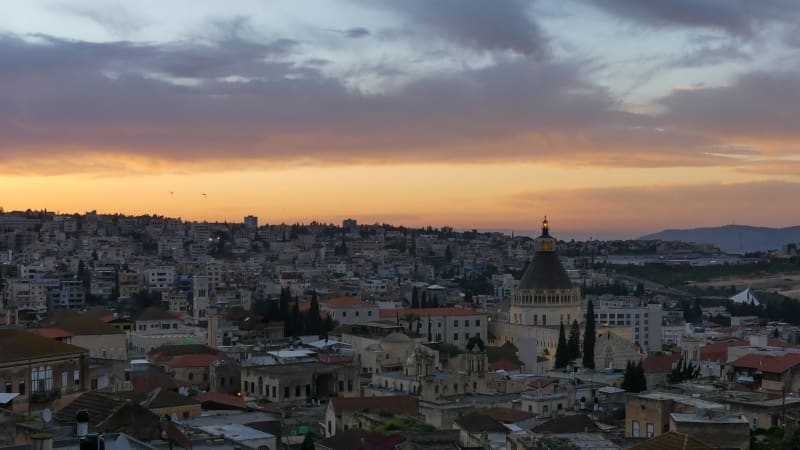
 Nazareth
Israel's largest Arab city is a dense, loud, delicious place where a thriving food scene and layered religious history compete for your attention across cobbled Ottoman-era alleys.
Explore israel
 Negev Desert
The vast crater of Ramon Makhtesh and a desert full of ancient Nabataean trade routes and star-filled skies.
Explore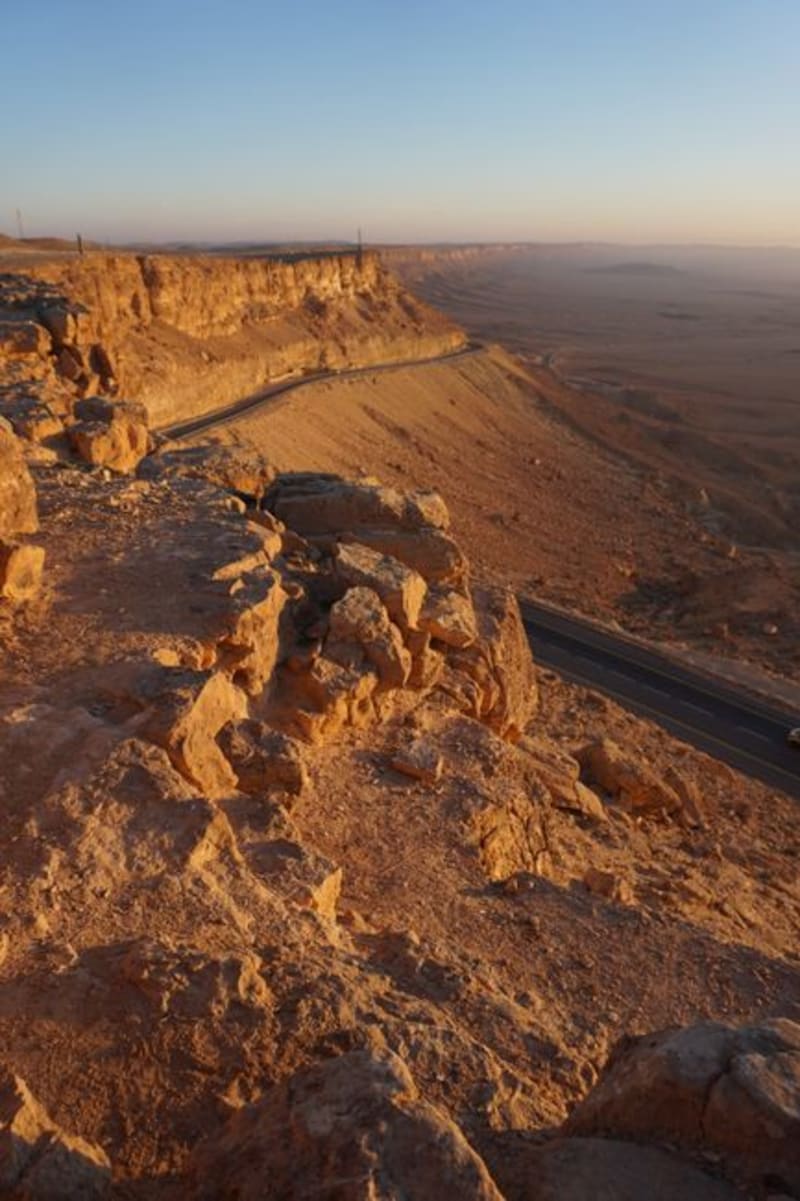 israel
 Ramon Crater
The world's largest erosion crater cuts a forty-kilometer gash through the Negev Desert, its striped rock walls revealing 200 million years of geology and its skies dark enough for an official night-sky reserve.
Explore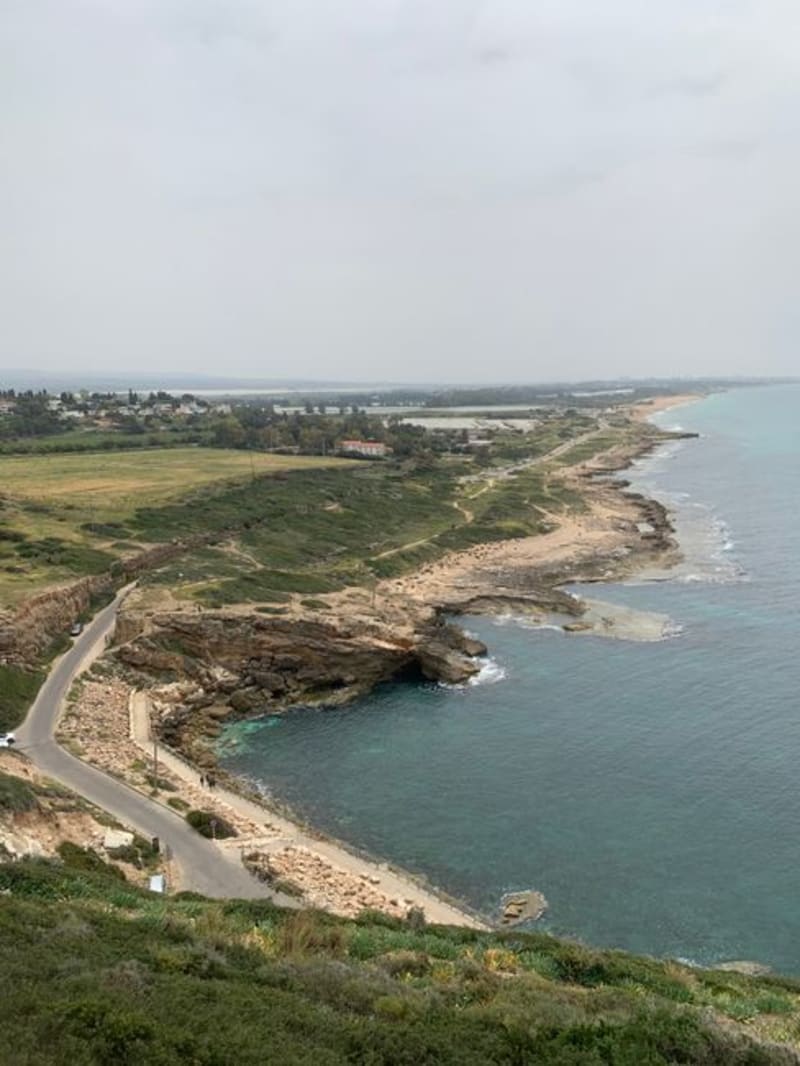 israel
 Rosh Hanikra
Chalk-white cliffs at Israel's northern border hide sea grottoes carved by two million years of Mediterranean waves, reached by the steepest cable car I've ridden anywhere.
Explore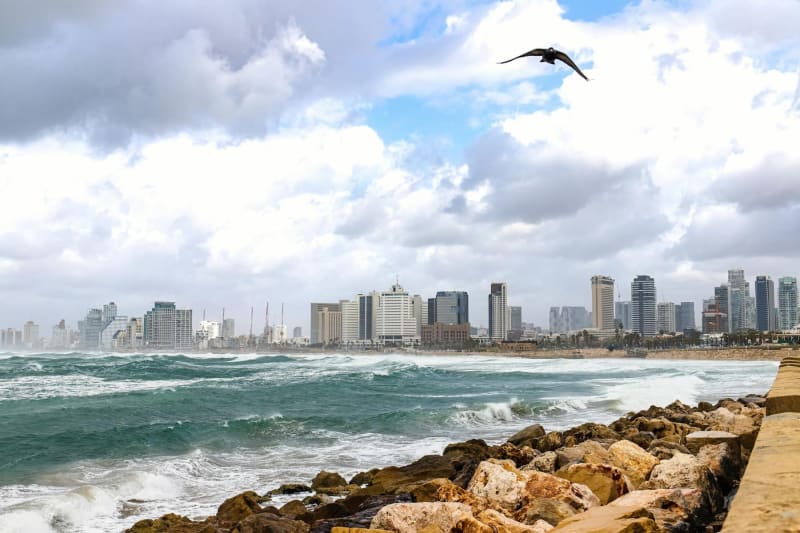 israel
 Tel Aviv Beach
Fourteen kilometres of sandy Mediterranean shoreline, backed by Bauhaus architecture and non-stop energy.
Explore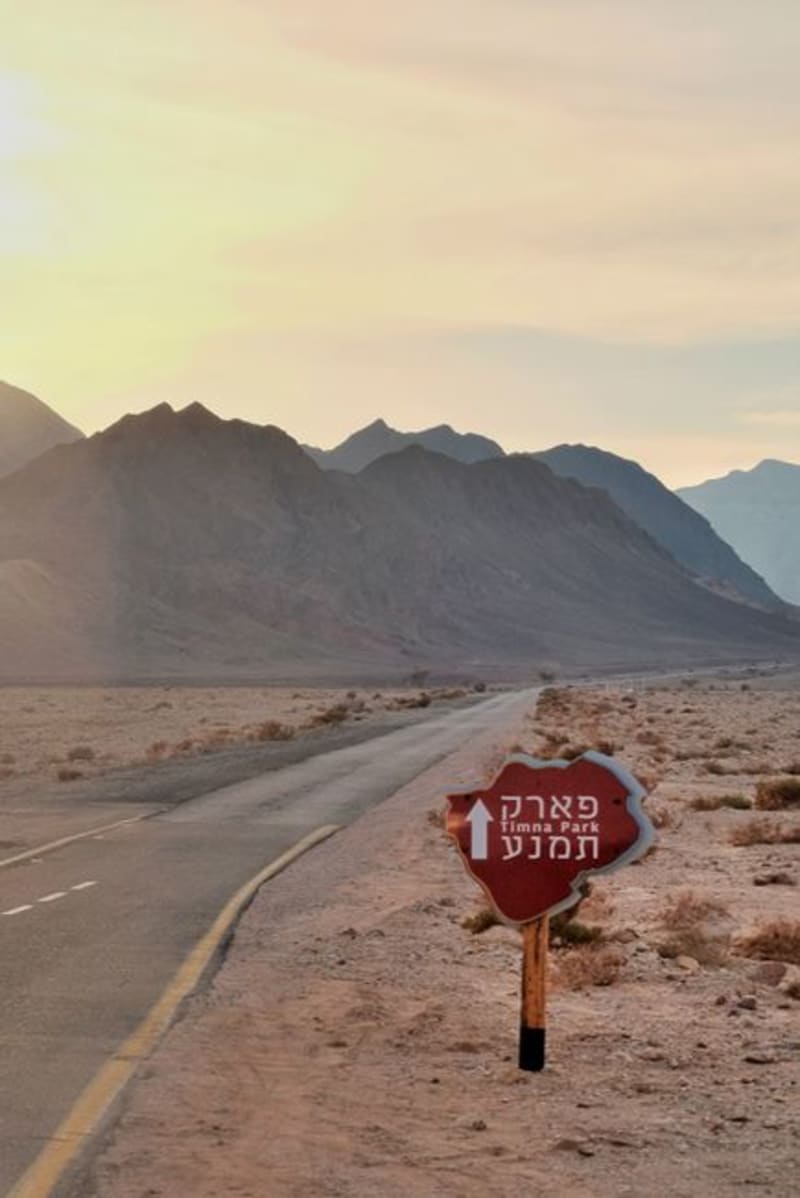 israel
 Timna Park
A desert valley near Eilat holding the world's oldest copper mines and sandstone formations sculpted into arches and towering pillars, still carrying the name of the biblical King Solomon though he likely never mined here.
Explore