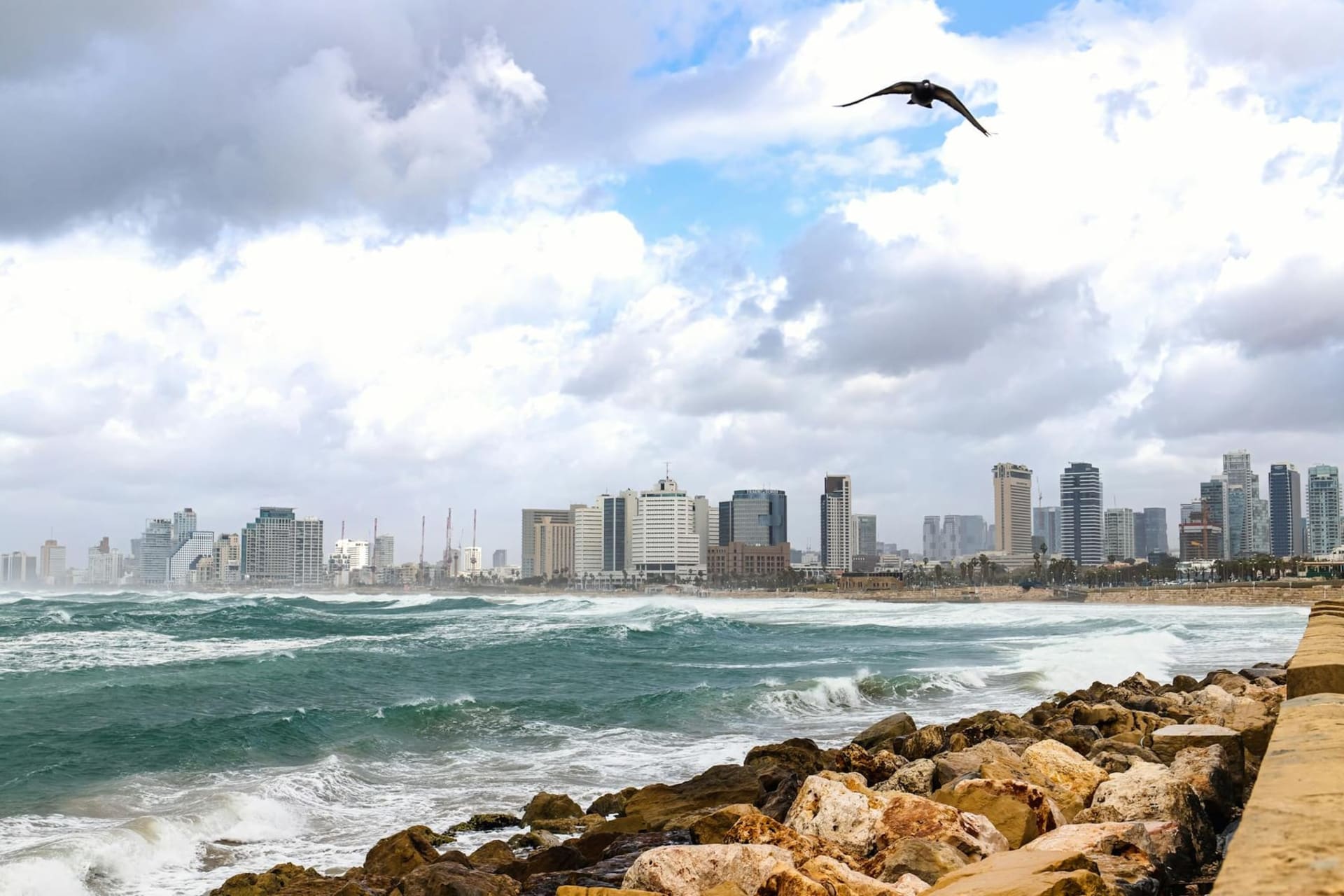
Fourteen kilometres of sandy Mediterranean shoreline, backed by Bauhaus architecture and non-stop energy.

I arrived at Gordon Beach on a Thursday morning and immediately understood that Tel Aviv has no concept of a slow day. The promenade was already dense with cyclists, dog-walkers, and a pair of men playing matkot — the paddle-ball game that sounds like a pistol going off every few seconds — and behind them, a row of Bauhaus apartment blocks stood in the chalky sun, their ribbon windows and rounded balconies still somehow elegant after eight decades of salt air.
The Light Does Something Different Here
The Mediterranean light in Tel Aviv is not the soft, watercolor light of the south of France. It is direct and honest, almost confrontational. By nine in the morning it is already carving hard shadows beneath every balcony on Hayarkon Street. I found a plastic chair at a kiosk near the Hilton Beach and ordered a Turkish coffee and a bourekas — flaky pastry stuffed with salty white cheese — and sat watching the city wake up sideways, facing the water rather than itself. The smell was a specific mixture: sunscreen, espresso, and something faintly mineral coming off the sea.
Lia found me there an hour later, already having walked the full stretch south to Banana Beach and back. She said the sand changes color as you go — pale gold near the marina, darker and coarser by the time you reach Jaffa — and that she had counted at least four different languages in a single stretch of twenty metres.
The Detail That Caught Me Off Guard
What I had not anticipated was how seriously Tel Aviv takes its sunsets as a collective event. Around six in the evening, the beach fills again after the midday emptying — not with tourists but with locals dragging folding chairs to the waterline. Families, couples, whole friend groups. No phones out, or at least fewer than you’d expect. Just people watching the sun drop into the water with the shared silence of something almost liturgical. A lifeguard climbed down from his tower and stood at the edge of the foam to watch it too.
Between the Water and the City
The promenade between Nordau Beach and the Charles Clore Park is where the beach stops being a beach and starts being a neighborhood. Outdoor gym equipment, concrete ping-pong tables, a small outdoor bar that seemed to operate entirely on the honor system. The architecture pressing in from Rothschild Boulevard a few streets back — all that 1930s German rationalism transplanted to the Levant — makes the whole coastline feel like an accident of history that somehow worked out.
When to go: April through June offers warm water and bearable crowds before the high-summer crush; October and November bring the sea back to a quieter version of itself, with temperatures still comfortable enough to swim.
Keep exploring
More from Israel
 israel
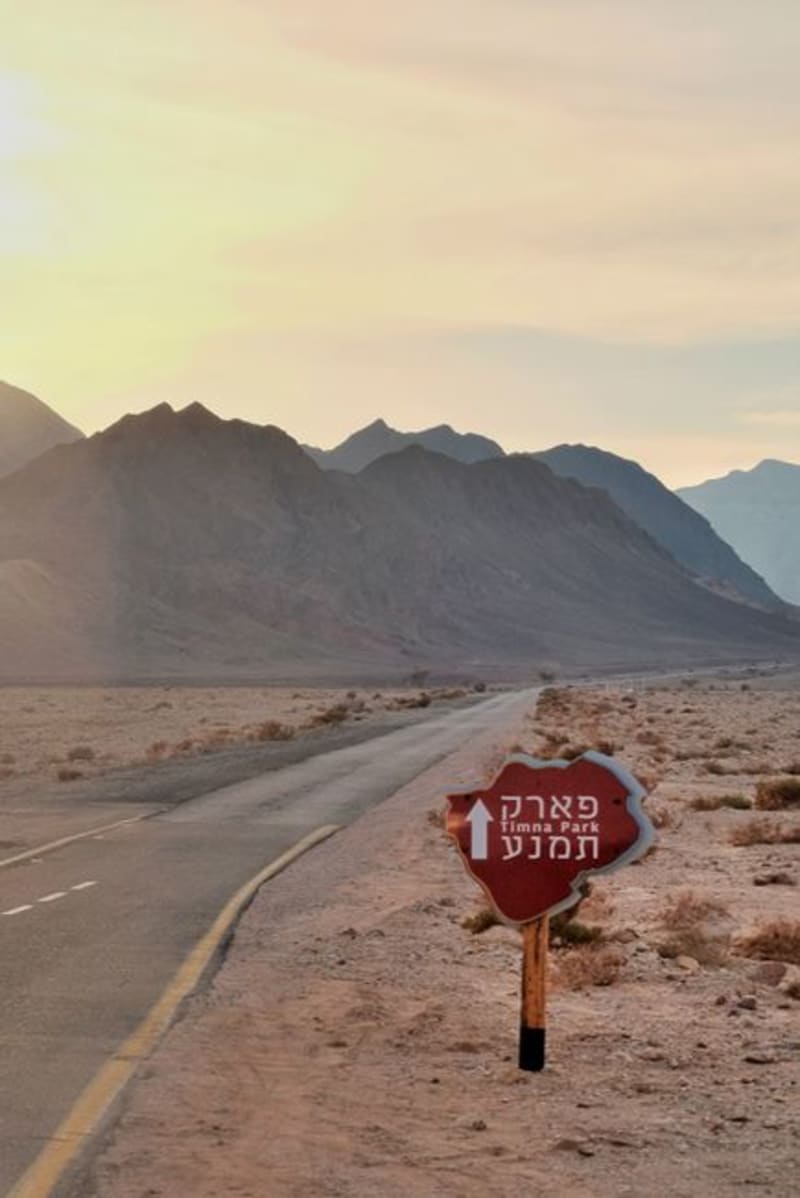
 Timna Park
A desert valley near Eilat holding the world's oldest copper mines and sandstone formations sculpted into arches and towering pillars, still carrying the name of the biblical King Solomon though he likely never mined here.
Explore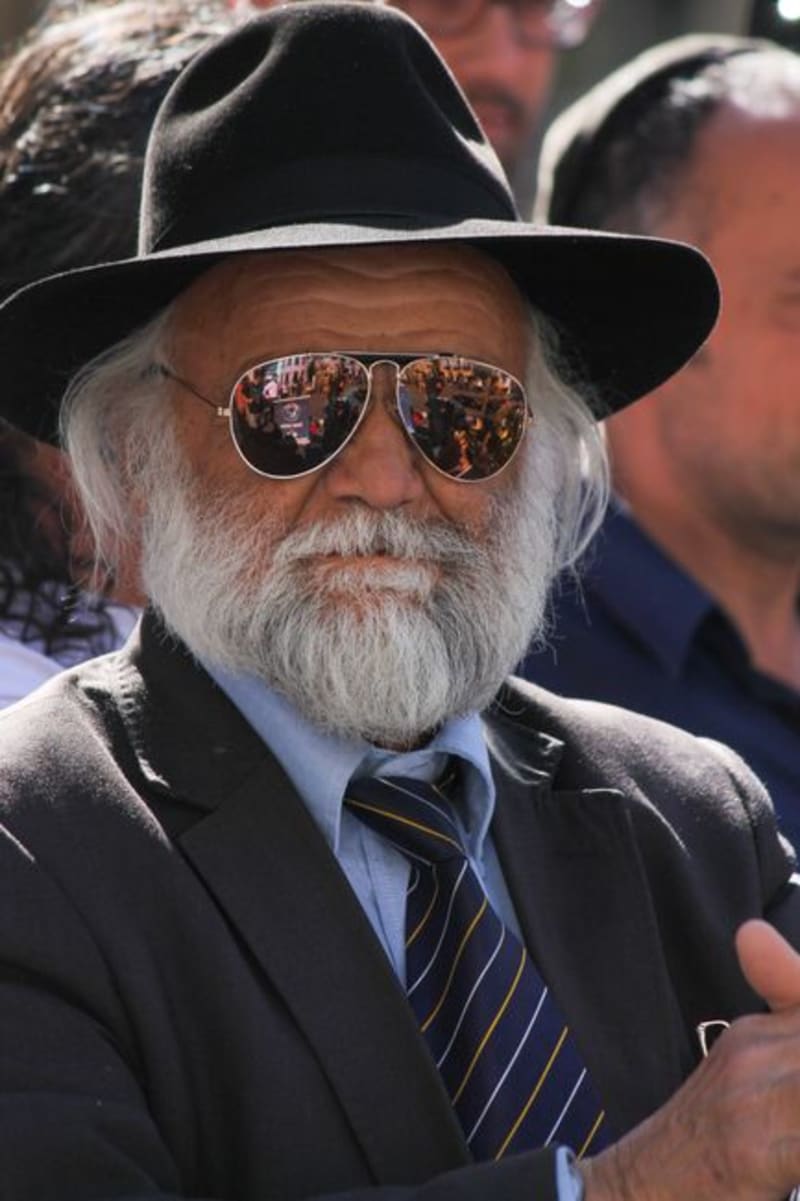 israel
 Tzfat
A blue-doored mountain town in the Upper Galilee where Kabbalah was born in the sixteenth century and every alley of the old artists' quarter still feels faintly mystical.
Explore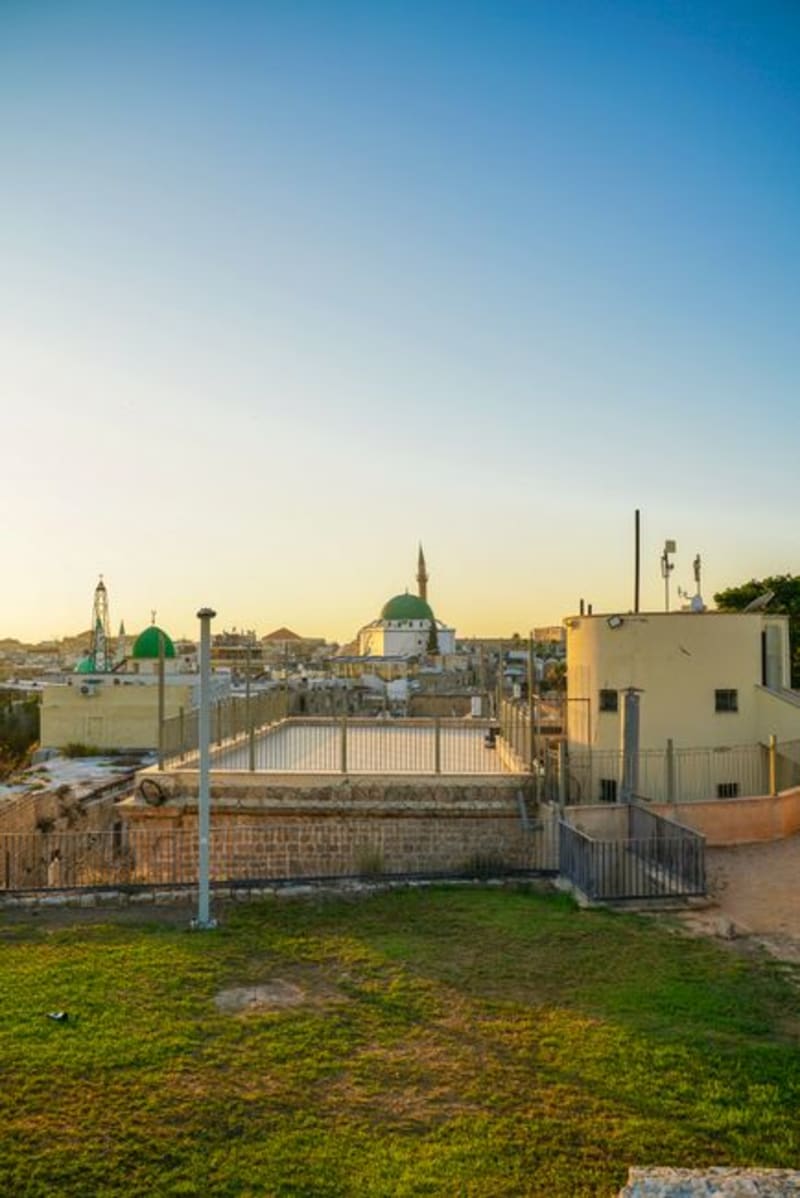 israel
 Akko
A walled Crusader port city where subterranean stone halls sit beneath a living Arab market, and the call to prayer echoes off Ottoman ramparts built on Templar bones.
Explore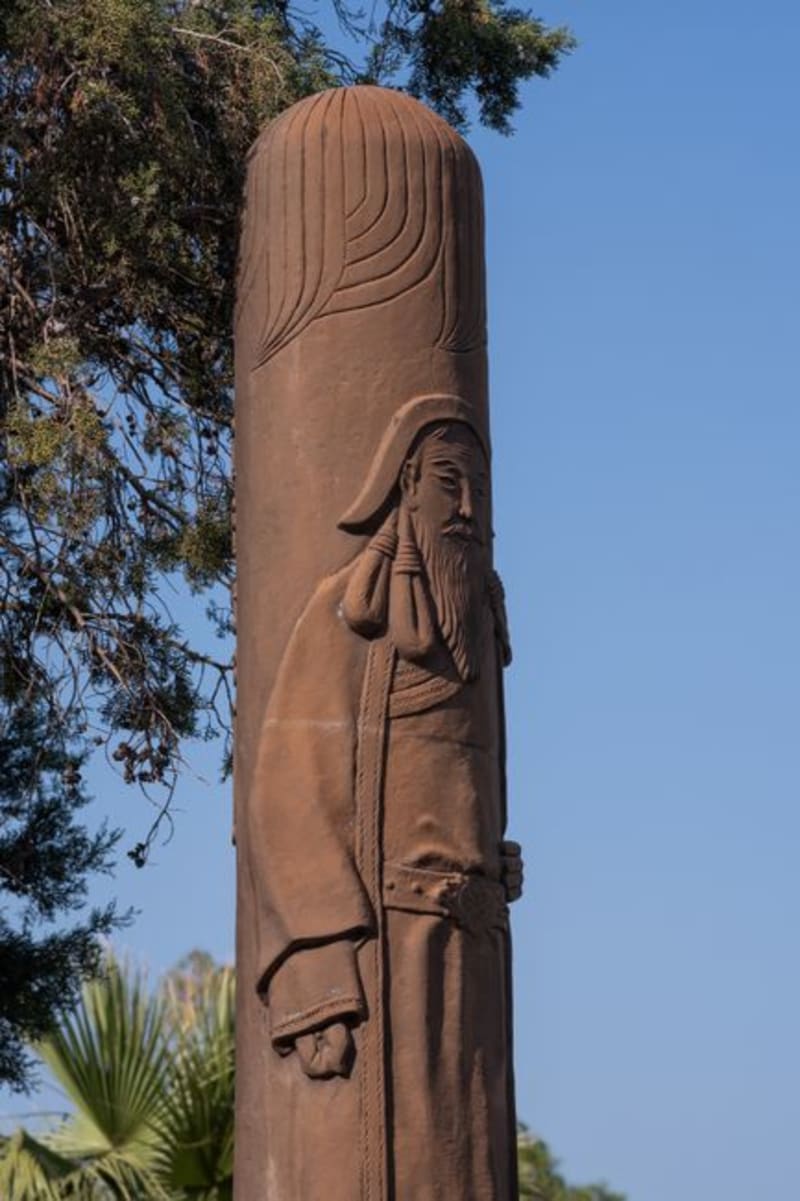 israel
 Ashkelon
A coastal park south of Tel Aviv layering Philistine ramparts, Roman columns, and a Crusader wall over a beach that's been fought over for three thousand years, now mostly used by joggers and picnicking families.
Explore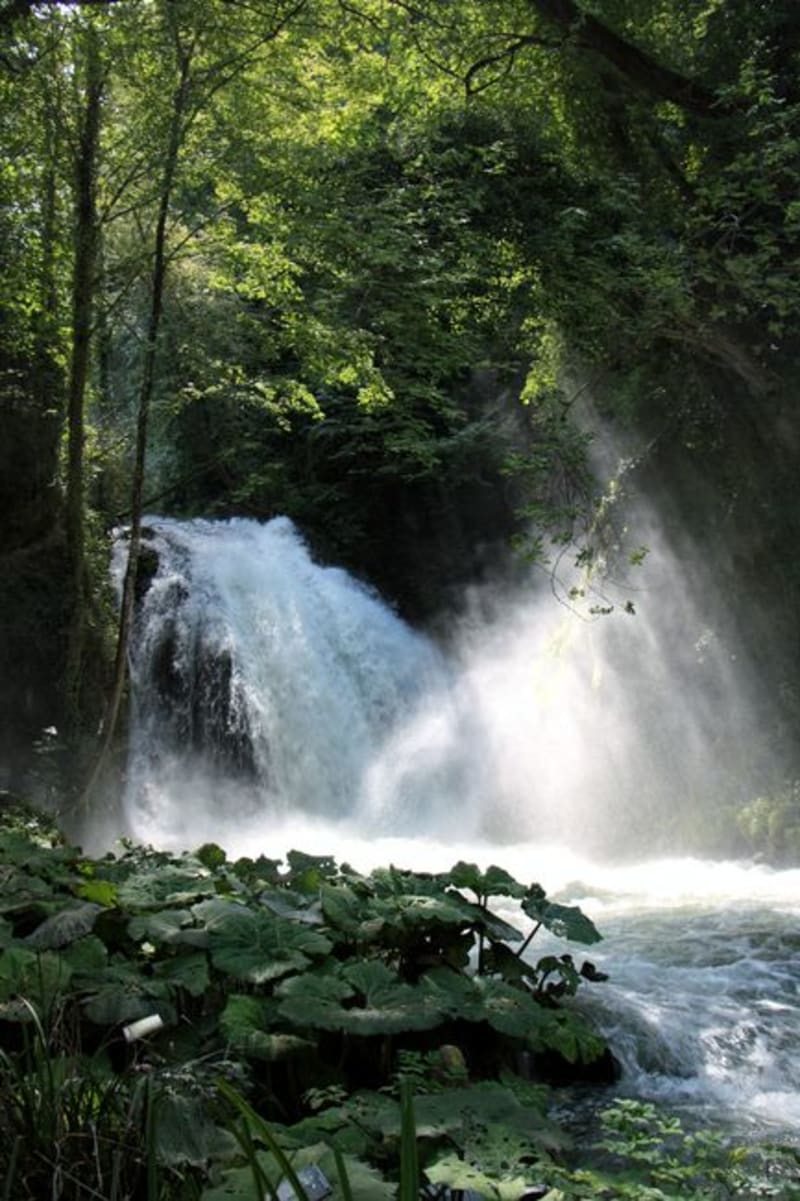 israel
 Banias
A spring-fed nature reserve at the foot of Mount Hermon where the Jordan River's largest source crashes over a waterfall past the ruined niches of an ancient shrine to the god Pan.
Explore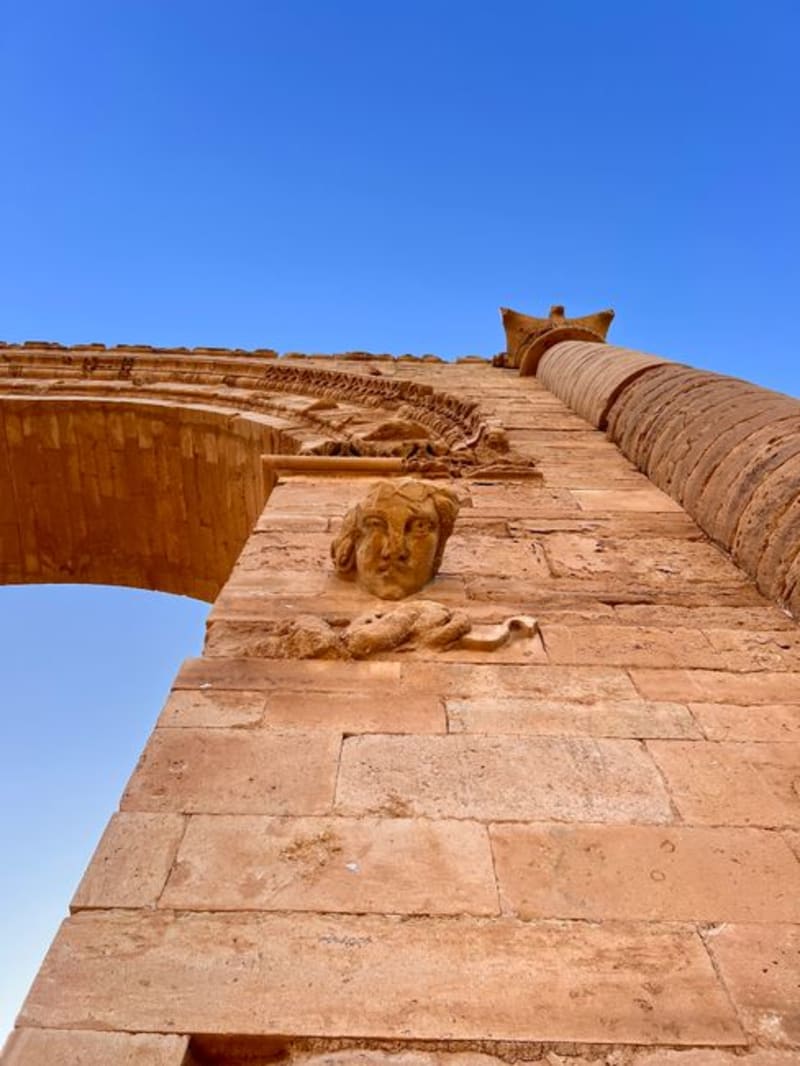 israel
 Beit She'an
The best-preserved Roman city in Israel, its colonnaded main street and 7,000-seat theater buried intact by a single catastrophic earthquake in 749 CE and excavated back into daylight.
Explore