Masada
"I climbed in the dark so I could watch the sun come up over Jordan from the top of a mass grave and a palace at the same time."
A fortress palace on a desert plateau above the Dead Sea, where Herod built pleasure gardens and centuries later nearly a thousand Jewish rebels chose death over Roman capture.
I set my alarm for 4 a.m., which is not a thing I do voluntarily, but everyone I’d met in Jerusalem insisted the sunrise hike up the Snake Path was non-negotiable, and for once the consensus advice was completely correct. I started climbing in near-total darkness, headlamp bouncing off pale rock, sweating despite the pre-dawn chill, and reached the summit just as the sky over the Jordanian mountains across the Dead Sea began turning that deep orange-pink that no photo ever quite captures.
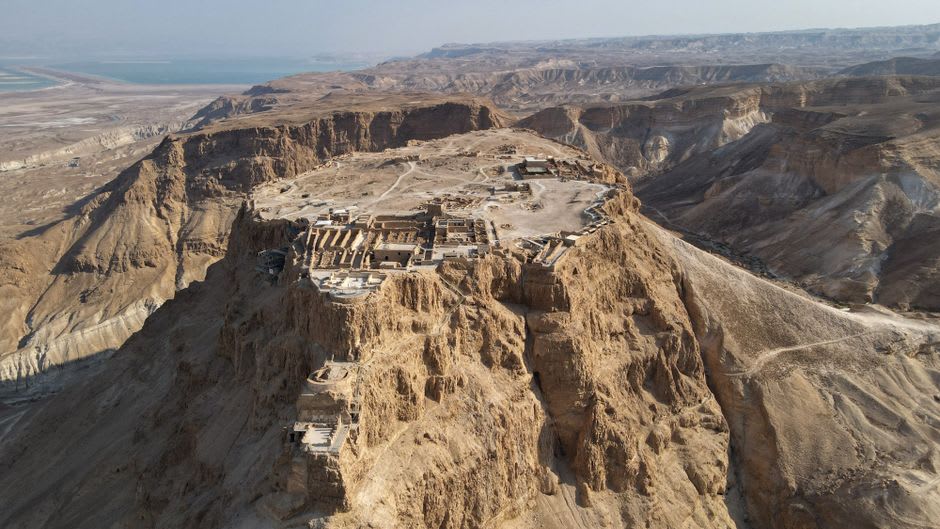
Masada’s history is the kind that makes you reconsider what “impressive” means. Herod the Great built it as a fortified palace complex in the first century BCE, an absurd feat of engineering on top of an isolated desert mesa — bathhouses, storerooms, a three-tiered palace cascading down the northern cliff face just for the view. But it’s the ending that everyone remembers: in 73 CE, after the fall of Jerusalem, nearly a thousand Jewish rebels held out here against a Roman siege for months. When defeat became inevitable, according to the historian Josephus, they chose collective suicide rather than surrender. Walking the exposed ridge where the siege ramp still climbs from the desert floor, built by Roman soldiers under a scorching sun, put a very different weight on the pretty views I’d been snapping ten minutes earlier.
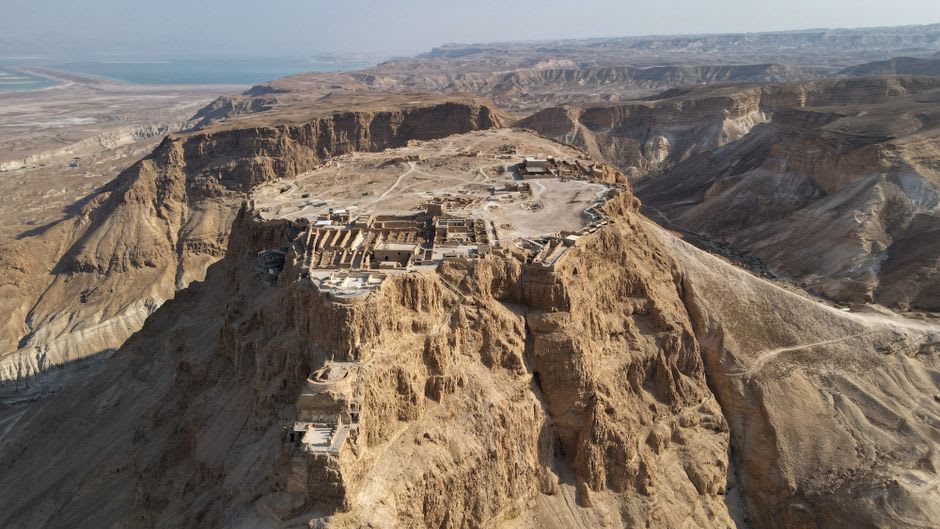
What surprised me most was how well-preserved the site is — Roman siege camps are still visible as rectangular outlines in the desert floor below, untouched for two thousand years because nothing out here rots or erodes quickly. I stood at the edge of the northern palace, looking down at that dizzying three-level drop, and tried to imagine Herod’s court lounging there with wine while soldiers watched the horizon for threats that, centuries later, would prove entirely justified.
By 8 a.m. the heat was already serious, and by the time I took the cable car back down — infinitely easier than the Snake Path, no shame in it — busloads of tour groups were arriving in the punishing midday sun, sweating through polo shirts. I felt smug in a way I probably shouldn’t have.
When to go: Go for sunrise, always, and go between October and April when the desert heat won’t turn the climb into a survival exercise. Bring more water than you think you need — there is exactly zero shade on the Snake Path.
Keep exploring
More from Israel
 israel
 Mount Tabor
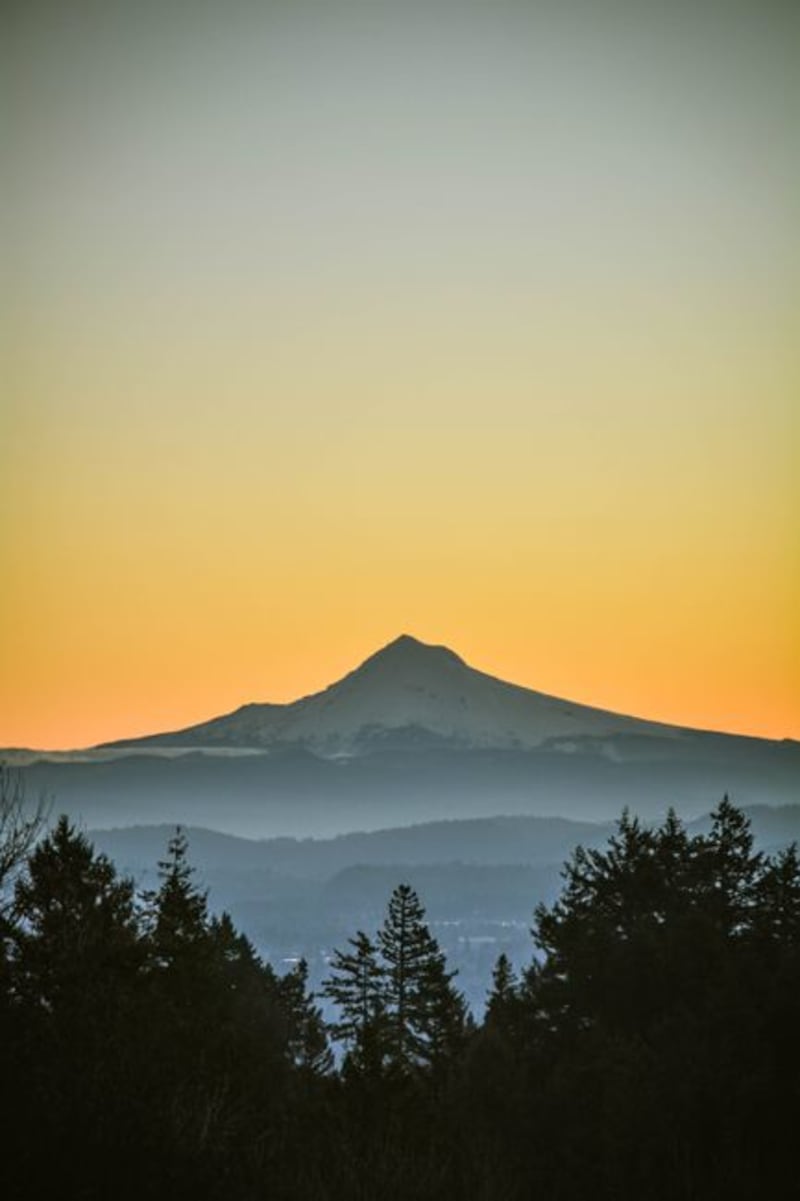
A near-perfect dome-shaped mountain rising abruptly from the Jezreel Valley, crowned by a Franciscan basilica marking the traditional site of Christ's Transfiguration.
Explore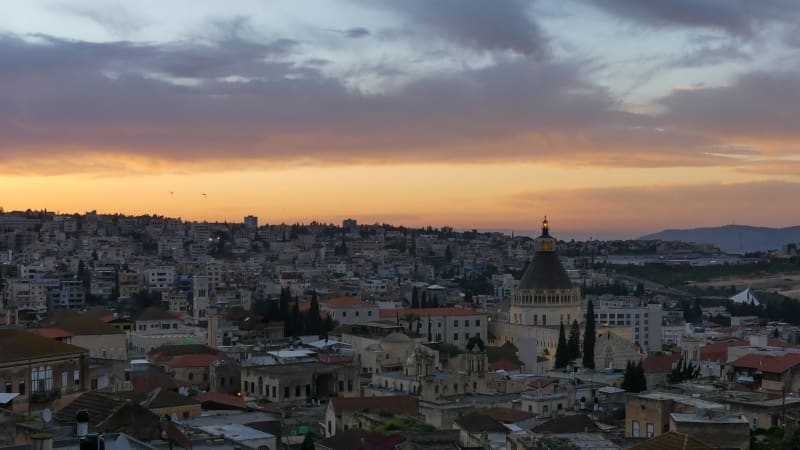 israel
 Nazareth
Israel's largest Arab city is a dense, loud, delicious place where a thriving food scene and layered religious history compete for your attention across cobbled Ottoman-era alleys.
Explore israel
 Negev Desert
The vast crater of Ramon Makhtesh and a desert full of ancient Nabataean trade routes and star-filled skies.
Explore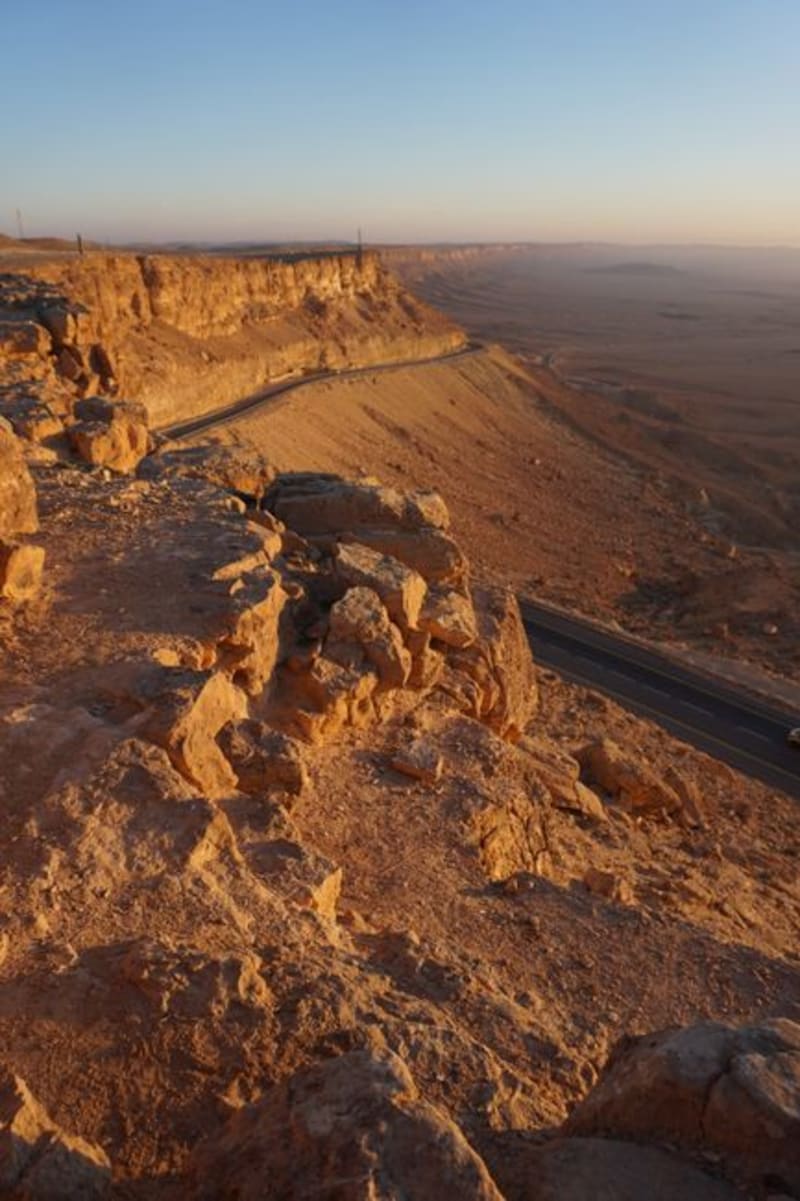 israel
 Ramon Crater
The world's largest erosion crater cuts a forty-kilometer gash through the Negev Desert, its striped rock walls revealing 200 million years of geology and its skies dark enough for an official night-sky reserve.
Explore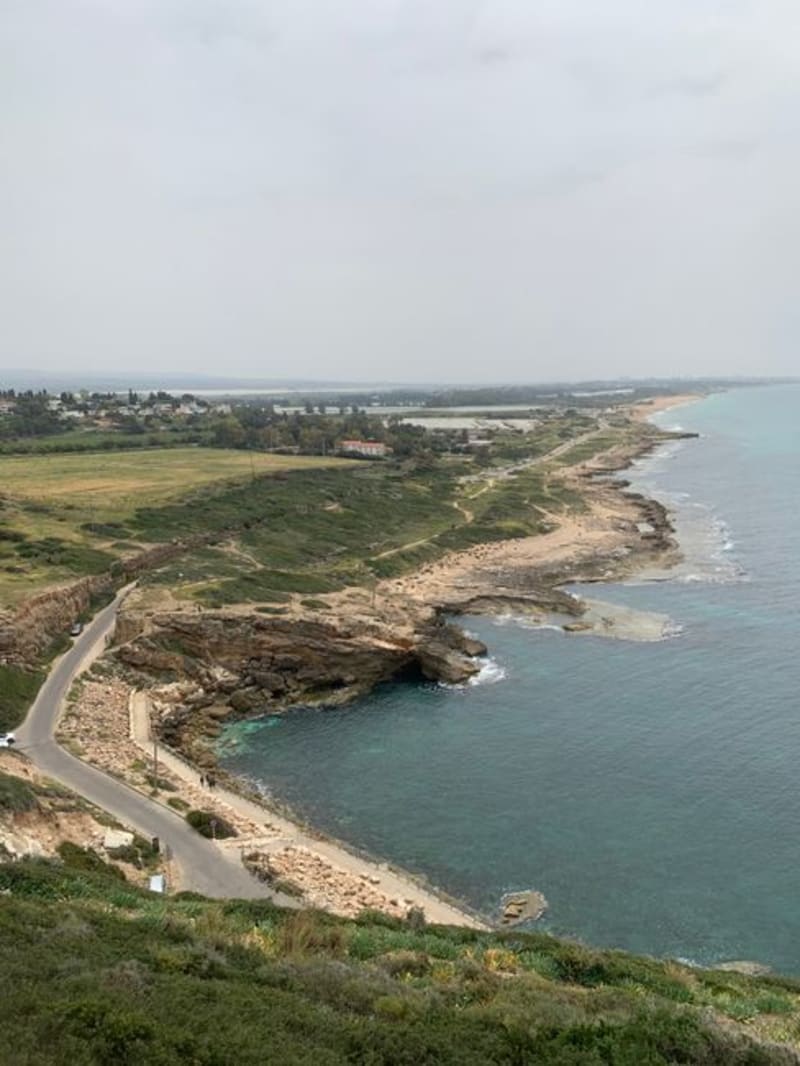 israel
 Rosh Hanikra
Chalk-white cliffs at Israel's northern border hide sea grottoes carved by two million years of Mediterranean waves, reached by the steepest cable car I've ridden anywhere.
Explore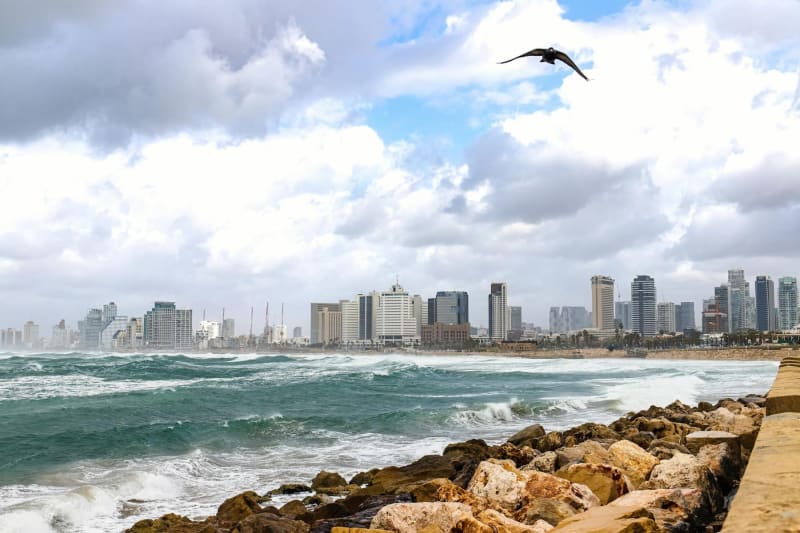 israel
 Tel Aviv Beach
Fourteen kilometres of sandy Mediterranean shoreline, backed by Bauhaus architecture and non-stop energy.
Explore