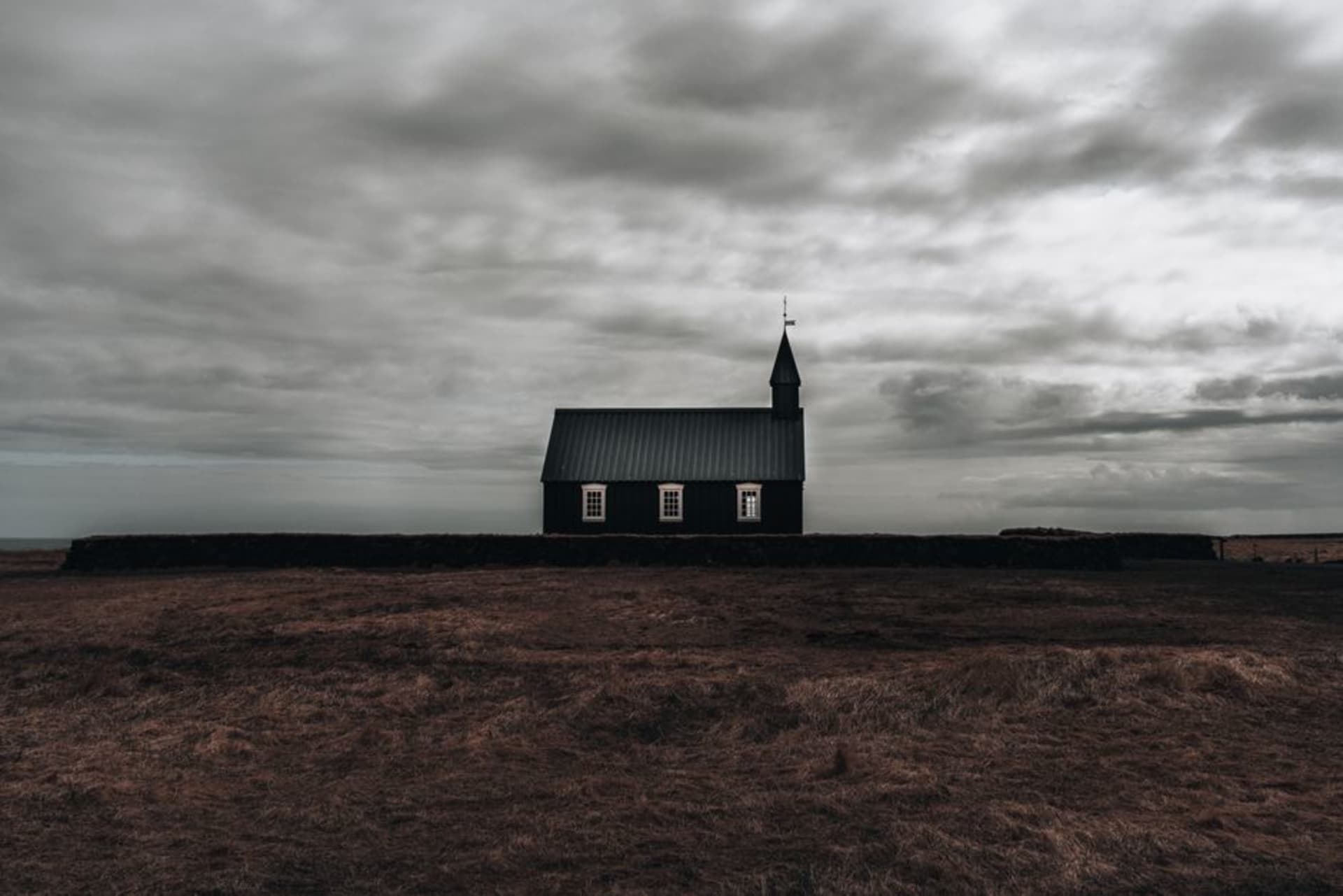
Qareh Kelisa (Black Church)
"Once a year this empty valley fills with ten thousand pilgrims. The rest of the year, it's just us and the shepherds."
An Armenian pilgrimage church built from volcanic black stone in a high alpine valley near the Turkish border, where thousands still gather once a year for a festival older than the country's current borders.
We reached Qareh Kelisa — the Black Church, also known as St. Thaddeus Monastery — after a drive up into highlands near Chaldoran that felt more like the Caucasus than anywhere else I’d been in Iran. The elevation and the volcanic basalt used in construction give the church its name and its striking dark-and-white banded exterior, half black stone from an older seventh-century structure and half cream stone added after nineteenth-century earthquake repairs. It sits nearly alone in a high valley of green pasture, close enough to the Turkish border that shepherds grazing sheep nearby seemed entirely unbothered by geopolitics none of us could quite picture from the ground.
A Festival That Fills an Empty Valley
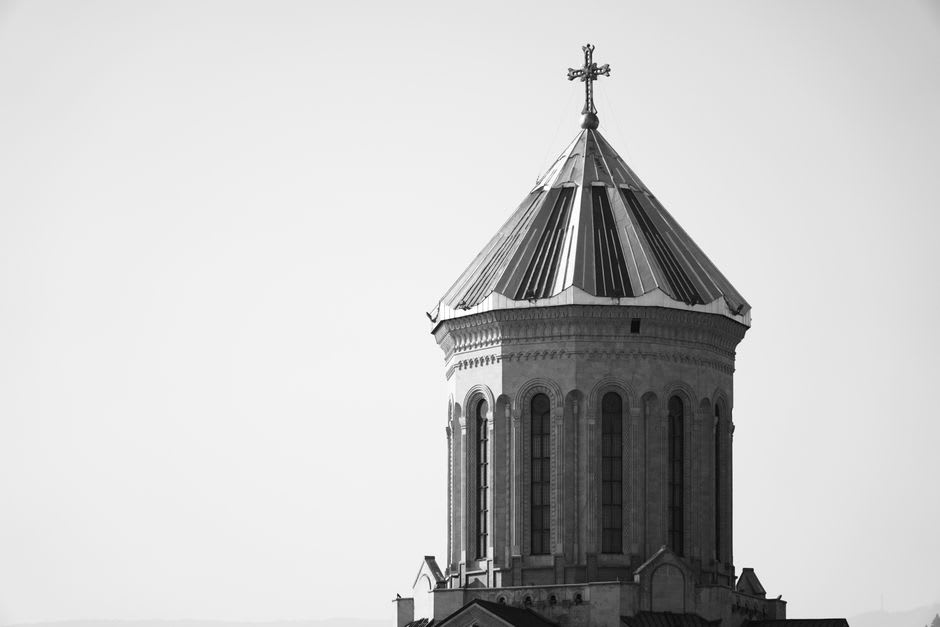
According to Armenian tradition, the apostle Thaddeus was martyred here, and the site has drawn pilgrims for centuries. Every July, the Vank Festival brings tens of thousands of Armenian Christians from Iran and abroad for three days of liturgy, music, and camping in the surrounding fields — a scale of gathering that’s almost impossible to imagine standing in the site’s usual stillness. I visited in late spring, when the church and its walled courtyard held maybe a dozen other visitors total, and the caretaker showed us photographs on his phone of the same courtyard packed wall to wall with tents. The contrast between the two versions of this place stuck with me more than almost anything else in northwestern Iran.
The Drive Is the Reward
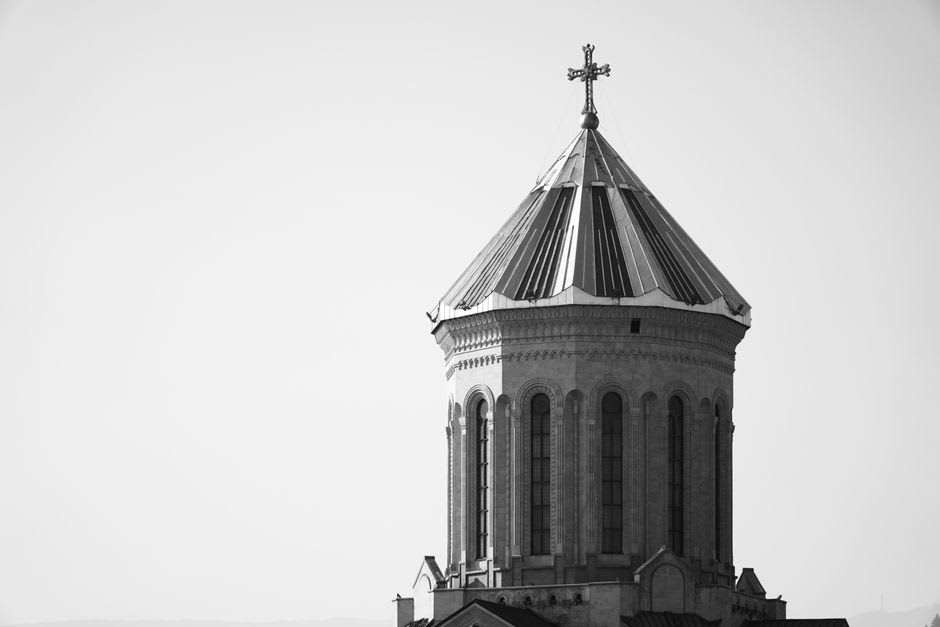
The route from Maku or Khoy climbs through switchbacks with views back down over drying farmland and, eventually, up into a genuinely alpine landscape — wildflowers in June, snow still visible on the higher peaks. We stopped for a lunch of fresh yogurt and flatbread at a farmhouse that didn’t have a sign, just a woman who waved us over from her doorway. It was one of the best unplanned meals of the entire trip.
When to go: June through early September for accessible mountain roads and green pasture, though July coincides with the crowded Vank pilgrimage festival — go either just before or after if you want the site to yourself.
Keep exploring
More from Iran
 iran
iran Qeshm Island
The largest island in the Persian Gulf, where wind and rain carved a canyon out of soft rock and mangrove forests grow straight out of the tide.
Explore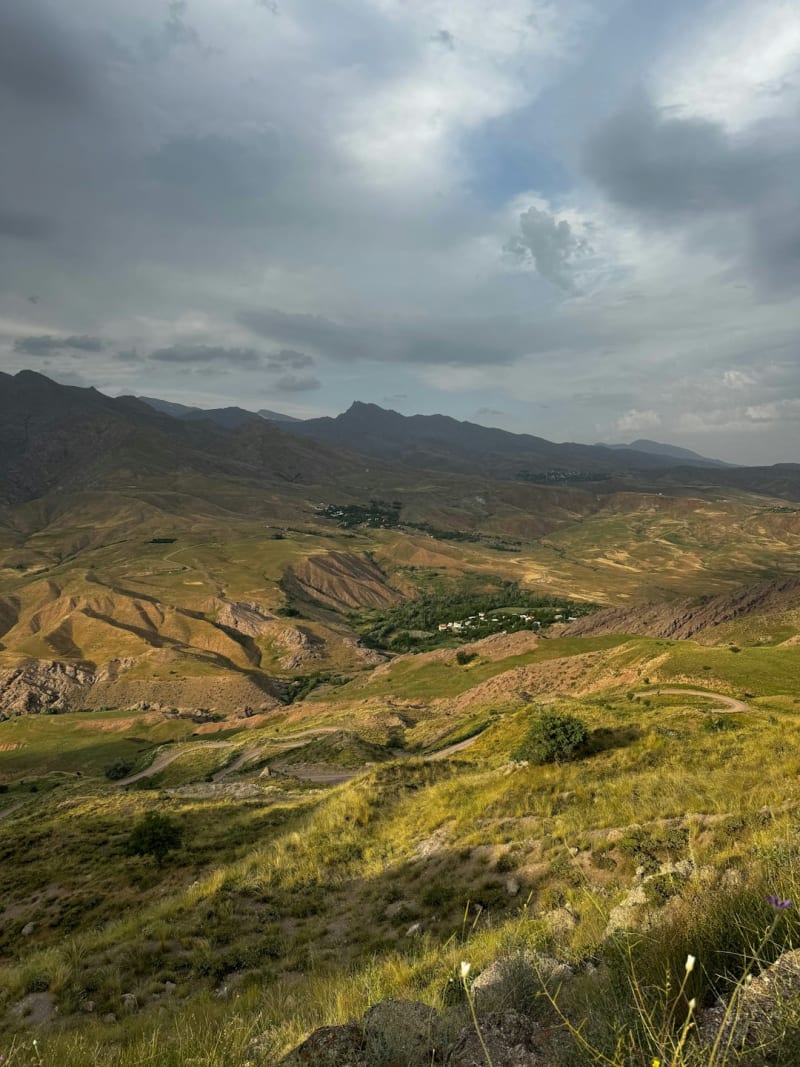 iran
iran Qom
Iran's holiest city and the intellectual center of Shia Islam, built around a golden-domed shrine that shapes everything from the dress code to the daily rhythm.
Explore iran
iran Ramsar
A Caspian resort town backed by rainforest and cable cars, built around a 1930s palace and a stretch of black-sand beach that Iranians have been vacationing on for a century.
Explore iran
iran Rasht
Iran's unlikely food capital on the Caspian coast, where rice paddies and jungle-green hills replace the desert and the cuisine bears almost no resemblance to what the rest of the country eats.
Explore iran
iran Rig-e Yazd Desert
Sand dunes rising directly out of the Yazd plateau, close enough for a sunset trip and empty enough to feel like the edge of the map.
Explore iran
iran Sa'dabad Palace Complex
A wooded royal estate of eighteen separate palaces in the Alborz foothills, where two Pahlavi shahs lived a century apart from the Qajars and revealed their taste in miniature.
Explore