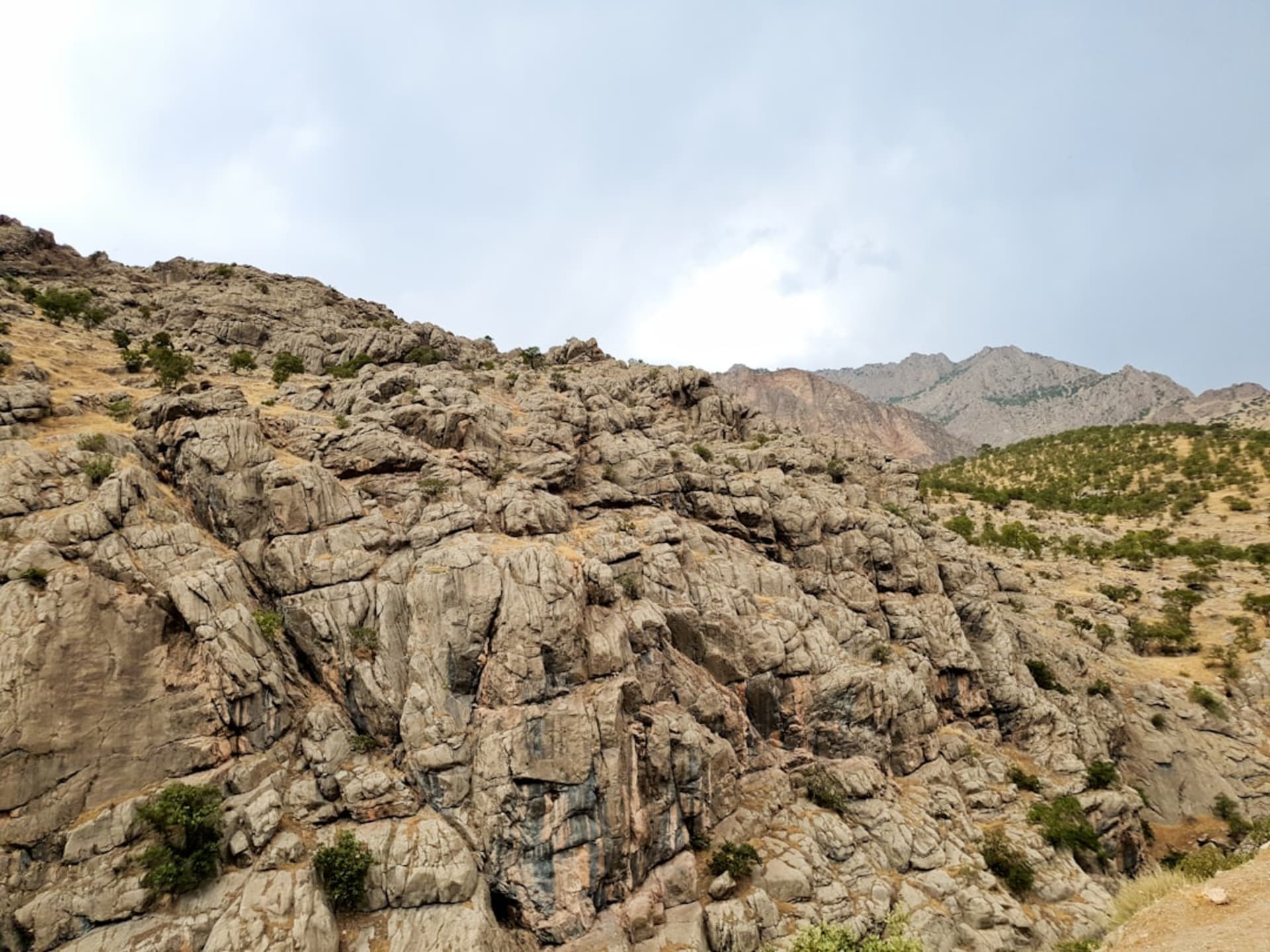
A UNESCO-listed valley of terraced Kurdish villages clinging to the Zagros, where houses are stacked so tightly the roofs double as the street above.
The road into Hawraman climbs so persistently that my ears popped four times before we reached Uraman Takht, the valley’s largest village. Lia had the window seat and spent the last twenty minutes narrating switchbacks like a nervous co-pilot. When the village finally appeared, stepped up the mountainside in tight ochre tiers, both of us stopped talking entirely.
Architecture Written by Gravity
Hawraman’s villages are built on slopes so steep that flat land for a normal street simply doesn’t exist. Instead, the flat roof of each house functions as the walkway and yard for the house directly above it. Watching an elderly woman cross what I assumed was a rooftop terrace, only to realize a neighbor’s kitchen window opened directly onto it at knee height, rearranged my whole sense of what a village street can be.
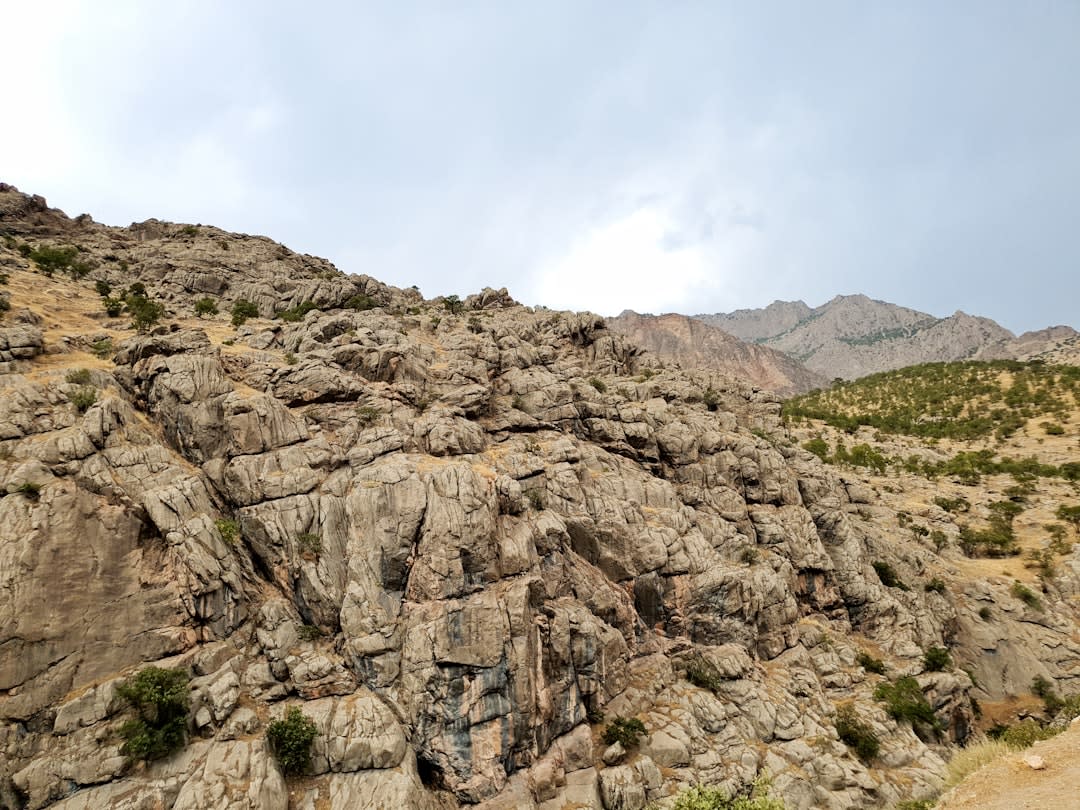
A Culture UNESCO Finally Noticed
UNESCO added the Hawraman cultural landscape to its World Heritage list in 2021, recognizing not just the architecture but the Hawrami people’s distinct dialect, terraced orchard farming, and centuries-old system of moving livestock between summer and winter pastures. A local guide walked me through a walnut and pomegranate terrace that his family has worked, by his account, for at least six generations, water still routed through hand-dug stone channels older than anyone can date precisely.
Music in a Language of Its Own
Hawrami is different enough from standard Kurdish dialects that even Kurds from Sanandaj sometimes need help following it. In the evening, a group of men gathered in the guesthouse courtyard to sing Hawrami folk verses — long, unaccompanied lines that seemed to hang in the air over the valley before the next voice picked them up.
When to go: May and June for wildflowers and mild temperatures, or September and October for the fruit harvest and turning leaves. Winter closes some of the higher villages off with snow, so plan for late spring through autumn only.
Keep exploring
More from Iran
 iran
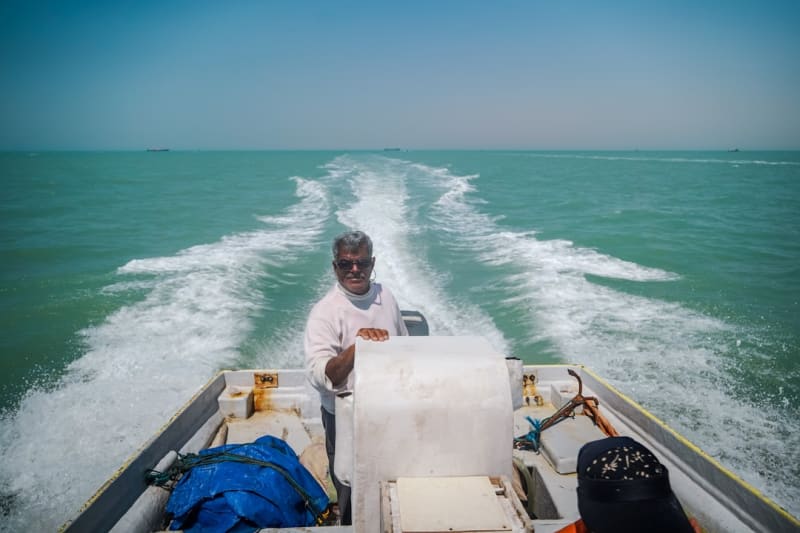
iran Hengam Island
A small island south of Qeshm where dolphins gather in the strait most mornings and the only sounds at night are waves and generators.
Explore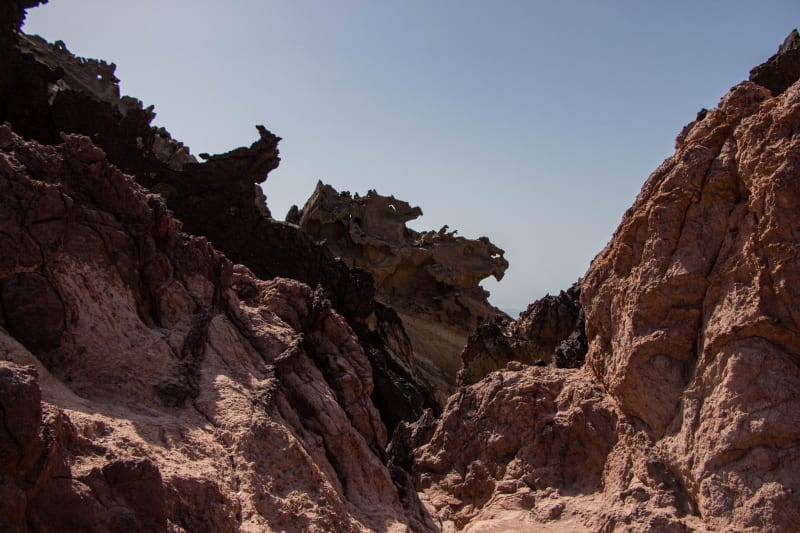 iran
iran Hormuz Island
A Persian Gulf island where the ground shifts from deep red to sulfur yellow to violet depending on the light, and the geology produces bread that tastes faintly of minerals.
Explore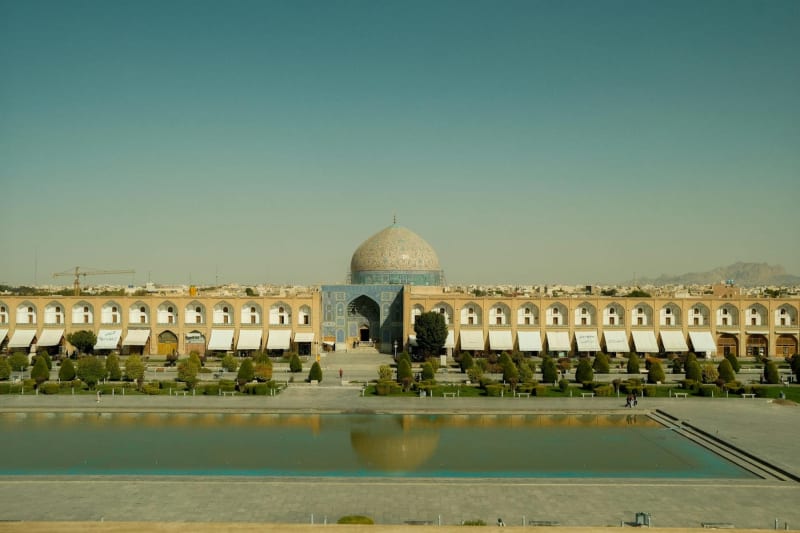 iran
iran Isfahan
Naqsh-e Jahan Square — one of the world's largest plazas, ringed by dazzling turquoise-tiled Islamic monuments.
Explore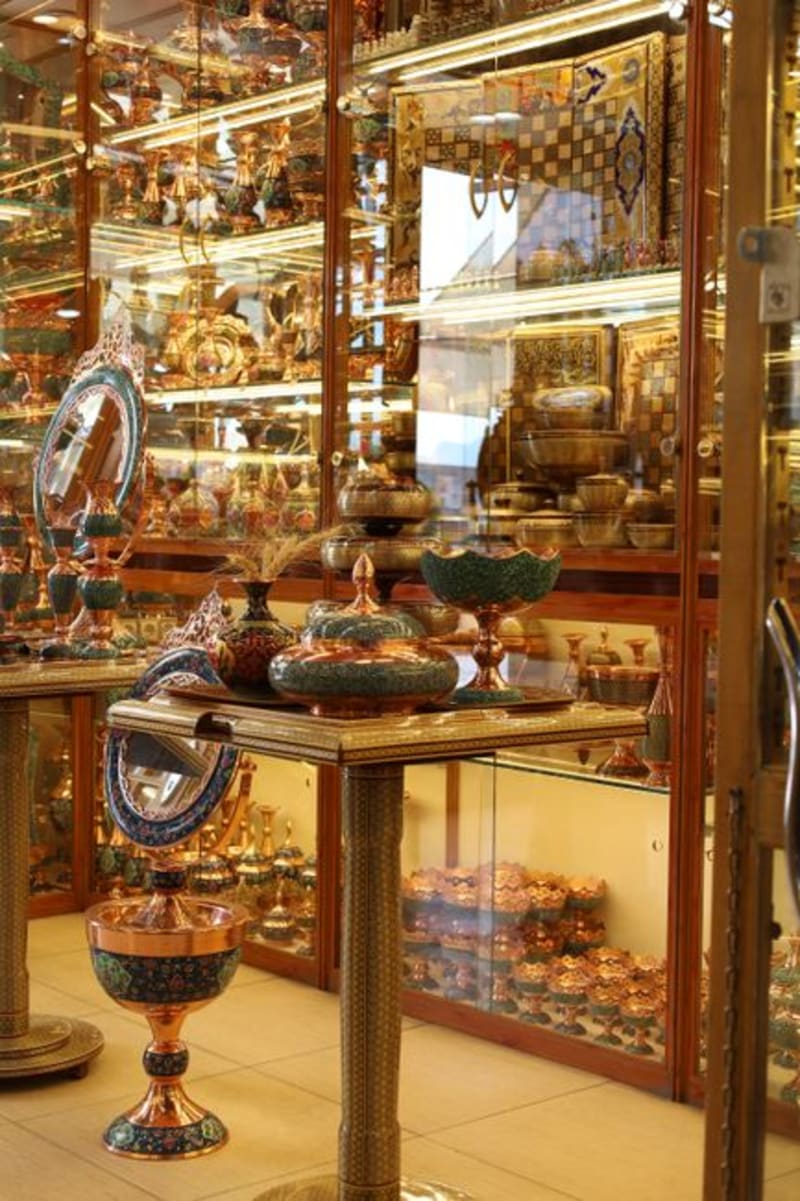 iran
iran Isfahan Grand Bazaar
A covered market corridor running from the seventeenth century into the present day, where hammered copper, hand-blocked textiles, and carpet dealers operate exactly as their grandfathers did.
Explore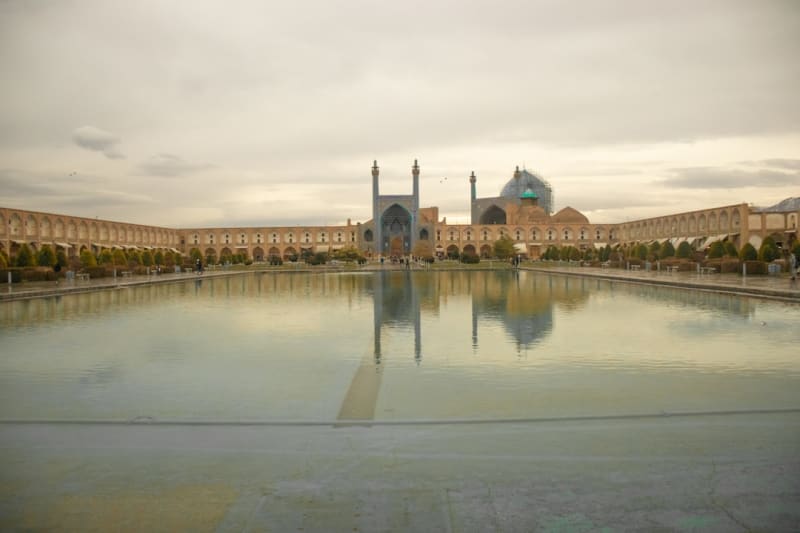 iran
iran Jameh Mosque of Isfahan
Twelve centuries of Iranian architecture stacked into one building — a living timeline where every dynasty added its own chapter instead of tearing down the last one.
Explore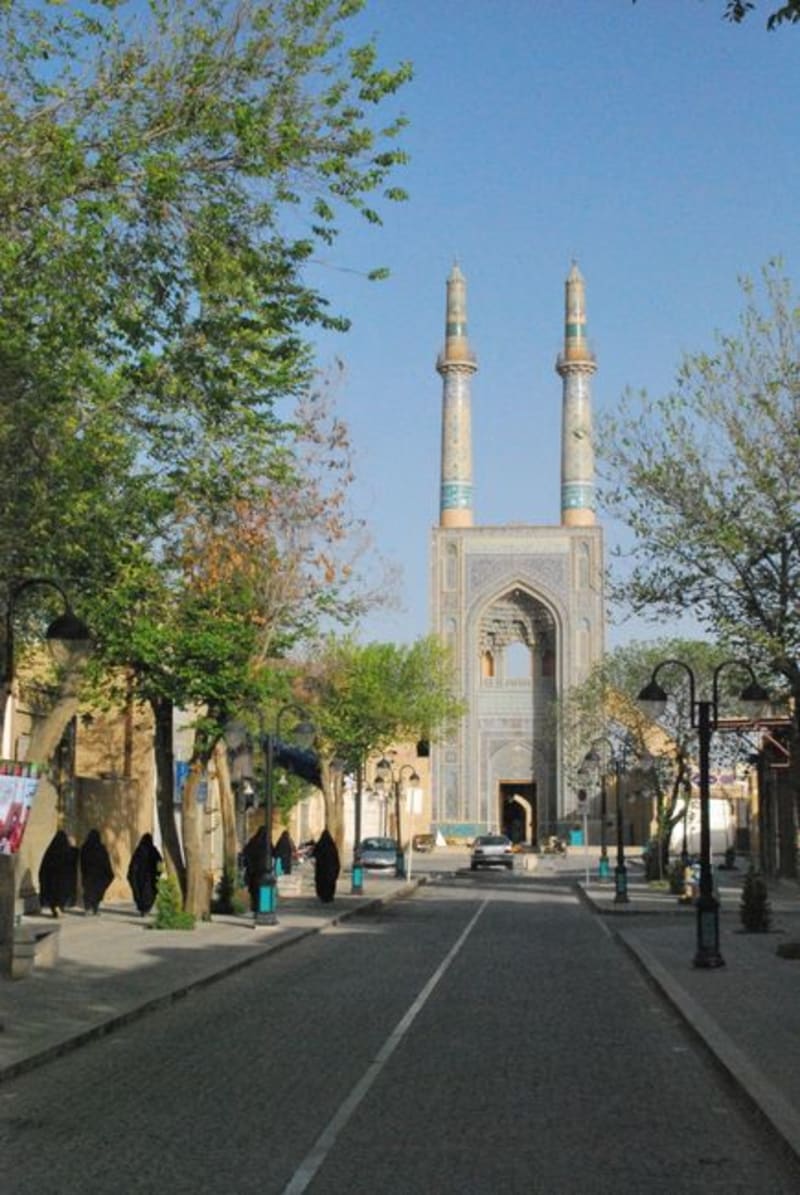 iran
iran Jameh Mosque of Yazd
The tallest minarets in Iran rise above a mosque entrance so precisely tiled it looks printed rather than built by hand.
Explore