The Eight Paradises pavilion — a small, half-forgotten Safavid summer palace hidden inside a public garden, with almost none of the square's crowds and all of its craftsmanship.
I found Hasht Behesht almost by accident, cutting through a public park near Chahar Bagh Avenue to escape the midday sun, and it remains the one place in Isfahan where I had a genuinely important building almost entirely to myself.
Eight Paradises, One Small Building
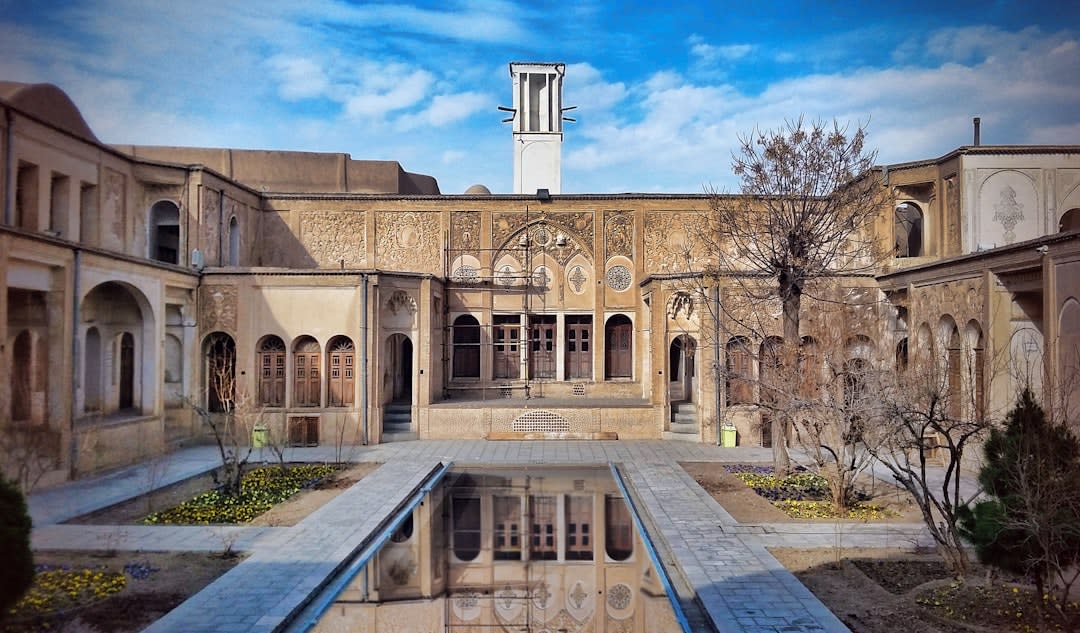
The name means Eight Paradises, referring to the octagonal, symmetrical floor plan built around a central domed hall — a design meant to evoke Quranic descriptions of paradise as eight interlocking gardens. Built in 1669 under Shah Suleiman I as a royal summer residence, it was once part of a much larger royal garden complex connected to the Chehel Sotoun grounds; today it survives as a single, comparatively modest structure inside what is now an ordinary municipal park, surrounded by families having picnics rather than palace guards.
Craftsmanship Without a Crowd
What survives is startling given how few visitors seemed to know it was there. The exterior tilework is some of the most delicate I saw anywhere in Isfahan — pale floral patterns rather than the bolder geometric blues of the mosques, closer in feeling to a Persian miniature painting stretched across a facade. Inside, carved wooden lattice screens called moucharabieh filter light into the central hall in soft, broken patterns, and fragments of the original muqarnas ceiling, though damaged by fire and centuries of neglect, still show traces of gilding. Lia spent a long while photographing the underside of one surviving dome fragment, frustrated that half of it had crumbled away, right up until a groundskeeper mentioned it had survived two separate fires and an earthquake, at which point she stopped being frustrated and started being amazed it had survived at all.
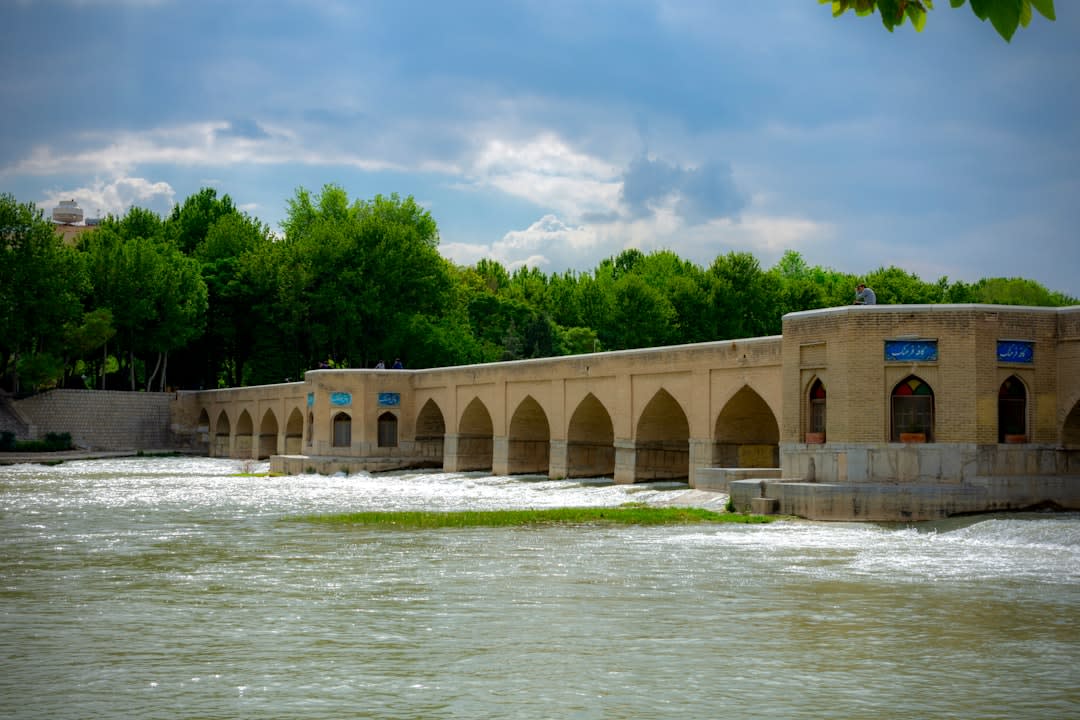
We ended up staying almost as long in the surrounding garden as inside the palace itself, sharing a thermos of tea on a bench under a plane tree while local families picnicked nearby, kids chasing pigeons around the palace’s base with no apparent awareness that they were playing beside a three-hundred-and-fifty-year-old royal pavilion.
When to go: Weekday afternoons for the quietest visit; the surrounding park gets lively with picnicking families on Fridays and holiday afternoons, which is charming in its own right but changes the mood considerably.
Keep exploring
More from Iran
 iran
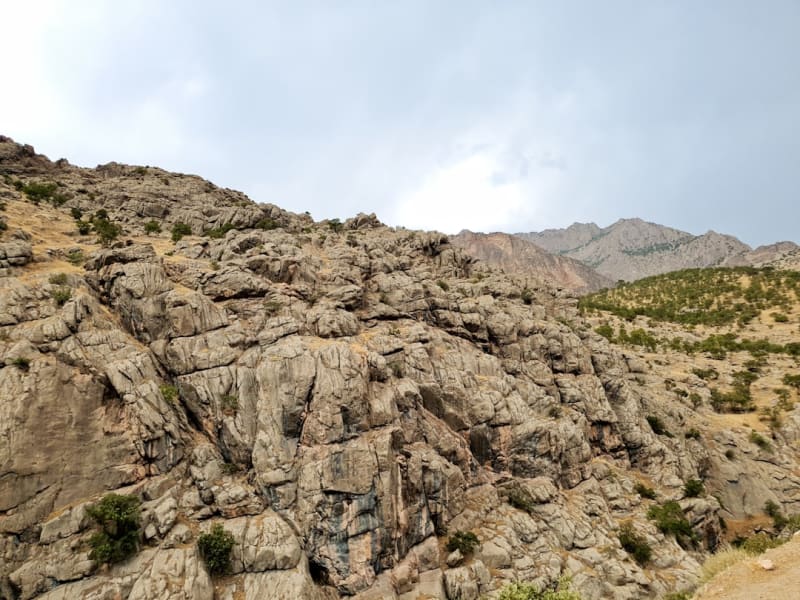
iran Hawraman Valley
A UNESCO-listed valley of terraced Kurdish villages clinging to the Zagros, where houses are stacked so tightly the roofs double as the street above.
Explore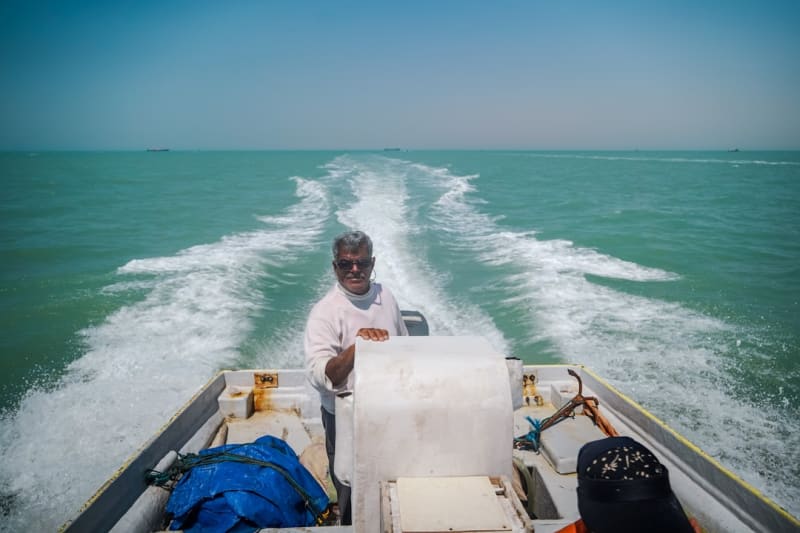 iran
iran Hengam Island
A small island south of Qeshm where dolphins gather in the strait most mornings and the only sounds at night are waves and generators.
Explore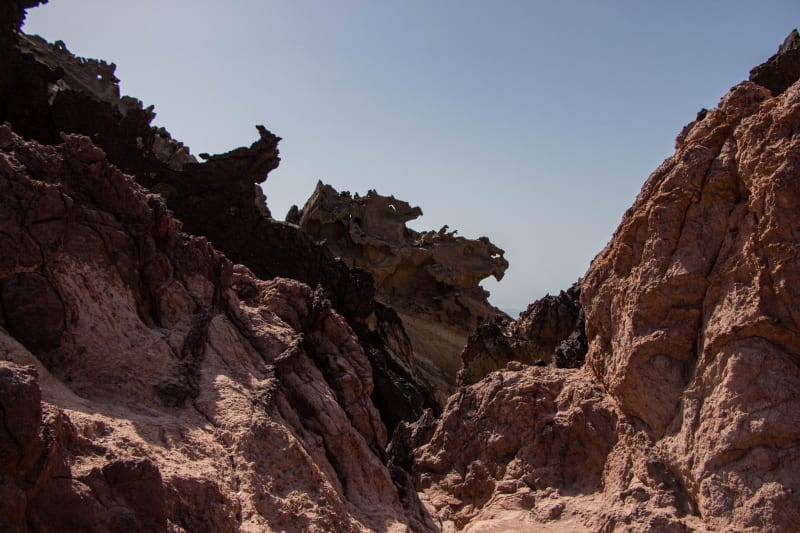 iran
iran Hormuz Island
A Persian Gulf island where the ground shifts from deep red to sulfur yellow to violet depending on the light, and the geology produces bread that tastes faintly of minerals.
Explore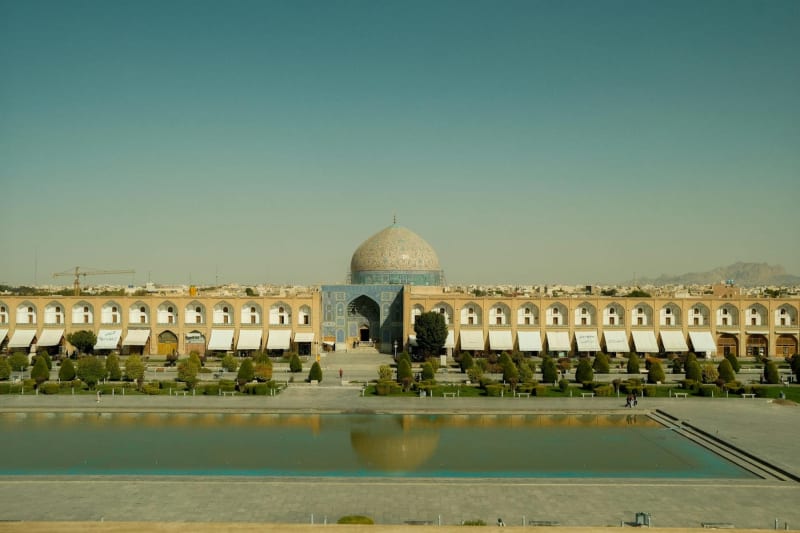 iran
iran Isfahan
Naqsh-e Jahan Square — one of the world's largest plazas, ringed by dazzling turquoise-tiled Islamic monuments.
Explore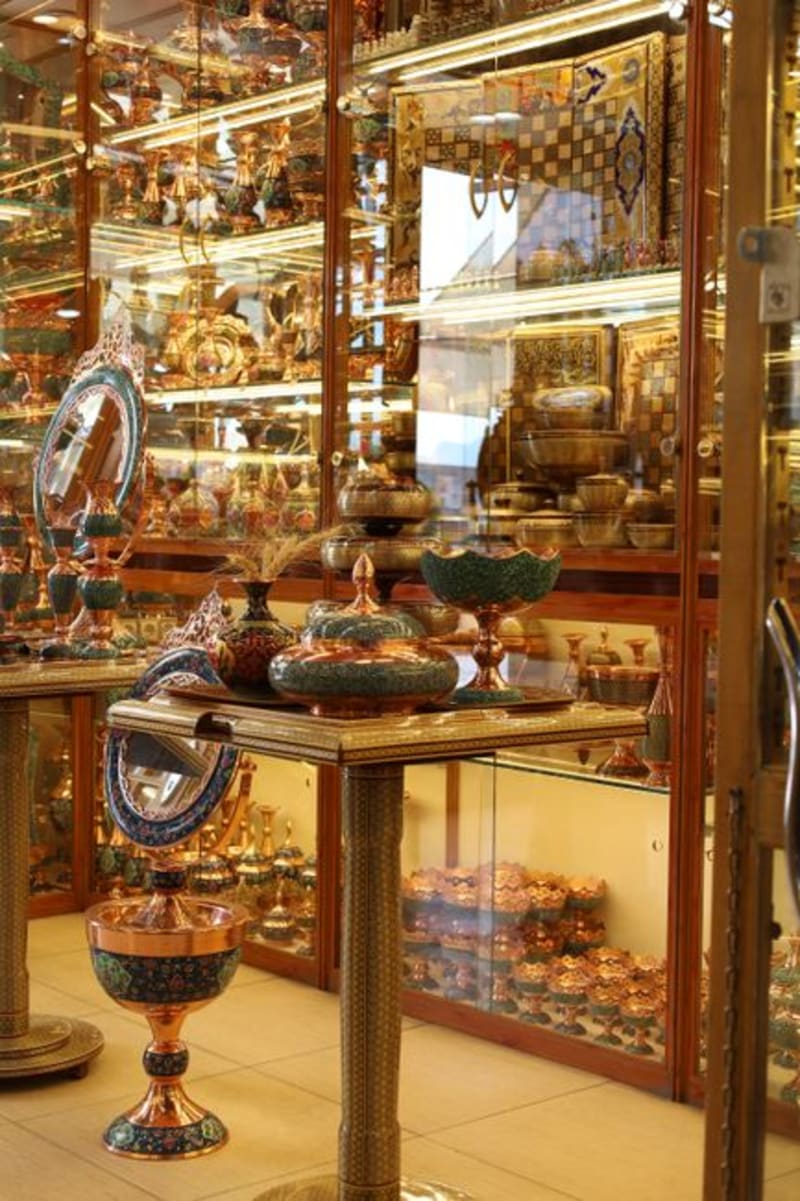 iran
iran Isfahan Grand Bazaar
A covered market corridor running from the seventeenth century into the present day, where hammered copper, hand-blocked textiles, and carpet dealers operate exactly as their grandfathers did.
Explore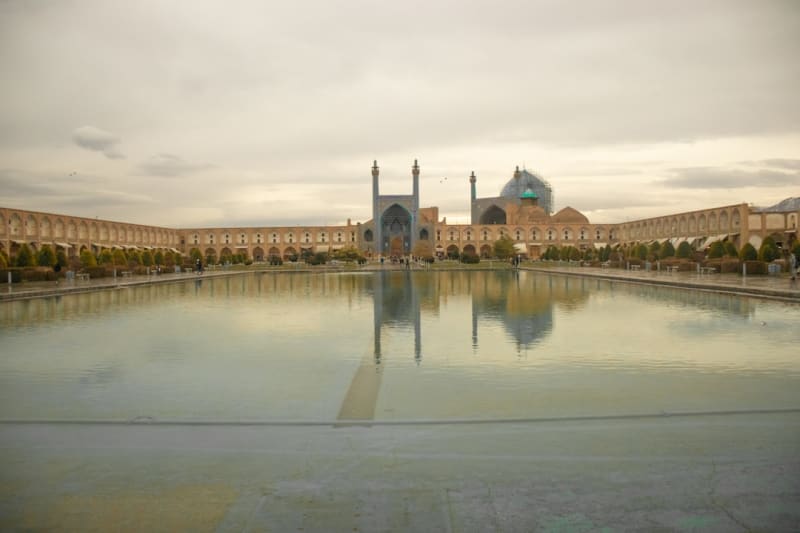 iran
iran Jameh Mosque of Isfahan
Twelve centuries of Iranian architecture stacked into one building — a living timeline where every dynasty added its own chapter instead of tearing down the last one.
Explore