Eram Garden
"The word paradise comes from the Persian word for a walled garden. I finally understood why."
A UNESCO-listed Persian paradise garden where roses, cypress, and a Qajar mansion argue about which one is the real attraction.
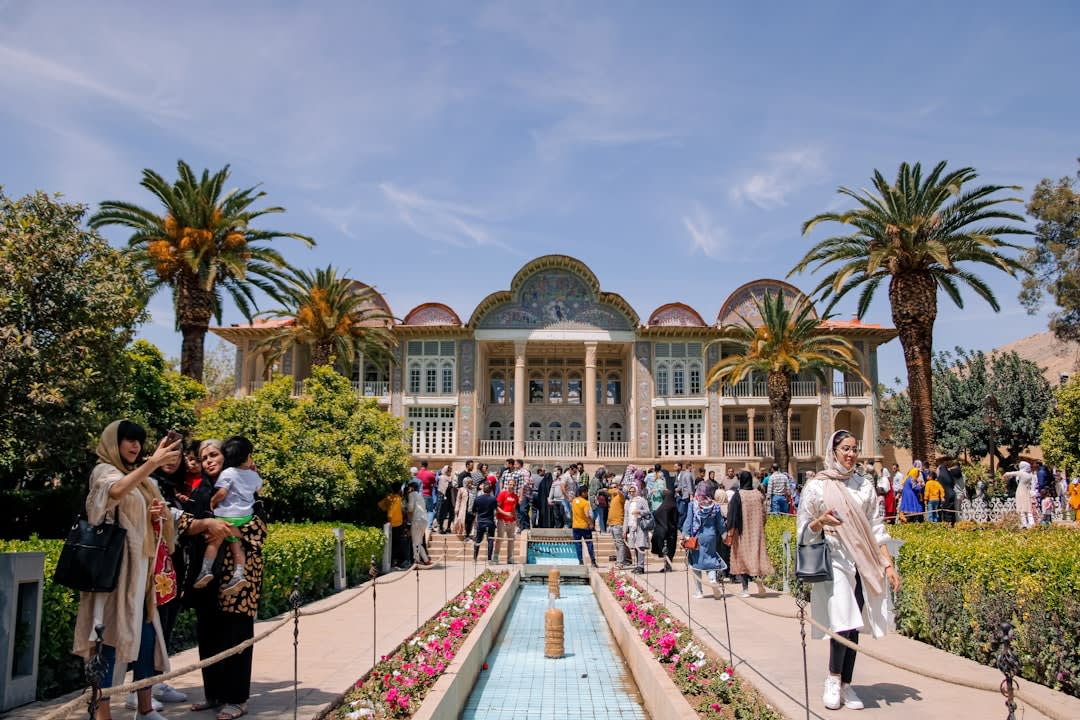
Eram means “paradise” in Persian, and I’d read that fact in a guidebook margin months before ever setting foot in Shiraz without really absorbing it — until I was standing at the garden’s entrance gate, looking down a dead-straight central pool toward a mansion the color of pistachio and rosewater, cypress trees marching along both banks in perfect, ancient rows. The word “paradise” genuinely comes from pardis, an old Persian term for exactly this kind of enclosed garden. It clicked into place instantly.
The Cypress That Bends and the Garden That Doesn’t
Eram Garden belongs to the University of Shiraz now, which is part of why it’s so well kept — botany students tend it as living coursework. One particular cypress near the pavilion, gnarled and visibly leaning, is famous locally and has its own name, the “bride cypress,” tied to a folk story nobody could tell us with quite the same details twice. Around it, the layout follows the rigid fourfold chahar bagh plan that shows up across Persian gardens from here to the Taj Mahal’s grounds — water as the central spine, everything else arranged in careful, deliberate symmetry.
We visited in early April and the rose beds along the side paths were just starting to open — nothing compared to the full bloom Shiraz gets a few weeks later, but enough that the air already carried that particular Damask-rose sweetness the city is known for.
The Mansion Nobody Can Enter, and the Orange Trees Everyone Can Eat From
The nineteenth-century Qajar mansion at the garden’s heart, tiled in soft pink and turquoise with a facade of stylized warriors and hunting scenes, is closed to the public — it houses university offices — so you admire it strictly from the outside, which somehow makes it more photogenic, not less. What you can do is wander the orchard sections, where bitter orange trees drop their fruit onto the gravel paths and nobody seems to mind if you pick one up just to smell the peel.
Lia sat on a bench near the pool for almost twenty minutes just watching sparrows bathe in the runoff channel, and I remember thinking that this, more than any museum, was the most honest artifact of Persian civilization I’d encountered — the belief that a garden, properly built, is itself a form of philosophy.
When to go: Late March through April for the rose bloom and mildest temperatures. It gets busy on Fridays and public holidays, when local families picnic on the surrounding lawns.
Keep exploring
More from Iran
 iran
iran Fin Garden
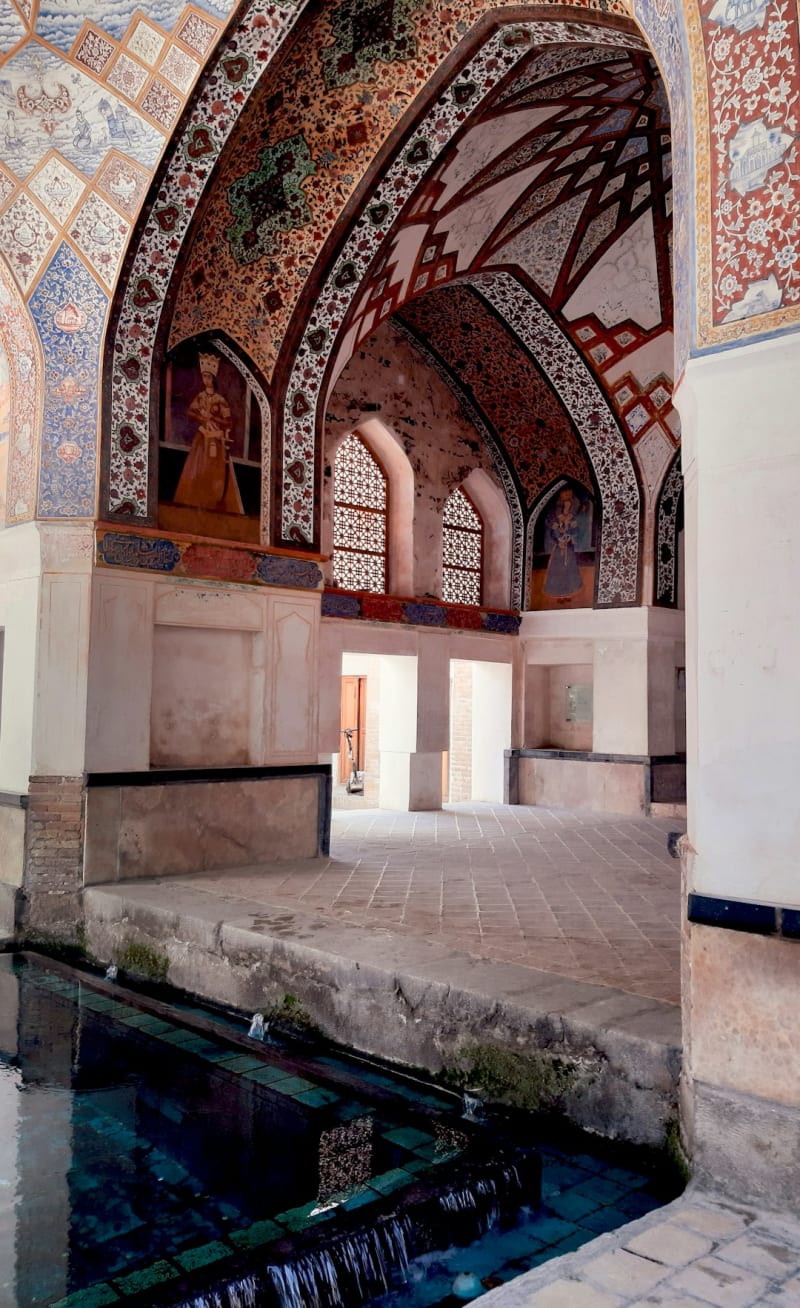
A Persian paradise garden of turquoise pools and cypress avenues, where an assassinated statesman's bathhouse still stains the marble.
Explore iran
iran Gorgan
The gateway to Turkmen Sahra at the eastern edge of the Caspian region, where Persian, Turkmen, and steppe cultures overlap in a way found nowhere else on Iran's northern coast.
Explore iran
iran Hasht Behesht Palace
The Eight Paradises pavilion — a small, half-forgotten Safavid summer palace hidden inside a public garden, with almost none of the square's crowds and all of its craftsmanship.
Explore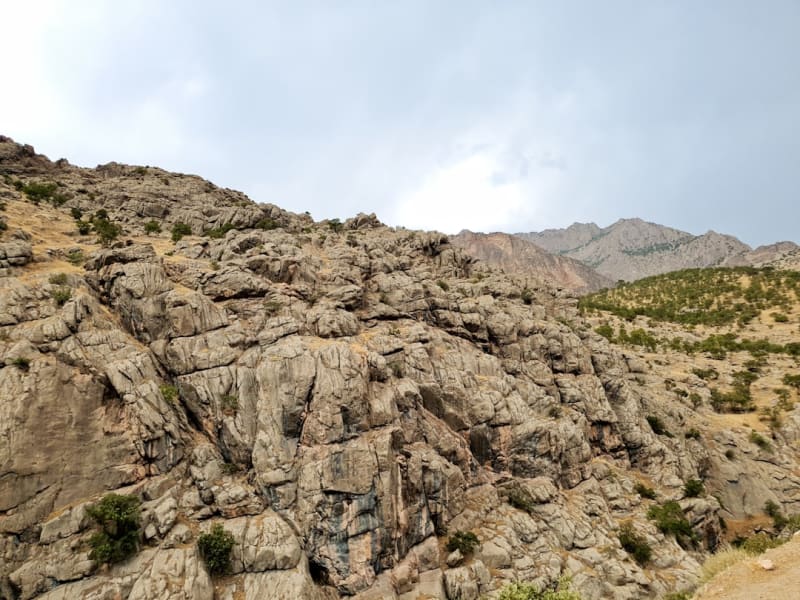 iran
iran Hawraman Valley
A UNESCO-listed valley of terraced Kurdish villages clinging to the Zagros, where houses are stacked so tightly the roofs double as the street above.
Explore iran
iran Hengam Island
A small island south of Qeshm where dolphins gather in the strait most mornings and the only sounds at night are waves and generators.
Explore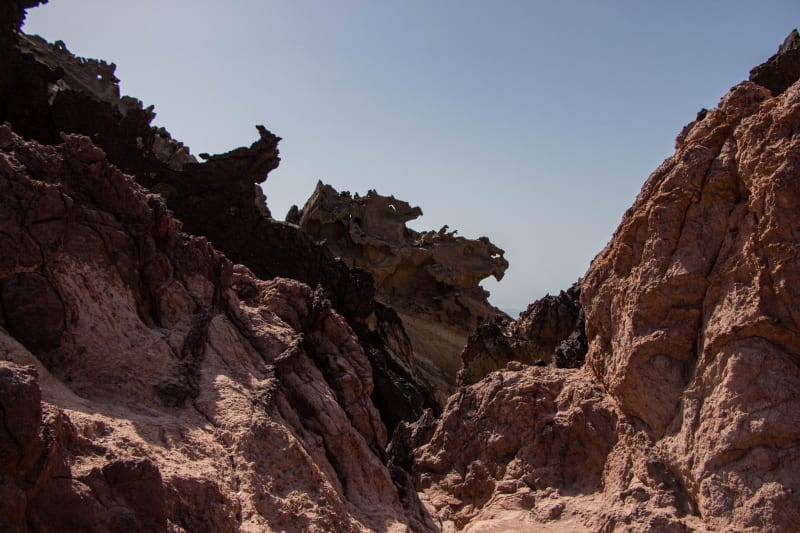 iran
iran Hormuz Island
A Persian Gulf island where the ground shifts from deep red to sulfur yellow to violet depending on the light, and the geology produces bread that tastes faintly of minerals.
Explore