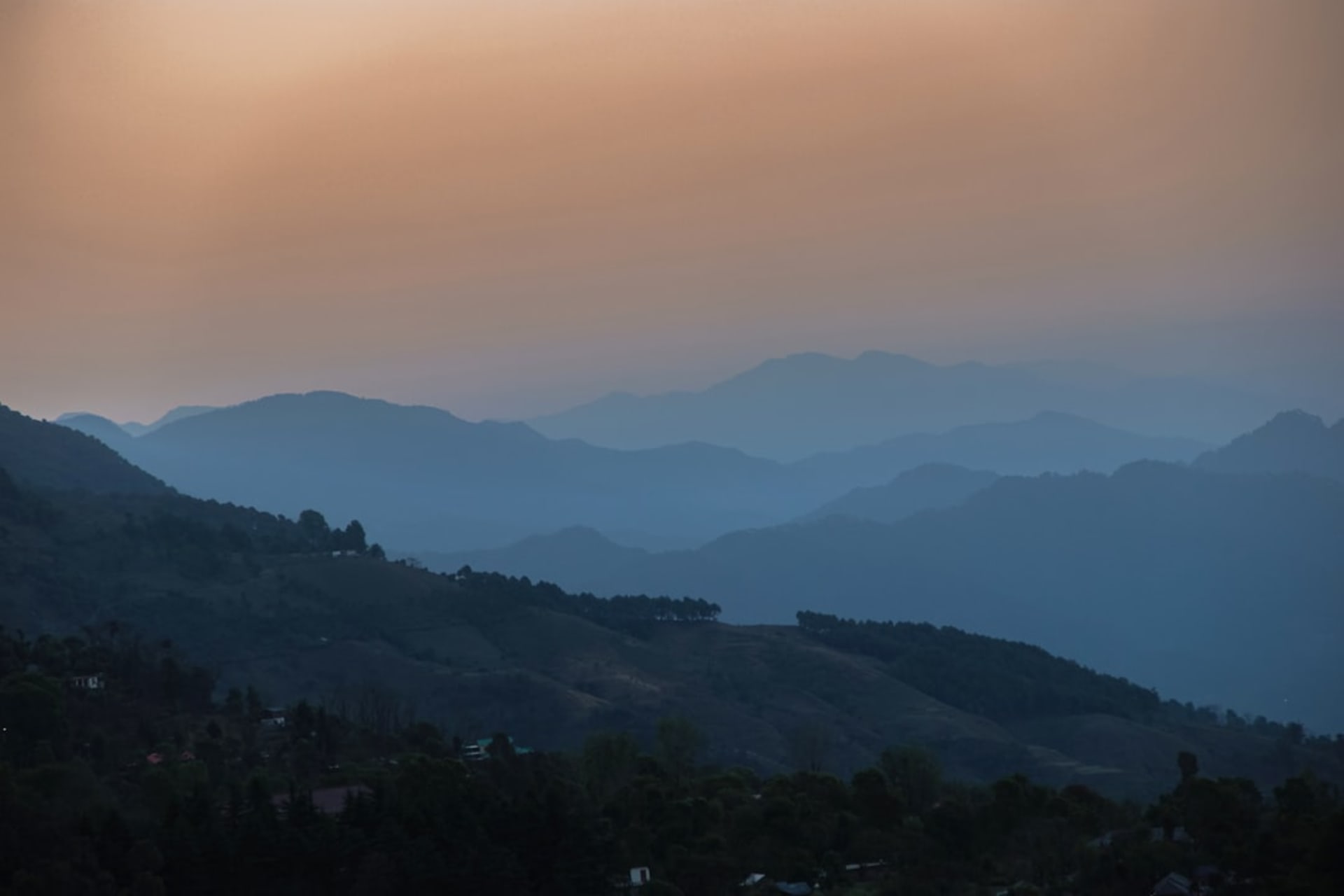
A Kangra valley town where a cricket stadium sits beneath snow peaks and a Tibetan community in exile has quietly built a second homeland into the hillside.

I came to Dharamshala mostly for the stadium, which sounds like a strange reason to visit a Himalayan town, but the HPCA Cricket Stadium here is genuinely one of the most disorienting sporting venues I’ve ever stood in — a perfectly manicured green oval ringed by stands, and beyond the far boundary, instead of advertising hoardings, an entire wall of the Dhauladhar range rising straight up into snow. I watched a domestic match from the upper tier with a group of local college students who’d brought a thermos of chai, and every few overs somebody would just stop talking about the game to point at how the light was hitting the peaks. It recalibrates your sense of scale watching a boundary six sail toward mountains that are, in reality, thousands of metres higher than anything a batsman could ever hit.
Dharamshala proper sits in the lower Kangra valley, a market town of concrete and noise that most travelers pass through quickly on the way up to McLeod Ganj, ten kilometres and a thousand vertical metres above. But the valley itself deserves a slower look — Kangra’s tea gardens spread out below the town in neat green terraces, and the Kangra Fort, one of the oldest and largest forts in India, sits in ruins a short drive away, having survived — and been sacked by — Mahmud of Ghazni, the Mughals, the Sikhs, and finally a catastrophic 1905 earthquake that did what centuries of siege warfare couldn’t.

A hillside that became a second Lhasa
The reason Dharamshala matters beyond cricket and tea is what happened here starting in 1959, when the Dalai Lama crossed the Himalayas into exile and the Indian government offered him this stretch of the Kangra hills to settle. What began as a refugee camp became, over sixty-plus years, a genuine seat of Tibetan governance and culture in exile, radiating out from McLeod Ganj above but rooted administratively in Dharamshala itself, where the Central Tibetan Administration runs its ministries from unassuming buildings that look nothing like the palaces this government once operated from in Lhasa.
I got talking to a Tibetan shopkeeper in the lower town, a man in his sixties who’d walked across the mountains as a teenager in the 1960s, and he described Dharamshala not as a home exactly, but as “the waiting room” — a phrase that stuck with me, because it captured something the town’s postcard views don’t: this whole valley operates as a community in suspended animation, decades of exile compressed into permanence, prayer flags and butter lamps arranged around an absence.

When to go: March to June and September to November for clear valley and mountain views. Monsoon (July-August) brings heavy rain and landslides on the access roads, so plan around it.
Keep exploring
More from India
 india
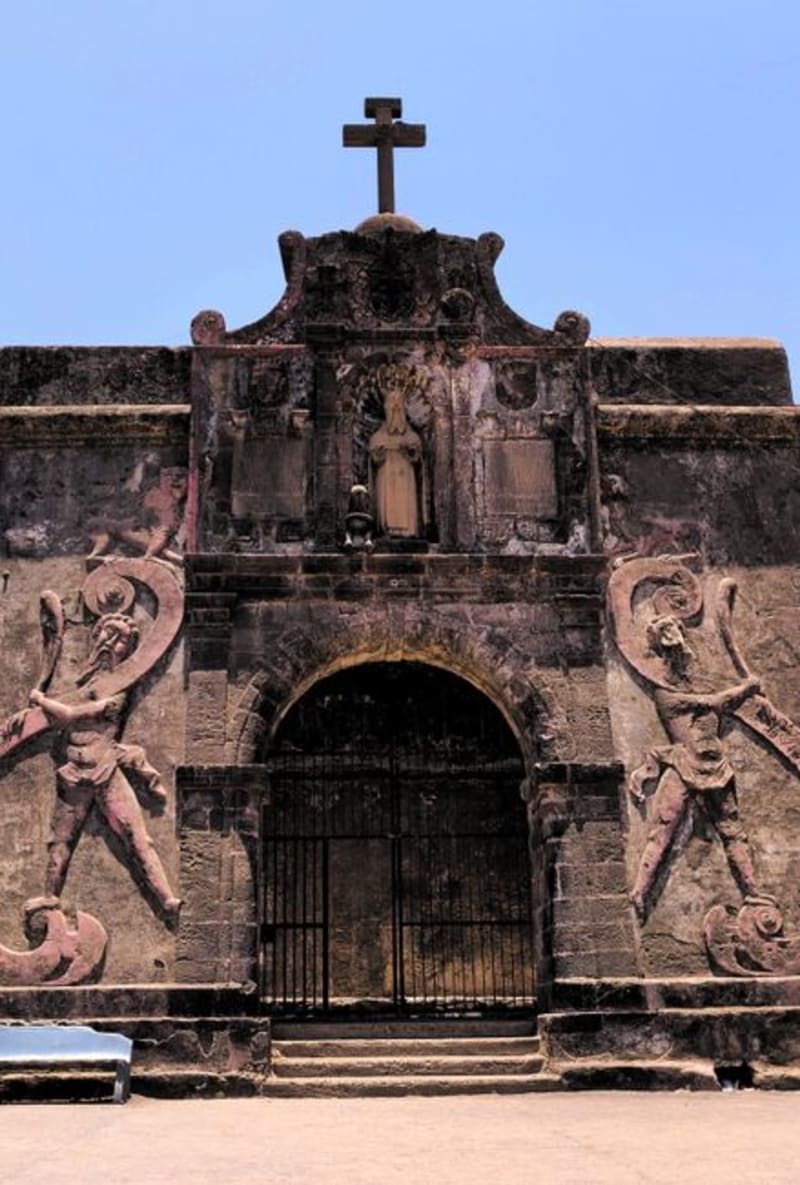
india Diu
A former Portuguese colony island off Gujarat's coast, where whitewashed churches, a clifftop fort, and a legal loophole on alcohol make it feel like nowhere else in the region.
Explore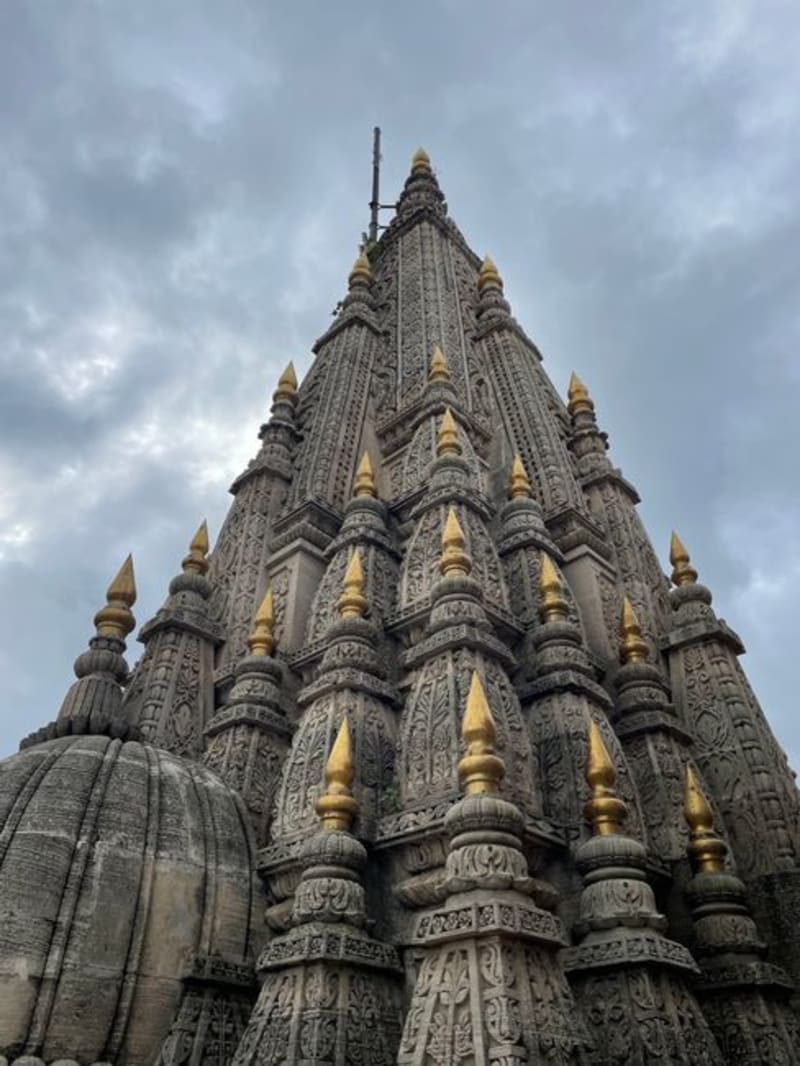 india
india Dwarka
A pilgrimage town on Gujarat's westernmost tip, built around a temple to Krishna's legendary submerged city, where devotion runs at a pitch few other places in India can match.
Explore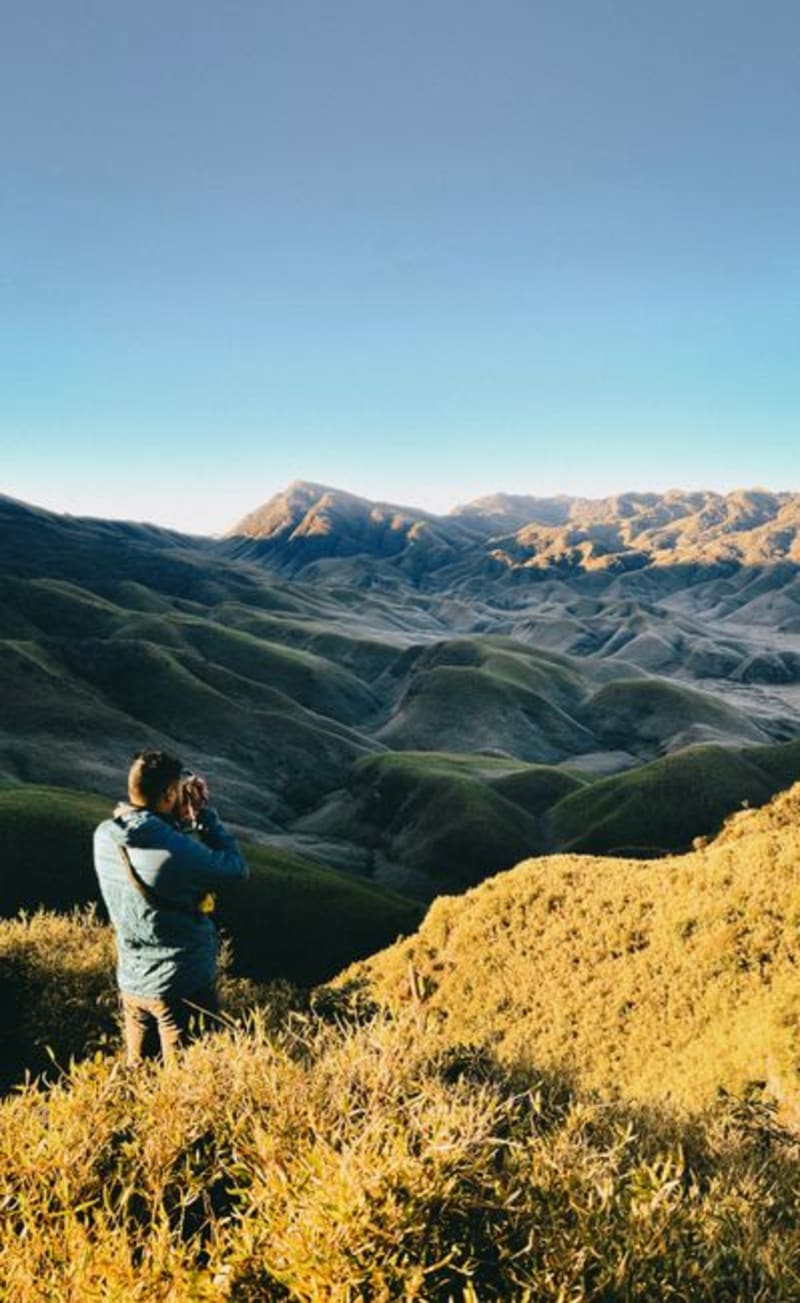 india
india Dzukou Valley
A hidden trekking valley on the Nagaland-Manipur border where rolling green hills and a rare seasonal lily bloom look like nowhere else in India.
Explore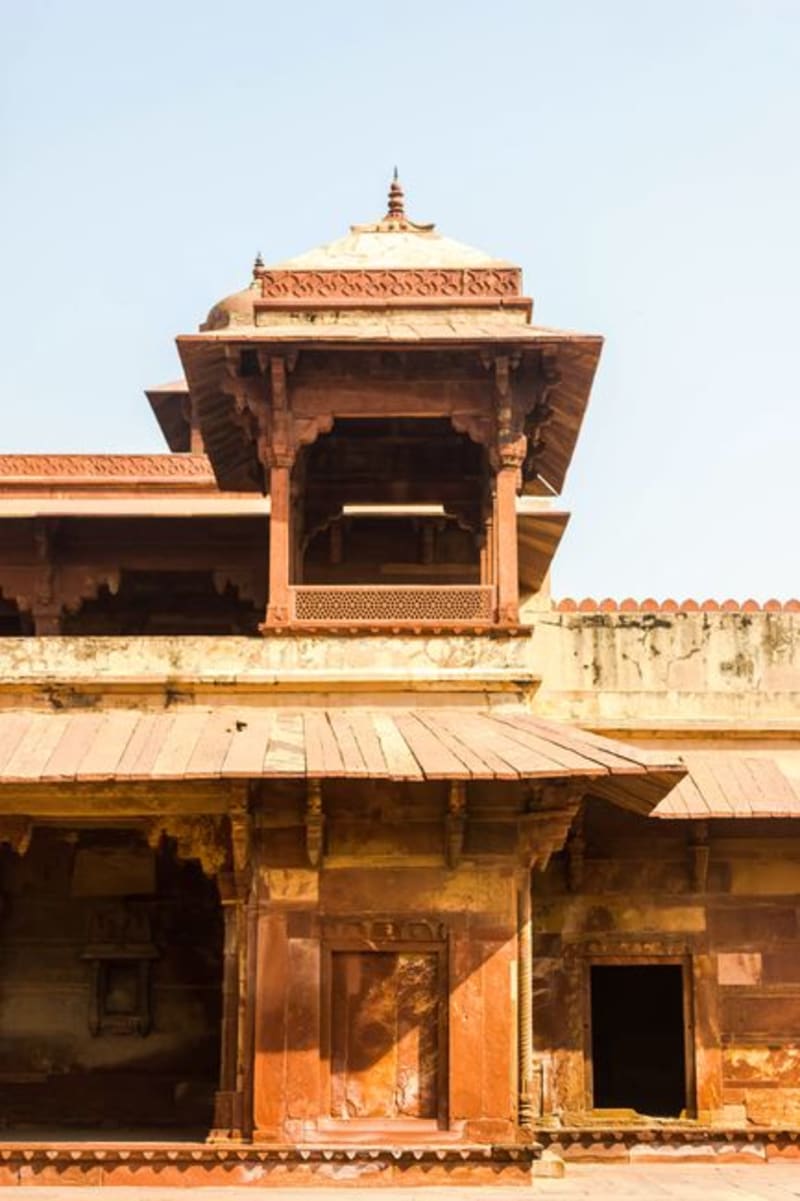 india
india Fatehpur Sikri
Akbar's abandoned red sandstone capital, built in a single burst of imperial ambition and deserted within decades when the water simply ran out.
Explore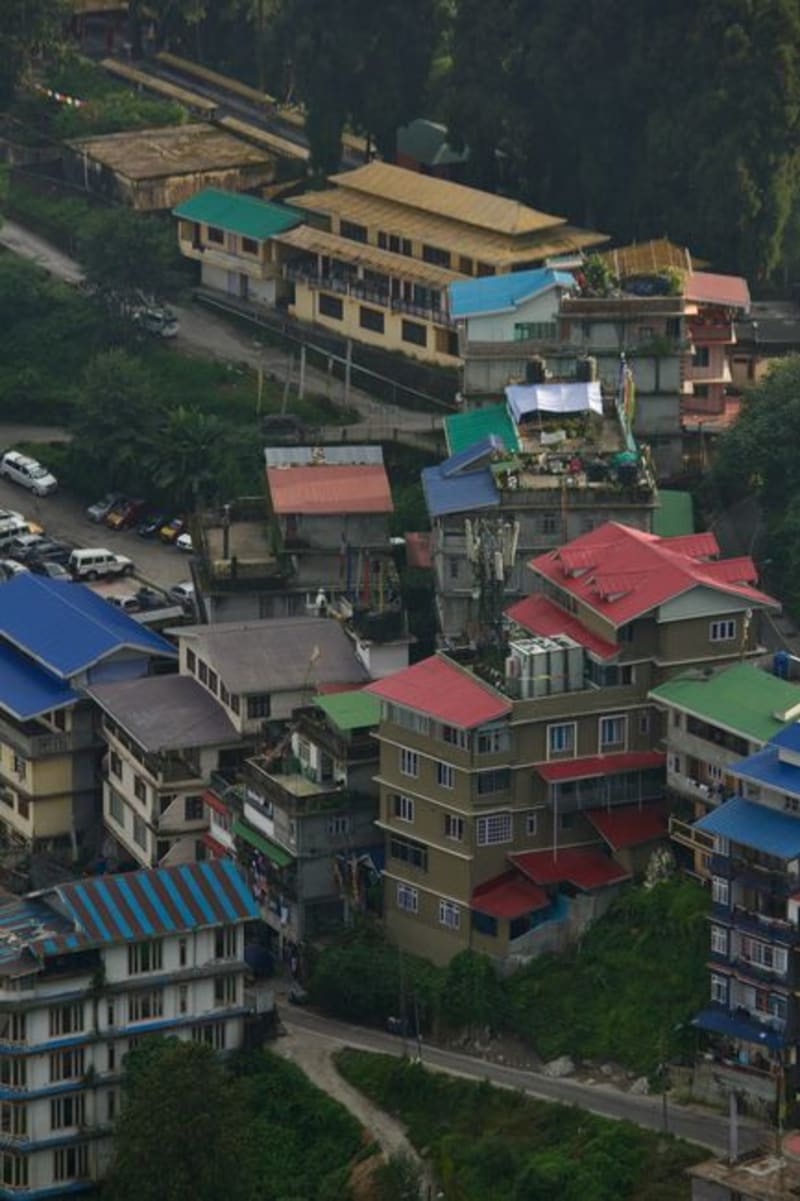 india
india Gangtok
Sikkim's hill capital, where a pedestrian-only main street, a cable car over the valley, and Kanchenjunga on a clear morning make for the best city view in the Himalayas.
Explore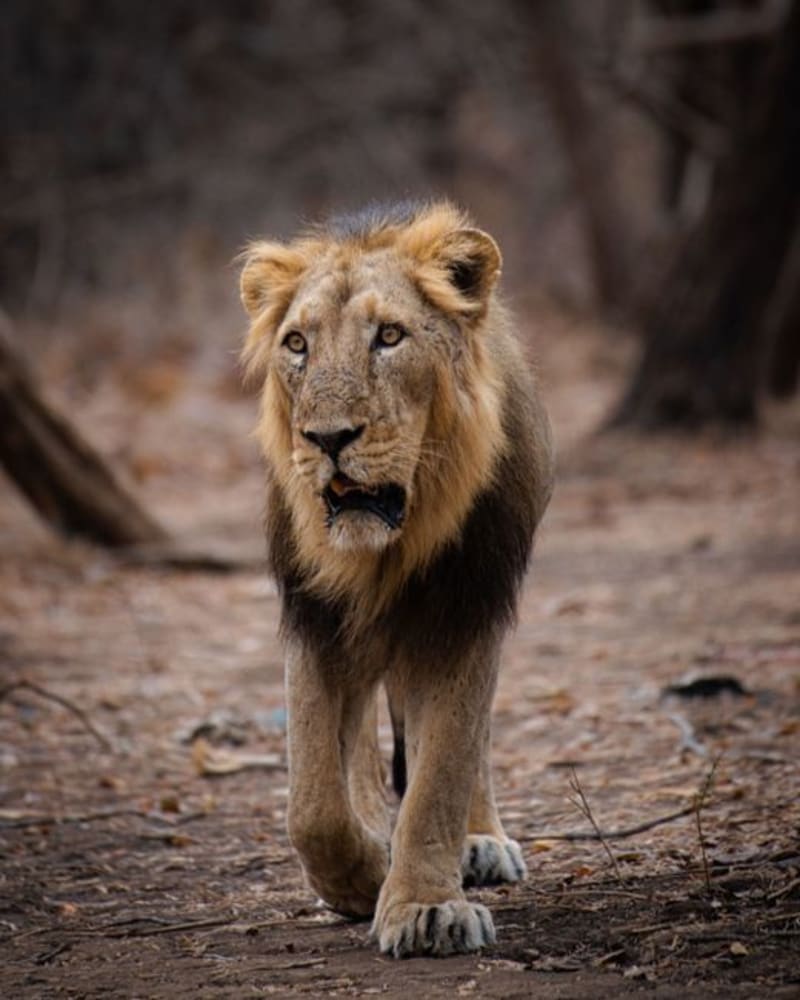 india
india Gir National Park
The last wild home of the Asiatic lion, a dry teak forest in Gujarat where pastoralist herders and apex predators have shared the same ground for generations.
Explore