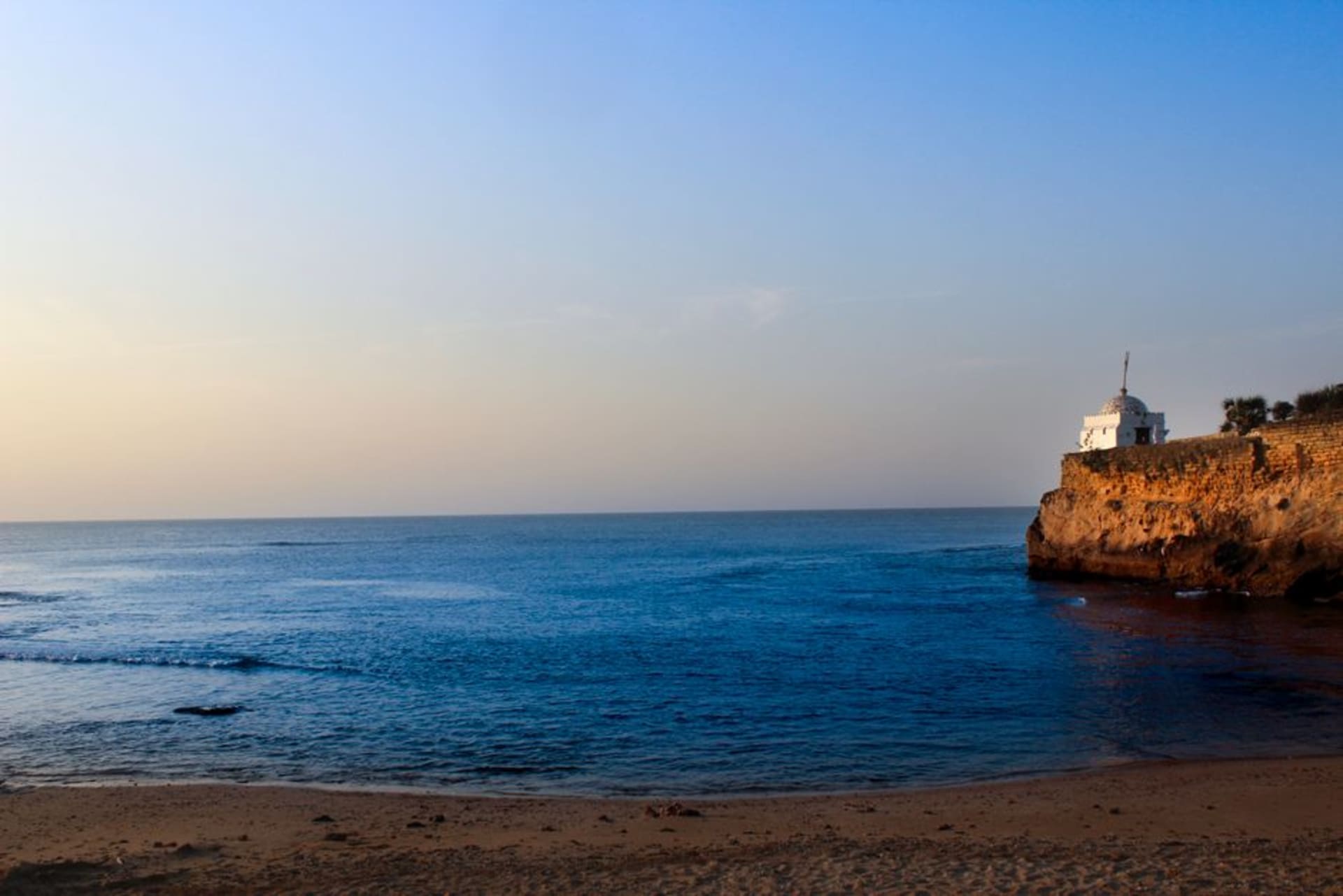
Diu
"Diu is Gujarat's dry-state rules with the door left open -- and a very good reason to stay a few extra days."
A former Portuguese colony island off Gujarat's coast, where whitewashed churches, a clifftop fort, and a legal loophole on alcohol make it feel like nowhere else in the region.

The first sign that Diu operates by different rules is the sheer number of Gujarati license plates parked outside the liquor shops the moment you cross the bridge from the mainland. Gujarat is a dry state, but Diu, a small island union territory that remained under Portuguese control until 1961 — more than a decade after most of India gained independence — never inherited that prohibition, and it has become the closest legal drink for millions of Gujaratis. I crossed that same bridge expecting a booze-tourism strip and found instead a genuinely sleepy, handsome little island that just happens to also sell beer.
Diu Fort sits at the island’s eastern tip, built by the Portuguese starting in 1535 after they negotiated control of the island from the Sultan of Gujarat, and its double-moated, cannon-lined ramparts look directly out over the Arabian Sea in a way that made it feel, walking the walls at sunset, less like a ruin and more like a ship permanently anchored at the edge of the subcontinent. Rusted Portuguese cannons still sit half-buried in the grass among crumbling chapels inside the fort walls, and a small lighthouse at the far end still operates. I watched fishing boats head out from the harbor below as the light went orange over water that, four hundred years ago, Portuguese, Ottoman, and Gujarati Sultanate forces all fought over.

Whitewashed churches and empty beaches
Diu’s colonial architecture shows up everywhere in the old town — St. Paul’s Church, still active, with an ornately carved wooden altar and a Baroque facade that would look at home in Goa or Macau; St. Thomas Church, now a museum of Christian art and stone crosses; and rows of Portuguese-style houses with tiled roofs and pastel facades along the narrow lanes near the fort. It’s a strange, specific flavor of colonial leftover, distinct from the British architecture that dominates most of India and closer in feel to Goa, just far smaller and far less visited.
The beaches are the other reason to linger. Nagoa Beach, a crescent bay lined with palm trees, gets the weekend crowds, but Ghoghla and Chakratirth stay close to empty even in season. I rented a bicycle for the day and rode the coast road between them, stopping at a beach shack for grilled pomfret and a cold Kingfisher, watching a handful of local families set up picnics on sand that, an hour’s drive back across the bridge, would have been packed with mainland tourists desperate for exactly this kind of quiet.

When to go: October through February for pleasant sea breezes and comfortable fort walks — weekends and Gujarati holidays bring a crowd looking mainly for alcohol, so weekday visits keep the island’s quieter character intact.
Keep exploring
More from India
 india
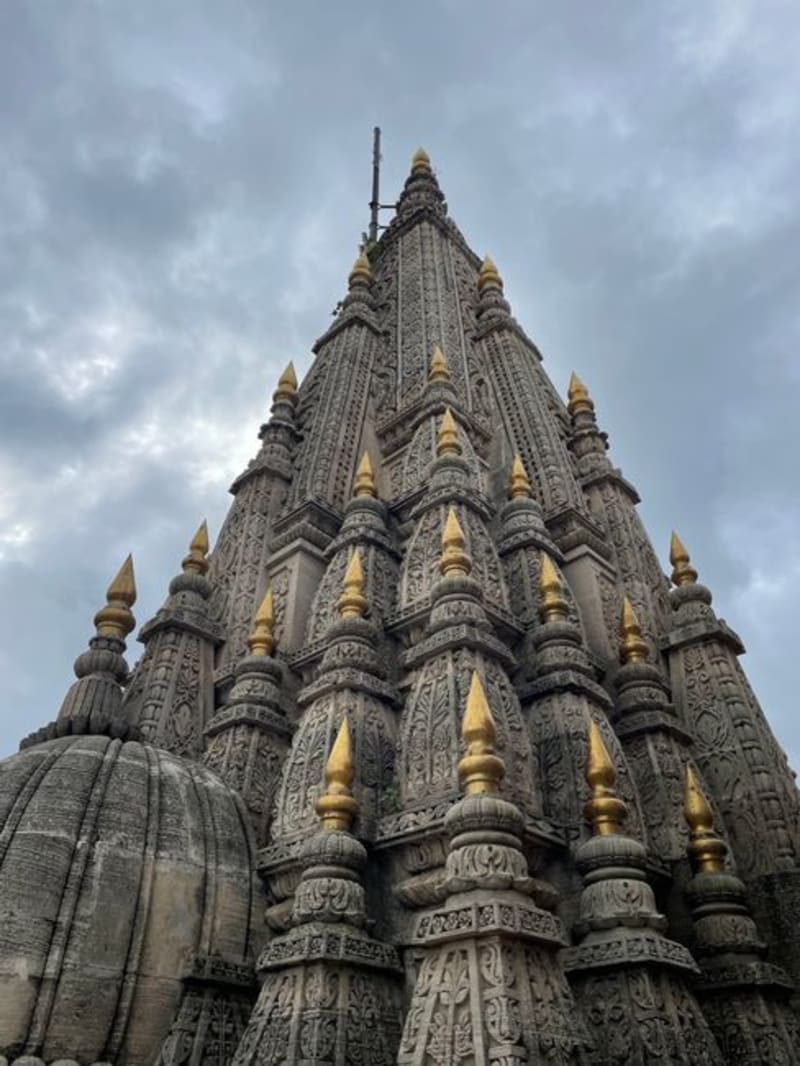
india Dwarka
A pilgrimage town on Gujarat's westernmost tip, built around a temple to Krishna's legendary submerged city, where devotion runs at a pitch few other places in India can match.
Explore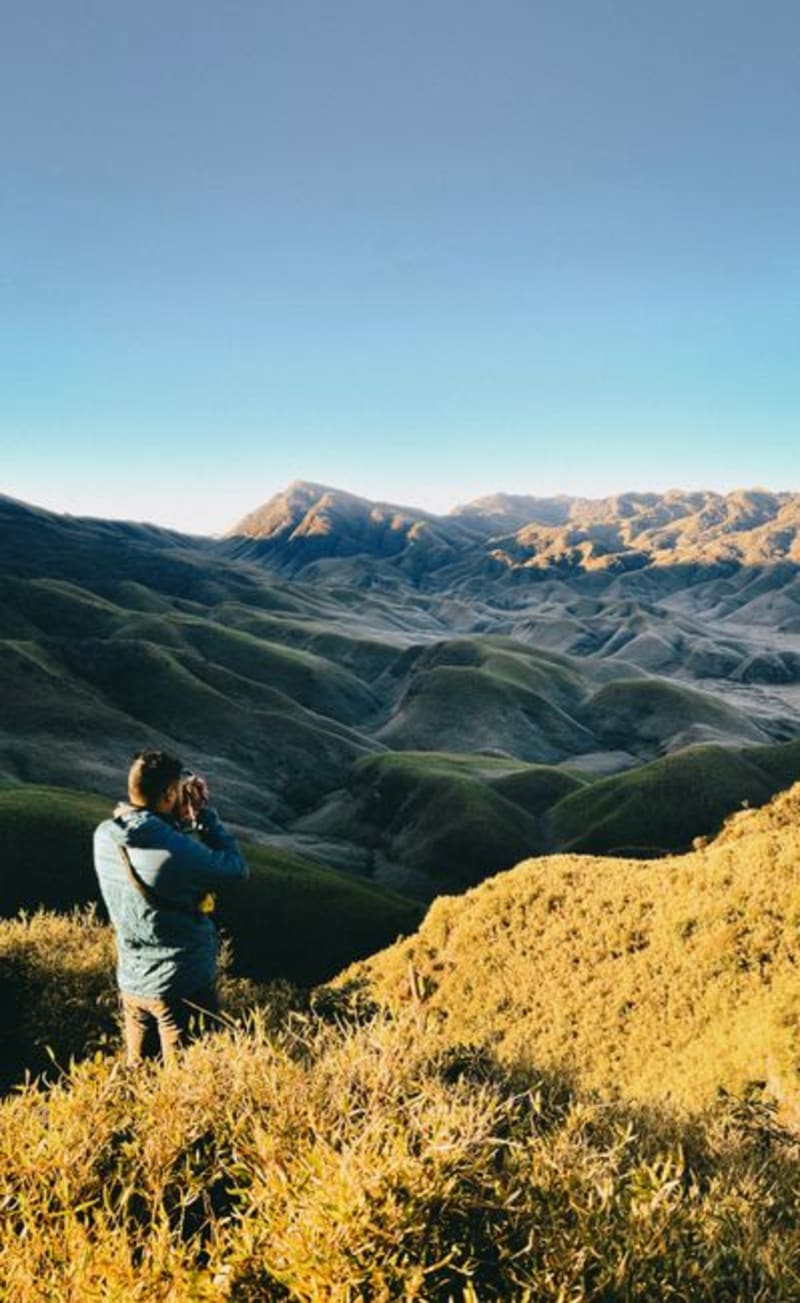 india
india Dzukou Valley
A hidden trekking valley on the Nagaland-Manipur border where rolling green hills and a rare seasonal lily bloom look like nowhere else in India.
Explore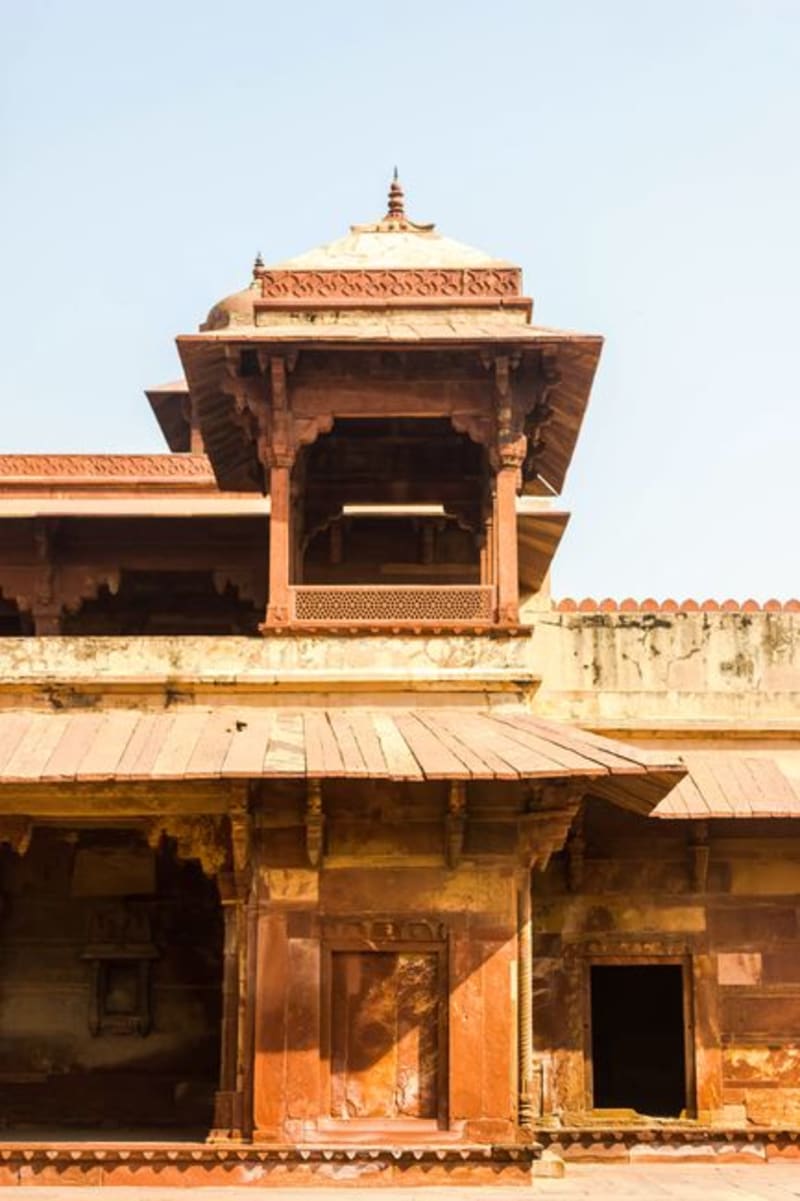 india
india Fatehpur Sikri
Akbar's abandoned red sandstone capital, built in a single burst of imperial ambition and deserted within decades when the water simply ran out.
Explore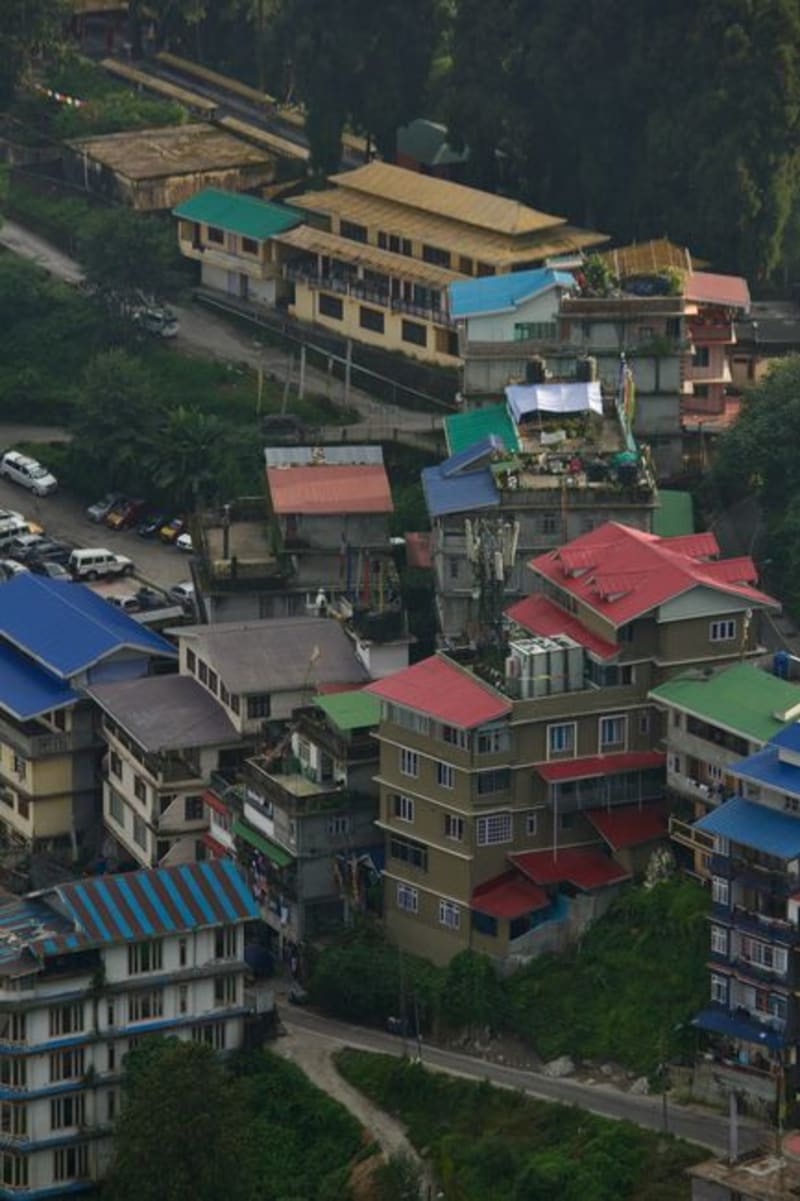 india
india Gangtok
Sikkim's hill capital, where a pedestrian-only main street, a cable car over the valley, and Kanchenjunga on a clear morning make for the best city view in the Himalayas.
Explore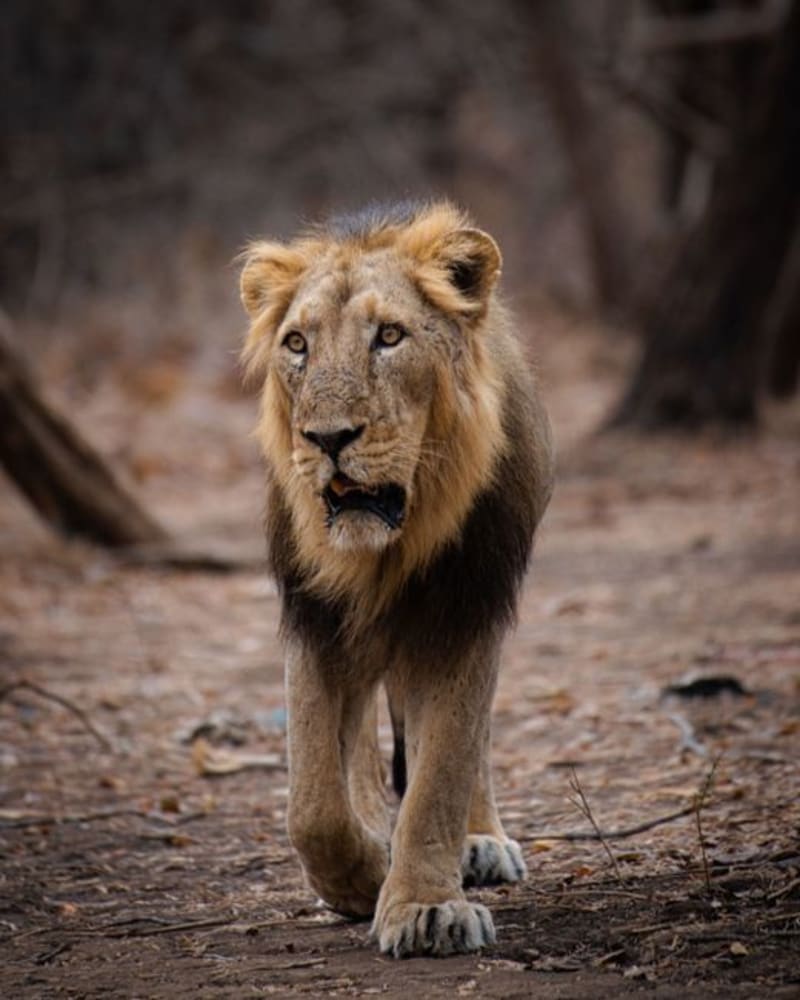 india
india Gir National Park
The last wild home of the Asiatic lion, a dry teak forest in Gujarat where pastoralist herders and apex predators have shared the same ground for generations.
Explore india
india Goa
A former Portuguese colony where Latin churches stand beside Hindu temples and the beaches range from full-moon raves to complete solitude.
Explore