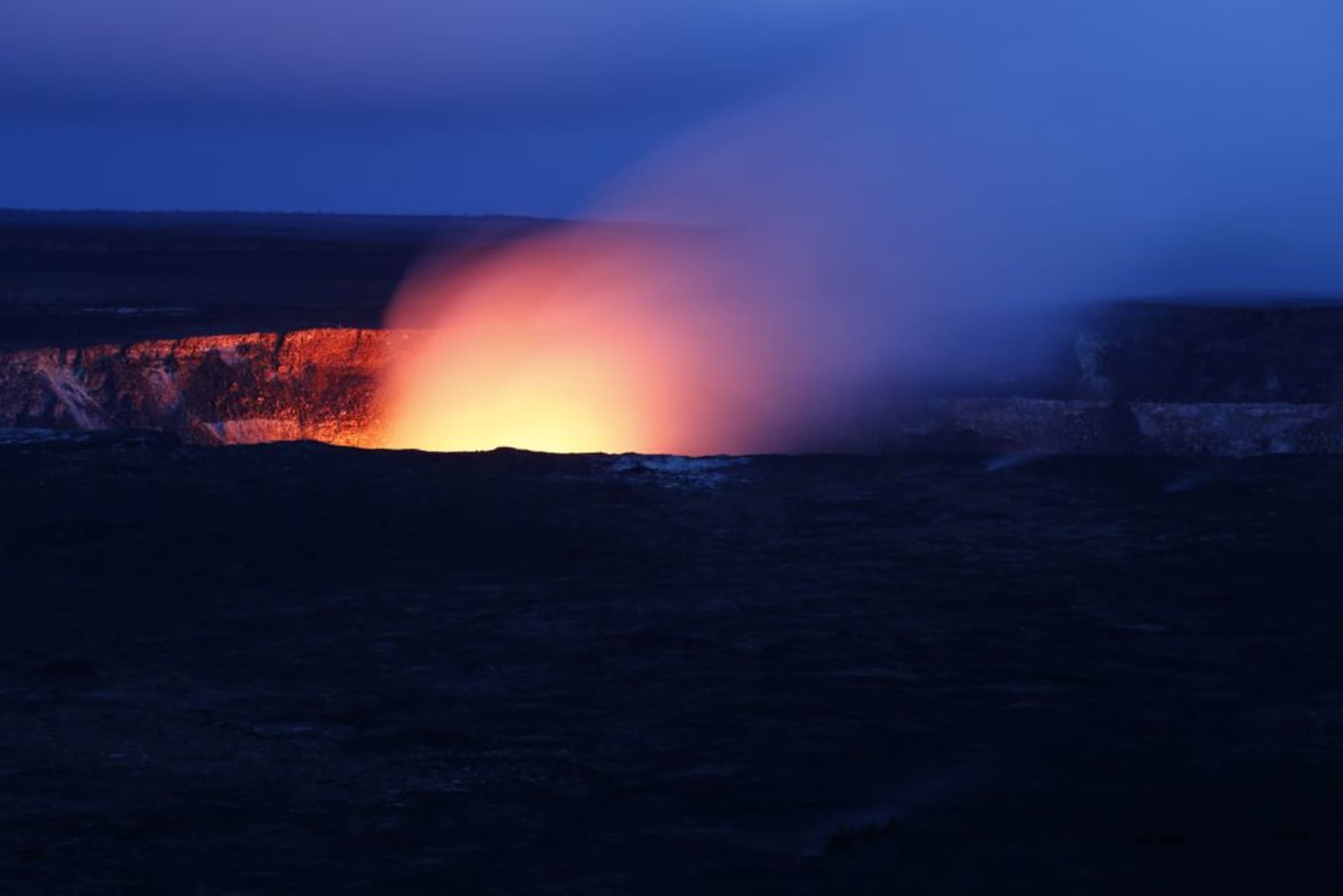
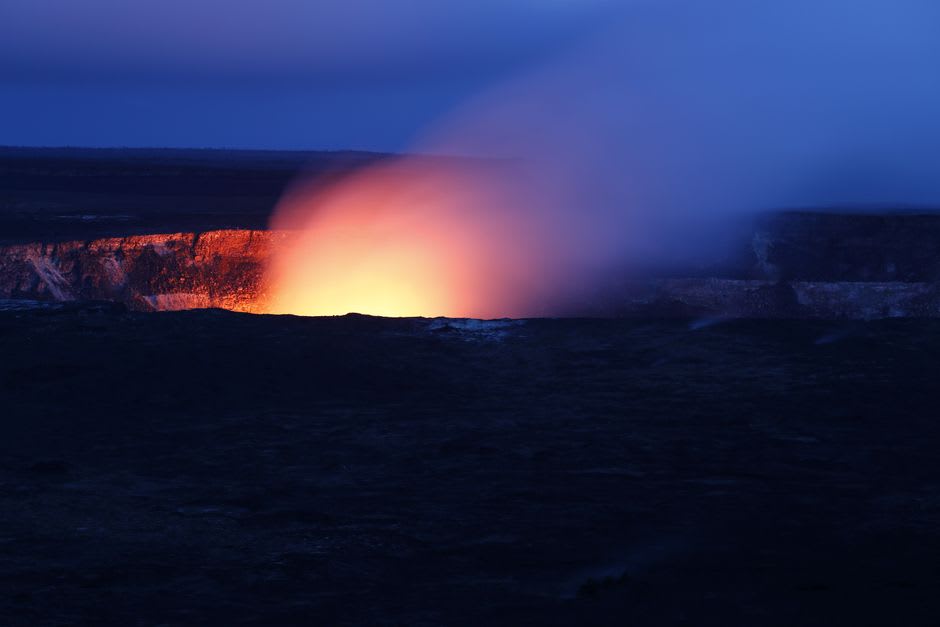
A sunken volcanic crescent three miles off Maui's coast, its flooded caldera holding some of the clearest water and richest reef life in the state.
The boat left Ma’alaea harbor before the wind picked up, which the crew warned us was the entire strategy — Molokini is a crater, and a crater has no reef to break a swell once the trade winds arrive by mid-morning. Lia had been skeptical about a “snorkel cruise,” a phrase that summons images of hundred-person catamarans and a plastic cup of mimosa. It was that, a little. It was also unlike anything I had snorkeled before.
The Crater That Didn’t Quite Sink
Molokini is the exposed rim of a volcanic cone, most of it submerged, leaving a crescent of black rock barely breaking the surface three miles off Maui. Because it never fully joined the mainland, the water inside the flooded caldera runs remarkably clear — visibility stretches sixty, sometimes a hundred feet, an amount that made the ocean floor look like it was lit from below.
We slipped in near the inner wall, where the coral heads spread out like something cultivated rather than wild. A school of yellow tang moved past in a single wheeling mass, then a moray eel pulled its head back into a crevice the second I pointed. Lia surfaced laughing, mask half-flooded, saying she’d never seen fish that unbothered by a human presence — they simply had no reason to expect danger from us here.
The Back Wall, If You’re Certified
For divers, the outer rim of the crescent drops off into what everyone calls the “back wall” — a sheer face plunging past 300 feet into open ocean, patrolled by white-tip reef sharks and, in the right season, manta rays. I am not a certified diver and stayed inside the crescent, which I do not regret; the shallow water gave better light and, frankly, better nerves. Lia dove it the following year with a friend and came back describing a wall of blue that seemed to have no bottom, which sounded like exactly the kind of experience I am content to hear about secondhand.
When to go: Book the earliest boat you can, ideally departing before 7am — the trade winds build through the morning and can turn the crossing rough and the water cloudy by early afternoon. Calmest and clearest tends to be May through September.
Keep exploring
More from Hawai'i
 hawaii
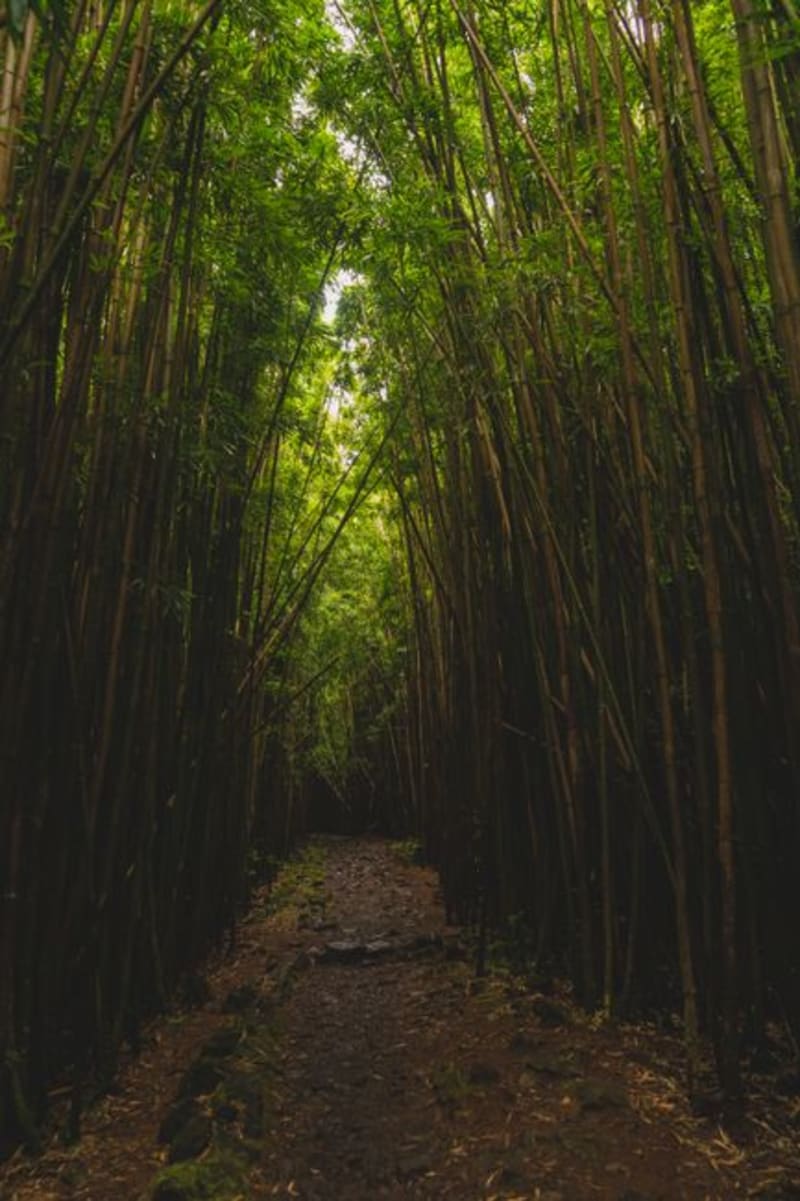
 Munro Trail
A ridgeline 4x4 track and hiking trail climbing Lanai's highest peak through Norfolk pine forest, with views stretching to four other Hawaiian islands.
Explore hawaii
 Na Pali Coast
Kauai's inaccessible cathedral cliffs — 4,000-foot sea walls draped in waterfalls and accessible only by sea or trail.
Explore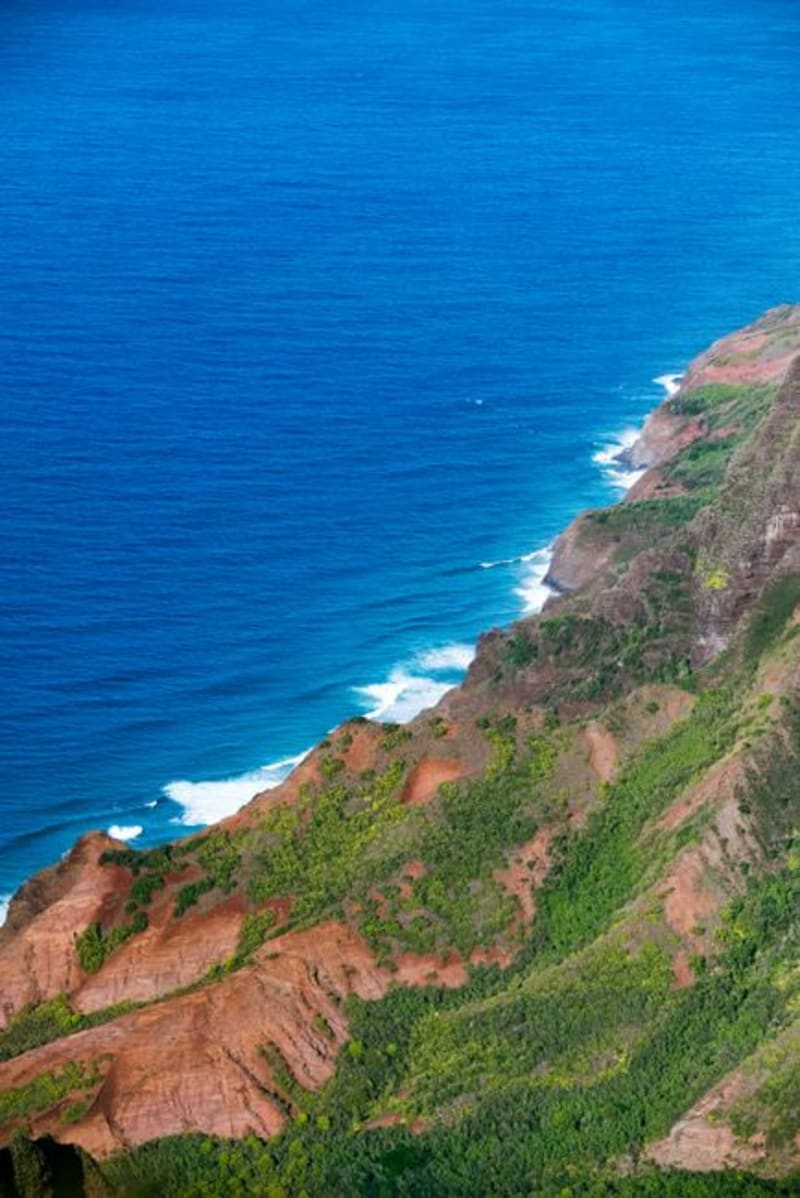 hawaii
 Nu'uanu Pali Lookout
A wind so strong it's a running joke, at the clifftop pass where a decisive 1795 battle sealed Kamehameha's conquest of Oahu.
Explore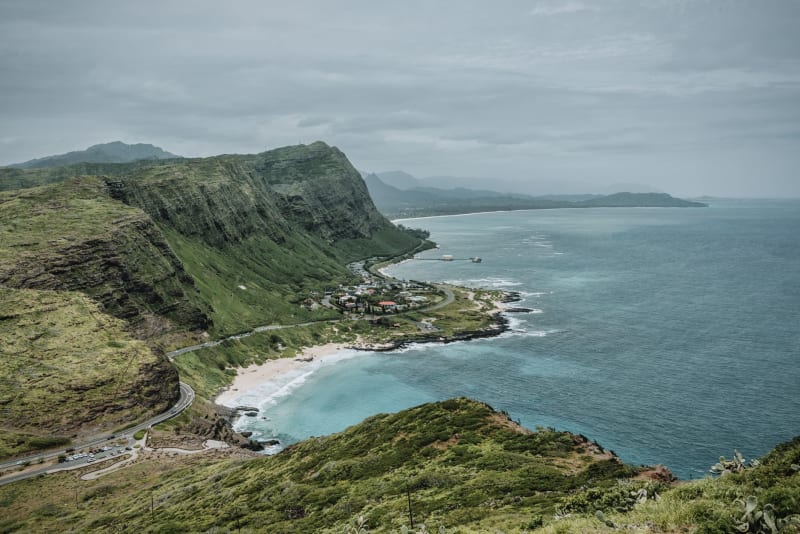 hawaii
 Oahu
The island that holds Honolulu's neon pulse and Diamond Head's volcanic silence within the same afternoon.
Explore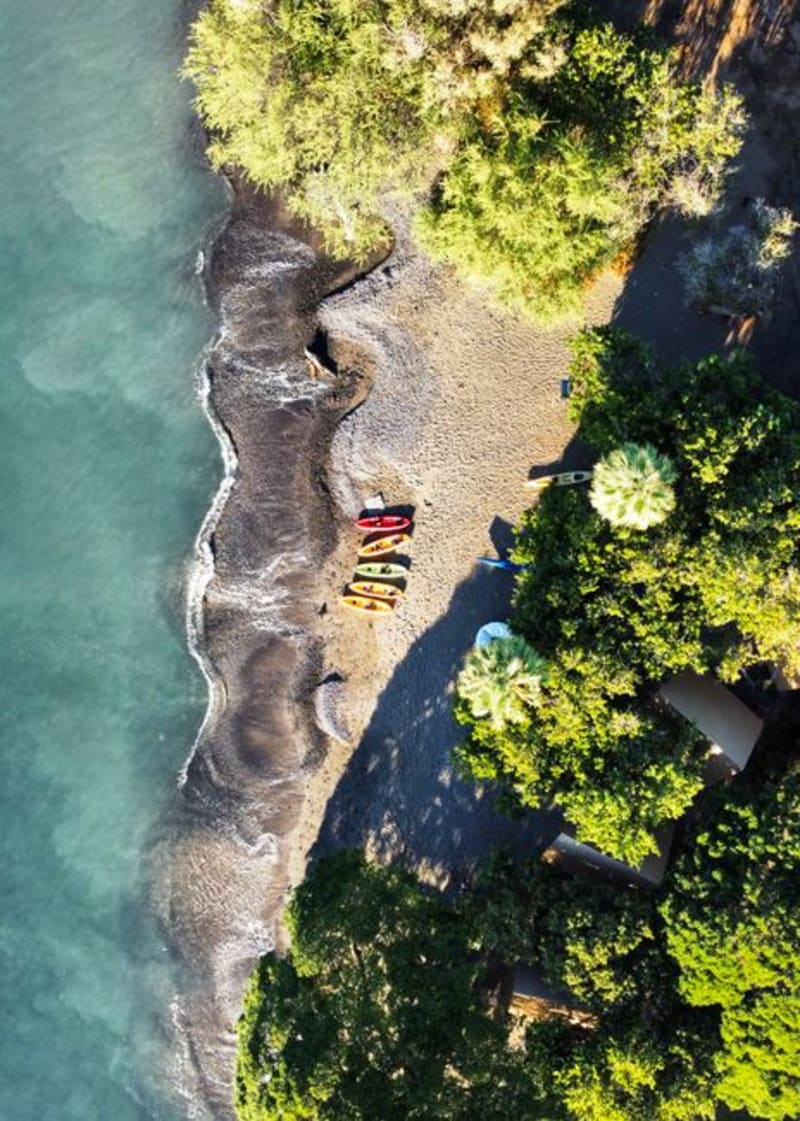 hawaii
 Olowalu
A quiet stretch of West Maui coastline between Lahaina and Ma'alaea, known for a reef so close to shore you can snorkel to it from the beach.
Explore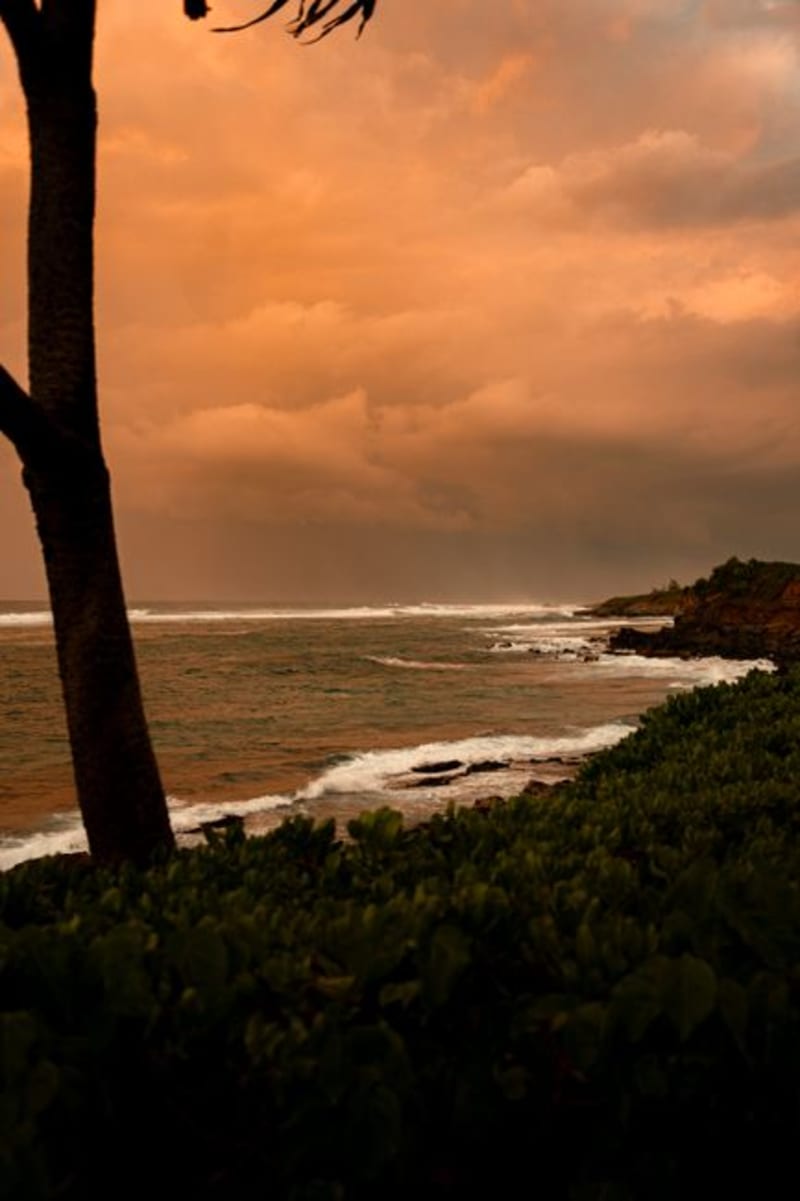 hawaii
 Paia
A former sugar plantation town turned windsurfing and yoga hub, and the last real coffee stop before the Road to Hana.
Explore