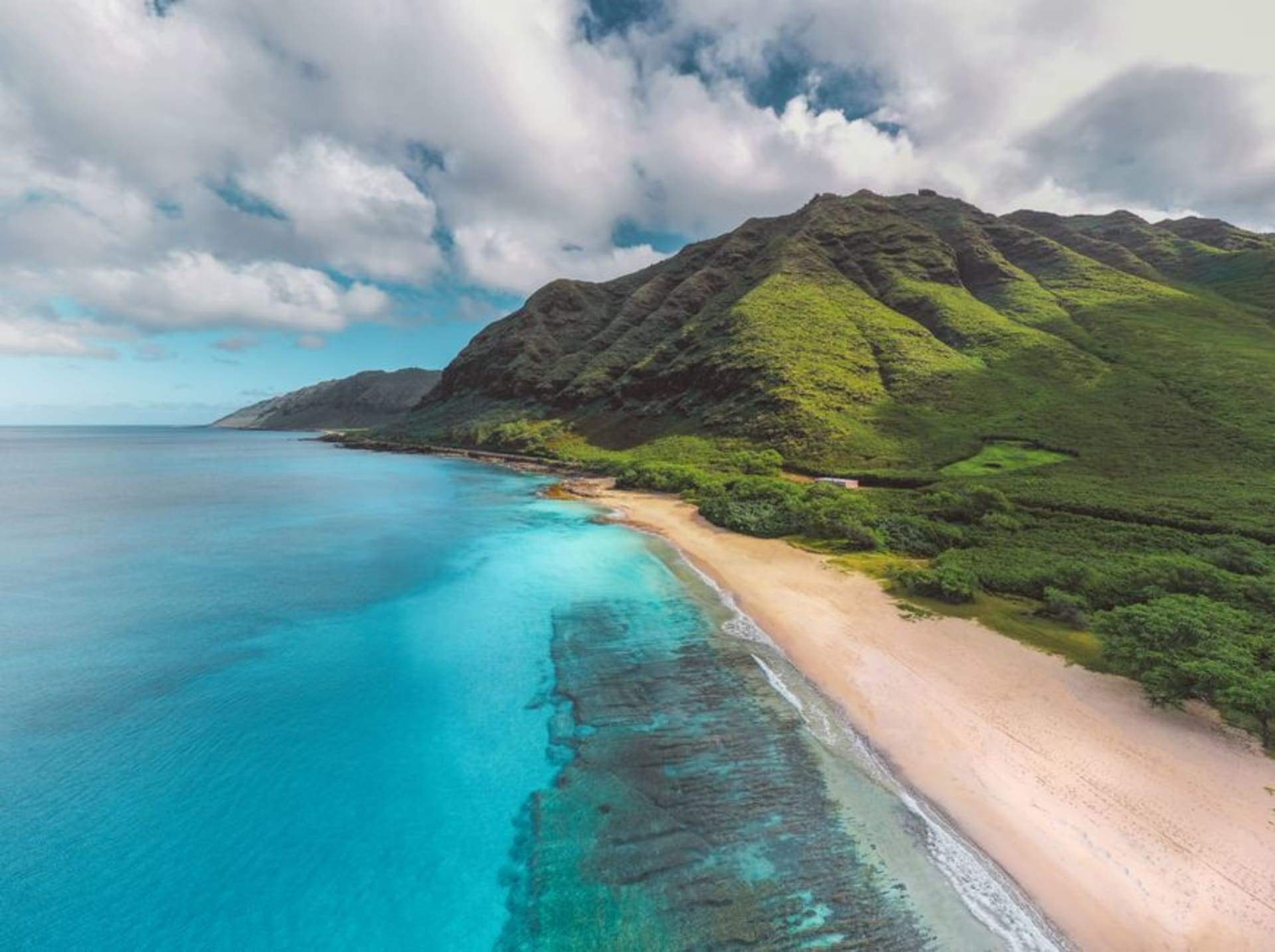
A quiet stretch of West Maui coastline between Lahaina and Ma'alaea, known for a reef so close to shore you can snorkel to it from the beach.

Olowalu is easy to miss entirely — a blink of a settlement between Lahaina and the Pali coastline, marked mostly by a general store and a scattering of cars parked along the highway shoulder for no obvious reason. We only stopped because a dive instructor in Ka’anapali had mentioned it in passing, almost as an aside: “if you don’t want to pay for a boat, just walk in at Olowalu.” That sentence turned out to be worth the entire detour.
Walking Distance to the Reef
Most of Maui’s best snorkeling requires a charter, a crossing, a schedule. Olowalu is the exception — the reef begins remarkably close to shore, in places only a hundred meters out, shallow enough that we waded from the sand and were finning over coral within five minutes. The visibility isn’t Molokini-clear, the water here carries more sediment, but the trade-off is scale: acres of reef, entirely reachable on your own time, no boat captain calling you back to the boat.

We found green sea turtles resting on the sand between coral heads within the first twenty minutes, entirely unbothered by our presence, and a spotted eagle ray gliding past in the deeper channel that made Lia grab my hand underwater hard enough to leave a mark. Winter months apparently bring humpback whales close enough to hear their song underwater, which we did not get to experience but which every local we mentioned it to swore was true and not exaggerated.
The Petroglyphs Nobody Advertises
A short, unmarked walk up a dry gulch behind the general store leads to a cliff face carved with ancient Hawaiian petroglyphs — human figures, dogs, a canoe — that predate any written record of who made them. There’s no sign from the highway, no gift shop, just a rope marking the base of the cliff and a request, spray-painted decades ago, not to touch the rock. It felt like the kind of place that exists specifically for people willing to ask a local a second question.
When to go: Calmest water and best visibility from May to September. Bring your own gear — there are no rental shacks here, which is exactly the point.
Keep exploring
More from Hawai'i
 hawaii
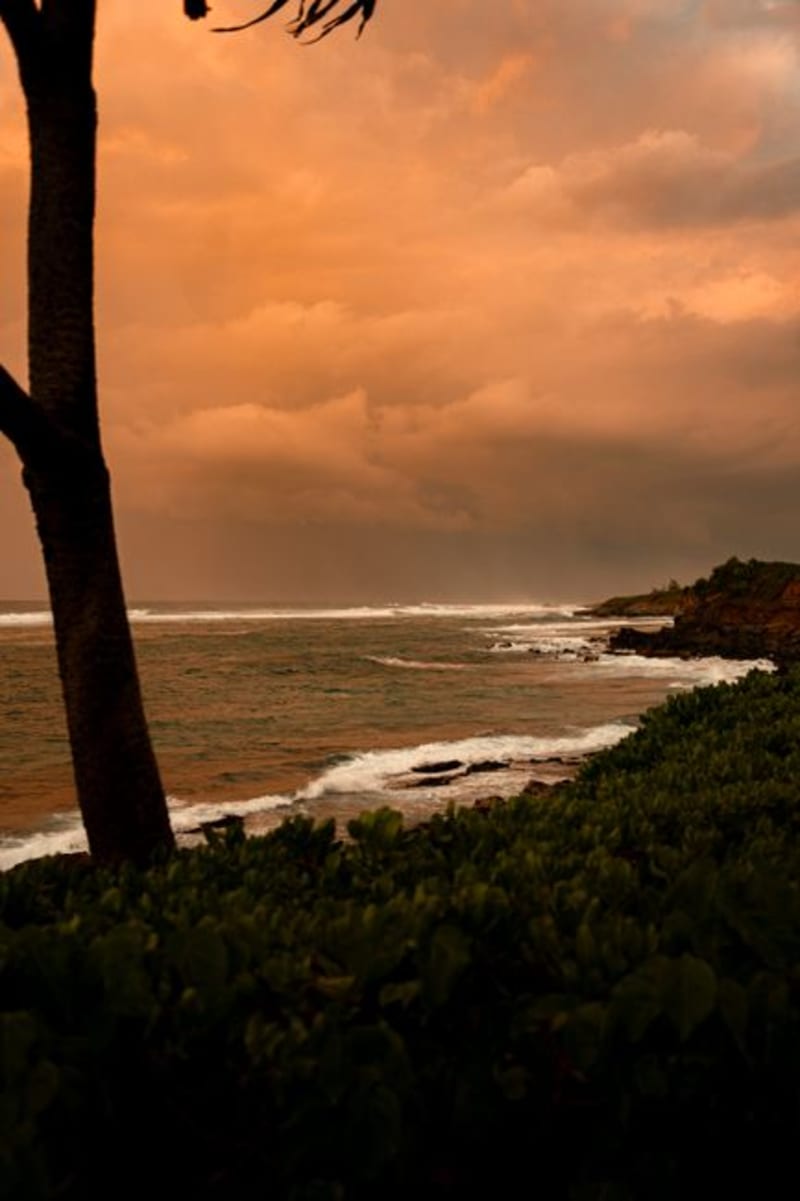
 Paia
A former sugar plantation town turned windsurfing and yoga hub, and the last real coffee stop before the Road to Hana.
Explore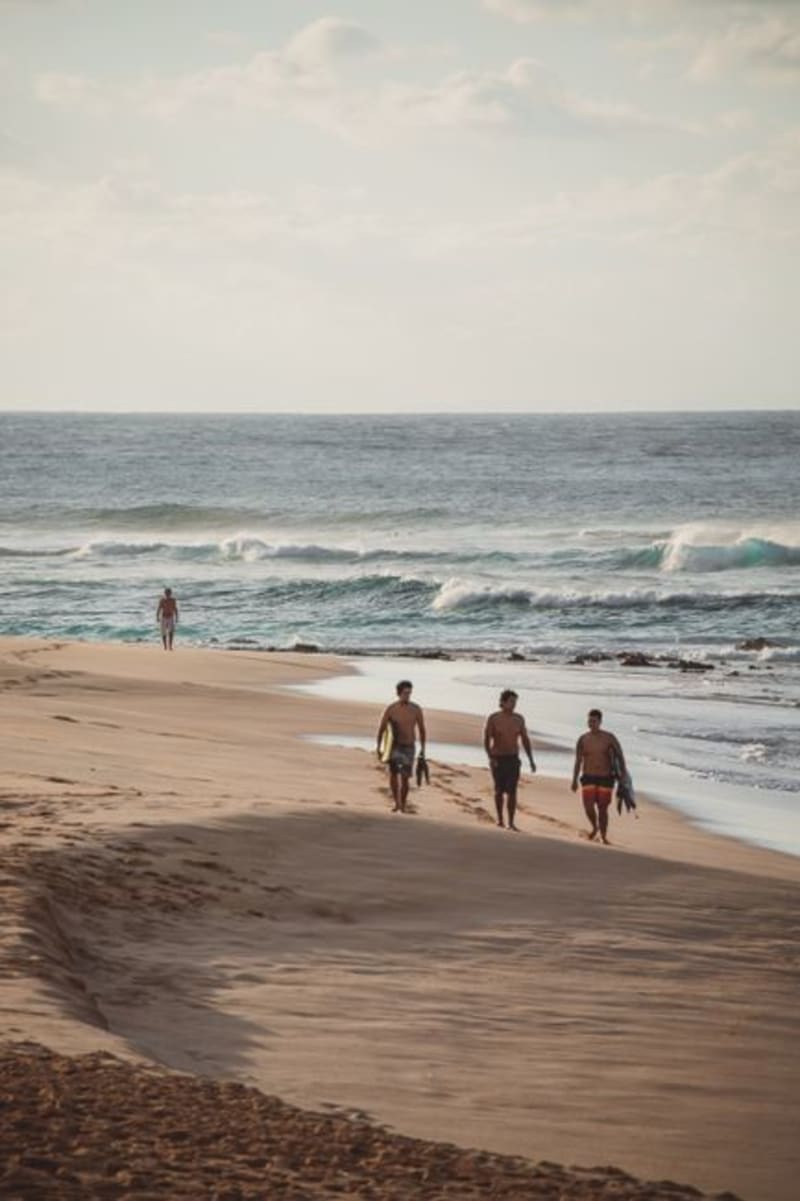 hawaii
 Papohaku Beach
Nearly three miles of gold sand on Molokai's west end, wide enough to lose a person in, and almost never occupied by more than a handful of people.
Explore hawaii
 Pearl Harbor
A working naval base and a sunken battleship that still leaks oil, sixty years after the morning that changed the Pacific.
Explore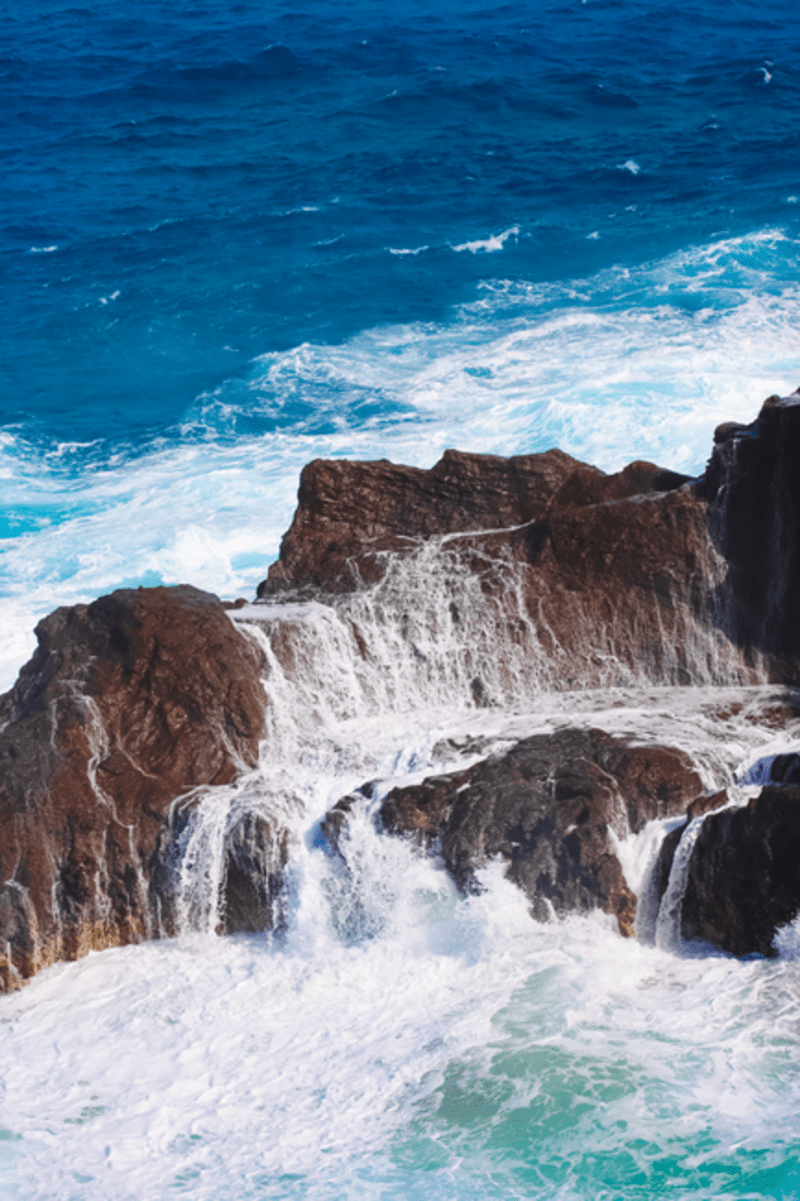 hawaii
 Po'ipu
Kaua'i's sunny south shore — golden beaches, snorkeling coves, and the monk seals that nap on the sand like they own it.
Explore hawaii
 Polihale Beach
A seventeen-mile stretch of remote sand at Kaua'i's western edge, reached by a bone-rattling dirt road and rewarded with total solitude.
Explore hawaii
 Pololu Valley
The dramatic end of the Kohala coastal road — a switchback trail down to a black sand beach ringed by sea cliffs.
Explore