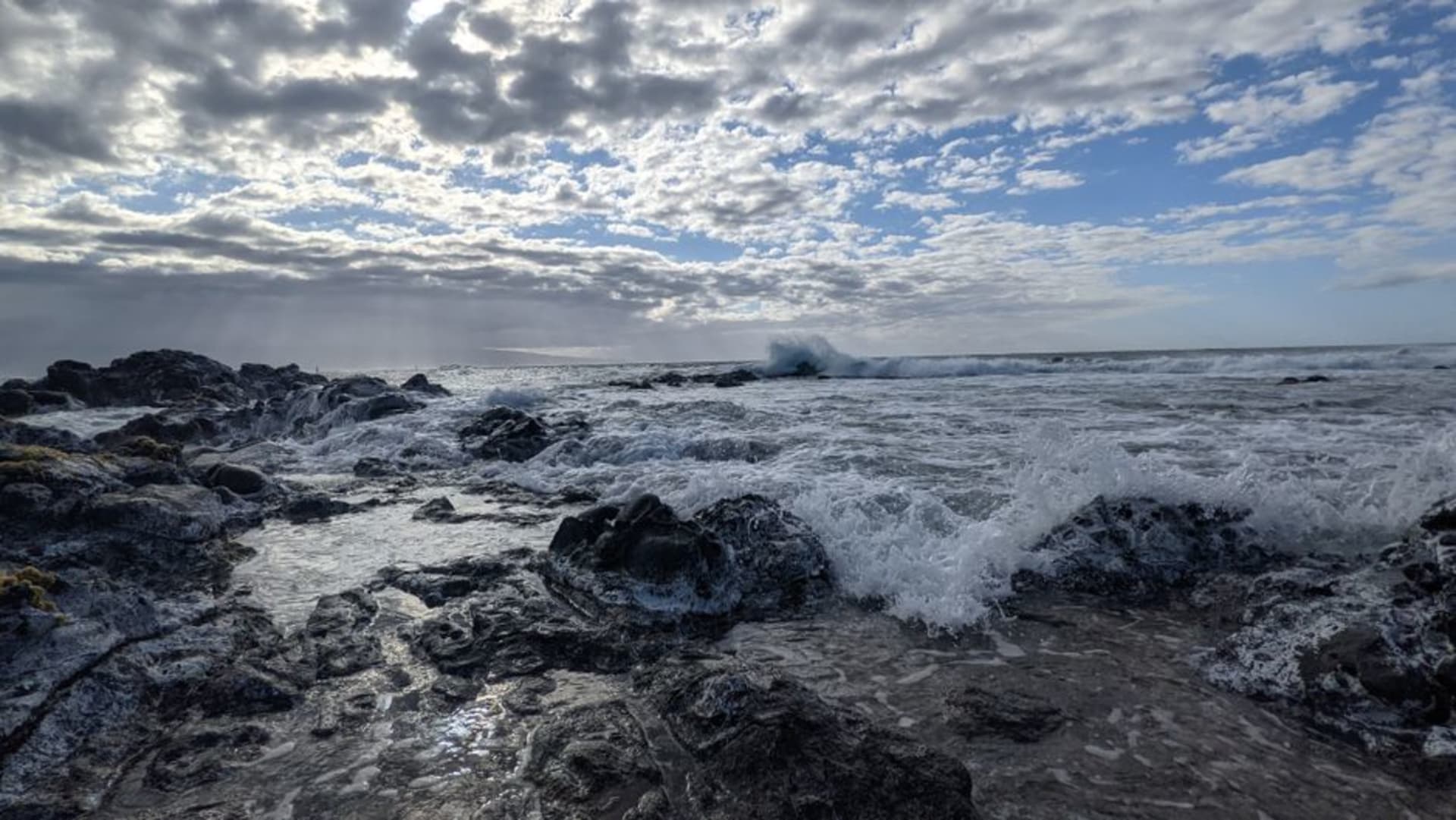
A former sugar plantation town turned windsurfing and yoga hub, and the last real coffee stop before the Road to Hana.

Every account of the Road to Hana mentions Pa’ia as a footnote — the bakery, the last gas station, the place you grab a malasada before the curves start. That framing does the town a disservice. We ended up staying two nights in Pa’ia on a return trip specifically because the first pass-through wasn’t enough, and it turned out to be one of the more interesting small towns we found on Maui.
From Sugar Cane to Sail
Pa’ia was built around a sugar mill in the late 1800s, and the wooden storefronts along Baldwin Avenue and Hana Highway still carry that plantation-town bone structure — false fronts, tin roofs, narrow lots. When the mill closed in the 1980s, the town could easily have withered the way so many former plantation towns across Hawai’i did. Instead it reinvented itself almost entirely around Ho’okipa Beach’s wind, and today the main street is a mix of surf shops, art galleries, and restaurants that would not feel out of place in a much larger city.

Lia found a linen dress in a boutique that used to be a hardware store — you could still see the outline of shelf brackets on one wall — and I drank a cortado at a café that roasts its own beans from a farm up in Kula, twenty minutes into the hills behind town. The whole place has a slightly worn, unpretentious energy that I preferred to the more polished resort towns further south.
Where the Wind People Go
Just east of town, Ho’okipa Lookout gives you a free show most afternoons — windsurfers and kitesurfers launching into swell that Maui’s trade winds and North Shore exposure turn into some of the most consistent conditions in the world. We sat on the grass above the beach for the better part of an hour watching sails cut back and forth against the swell, occasionally punctuated by someone launching genuinely airborne off a wave face. Green sea turtles haul out on the sand below in the late afternoon too, and the crowd there is respectfully quiet about it, keeping distance without needing to be told.

Dinner both nights was at a place with a menu built almost entirely around the day’s fish catch and produce from Kula farms — nothing fussy, everything precise. It’s the kind of town where you plan to stop for twenty minutes and end up rearranging your itinerary.
When to go: Year-round, though winter (November to March) brings the biggest surf and the most reliable wind for watching the Ho’okipa show. Weekday mornings keep Baldwin Avenue quiet before the Road to Hana traffic builds.
Keep exploring
More from Hawai'i
 hawaii
 Papohaku Beach
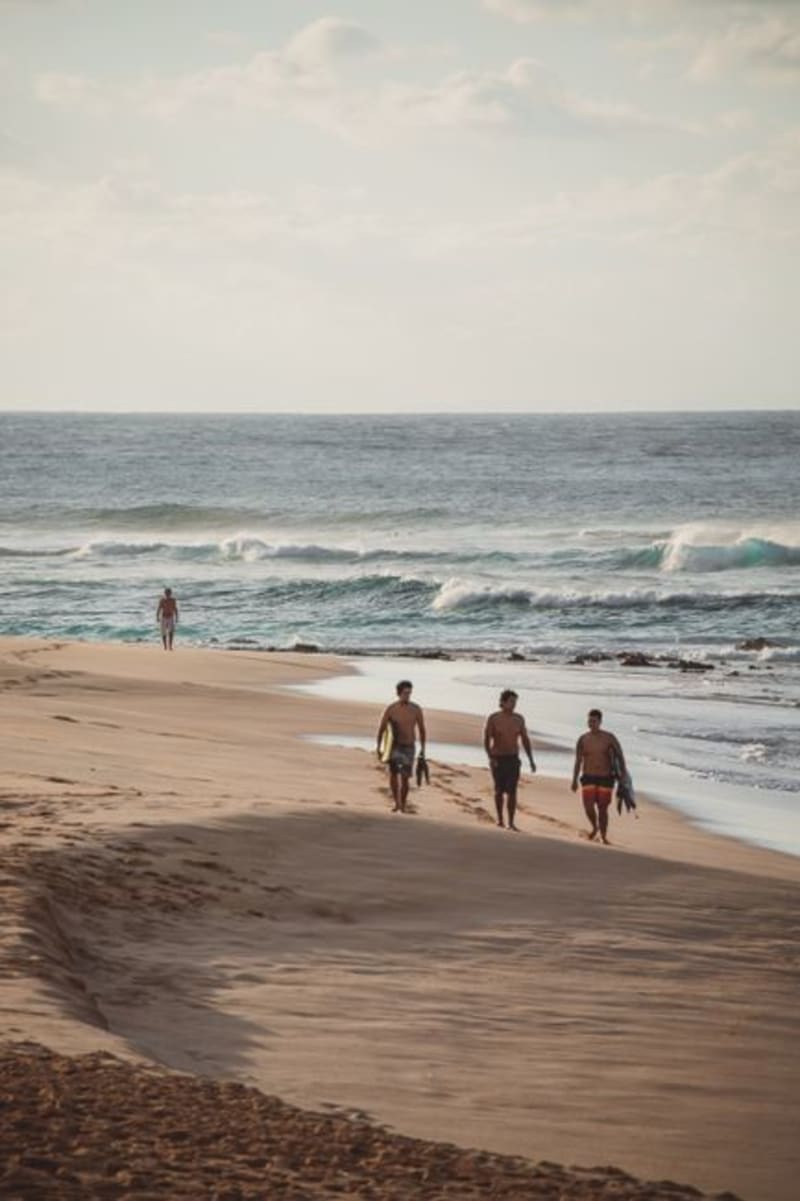
Nearly three miles of gold sand on Molokai's west end, wide enough to lose a person in, and almost never occupied by more than a handful of people.
Explore hawaii
 Pearl Harbor
A working naval base and a sunken battleship that still leaks oil, sixty years after the morning that changed the Pacific.
Explore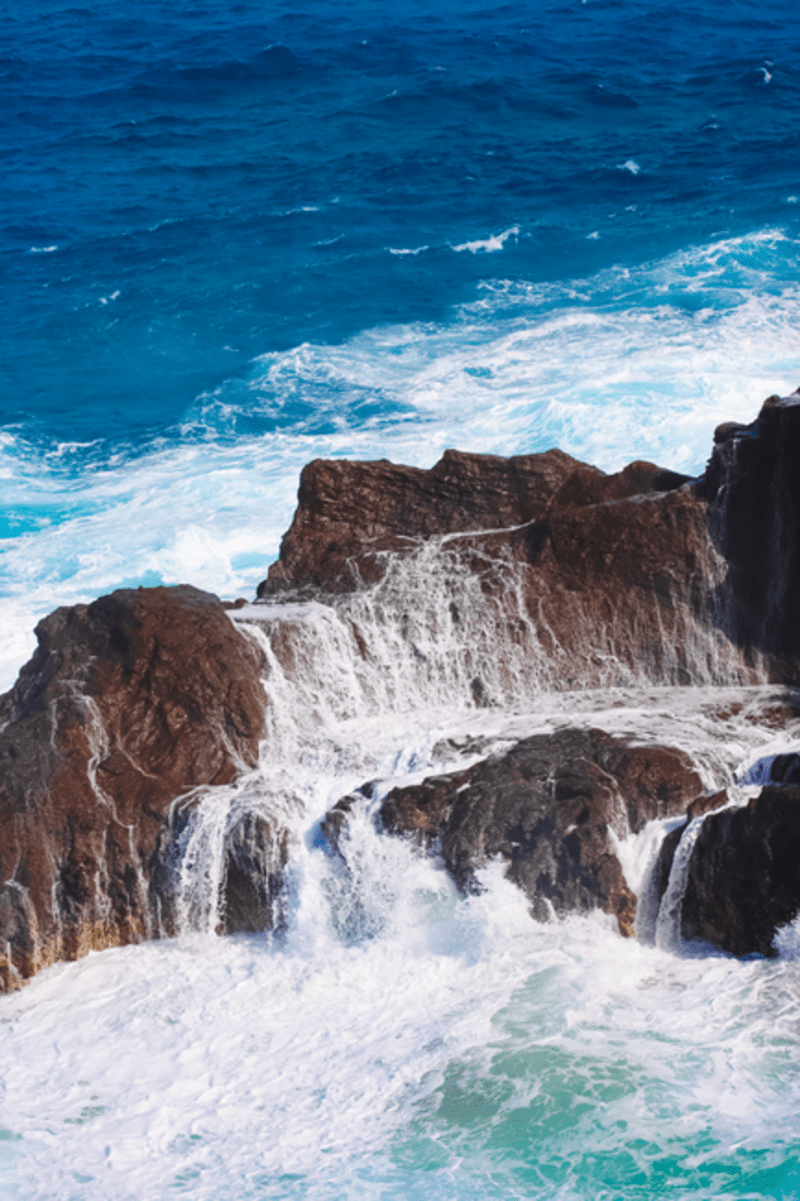 hawaii
 Po'ipu
Kaua'i's sunny south shore — golden beaches, snorkeling coves, and the monk seals that nap on the sand like they own it.
Explore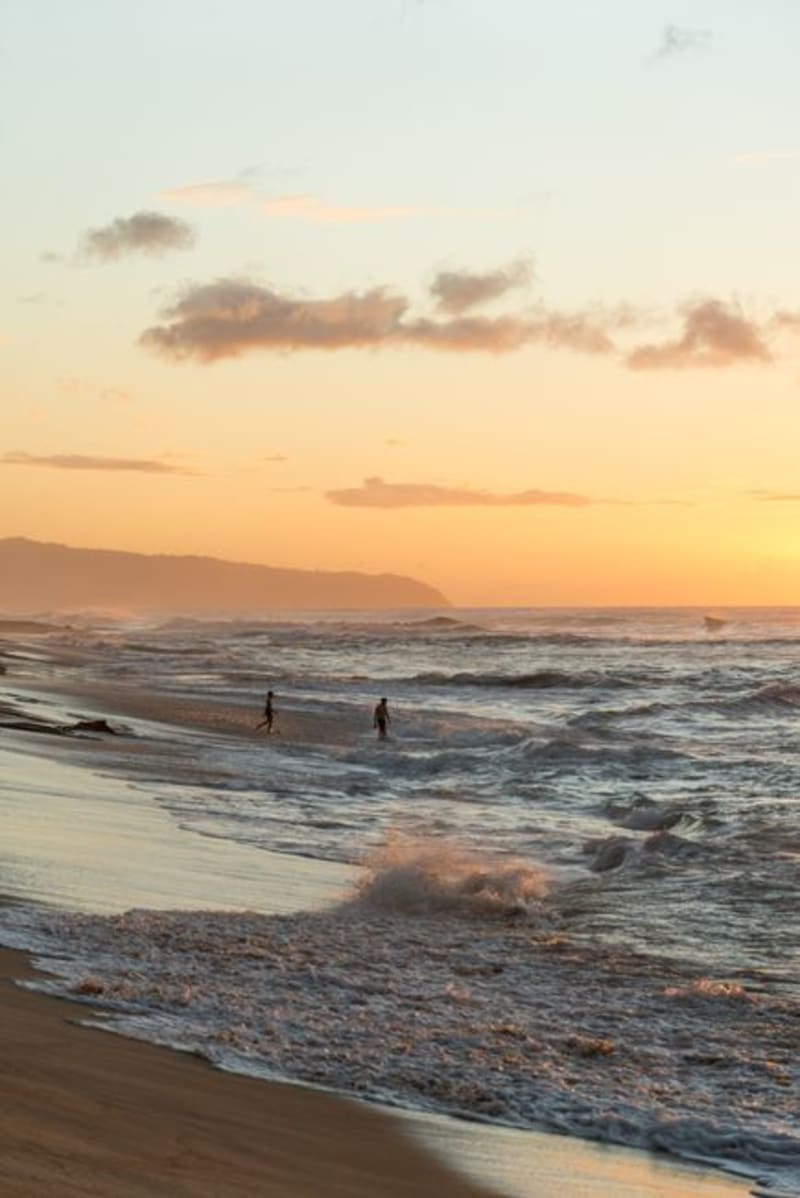 hawaii
 Polihale Beach
A seventeen-mile stretch of remote sand at Kaua'i's western edge, reached by a bone-rattling dirt road and rewarded with total solitude.
Explore hawaii
 Pololu Valley
The dramatic end of the Kohala coastal road — a switchback trail down to a black sand beach ringed by sea cliffs.
Explore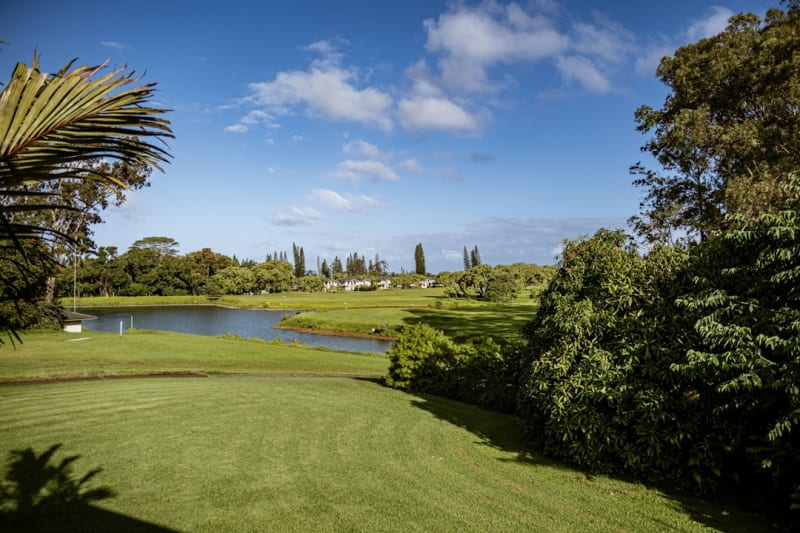 hawaii
 Princeville
A clifftop resort community on Kaua'i's North Shore, with the island's best golf-course ocean views and a lighthouse walk that outshines the fairways.
Explore