Africa
Guinea
"Every time I think West Africa has no more surprises, Guinea proves me wrong."
A country where the Fouta Djallon highlands split the horizon into waterfalls and cattle trails, and Conakry's chaos gives way to a quiet that most West Africa itineraries never find.

I arrived in Conakry at dusk, which is exactly the wrong time to arrive anywhere with a population of three million and one road in and out. The taxi driver was philosophical about it. We sat in traffic for two hours while he explained, in excellent French, why Guinea was better than Senegal, better than Côte d’Ivoire, better than anywhere I’d been before. I’d heard that speech in a dozen countries. I believed him this time.
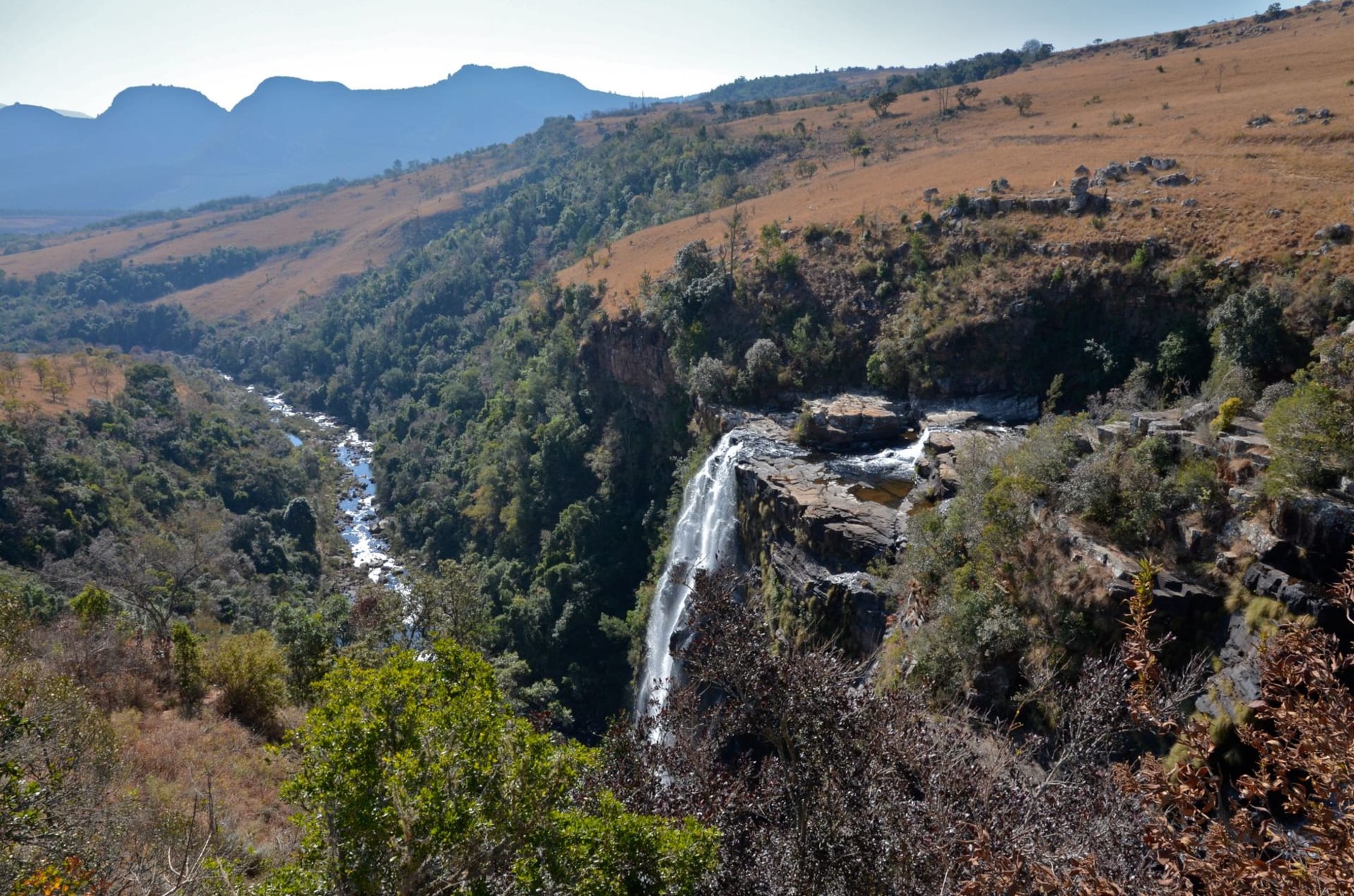
Conakry is the entry tax you pay to reach the rest of the country. The peninsula capital is exhausting and loud and waterlogged in ways that feel structural rather than seasonal. But once you get out — north toward the Fouta Djallon, east toward the forested hills of the Guinea Highlands — the country reveals something I hadn’t expected: genuine grandeur. The Fouta Djallon is one of those landscapes that makes you recalibrate. Rolling grassland at altitude, sudden gorges, waterfalls that appear without warning off the side of a road that’s barely a road. I spent a morning at Chutes de la Kinkon standing in the spray, eating oranges I’d bought from a kid outside Pita, not talking to anyone. That kind of morning is what I travel for.
The food in the interior is simple and good — riz gras cooked with palm oil and whatever protein arrived that morning, foutou pounded in front of you, leaf sauces with a bitterness that takes getting used to and then becomes something you crave. In Labé I ate at a woman’s house who had four plastic chairs and a gas burner and was operating what functioned as a restaurant. The chicken had been alive recently. I could tell. In the best possible way. Guineans eat with a seriousness I respect — no performance, no fusion experiment, just the dish itself.
When to go: November through February is the dry season and the only time highland roads are reliably passable. March and April can work but the heat builds fast. Avoid the rainy season (May–October) unless you’re specifically after the waterfall spectacle and don’t mind roads that disappear under mud. July and August are genuinely impassable in places.
What most guides get wrong: They treat Guinea as a transit country — a place you pass through on the way to Sierra Leone or Senegal — or they write it off entirely because of the political instability headlines. What they miss is that the instability is mostly urban and the highlands are a separate world. The Peul herders of the Fouta Djallon have been managing this plateau for centuries. Nobody is fighting up here. You’ll see more cattle than people on most trails, and the trails connect villages where showing up unannounced is still the normal way to travel. Guinea is not undiscovered — it’s just inconvenient, which is almost always a good sign.
Explore
Places in Guinea
 guinea
 Boké
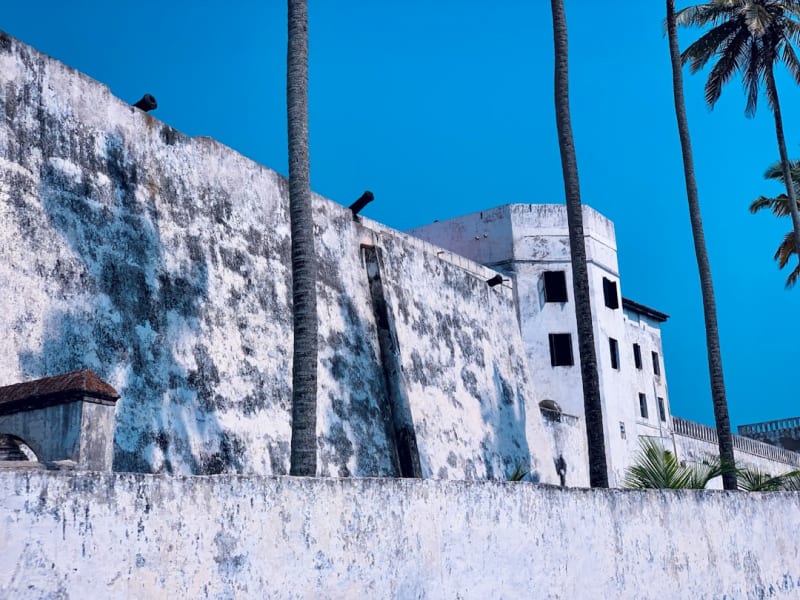
A river port beneath a colonial fort, where bauxite trucks and pirogues share the same slow, humid rhythm of the Rio Nunez.
Explore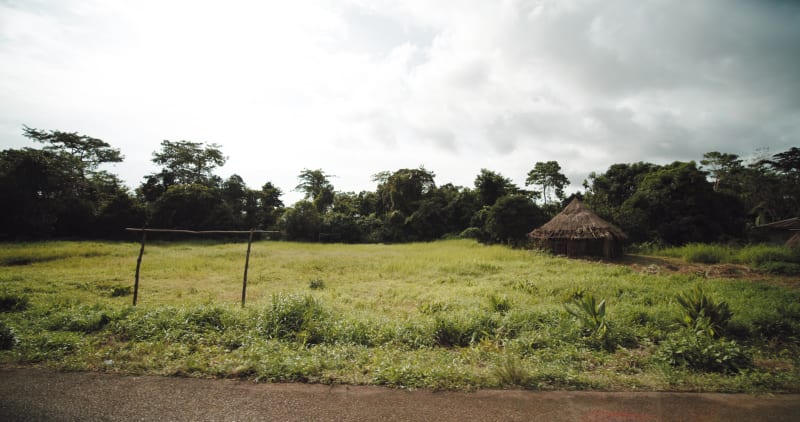 guinea
 Bossou
A small village in the Nimba foothills where chimpanzees use stone tools to crack nuts in a sacred forest that scientists have watched for fifty years.
Explore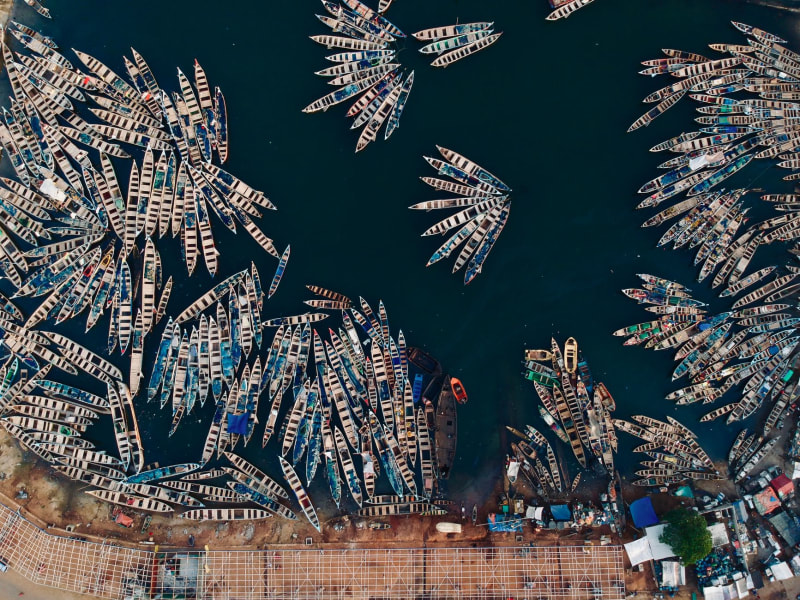 guinea
 Conakry
A peninsula city of impossible energy where the Atlantic meets West African chaos in a permanent, exhausting, magnificent collision.
Explore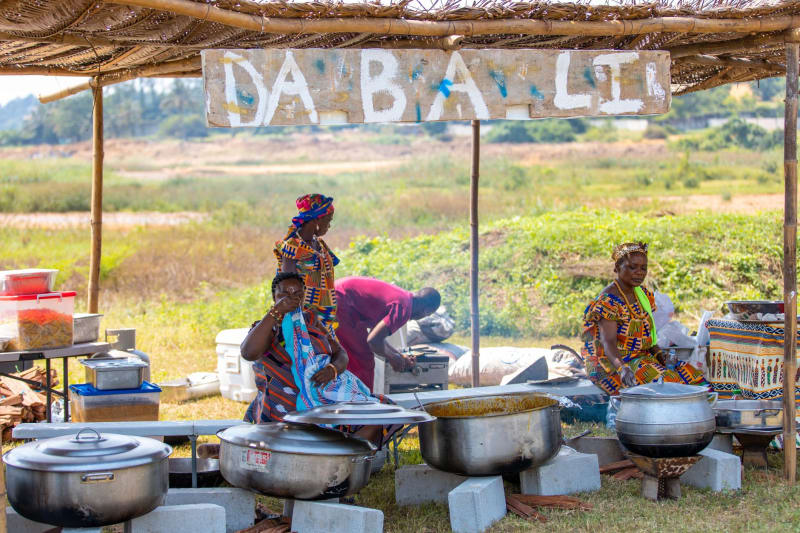 guinea
 Dalaba
A cool highland retreat where French colonial bungalows dot forested hillsides and the air carries the impossible lightness of altitude.
Explore guinea
 Îles de Los
A small archipelago just off Conakry where centuries of colonial history have dissolved into quiet beaches and fishing villages.
Explore guinea
 Kankan
Guinea's second city on the Milo River, where Malinké culture and Islamic scholarship meet the hot, dry air of the Upper Niger basin.
Explore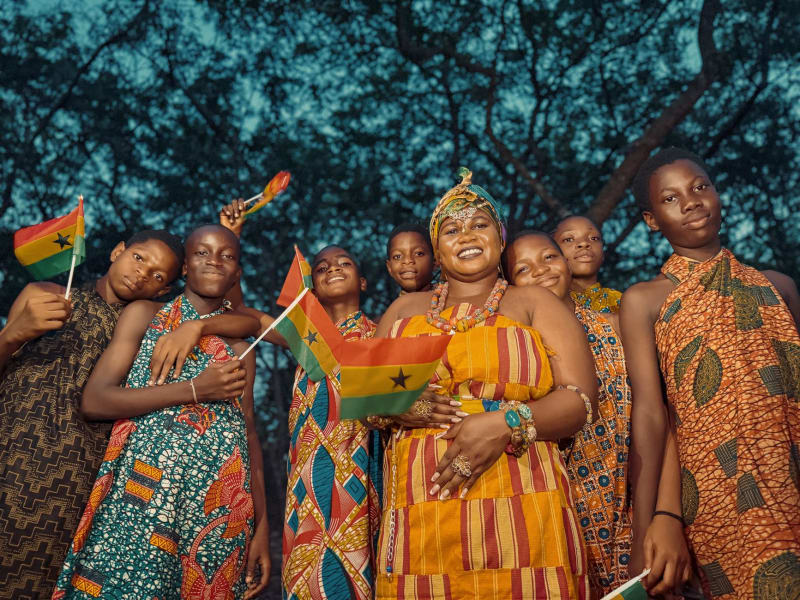 guinea
 Kindia
A bustling market town at the foot of the Fouta Djallon where the famous Bridal Veil falls and a colonial-era research station hide in the green folds of the hills.
Explore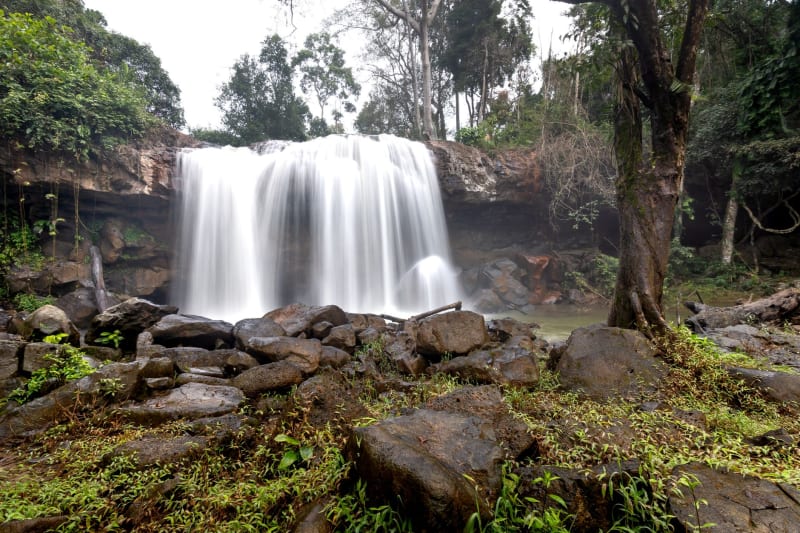 guinea
 Kinkon Falls
A thundering waterfall at the edge of the Fouta Djallon that arrives without warning and stays with you longer than most landmarks manage.
Explore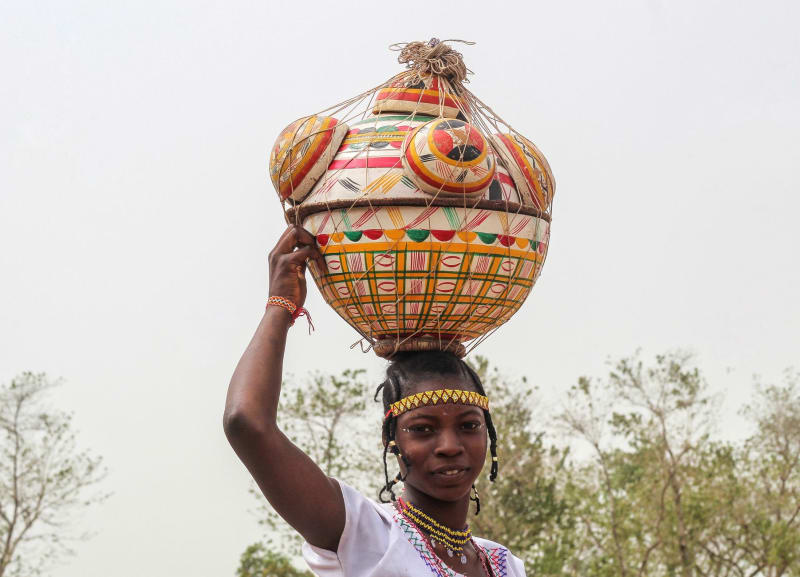 guinea
 Labé
The highland capital of the Fouta Djallon where Peul herders in embroidered robes ride the plateau paths and the altitude gives everything a cooler, slower quality.
Explore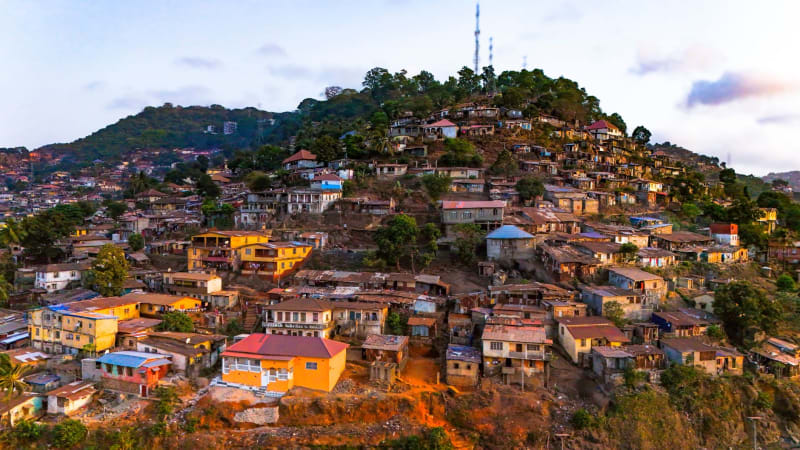 guinea
 Mamou
Guinea's crossroads town, where all roads converge and the griot tradition runs so deep you can hear it in ordinary conversation.
Explore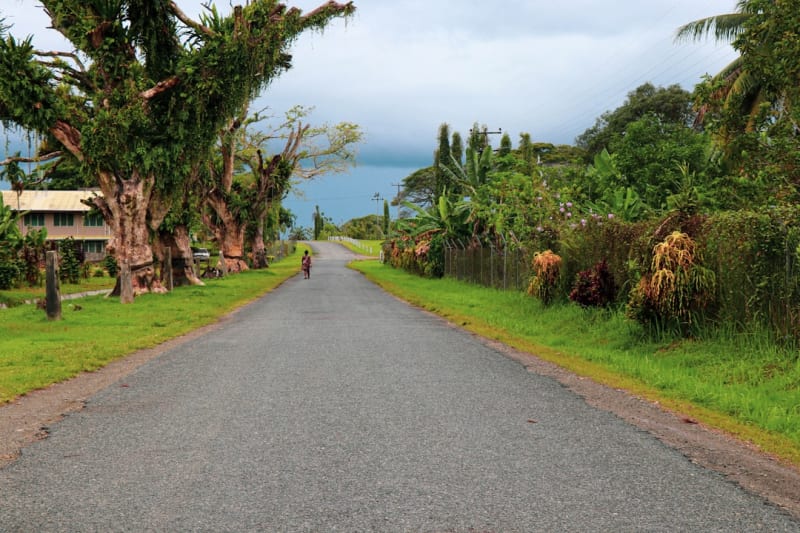 guinea
 Mount Nimba
A misty, near-forbidden massif on Guinea's southern border where a toad gives birth to live young and chimps still knap stone.
Explore guinea
 Nzérékoré
The capital of Guinea's forest region, where the great West African rainforest begins and the country becomes something entirely different from its highland self.
Explore guinea
 Pita
A Fouta Djallon market town where the weekly cattle trade brings the plateau alive and the oranges are the best I have found anywhere in West Africa.
Explore