
Labé
"In Labé, the morning mist sits in the valleys like something the plateau is deciding whether to keep."
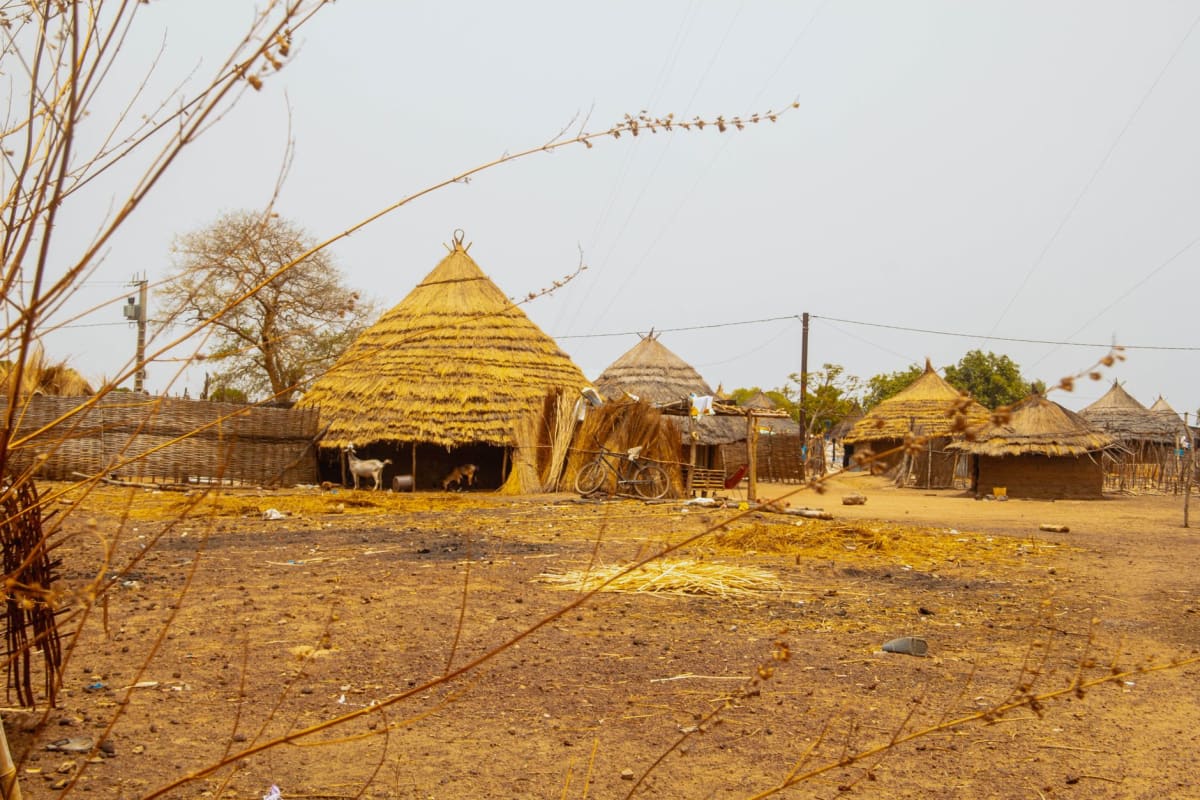
The highland capital of the Fouta Djallon where Peul herders in embroidered robes ride the plateau paths and the altitude gives everything a cooler, slower quality.

I arrived in Labé on a market day, which meant the road into town was lined with people walking in the same direction I was driving, most of them with something balanced on their heads or herded in front of them. A man with a bicycle was carrying approximately twelve live chickens. I know this because I counted them, slowly, from the taxi window, while we waited for a zebu to finish crossing the road with an authority that suggested zebus have always had right of way in the Fouta Djallon and see no reason to revise the arrangement.
Labé sits at around 1,100 metres above sea level, and the air at that altitude has a quality that lowland Guinea does not prepare you for. It is cool enough in the mornings that I wore a jacket, which felt absurd in West Africa until I felt the temperature, and then felt entirely correct. The plateau grasses around the city are a specific dry-season gold — not the yellow of drought but the gold of proper highland pasture, the kind that has been grazed for centuries and has reached an equilibrium with the cattle and the herdsmen.
The market in Labé is one of the best in the Fouta Djallon, and not just for produce. The embroidered robes the Peul men wear — wide, flowing, with geometric needlework around the collar and chest — are sold here in colours so specific they seem to have been named by someone with a genuine relationship to colour. There is a shade of deep teal that I have not seen anywhere else. The tailors work in stalls at the back of the market, their sewing machines running with a particular rhythm, and they will make a robe to order in a day and a half.
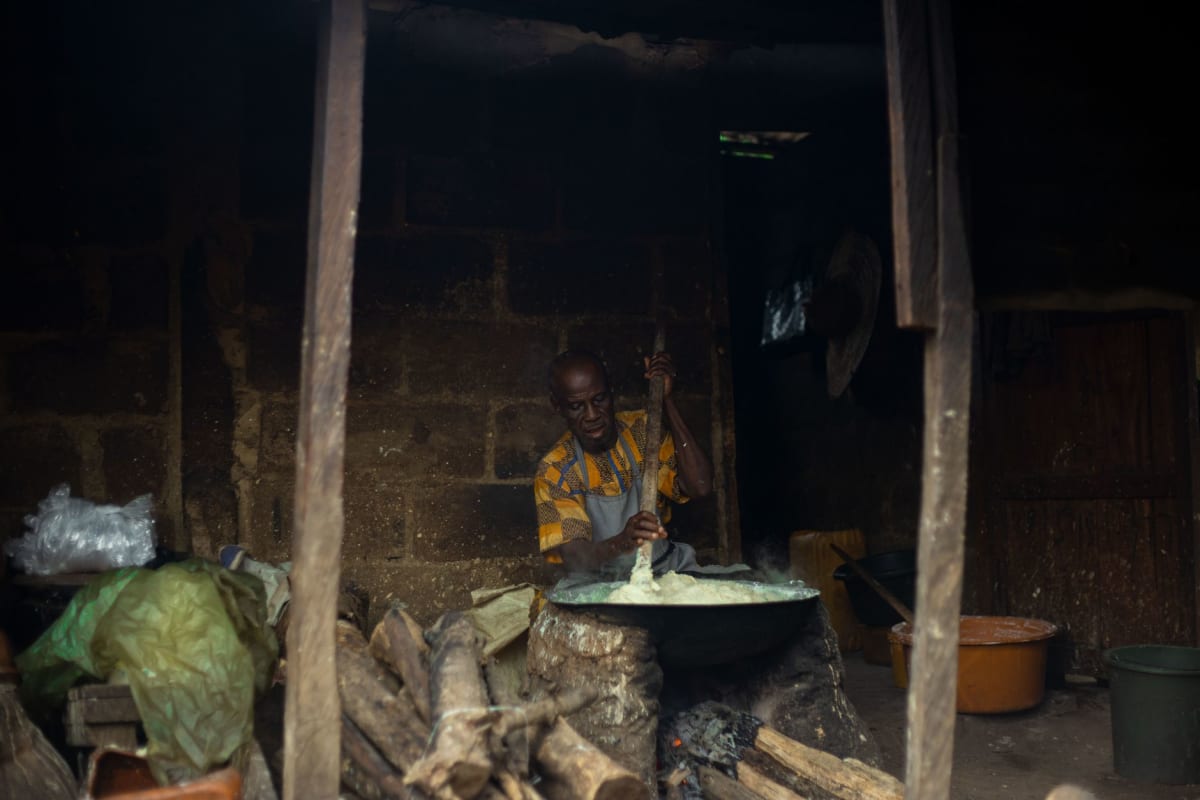
The food in Labé is simple highland food — riz gras with smoked fish, tô (a stiff millet porridge) served with leaf sauce, grilled meat from the morning’s market. I ate lunch at a place with no name that had four plastic tables on a bare concrete floor, and the woman who served me brought a bowl of sauce that had a fermented bite to it, something between funk and heat, that I kept reaching for even as my forehead prickled. She watched me doing this with the patient expression of someone who has seen this reaction before and considered it entirely predictable.
The hills around Labé hold surprises. An hour’s walk from the center, the plateau breaks into sudden gorges, sheer-sided and deep, where waterfalls run after rain or even in the dry season from underground sources. Peul children who have nothing better to do — and everything better to do — serve as guides for a negotiated sum and take you to edges you would not find alone. I stood at one such edge looking down at a thread of river far below and felt the particular vertigo of standing somewhere beautiful that the world has mostly not heard of.
When to go: November through February for cool, dry conditions with clear highland air. March and April are warmer but still possible. Avoid the wet season if driving — the roads to Labé from Conakry are unpaved in sections and become serious challenges in rain.
Keep exploring
More from Guinea
 guinea
 Mamou
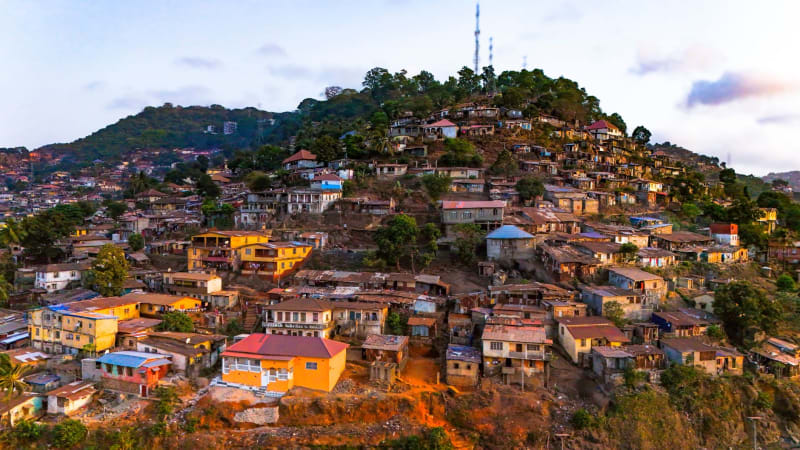
Guinea's crossroads town, where all roads converge and the griot tradition runs so deep you can hear it in ordinary conversation.
Explore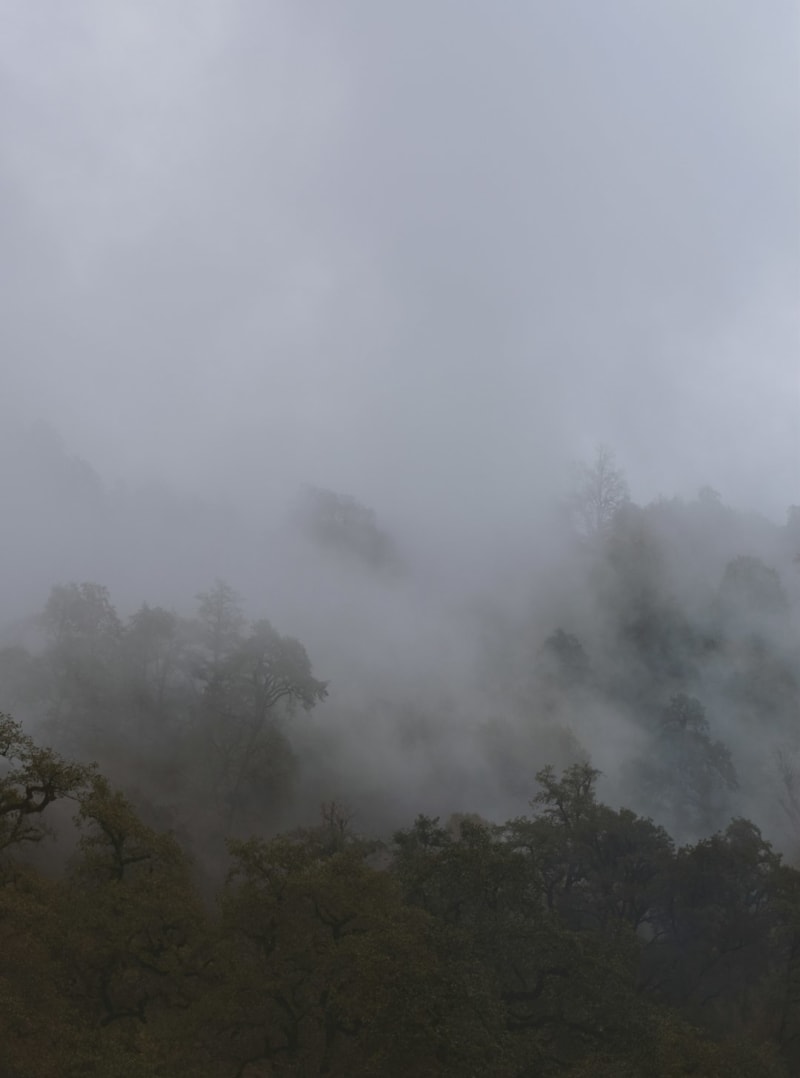 guinea
 Mount Nimba
A misty, near-forbidden massif on Guinea's southern border where a toad gives birth to live young and chimps still knap stone.
Explore guinea
 Nzérékoré
The capital of Guinea's forest region, where the great West African rainforest begins and the country becomes something entirely different from its highland self.
Explore guinea
 Pita
A Fouta Djallon market town where the weekly cattle trade brings the plateau alive and the oranges are the best I have found anywhere in West Africa.
Explore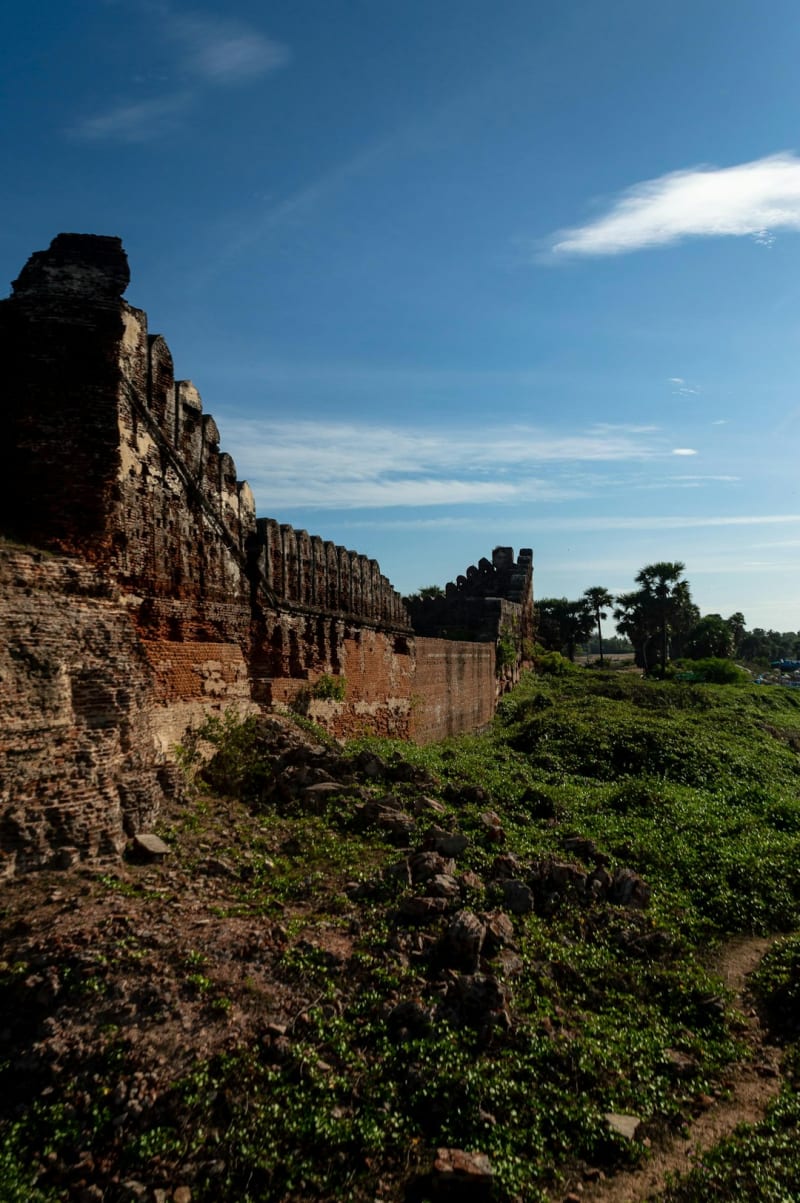 guinea
 Boké
A river port beneath a colonial fort, where bauxite trucks and pirogues share the same slow, humid rhythm of the Rio Nunez.
Explore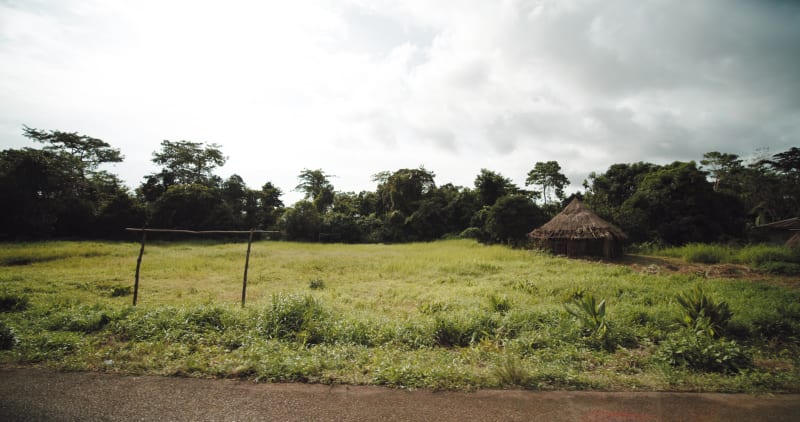 guinea
 Bossou
A small village in the Nimba foothills where chimpanzees use stone tools to crack nuts in a sacred forest that scientists have watched for fifty years.
Explore