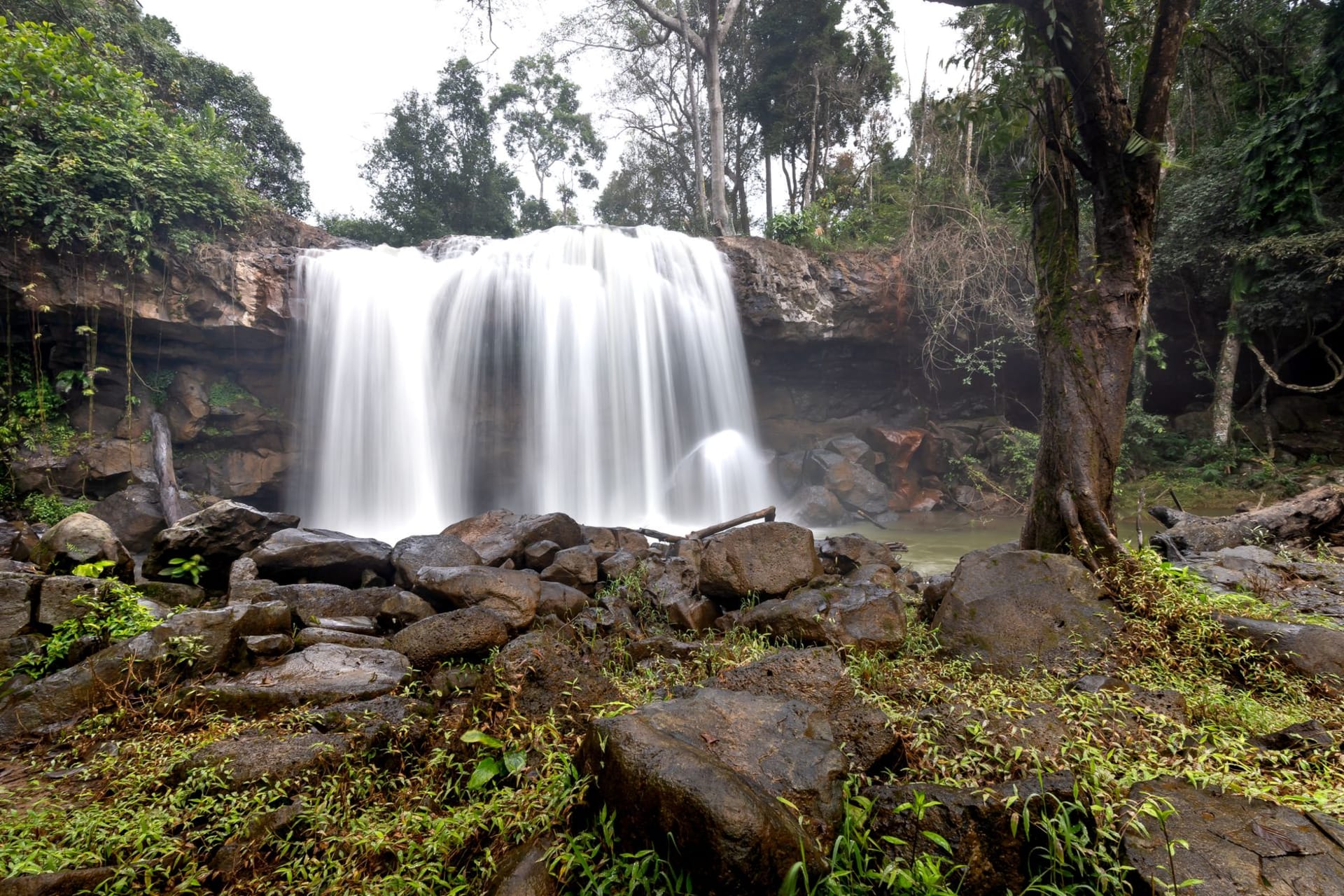
Kinkon Falls
"The spray reaches you before the sound does, which is the wrong order, which somehow makes it more impressive."
A thundering waterfall at the edge of the Fouta Djallon that arrives without warning and stays with you longer than most landmarks manage.

The road does not prepare you for it. There is no fanfare — no series of signs, no escalating scenery, nothing to suggest that the plateau you have been crossing for the last two hours is about to end in a forty-metre wall of falling water. And then you park by the side of the road and walk maybe three minutes through the scrub, and the Kinkon Falls are in front of you and the sound hits first, a physical pressure in your chest, and then the spray, and then you see the full drop and your brain rearranges something fundamental about scale.
The Chutes de la Kinkon form where the Kinkon River reaches the edge of the Fouta Djallon plateau and decides, with finality, to stop being a plateau river and become something else entirely. The drop is around forty metres into a narrow gorge, and in the dry season the water arrives in a single compact arc that turns to mist about halfway down. In the wet season, multiple channels spread across the full width of the basalt escarpment and the noise becomes something you feel in your teeth. I visited in December, which is firmly dry season, and found a waterfall that was still powerful enough to drench me standing on the observation rock twenty metres to the side.

There is a hydroelectric dam just upstream, one of the oldest in Guinea, and it takes some of the river’s flow — but the dam’s engineers seem to have left enough to keep the falls honest. Below the falls, the gorge is inaccessible by path but visible from certain angles, and the river at the bottom is green and churning and catching the light in a way that makes you wish the path went further. I spent a while trying to find a way down and eventually gave up and sat on the observation rock eating the last of the oranges I had bought in Pita, which had survived the drive in my bag and were perfect, as Fouta Djallon oranges always are.
There is usually a caretaker somewhere near the entrance — a man in his fifties when I was there, who collected the small admission fee and was willing, for a supplement, to take you to a second viewpoint that the road does not go to. The second viewpoint requires a twenty-minute walk through low scrub along the plateau edge, and what it offers is a view of the falls from the side rather than the front, which shows you the gorge and the river below in a way that the main overlook does not. It is worth the supplement and the scrub.

I arrived early enough to have the falls to myself for about an hour, and spent that hour watching a pair of hornbills moving through the canopy at the gorge’s edge and listening to the water. The falls have a rhythm to them — a constant roar beneath which you can hear individual surges, each one announcing itself and then subsiding, and if you listen long enough the rhythm begins to organise itself in a way that feels almost intentional. I was not the first person to find waterfalls meditative. But this one earns the attention.
When to go: November through February gives you dry-season access and dramatic but manageable flow. January is optimal — the harmattan dust is settling by then and the light is clear. If you want maximum water volume and do not mind a more treacherous road and a complete drenching at the viewpoint, come in September or October.
Keep exploring
More from Guinea
 guinea
 Labé
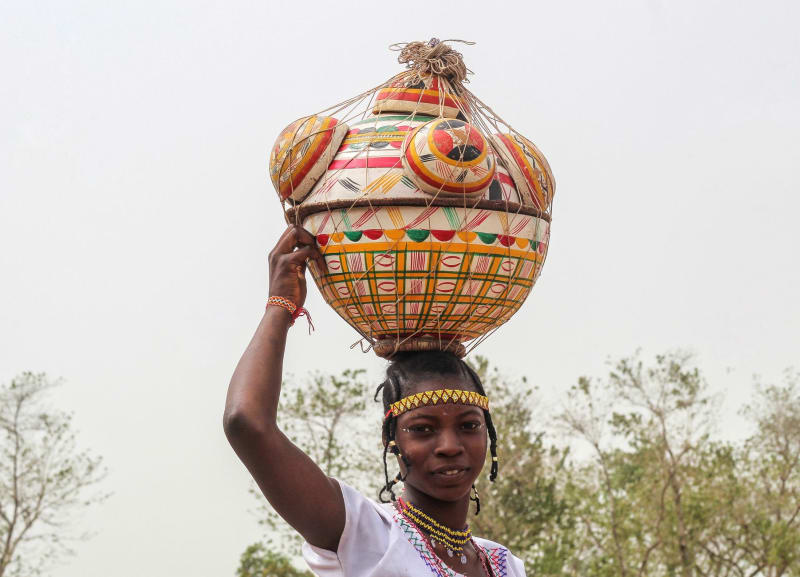
The highland capital of the Fouta Djallon where Peul herders in embroidered robes ride the plateau paths and the altitude gives everything a cooler, slower quality.
Explore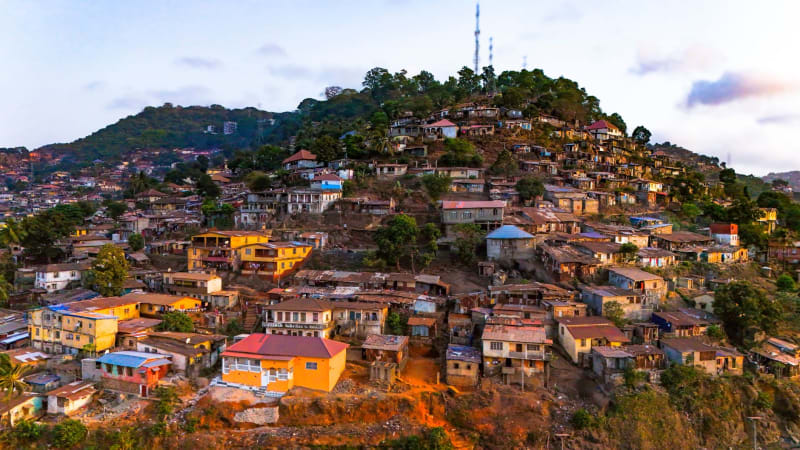 guinea
 Mamou
Guinea's crossroads town, where all roads converge and the griot tradition runs so deep you can hear it in ordinary conversation.
Explore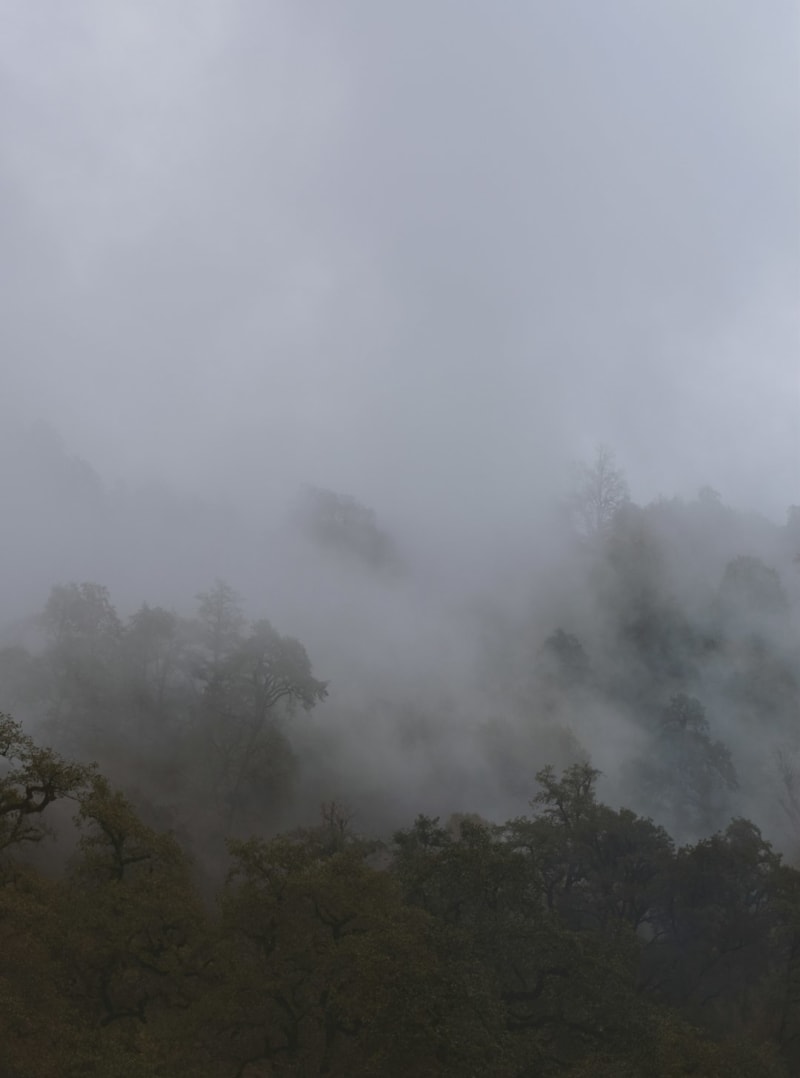 guinea
 Mount Nimba
A misty, near-forbidden massif on Guinea's southern border where a toad gives birth to live young and chimps still knap stone.
Explore guinea
 Nzérékoré
The capital of Guinea's forest region, where the great West African rainforest begins and the country becomes something entirely different from its highland self.
Explore guinea
 Pita
A Fouta Djallon market town where the weekly cattle trade brings the plateau alive and the oranges are the best I have found anywhere in West Africa.
Explore guinea
 Boké
A river port beneath a colonial fort, where bauxite trucks and pirogues share the same slow, humid rhythm of the Rio Nunez.
Explore