Asia
Guilin
"I arrived expecting a postcard and left with a geography lesson."
Where karst peaks rise from the Li River like calligraphy strokes, and the landscape that inspired a thousand Chinese ink paintings turns out to be real.

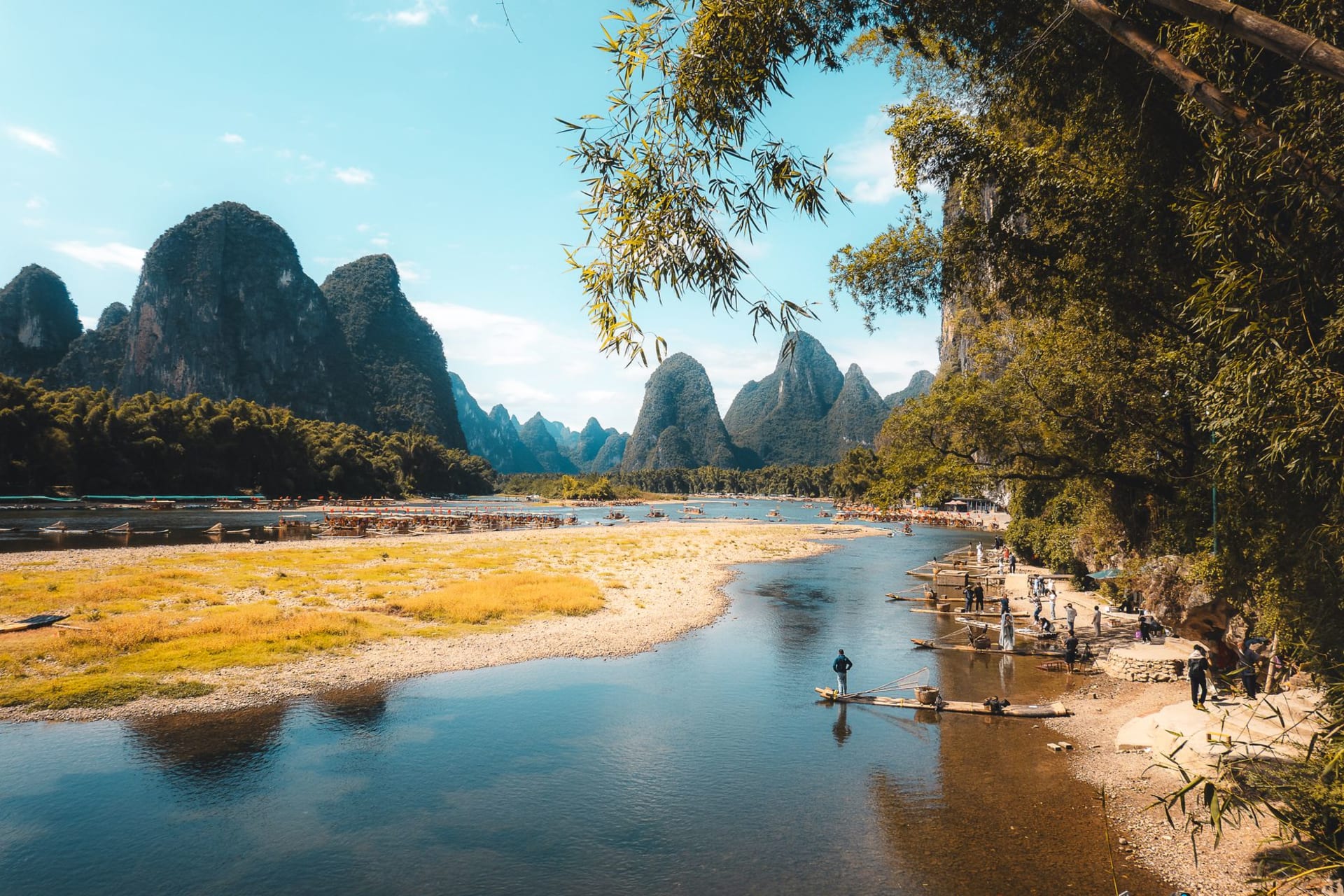
I came to Guilin already knowing what it looked like. That is the problem with places that end up on currency — the Chinese 20-yuan note carries the Li River bend at Xingping so perfectly composed it looks like a painter’s invention. Standing at that same bend for the first time, watching the same limestone towers emerge from morning mist above the same green water, I understood something important: it looks like that because China’s greatest landscape painters spent centuries here. The landscape taught the art, not the other way around.
The Li River cruise from Guilin to Yangshuo is the obvious move, and I will not pretend it is wrong. Four hours drifting past 83 kilometers of karst scenery — peaks called Nine Horses Fresco Hill, Yellow Cloth Shoal, a corridor of mountains so improbably vertical they seem held up by the painting rather than the geology — is one of the more disorienting beautiful experiences I have had. But the version that stayed with me happened two days later, on a rented bicycle in Yangshuo’s countryside. No commentary. No schedule. Just rice paddies, water buffalo, and occasionally a peak appearing through a gap in the bamboo that made me stop pedaling and just stare. The Moon Hill limestone arch outside Yangshuo took me forty minutes to climb at pace and twenty minutes of sitting at the top to feel I had earned something. The Dragon’s Backbone rice terraces at Longji, two hours north by bus, layer the landscape in a completely different register: not vertical drama but horizontal patience, carved over centuries by Zhuang and Yao farmers into something that photographs like a topographic model and feels, in person, like standing inside a slow-motion miracle.
When to go: April to May and September to October are ideal — mild temperatures, green landscapes, manageable crowds. The rainy season (June to August) brings lush saturation and lower prices but river mist that can obscure views entirely, which is either poetic or frustrating depending on your tolerance for ambiguity. I went in late September: warm days, cool evenings, the rice terraces at Longji a full burnished gold before harvest.
What most guides get wrong: They treat Yangshuo as an afterthought to the Li River cruise, when it is actually the destination. The town has been overrun by tourism and is frankly chaotic on West Street, but the surrounding countryside within cycling distance is extraordinary. Rent a bicycle for a full day, ignore the organized tour itineraries, and ride toward Moon Hill or the villages of Fuli and Xingping. Guilin city itself is mostly a transit point — pleasant enough but not the reason you came. Sleep in Yangshuo or, better, in a guesthouse at Longji if you plan to see the terraces at dawn.
Explore
Places in Guilin
 guilin
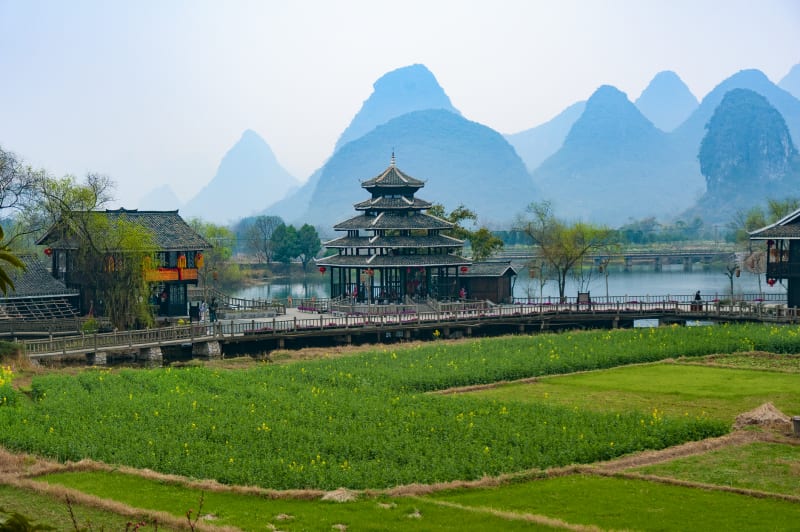
 Daxu Ancient Town
One of China's best-preserved riverside trading towns sits eighteen kilometers from Guilin on the Li River, mostly unvisited, its Ming dynasty streets intact and its residents unbothered.
Explore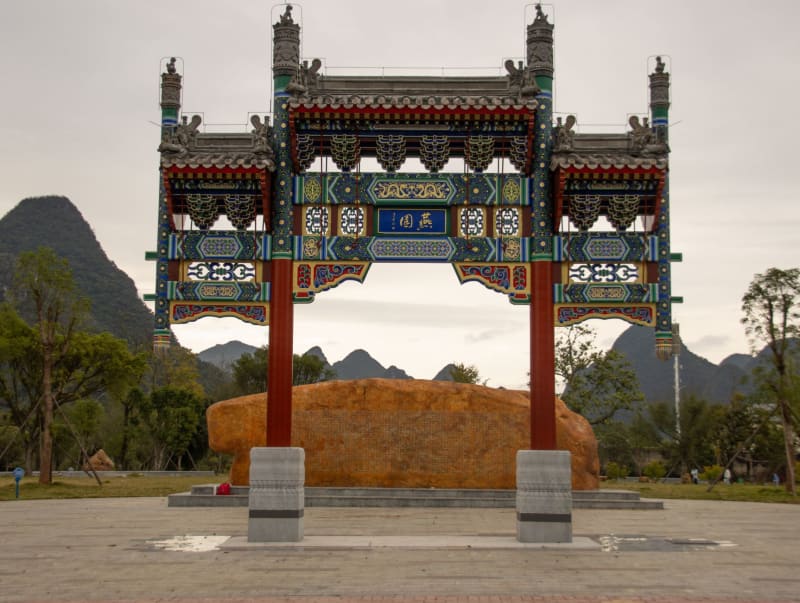 guilin
 Elephant Trunk Hill
Guilin's most recognizable limestone formation rises from the river junction like a pachyderm mid-drink, and the arch it forms is more perfectly geological than any invention.
Explore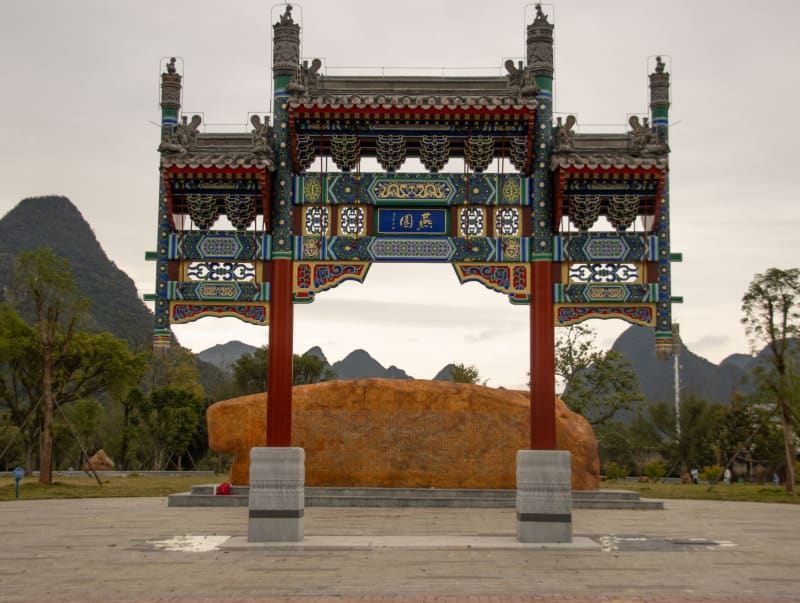 guilin
 Fuli Ancient Town
A riverside Ming dynasty town where artisans still paint folding fans by hand and the cobblestone lanes have not yet been smoothed into a tourist promenade.
Explore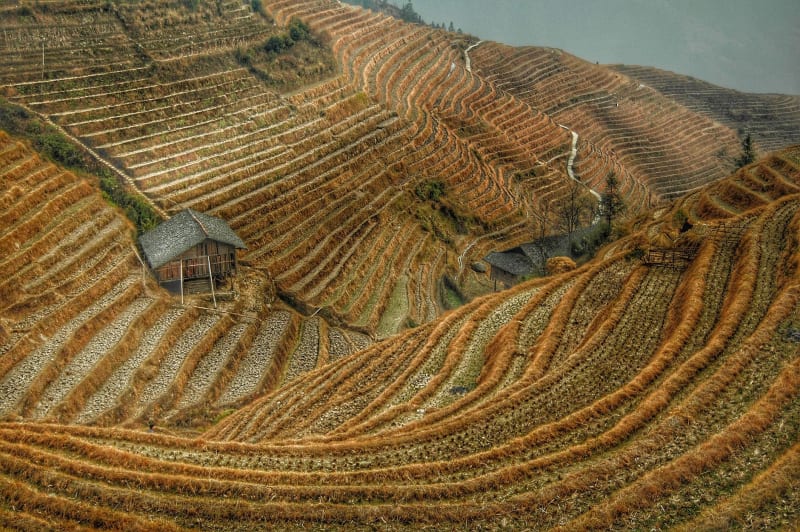 guilin
 Longji Rice Terraces
Centuries of Zhuang and Yao farming carved these dragon-spine ridges into a living landscape that changes color with every season.
Explore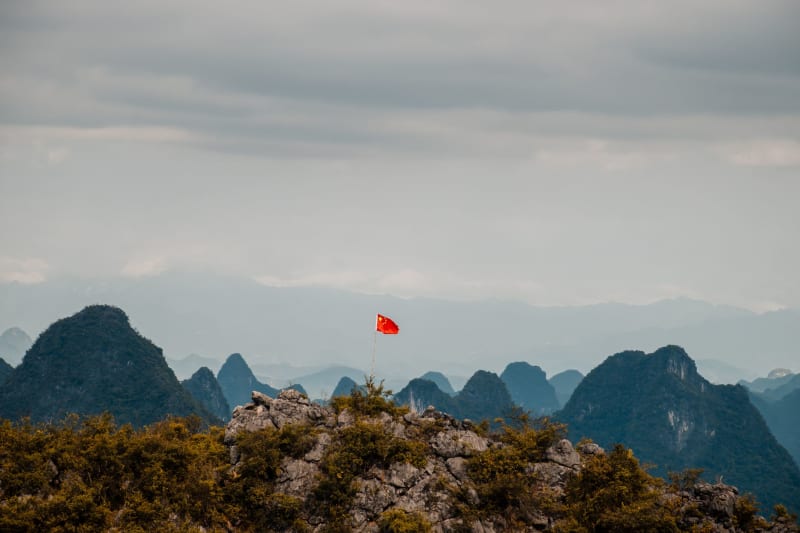 guilin
 Moon Hill
A single limestone arch punched through a karst peak above Yangshuo, requiring forty minutes of sweating to reach and offering views that make you forget the sweating entirely.
Explore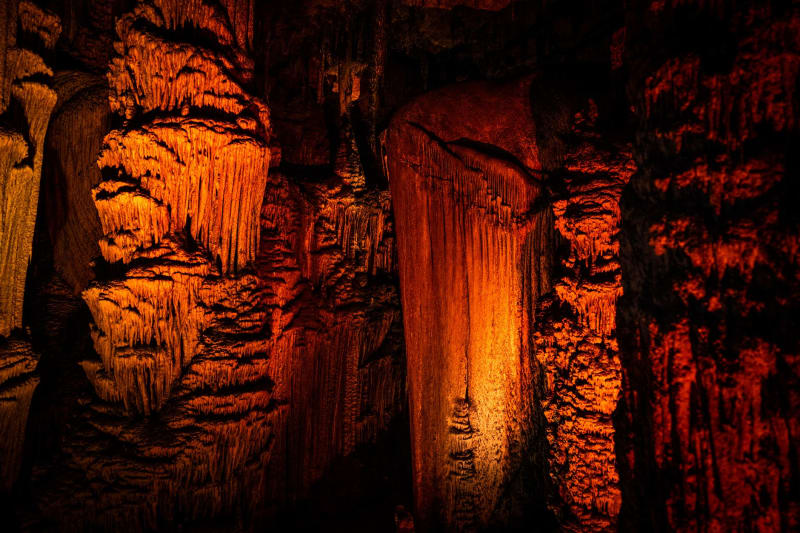 guilin
 Reed Flute Cave
An underground cathedral of stalactites and limestone formations lit in colors no cathedral architect would have dared, hidden inside a hill at the edge of Guilin city.
Explore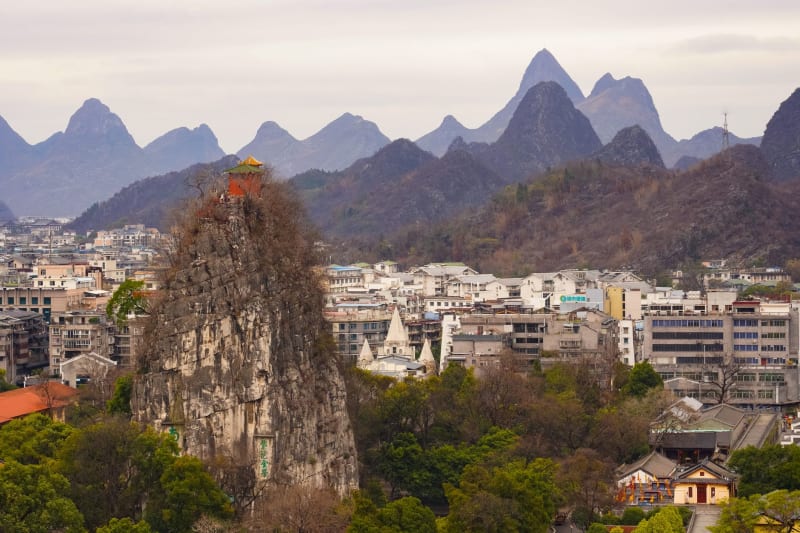 guilin
 Seven Star Park
Guilin's vast urban park contains karst peaks, a millennium-old cave, Tang dynasty stone inscriptions, and every retired citizen in the city doing tai chi before nine in the morning.
Explore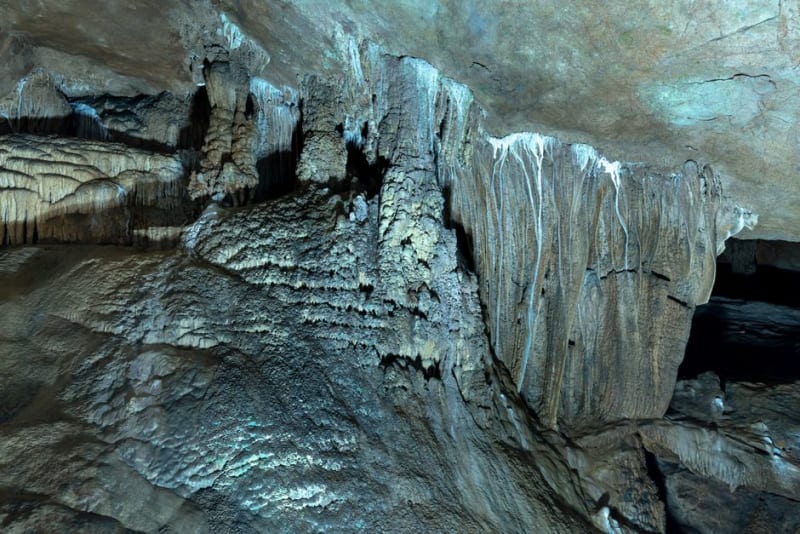 guilin
 Silver Cave
A karst cave near Lipu where calcite formations glint like metal under the lights, far from Guilin's crowded tourist circuit.
Explore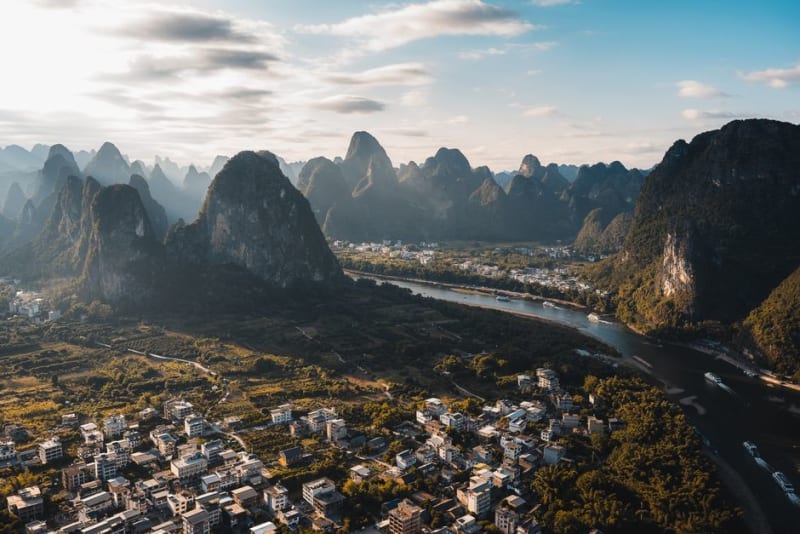 guilin
 Ten-Mile Gallery
A quiet karst-lined road between Guilin and Yangshuo that unrolls like a painted scroll, best seen slowly, by bike.
Explore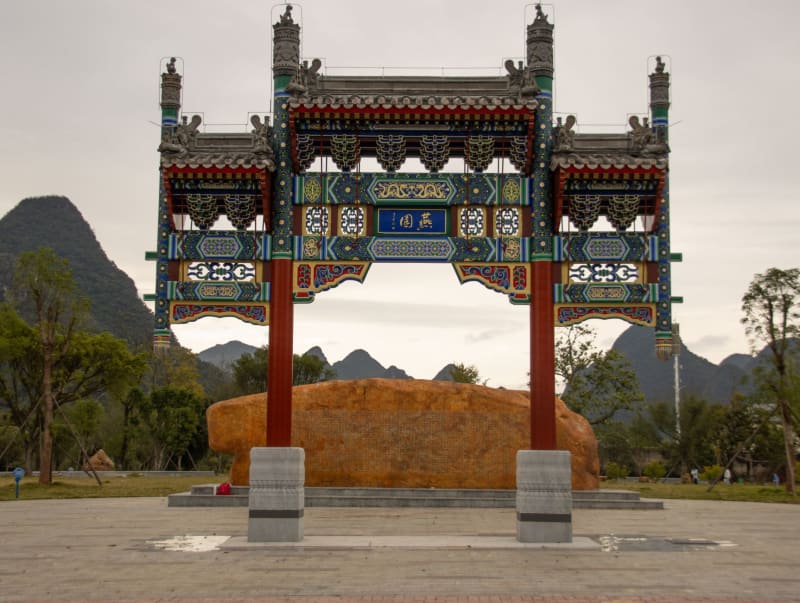 guilin
 Xianggong Hill
A modest hill above the Li River near Xingping that delivers the single greatest karst panorama in Guilin — if you are willing to climb it in the dark and gamble on the mist.
Explore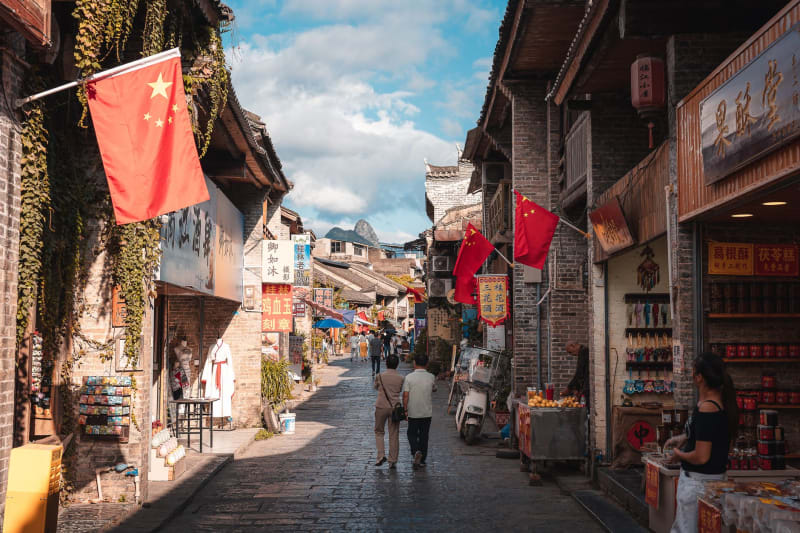 guilin
 Xingping
The village on China's twenty-yuan note, where cormorant fishermen still work the river at dusk and the karst view earns its fame.
Explore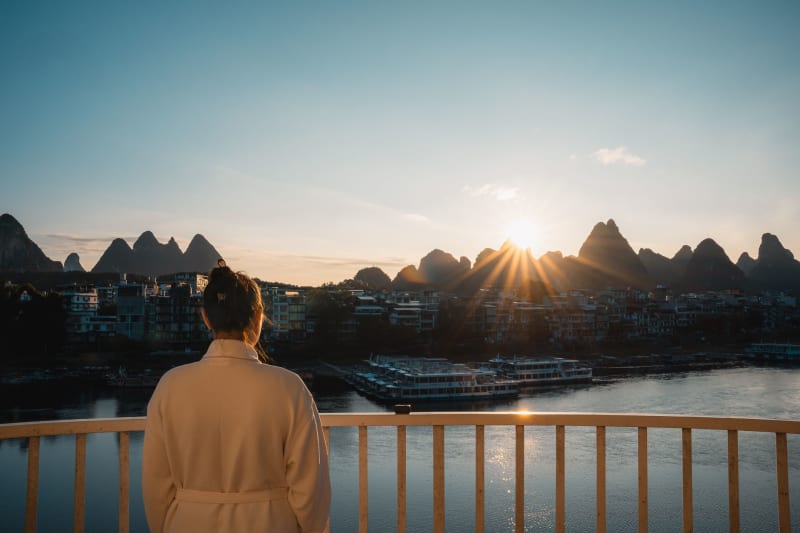 guilin
 Yangshuo
The karst countryside outside this frenetic tourist town is so beautiful it almost justifies the chaos inside it.
Explore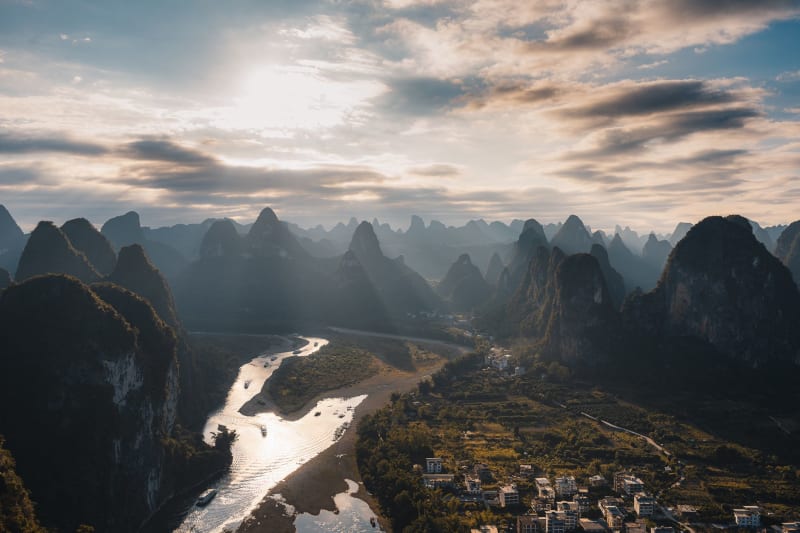 guilin
 Yulong River
The Li River's quieter sibling winds through karst countryside on bamboo rafts, past stone bridges older than memory and fields nobody has photographed yet.
Explore