
Tahiti
"Everyone passes through Papeete to get somewhere else. I stayed, and found the real Polynesia hiding in plain sight."
The unglamorous heart of French Polynesia — a real city with traffic and market stalls and black sand beaches and a volcanic interior most tourists never see.

Every traveler who comes to French Polynesia lands in Papeete and immediately tries to leave. The taxi drivers who meet the midnight flights from Los Angeles know this — they’ve driven a thousand people to the Faa’a ferry terminal without anyone once asking to stop and look around. I was one of them the first time. The second time, I stayed three days, and Papeete became the island I understood best.
The morning market in the city center is where Tahiti reveals itself before the heat arrives. I got there at five-thirty on a Tuesday, when the tuna were still being unloaded from the fishing boats and the flower sellers were arranging their tiaré and heliconia and ginger blossoms under fluorescent lights. The smell was overwhelming in the way that markets only smell in places where the food is serious: fish, citrus, vanilla, a note of frangipani underneath everything. Women from the outer islands had come in on overnight ferries and arranged their produce in specific configurations that seemed to have their own grammar — papayas grouped by size, pamplemousse in pyramids, breadfruit laid in rows. I ate half a papaya at a plastic table while a Tahitian woman two stalls over argued on a mobile phone in a mix of French and reo Tahiti that I found entirely beautiful even without understanding a word.

Beyond the market, the city holds the particular texture of a French colonial capital that has been thoroughly Polynesian-ized. The administrative buildings along the waterfront are proper French bureaucracy — beige concrete, shuttered windows, tricolors — but the roulottes that set up along the Quai de l’Uranie in the evenings are entirely local, serving grilled chicken and poisson cru and chow mein and fresh coconut to people who eat standing up in the warm air while the harbor lights reflect on the water and the bands of the neighboring fenua float in from somewhere across the quay.
The waterfall road through the Fautaua Valley, accessible from the edge of the city, runs through a landscape that the travel industry has entirely failed to promote. Within twenty minutes of the Papeete waterfront you are in jungle so dense the light comes through green, following a river over black volcanic rock toward a fall that drops fifty meters into a pool cold enough to make you gasp. I hiked it alone on a Thursday morning in November, passing only two other people — both locals — and arrived at the pool to find it empty and the mist from the fall drifting across the surface like something from a different kind of story than the one the lagoon-and-bungalow brochures tell.

The east coast of Tahiti Iti — the smaller peninsula attached to the main island — is where the black sand beaches run, and where the surf breaks on the outer reef at Teahupo’o with a force that is genuinely terrifying to witness from the channel boat. The wave there is one of the most powerful in the world; it breaks over a very shallow reef, and the water in the barrel turns a deep green before it folds. When I was there the professional surfers were training for a competition, and watching them from a boat fifty meters away felt like watching something at the edge of what humans are capable of.
The city’s Chinese community — descendants of workers brought over in the nineteenth century to work the cotton fields — runs many of the grocery stores and restaurants in Papeete, and the cuisine they’ve developed over a hundred and fifty years of isolation in the Pacific is its own thing: Chinese technique applied to Polynesian ingredients, with French influence layered over both. The mi-cuit (half-cooked) ma’a tinito, a Chinese-Polynesian pork and red bean stew served over rice, is the dish I think about most when I think about Tahiti.
When to go: Tahiti is the hub and is worth two or three days at the start or end of any French Polynesia trip. May through October is the most comfortable for city exploration and hiking in the interior. The Heiva festival, held in July, is Polynesia’s greatest celebration of traditional culture — dancing, singing, outrigger racing, tattooing — and turns Papeete into something genuinely electric for several weeks.
Keep exploring
More from French Polynesia
 french-polynesia
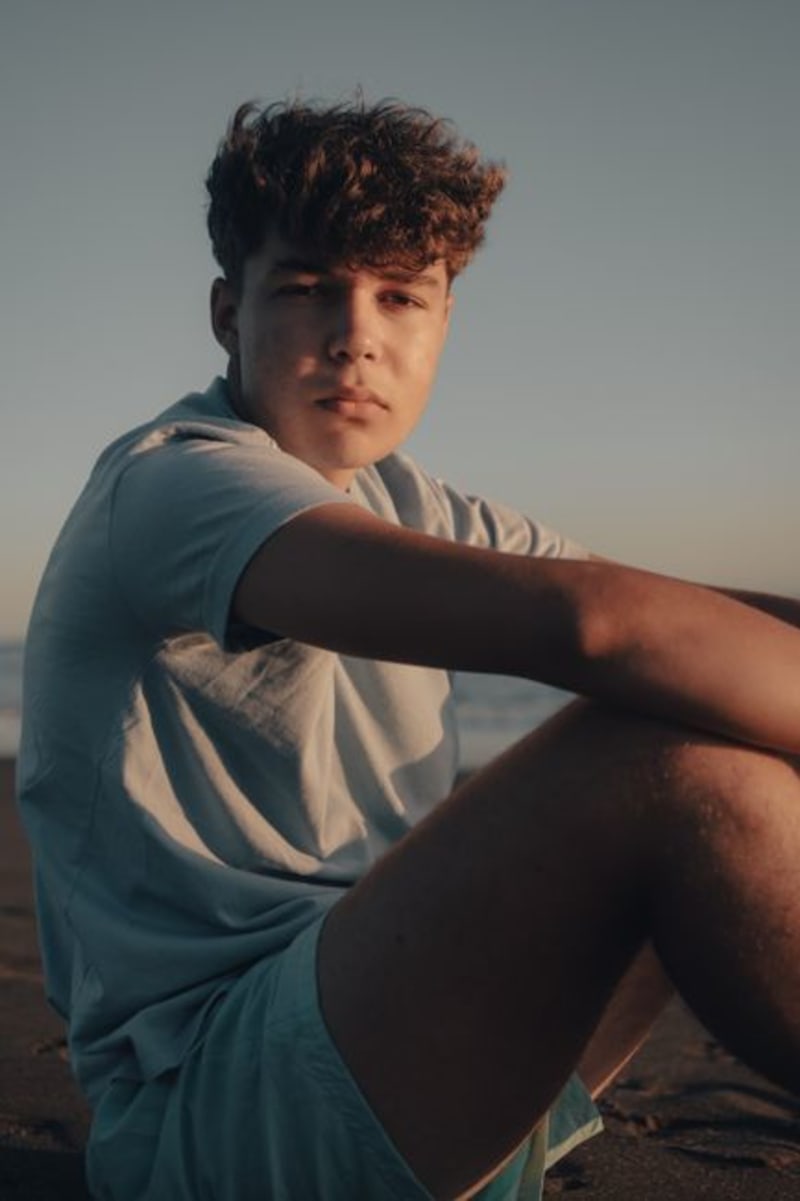
Tahuata
A small Marquesan island reachable only by boat from Hiva Oa, with the whitest sand in the archipelago and a village still shaped by a French missionary's first landing.
Explore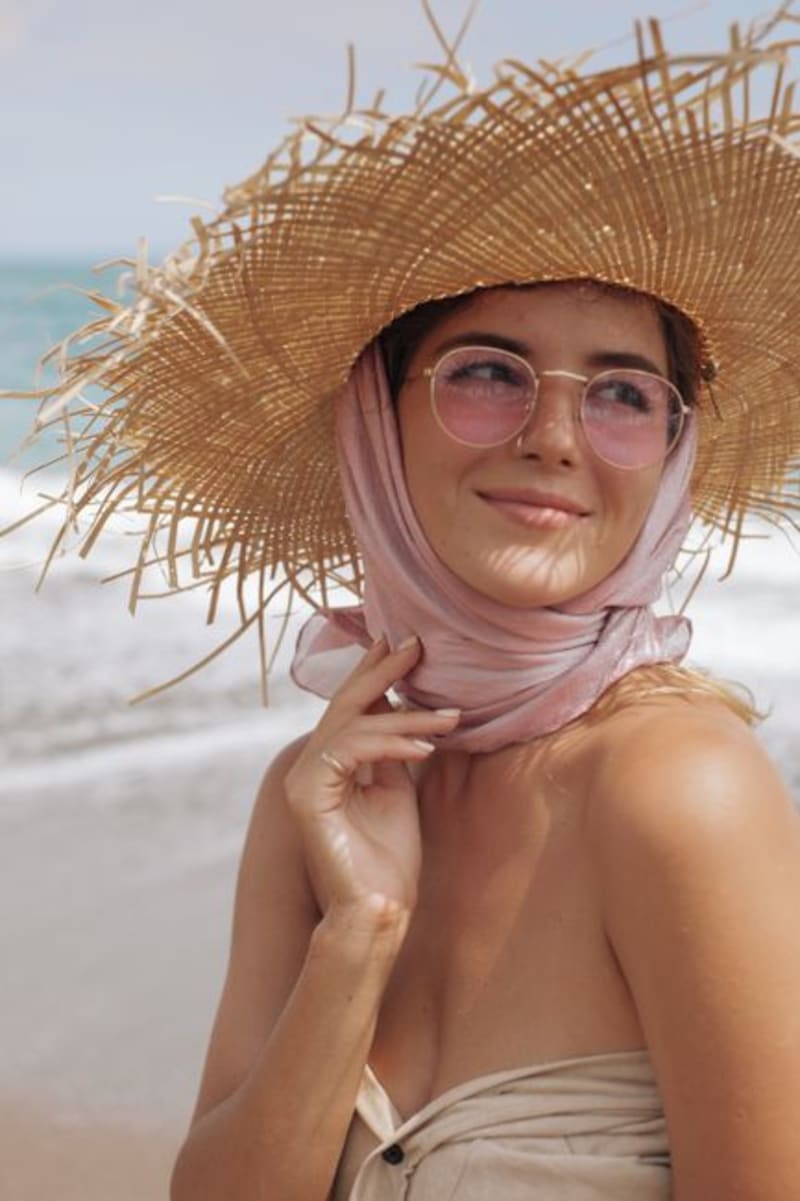 french-polynesia
Tikehau
An atoll where the sand is genuinely pink, the lagoon is thick with fish nobody bothers to name, and the pace of life makes Rangiroa next door feel almost hurried.
Explore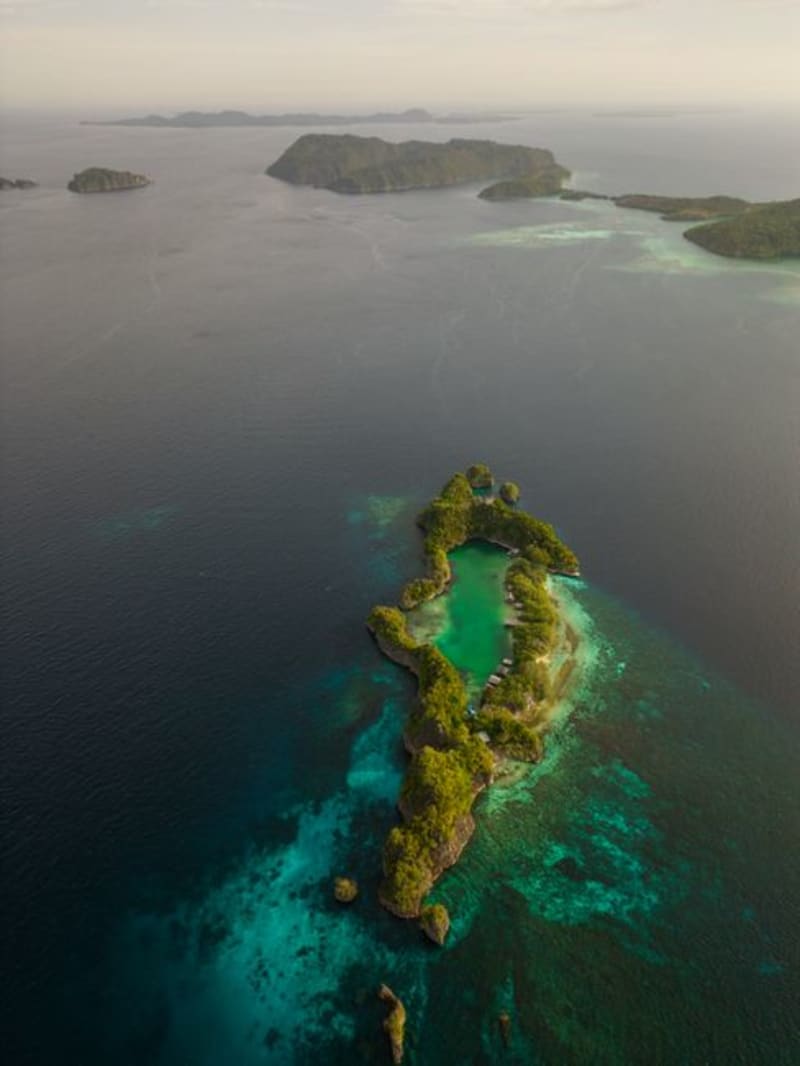 french-polynesia
Tubuai
The Austral island where Bounty mutineers tried and failed to build a fort, now a quiet farming outpost with a lagoon few divers ever bother to visit.
Explore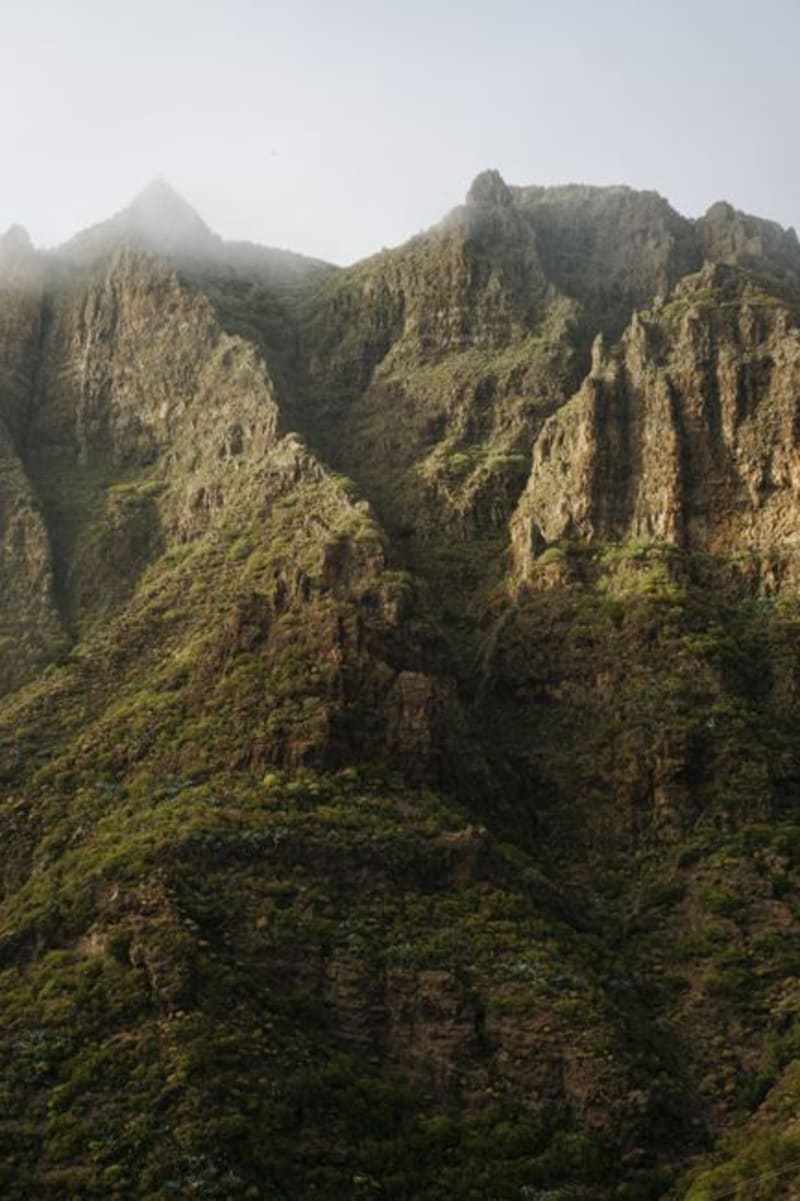 french-polynesia
Ua Pou
A Marquesan island whose basalt spires pierce the clouds so consistently that sailors called it 'the cathedral,' and whose villages still carve stone the way their ancestors did.
Explore french-polynesia
Bora Bora
The lagoon is actually that color — not a filter, not a lie, just water so impossibly blue it takes a day to accept.
Explore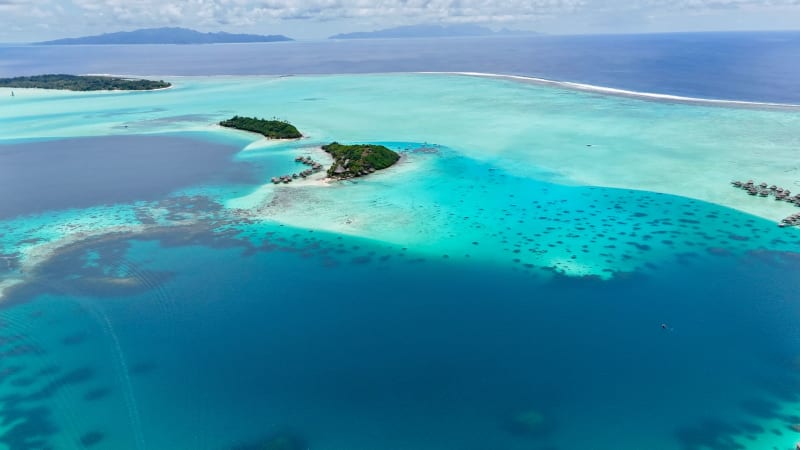 french-polynesia
Fakarava
A UNESCO biosphere reserve where the southern pass turns into a living wall of grey sharks at the right hour, and silence is the dominant weather.
Explore