Pacific
French Polynesia
"I flew fourteen hours and landed somewhere that didn't feel real."
A scattered nation of 118 islands where the water holds five distinct shades of turquoise before it even reaches the reef, and where the French managed to colonize paradise without entirely ruining it.

The approach into Bora Bora is one of those moments that makes you distrust your own eyes. The lagoon from the air is absurdly blue — not the blue of the Mediterranean or the Caribbean, but a blue that seems internally lit, electric, the kind of color you see in a travel magazine and assume has been saturated in post. Then the plane banks and you realize: no, it’s actually that color. I had been traveling long enough to be immune to most first impressions. French Polynesia broke through anyway.
I stayed first on Moorea, which I’d argue is the island that most rewards the traveler who wants to understand what this place actually is beyond the brochure. The lagoon is more intimate than Bora Bora’s, the Cook’s Bay cuts deep into the volcanic interior, and in the early morning the mist comes down off the peaks while the roosters do their thing and the fruit vendors set up at the roadside. I rented a scooter and drove the perimeter road, stopping at a snack van where a woman named Vaïana sold me poisson cru — raw tuna marinated in lime juice and coconut milk — wrapped in a banana leaf. It tasted of the ocean ten meters away. I ate the same thing three more times during my stay and it kept improving. Tahitian cooking is the underrated part of French Polynesia that nobody talks about because everyone is too busy photographing bungalows.
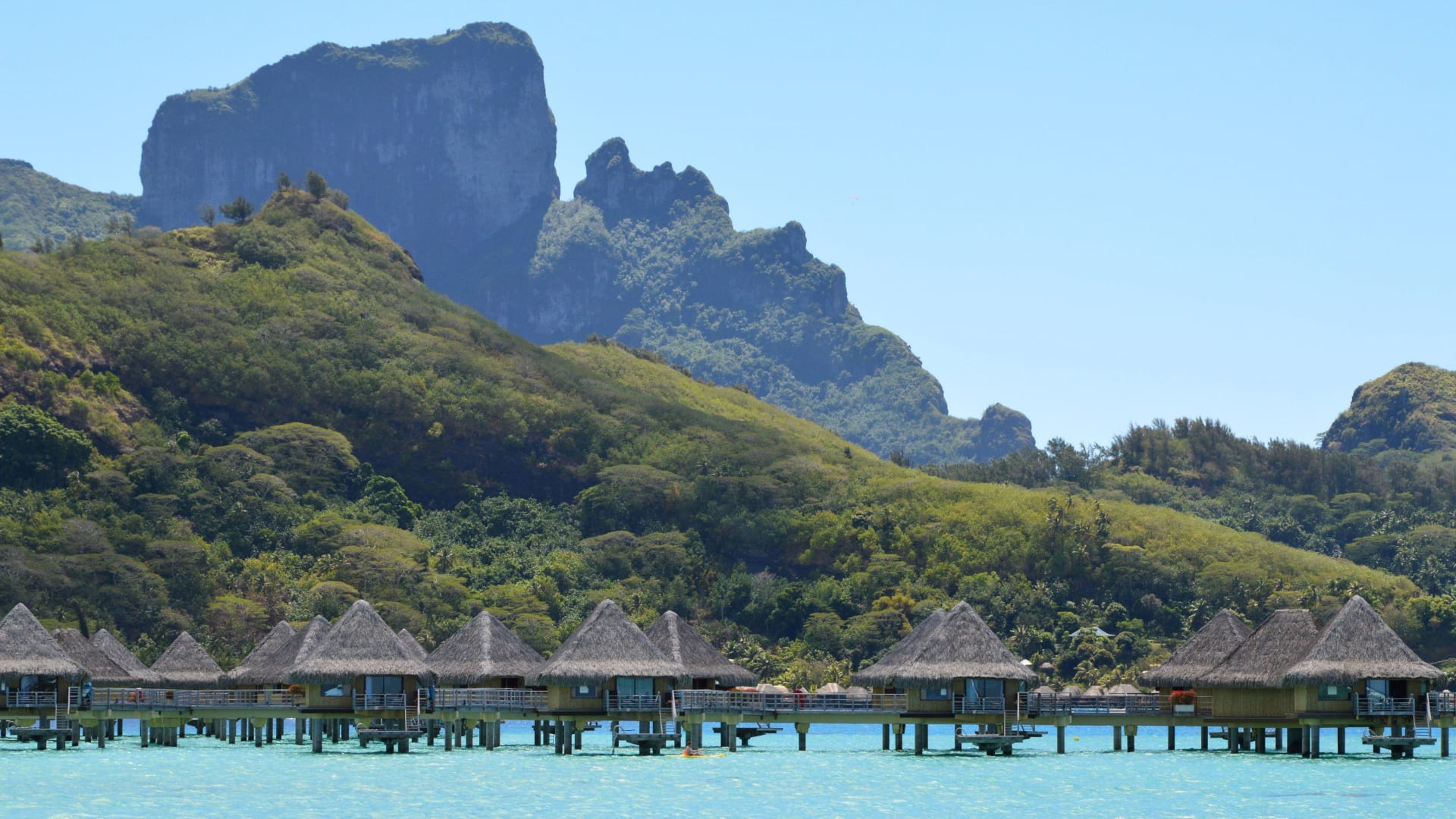
Bora Bora came after, and yes, the clichés are true — the overwater bungalows, the lagoon, the way Mount Otemanu appears at the end of every road like a punctuation mark. But what I didn’t expect was the scale of the silence. In the early morning, before the excursion boats launch, the lagoon flattens to glass. I swam out from the dock at 6 a.m. and floated above a manta ray the size of a dining table. Nobody else in the water. Just me and this creature moving in slow arcs through the shallows. That moment cost nothing — it was just timing, just waking up before the Instagram crowd did.
When to go: May through October is the dry season — cooler, less humid, minimal rain, and the trade winds keep the heat manageable. This is also peak season, so prices spike and the better bungalows book out months ahead. November and April are the transitional shoulder months and often genuinely ideal: the lagoon colors are at their most intense after the first rains, and the crowds thin considerably. December through March is cyclone season in theory, though direct hits are rare — expect heavy rain, dramatic skies, and some of the best deals on flights and accommodation.
What most guides get wrong: Every piece of travel writing about French Polynesia focuses on Bora Bora and writes off the other islands as secondary. But Huahine is quieter, wilder, and considerably cheaper — it has ancient marae temple sites, black pearl farms, and a lagoon just as beautiful. Rangiroa and Fakarava, the atolls of the Tuamotu archipelago, are where the serious divers go: drift dives through passes where sharks, dolphins, and manta rays move in numbers that would seem exaggerated if you described them to someone who hadn’t seen it. The French Polynesian tourist industry has successfully sold the world on one island. The archipelago has 117 others.
Explore
Places in French Polynesia
 french-polynesia
 Bora Bora
The lagoon is actually that color — not a filter, not a lie, just water so impossibly blue it takes a day to accept.
Explore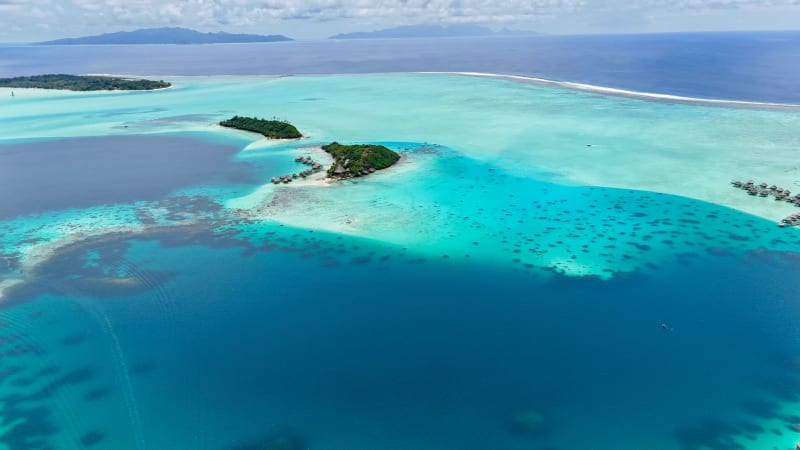 french-polynesia
 Fakarava
A UNESCO biosphere reserve where the southern pass turns into a living wall of grey sharks at the right hour, and silence is the dominant weather.
Explore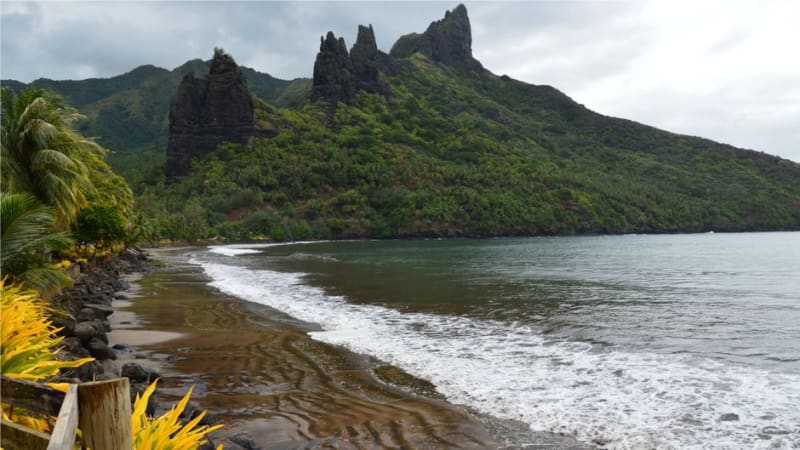 french-polynesia
 Fatu Hiva
The most remote inhabited island in the Marquesas, reachable only by boat, where the Bay of Virgins cuts a fjord-like gash into cliffs and tapa cloth is still pounded by hand.
Explore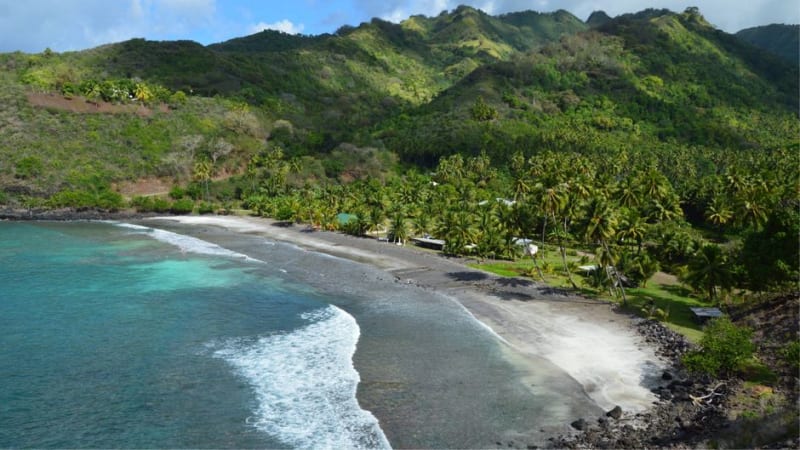 french-polynesia
 Hiva Oa
The Marquesan island where Gauguin and Brel both chose to die, ringed by black volcanic cliffs and stone tikis older than either of their legends.
Explore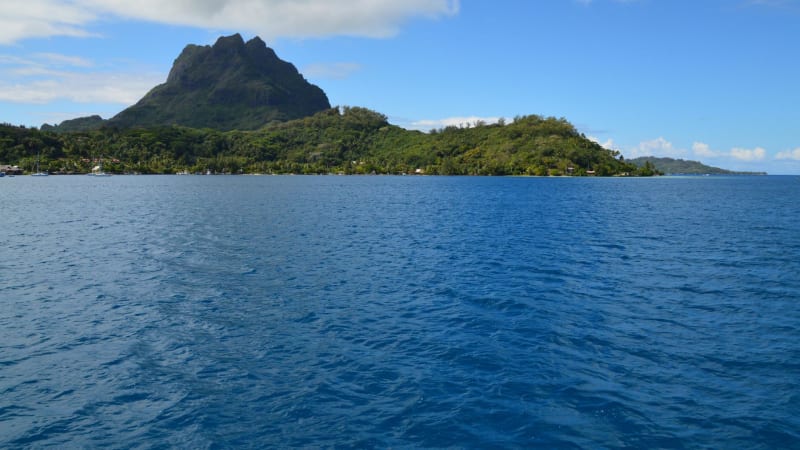 french-polynesia
 Huahine
The island French Polynesia forgot to develop, where ancient marae sit in the jungle and the lagoon is entirely yours.
Explore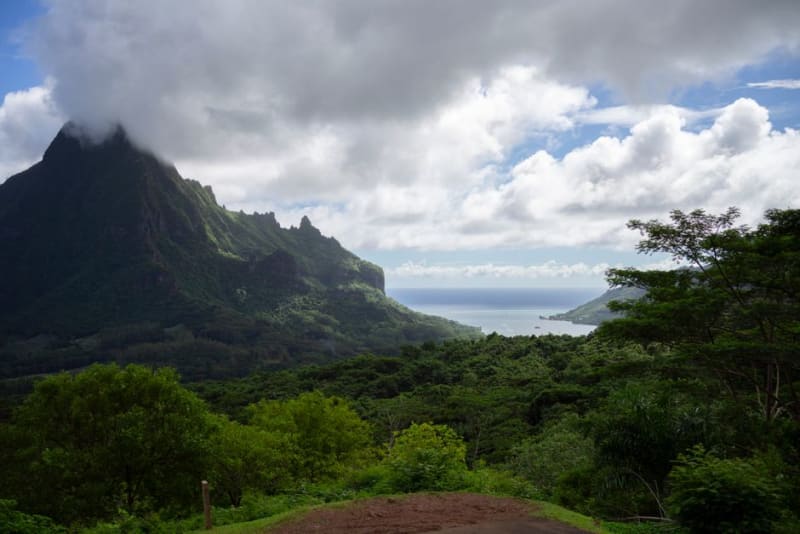 french-polynesia
 Maiao
A tiny Society Island barely anyone visits, ringed by a lagoon closed to any real boat traffic, where the mountain forest reaches almost to the sand.
Explore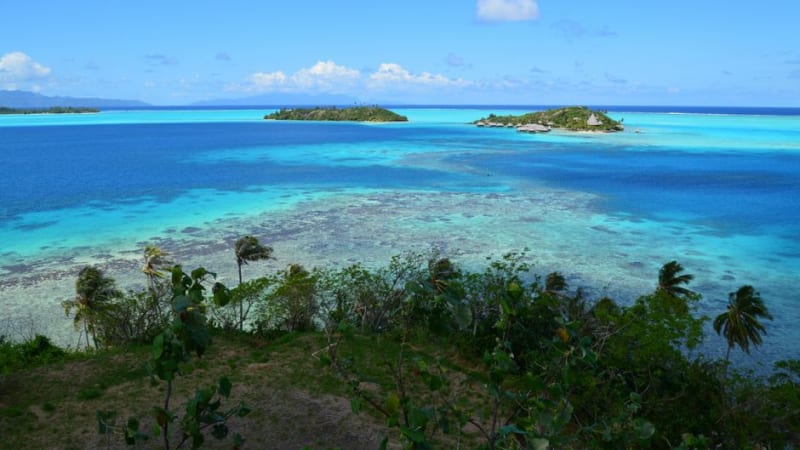 french-polynesia
 Mangareva
The main island of the remote Gambier archipelago, where a nineteenth-century cathedral built from coral stone rises improbably above pearl farms and near-total isolation.
Explore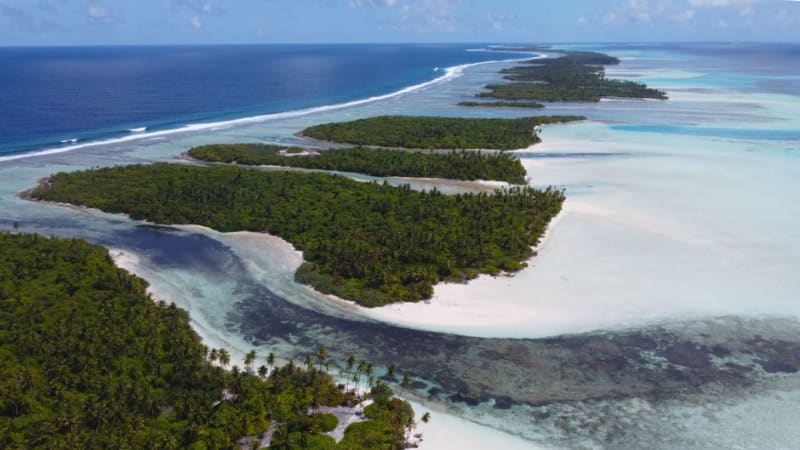 french-polynesia
 Mataiva
The westernmost atoll of the Tuamotus, with a lagoon carved into a strange checkerboard pattern of coral ridges that looks manufactured until you remember nature doesn't need a reason.
Explore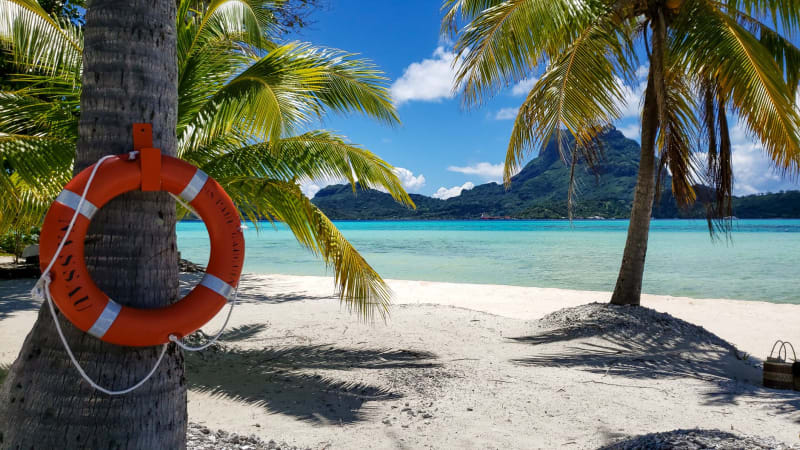 french-polynesia
 Maupiti
Bora Bora's forgotten twin — same volcano, same lagoon colors, a fraction of the visitors, and a pass so narrow the supply boat can only enter at slack tide.
Explore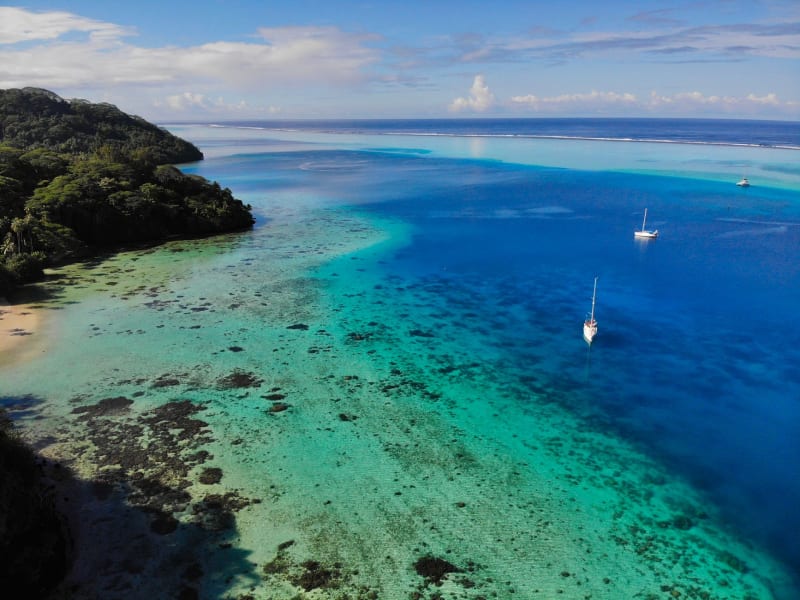 french-polynesia
 Moorea
Bora Bora's quieter neighbor, where the volcanic peaks plunge straight into a lagoon intimate enough to swim across before breakfast.
Explore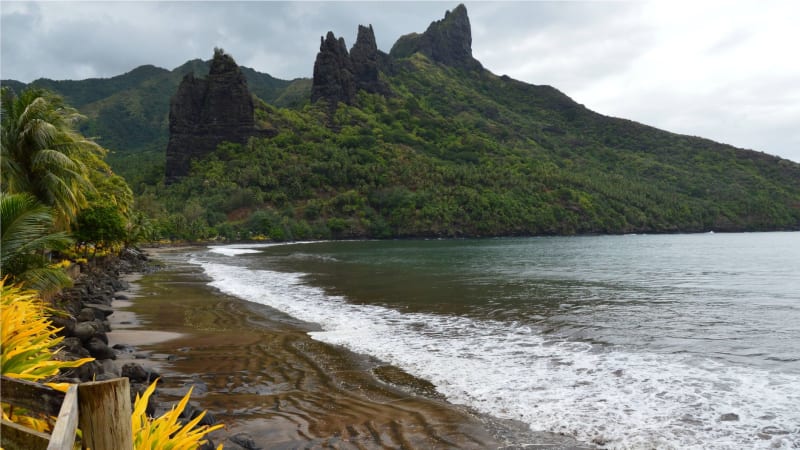 french-polynesia
 Nuku Hiva
The Marquesas' largest island, where there are no lagoons, no coral, and no pastels — just raw volcanic cliffs dropping into the deep Pacific and a culture that was ancient before anyone else arrived.
Explore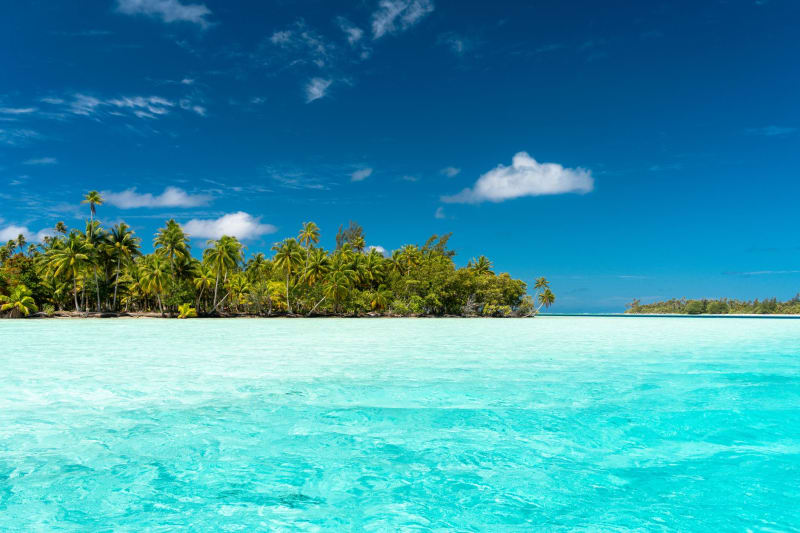 french-polynesia
 Raiatea
The sacred island at the center of the Polynesian world, where a UNESCO World Heritage marae still radiates the weight of what it meant to be chosen by the gods.
Explore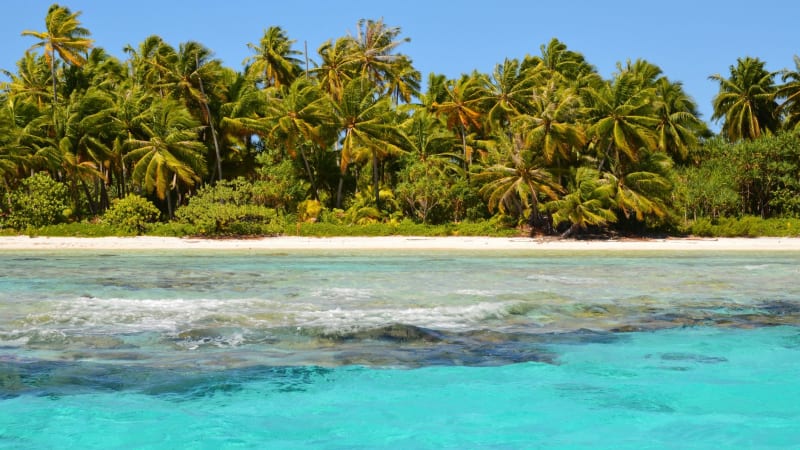 french-polynesia
 Rangiroa
The world's second-largest atoll, where the horizon is endless water in every direction and the passes hold sharks the way rivers hold fish.
Explore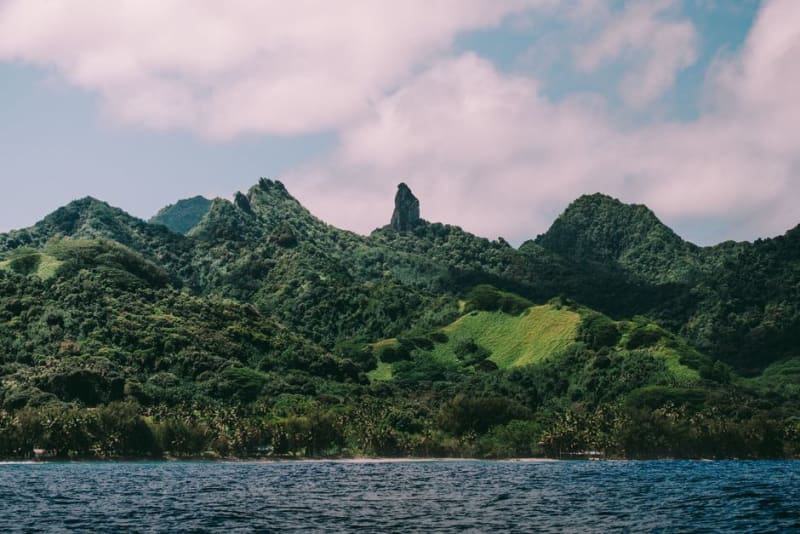 french-polynesia
 Rurutu
An Austral island where humpback whales come so close to shore in winter that boat guides cut their engines and just drift, and where limestone caves hide sacred bones.
Explore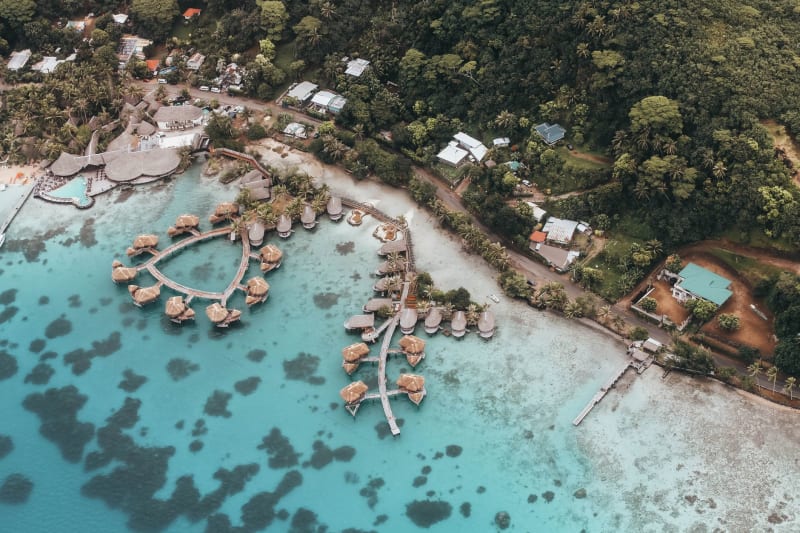 french-polynesia
 Taha'a
The vanilla island, where the scent hits you before you dock and every plantation visit ends with a pod pressed into your hand like a secret.
Explore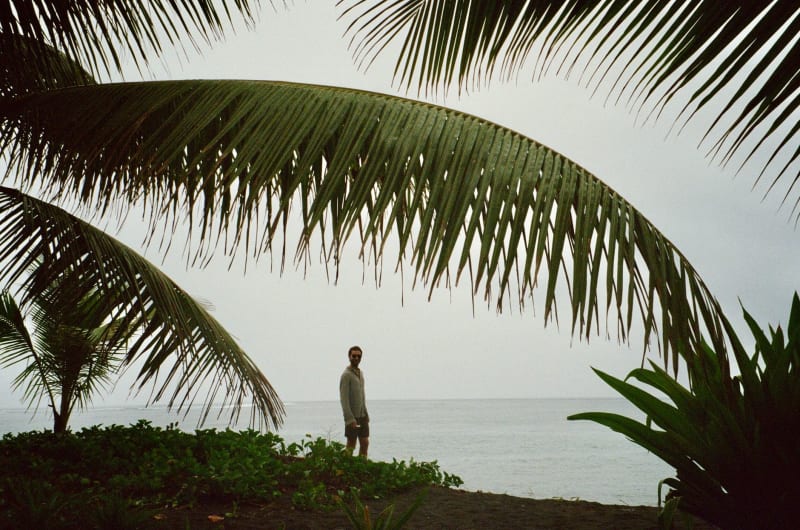 french-polynesia
 Tahiti
The unglamorous heart of French Polynesia — a real city with traffic and market stalls and black sand beaches and a volcanic interior most tourists never see.
Explore