
Saint-Germain-en-Laye
"It took me three years in Paris to bother taking the RER out here, and I still think about how wrong that was."
The château where Louis XIV was born, twenty minutes from the Paris apartment I used to live near, and the town that finally made me understand what the Paris region looked like before it was all Paris.

Saint-Germain-en-Laye sits on a plateau just west of Paris, a straight shot on the RER A that makes it one of the easiest genuine day trips from the city, and the reason it took me embarrassingly long to visit is exactly that ease — it never felt urgent when it was always available. That was a mistake. The château here isn’t a minor royal residence; it’s where Louis XIV was born in 1638 and spent much of his childhood before eventually decamping to Versailles, largely, according to some accounts, because the view from Saint-Germain’s terrace reminded him too much of a childhood scare during the Fronde uprising when the court had to flee Paris in the middle of the night.
A château that predates Versailles as the seat of power
The current building is largely a Renaissance-era reconstruction ordered by Francis I in the 1540s, built on much older medieval foundations, and its pentagonal towers and dry moat give it a squarer, more fortress-like presence than the châteaux built purely for pleasure later in the century. Since 1867 it’s housed the Musée d’Archéologie Nationale, a genuinely excellent collection covering French prehistory through the early Middle Ages — the Lady of Brassempouy carving, Gallo-Roman bronzes, Merovingian jewelry — laid out through room after room of the château’s original halls. Lia, who has more patience for prehistoric artifacts than I do, spent nearly an hour in the Paleolithic rooms alone while I wandered ahead into the more familiar Gallo-Roman galleries.

The terrace, the forest, and a very long straight line
Outside, Le Nôtre — the same landscape architect behind Vaux-le-Vicomte and Versailles — designed the Grande Terrasse in the 1670s, a two-kilometer-long straight promenade along the edge of the plateau that gives an unbroken view out over the Seine valley toward La Défense and, on a clear day, the towers of Paris itself. Behind the château, the Forêt de Saint-Germain spreads out over three and a half thousand hectares, one of the largest forests still within easy reach of the city, criss-crossed with trails that Parisians have used to escape the city for centuries longer than the RER has existed. We walked a stretch of the terrace at golden hour and it’s one of those views that makes you reassess how you thought about the region’s geography — Paris suddenly looks small and specific, sitting in a wide, forested basin.

When to go: Late afternoon on a clear day gives the best light on the Grande Terrasse view toward Paris; the forest is at its most atmospheric in autumn.
Keep exploring
More of Paris
Keep exploring
More from Paris
 france
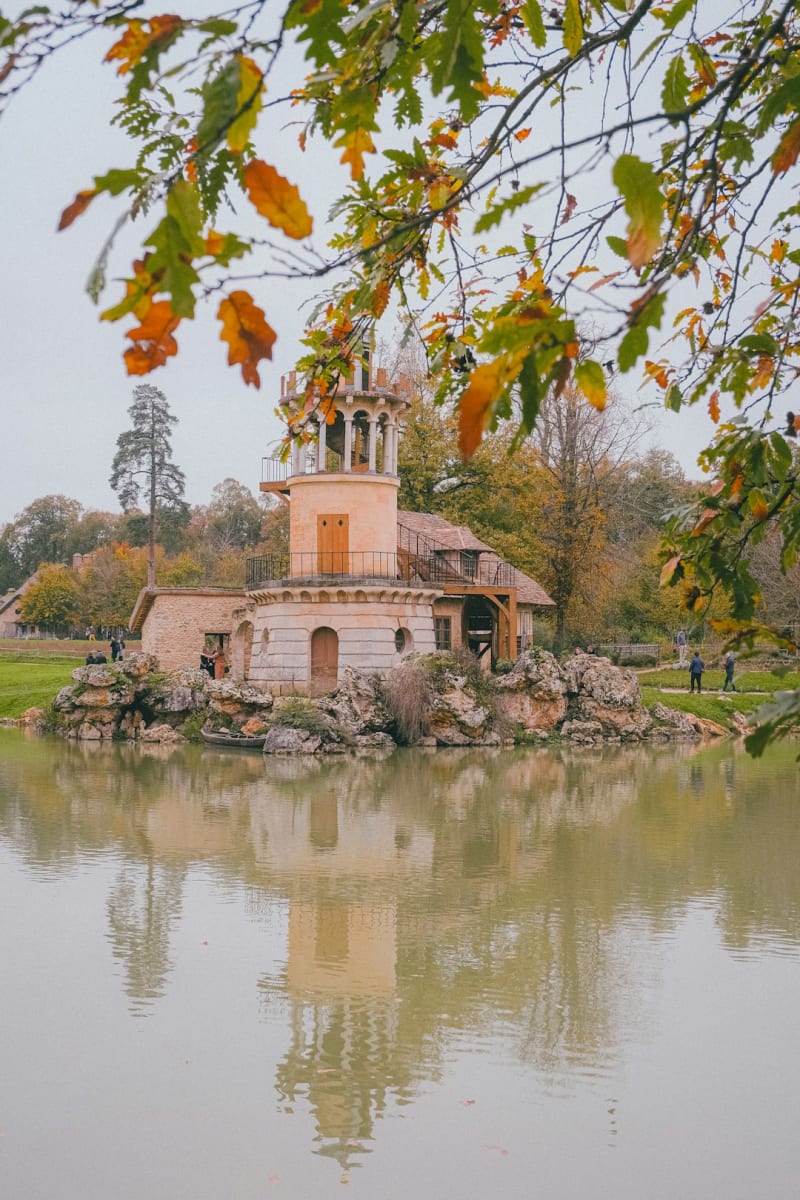
 Versailles
The palace my French history teachers made me memorize floor plans of as a kid, and which still managed to make me feel small the first time I actually stood in the Hall of Mirrors as an adult.
Explore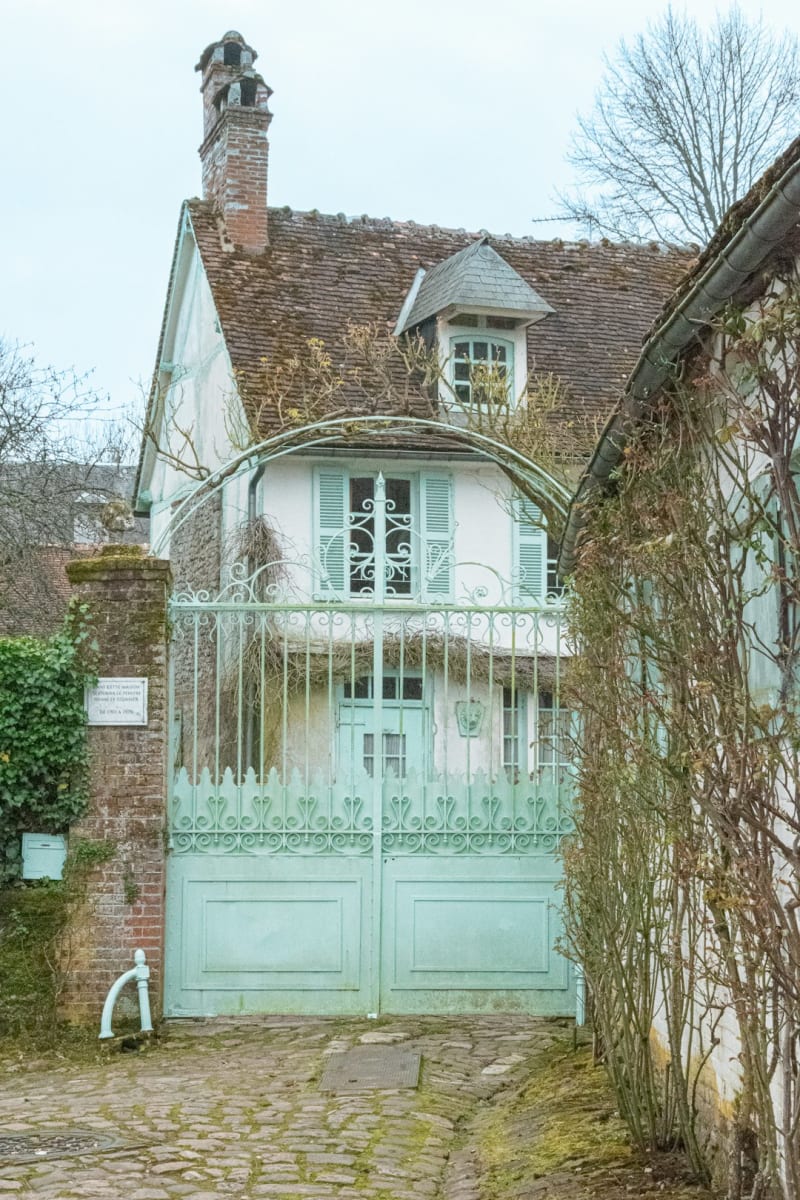 france
 Auvers-sur-Oise
The village where Van Gogh painted seventy canvases in seventy days and then died, and where the wheatfield he painted right before the end is still just... a wheatfield, which is somehow the whole point.
Explore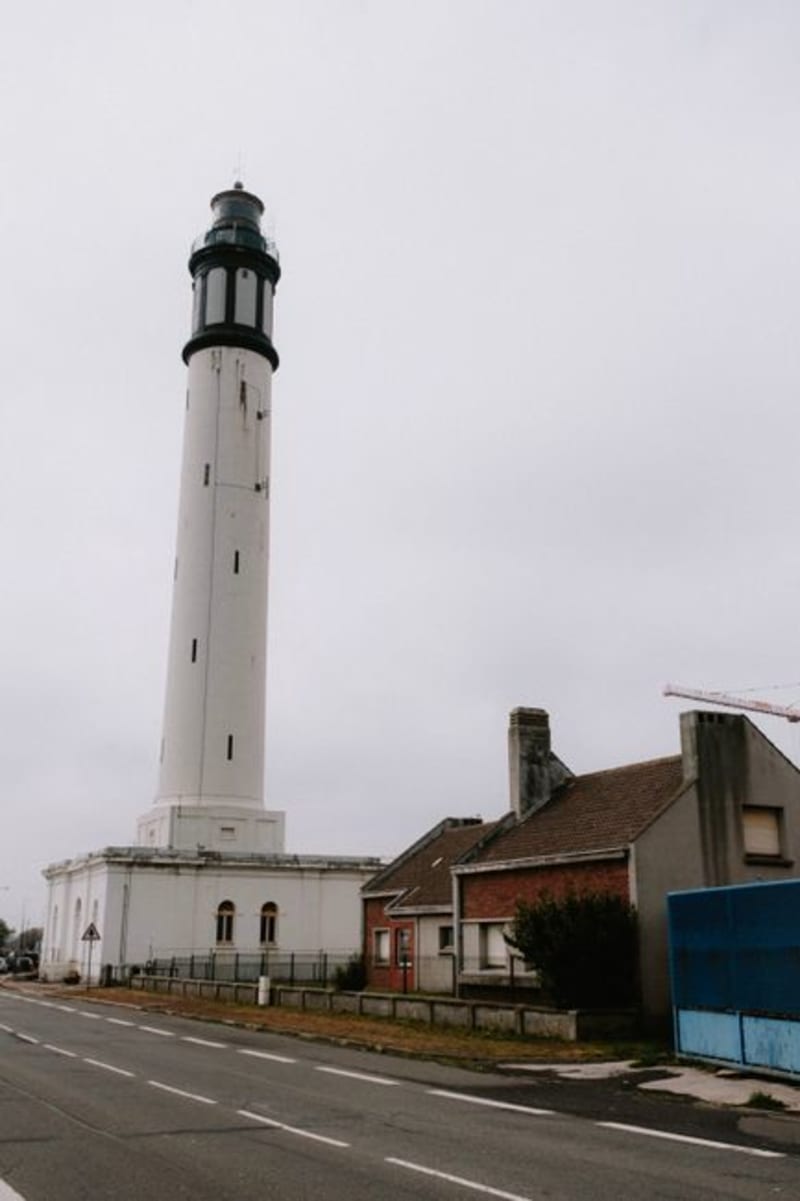 france
 Écouen
The Renaissance château almost nobody outside France seems to know about, sitting quietly north of the city with a museum of tapestries and armor that would be a major attraction anywhere else.
Explore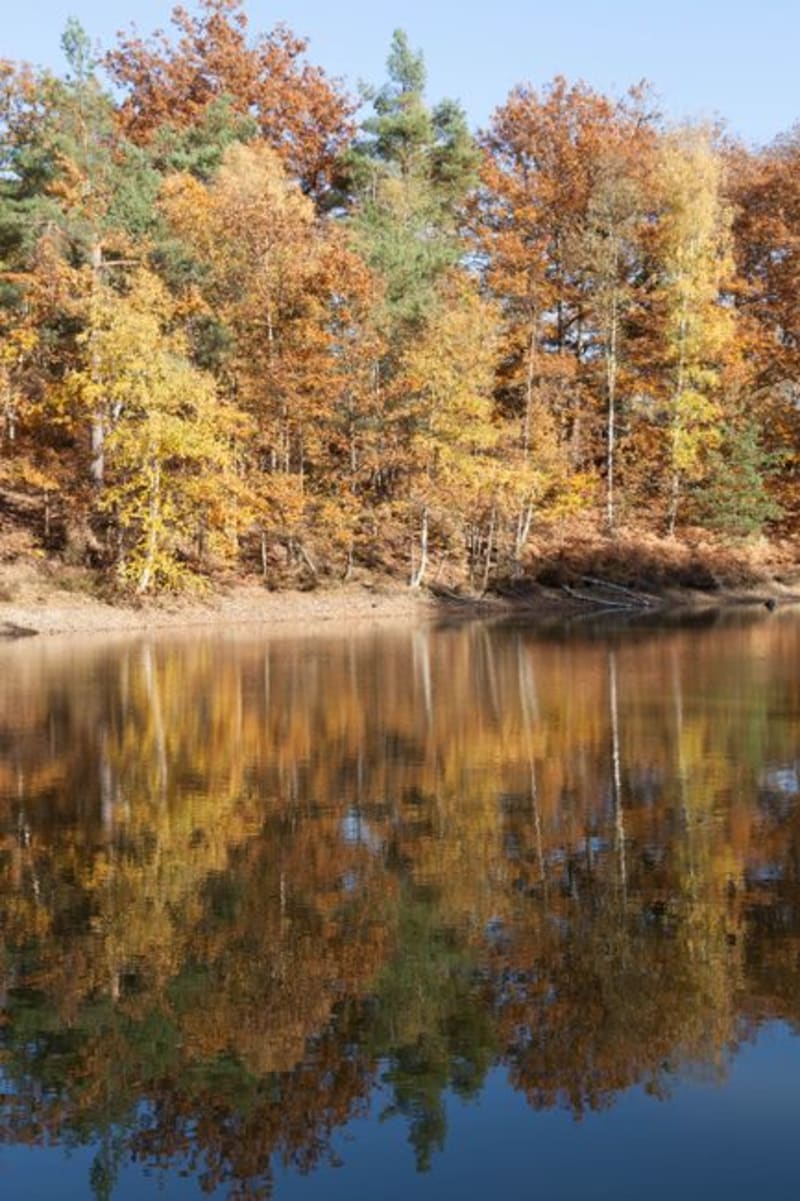 france
 Rambouillet
The château where French presidents used to spend their summers, and where the national sheepfold next door is somehow more interesting than the palace, which tells you something about this town.
Explore france
 Milly-la-Forêt
The village where Jean Cocteau spent his last years, painted a chapel by hand, and is buried under a stone that says he never left, which is exactly the kind of thing Cocteau would write about himself.
Explore france
 Disneyland Paris
The one entry on this list that has nothing to do with châteaux or painters, and the one my niece asked about more than every other French destination combined the moment she heard we were going.
Explore