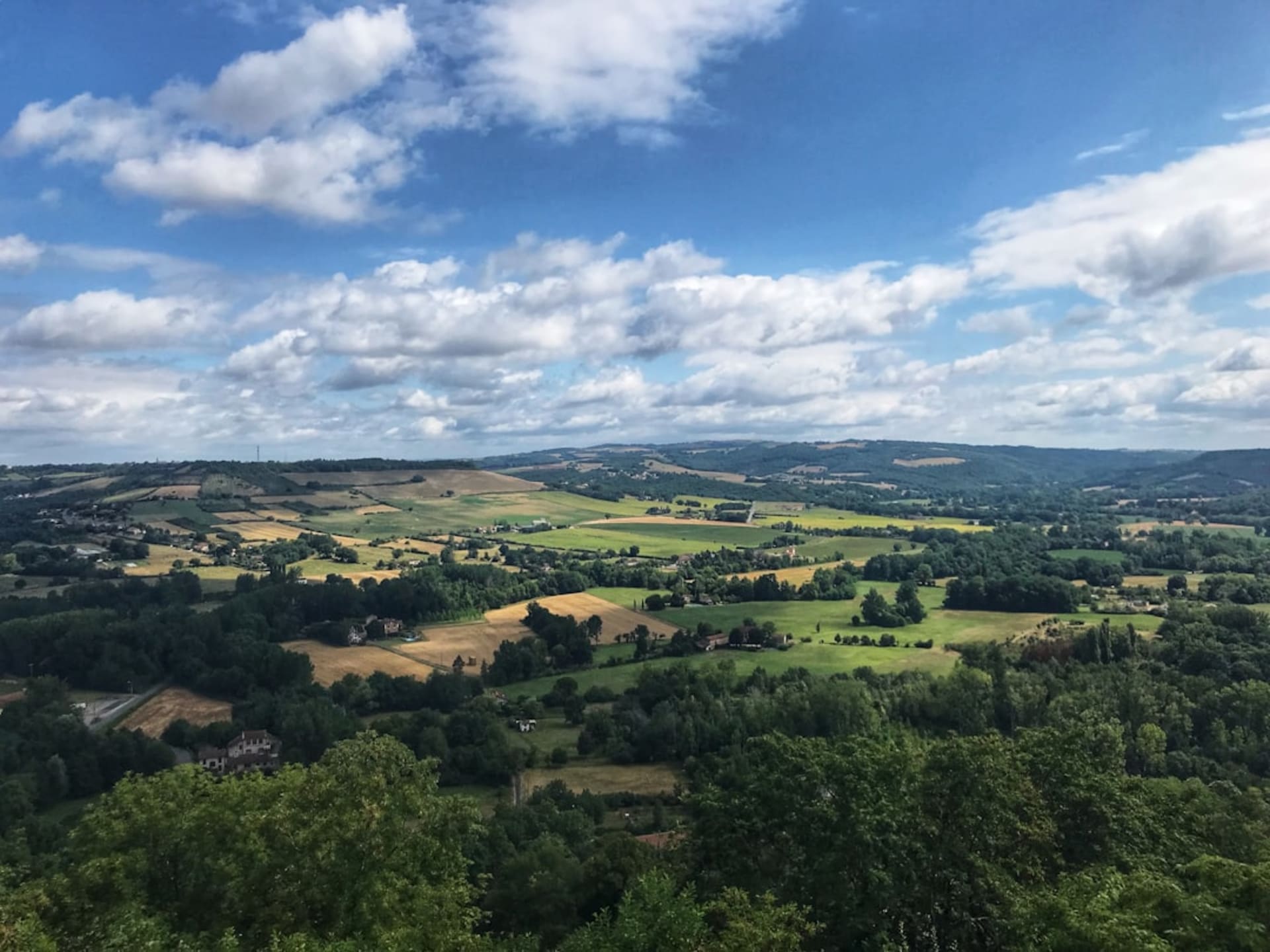
Milly-la-Forêt
"His gravestone reads 'I stay with you,' and standing in that tiny chapel, I actually believed it."
The village where Jean Cocteau spent his last years, painted a chapel by hand, and is buried under a stone that says he never left, which is exactly the kind of thing Cocteau would write about himself.

Milly-la-Forêt sits right on the southern edge of the Fontainebleau forest, close enough to Barbizon and Fontainebleau itself that you could reasonably combine all three in one long day, but it has its own distinct pull that has nothing to do with painters or kings. Jean Cocteau — poet, filmmaker, playwright, one of the most restlessly multi-talented figures of twentieth-century French culture — bought a house here in 1947, the Manoir du Bel-Ébat, and lived there until his death in 1963. He’s buried in the village, and the small chapel he decorated by hand is, for me, one of the most quietly moving artistic sites I’ve visited in France, precisely because it’s so unassuming from the outside.
The chapel Cocteau painted for the herb sellers
The Chapelle Saint-Blaise-des-Simples is a modest twelfth-century chapel that originally served the local herb and medicinal-plant trade — “simples” refers to medicinal herbs, and Milly has grown and traded them commercially for centuries. In the early 1960s, in poor health and near the end of his life, Cocteau asked to decorate the interior, and what he produced is a striking, linear mural style covering the walls and ceiling, depicting local plants alongside his recurring visual motifs — profiles, stars, the same spare line drawings that appear throughout his films and books. He’s buried directly in front of the altar, under a flat stone reading “Je reste avec vous” — I stay with you. Lia and I had the chapel almost entirely to ourselves on a weekday afternoon, and the quiet made the line on his grave land harder than I expected from what’s essentially a small parish building.

The herb market and the forest beyond
Milly’s other identity, the medicinal herb trade the chapel was originally built to serve, is still visible in its restored Halle aux Simples, an old covered market hall in the village center where herb and plant sellers still set up, a tradition going back to the Middle Ages. From there, the village backs directly onto the western edge of the Fontainebleau forest, with quieter, less-trafficked trails than the more famous access points near Barbizon or Fontainebleau town itself. We wandered out along one of the sandy paths after the chapel, past sandstone boulders half-swallowed by moss, and it felt like a genuinely underused corner of a forest most Paris day-trippers only ever approach from one direction.

When to go: Visit on a weekday to have the Cocteau chapel to yourself, and pair it with an autumn walk in the forest when the herb market stalls are also at their most active with the harvest.
Keep exploring
More of Paris
Keep exploring
More from Paris
 france
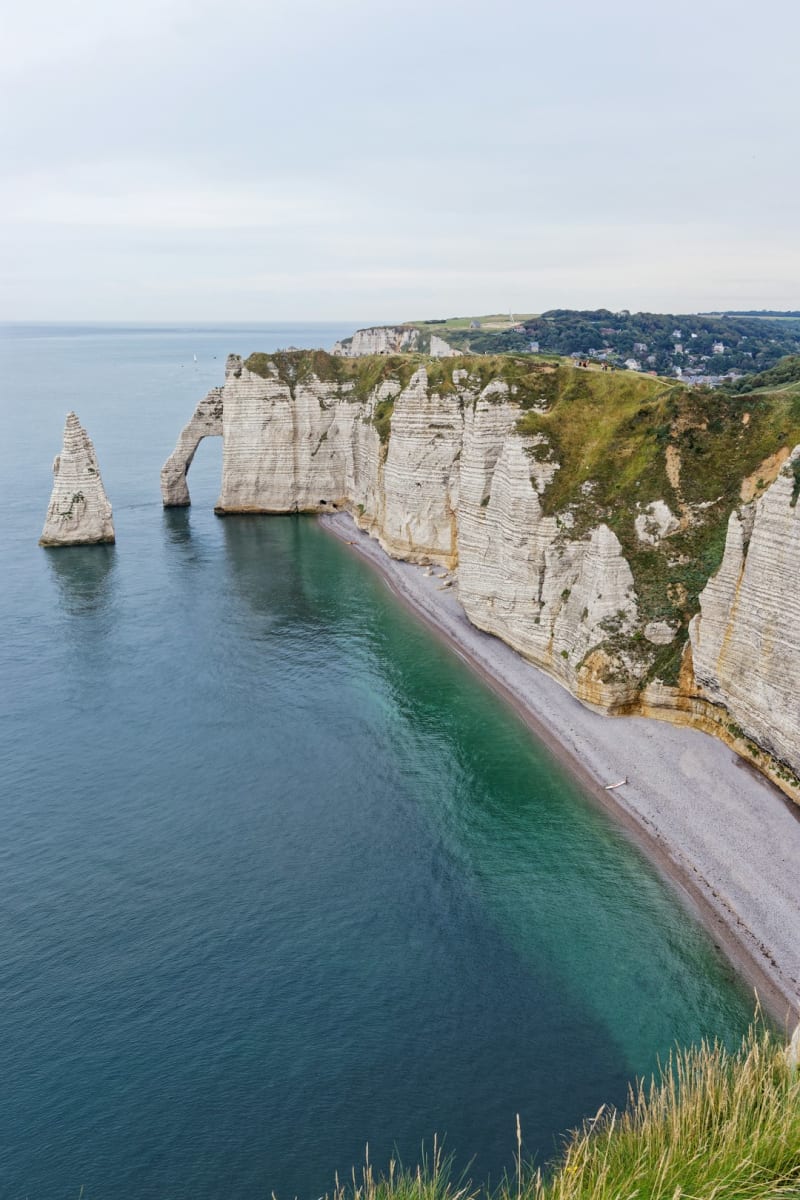
 Barbizon
The one street where an entire school of French painting was born, and where I still can't walk into a forest without thinking about how these guys taught the Impressionists to look at light.
Explore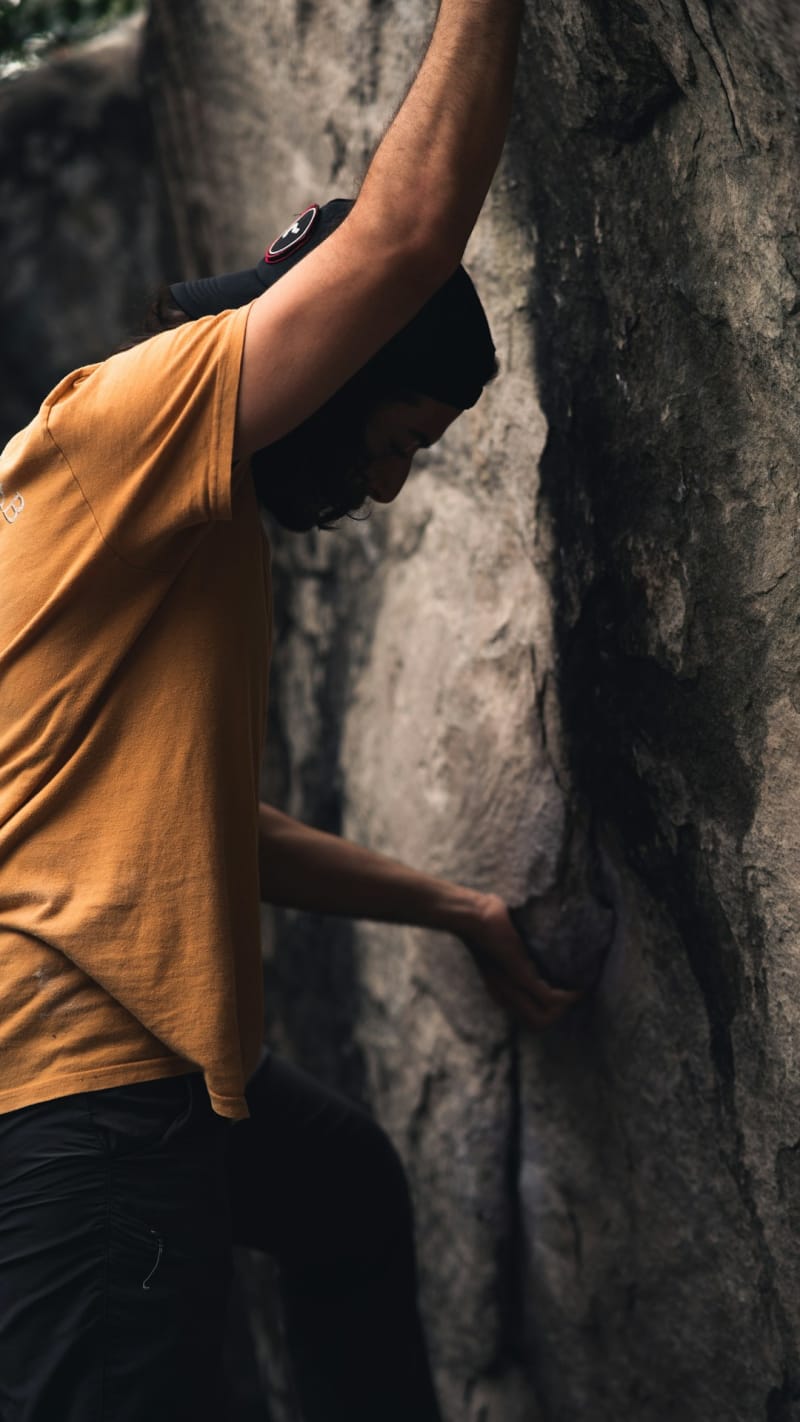 france
 Fontainebleau
A château I'd walked past for years as a kid without really looking at it, and a forest of sandstone boulders I only appreciated once I'd left France and started missing exactly this kind of quiet, scruffy wild space.
Explore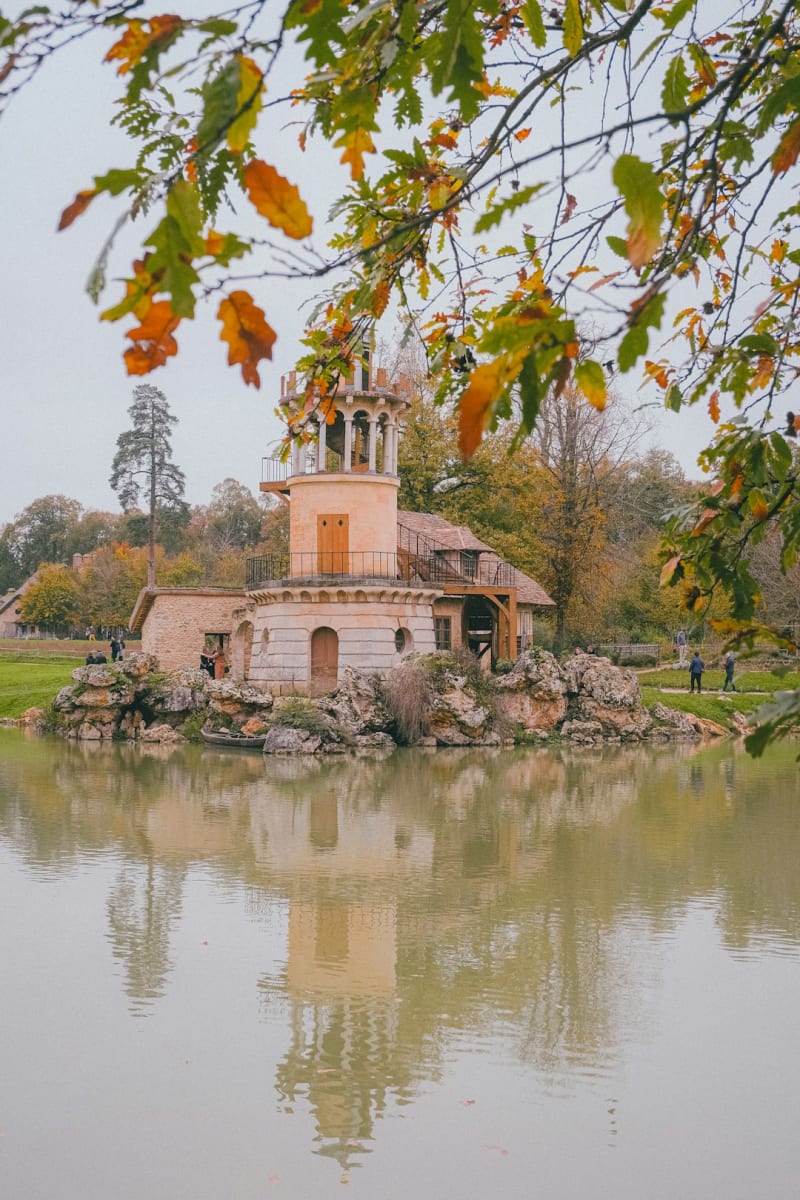 france
 Versailles
The palace my French history teachers made me memorize floor plans of as a kid, and which still managed to make me feel small the first time I actually stood in the Hall of Mirrors as an adult.
Explore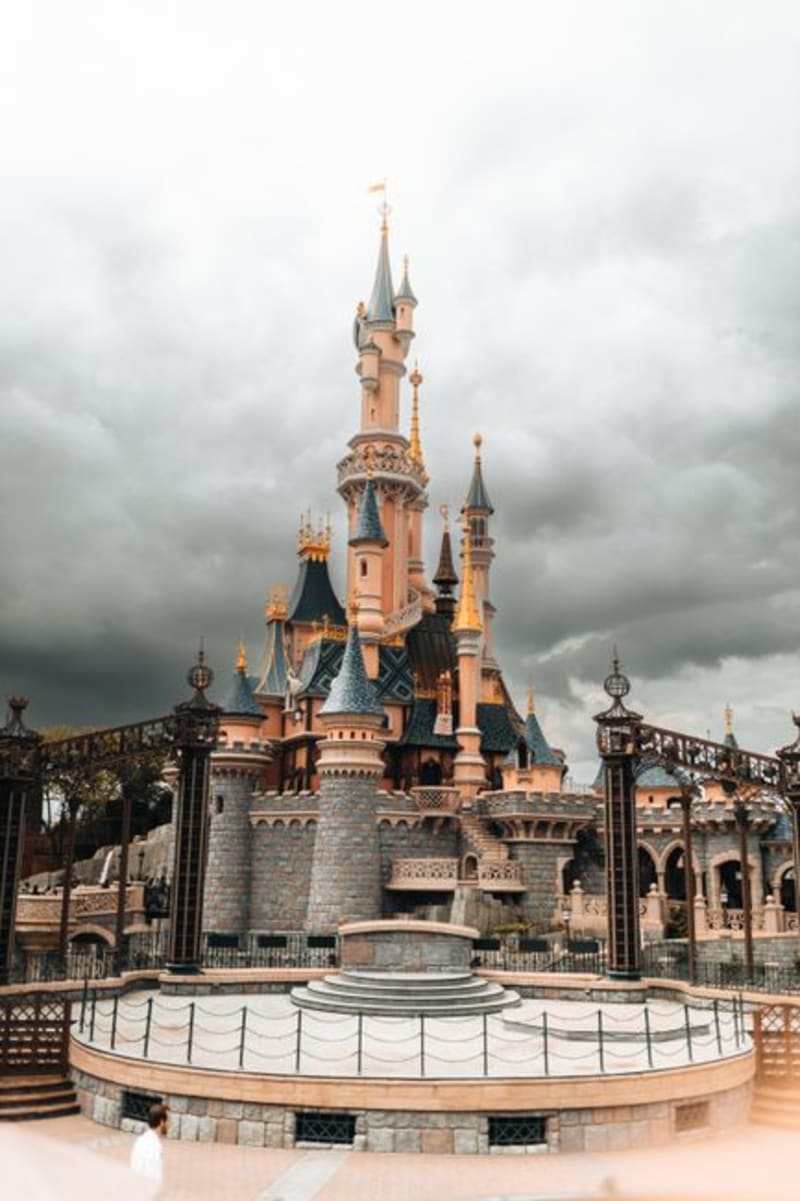 france
 Disneyland Paris
The one entry on this list that has nothing to do with châteaux or painters, and the one my niece asked about more than every other French destination combined the moment she heard we were going.
Explore france
 Écouen
The Renaissance château almost nobody outside France seems to know about, sitting quietly north of the city with a museum of tapestries and armor that would be a major attraction anywhere else.
Explore france
 Saint-Germain-en-Laye
The château where Louis XIV was born, twenty minutes from the Paris apartment I used to live near, and the town that finally made me understand what the Paris region looked like before it was all Paris.
Explore