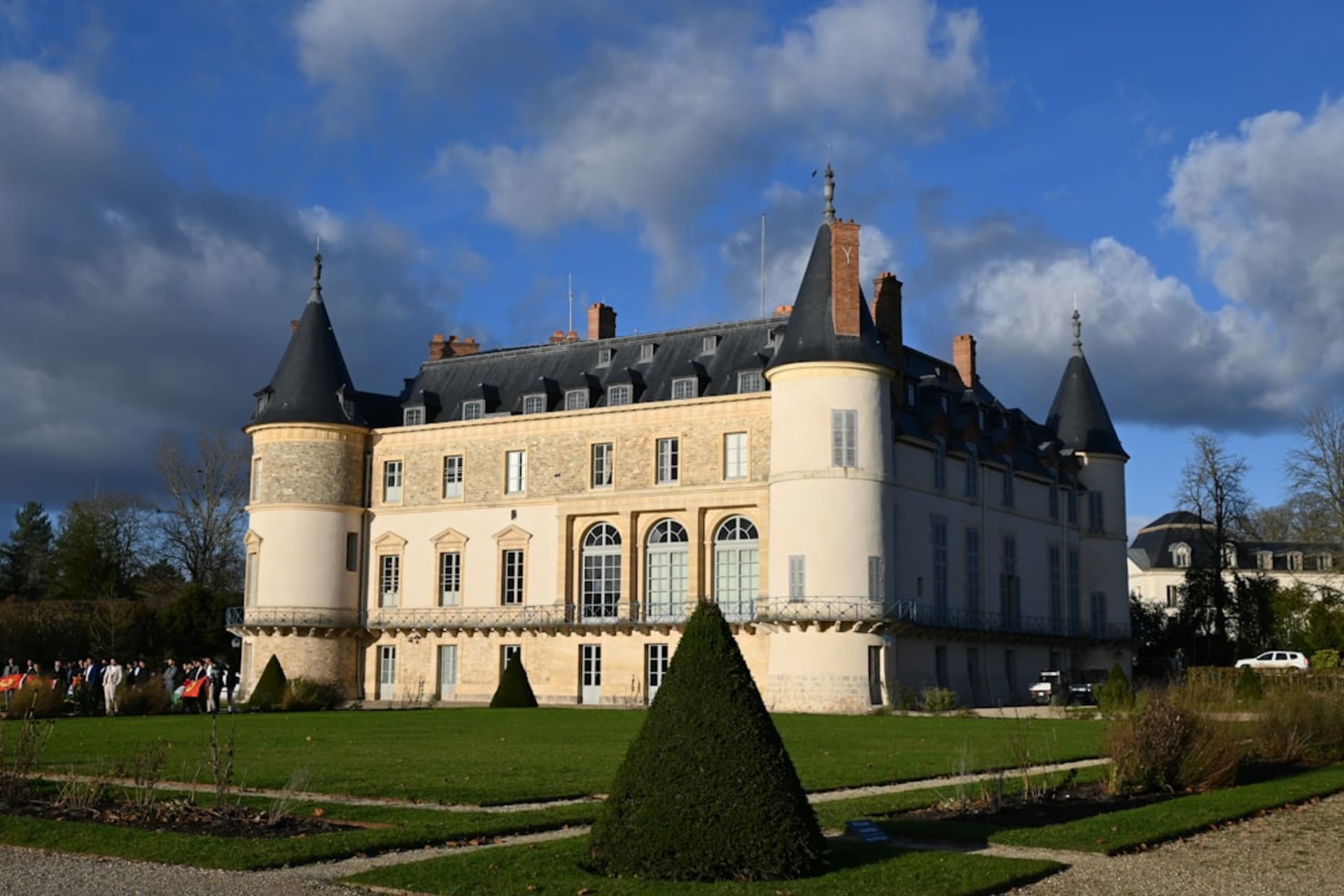
Rambouillet
"Every other château I'd seen in the Paris region belonged to kings who'd been dead for centuries. This one had a president using it within living memory."
The château where French presidents used to spend their summers, and where the national sheepfold next door is somehow more interesting than the palace, which tells you something about this town.

Rambouillet sits in its own forest about fifty kilometers southwest of Paris, and what makes it different from the parade of royal châteaux you tick off in this region is that it stayed politically relevant right up until surprisingly recently. Louis XVI bought it in 1783 mostly to hunt in the surrounding forest, Napoleon stopped there on his way to and from exile, and from 1896 until 2009 it served as the official summer residence of the French president — Charles de Gaulle, Georges Pompidou, and François Mitterrand all spent time there, and it hosted G6 and G7 summits in the 1970s. I went expecting another well-preserved royal relic and instead found somewhere that felt oddly recent, a château with one foot still in the twentieth century.
A château that kept working
The building itself is a strange architectural patchwork — a round medieval tower where Francis I died in 1547 grafted onto later wings, the whole thing surrounded by a moat that gives it a slightly fairy-tale silhouette from across the gardens. Inside, the rooms shift period abruptly: a marble bathroom Napoleon had installed for Josephine, boiseries and gilded panelling from the ancien régime, and then, jarringly, mid-century furniture and telephones from its working life as a presidential retreat. It’s the only château I’ve visited in France where a guide casually mentioned a room being used for a state visit in the 1970s as though it were ancient history and recent news at the same time.

The queen’s dairy and the national sheepfold
What actually made the trip for me, though, was next door: the Bergerie Nationale, a working national sheepfold established by Louis XVI in 1786 specifically to introduce merino sheep to France, smuggled in from Spain against export restrictions. It’s still an active agricultural school and research farm today, and you can walk through barns of merino sheep descended from that original imported flock more than two centuries ago. Nearby, Marie-Antoinette’s laiterie — a small marble dairy pavilion she had built to play at pastoral simplicity, decorated with a sculpture of a goat being milked by cupids — is the kind of detail that tells you more about pre-Revolutionary court life than any painting could. Lia found it genuinely funny in a way I hadn’t expected; the queen’s fantasy of rustic life sitting a few hundred meters from an actual working farm doing the real version of it.

When to go: Come in September for the Bergerie Nationale’s open agricultural days, or any weekday outside peak summer to have the château’s gardens largely to yourself.
Keep exploring
More of Paris
Keep exploring
More from Paris
 france
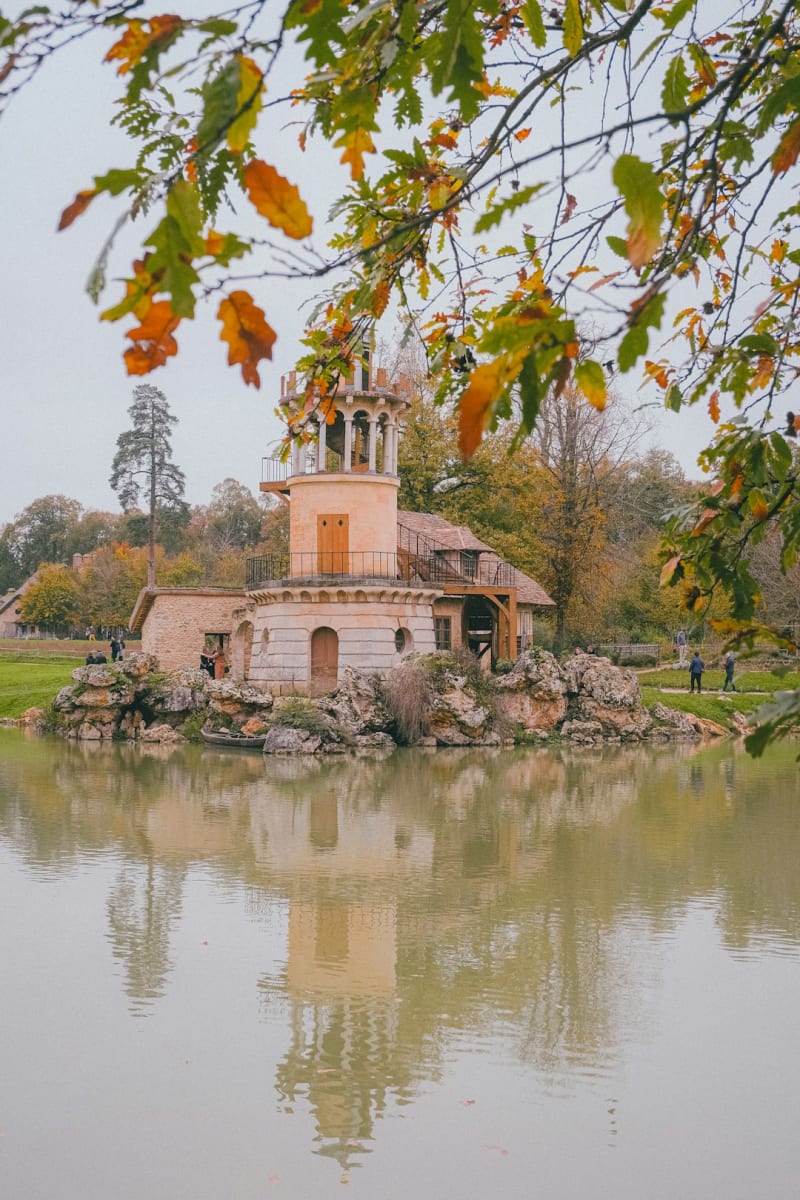
 Versailles
The palace my French history teachers made me memorize floor plans of as a kid, and which still managed to make me feel small the first time I actually stood in the Hall of Mirrors as an adult.
Explore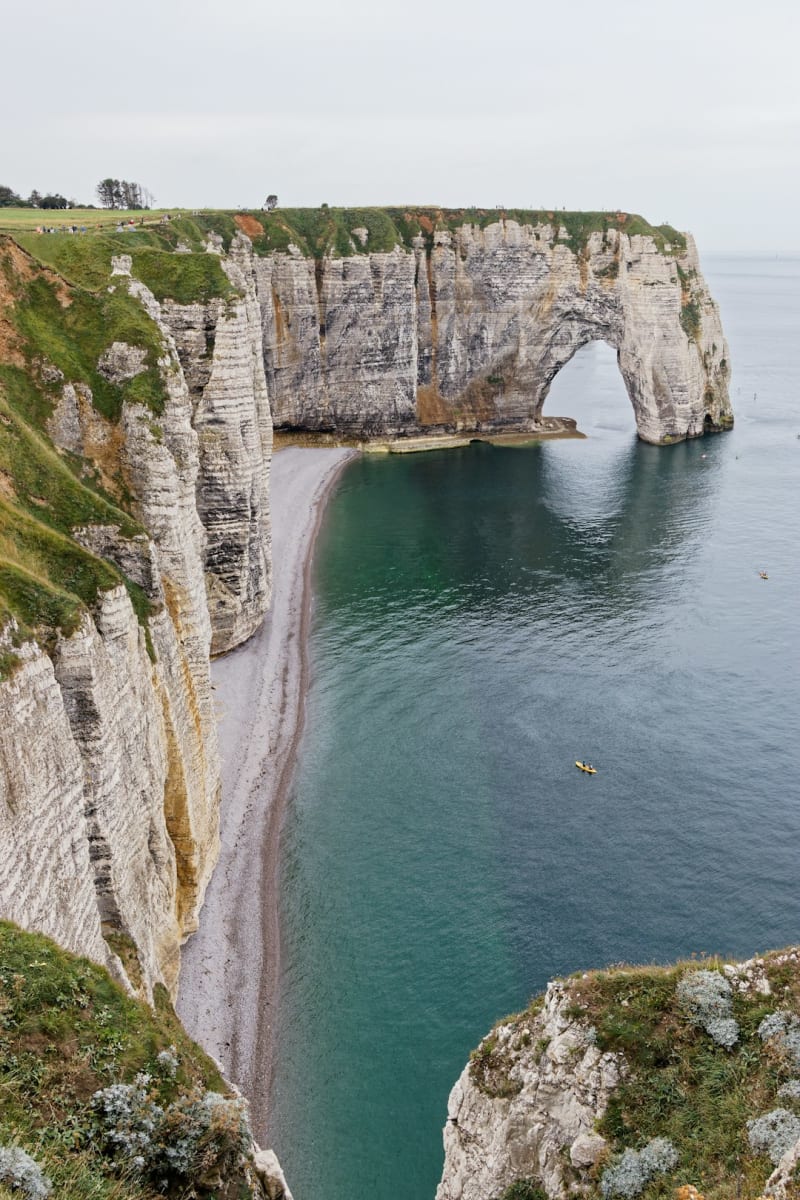 france
 Chartres
A cathedral whose blue stained glass I'd seen in a hundred textbook photos before I ever saw it in person, and which still made Lia go completely silent the moment we walked in.
Explore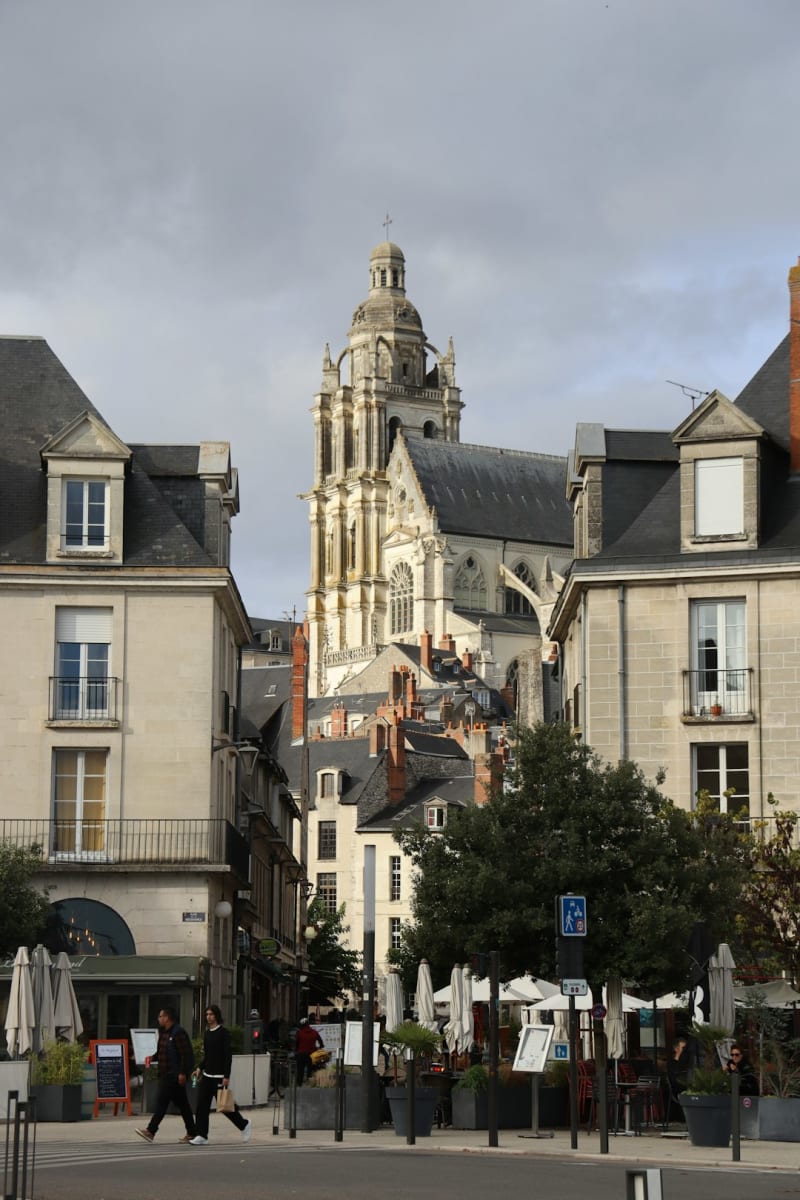 france
 Saint-Germain-en-Laye
The château where Louis XIV was born, twenty minutes from the Paris apartment I used to live near, and the town that finally made me understand what the Paris region looked like before it was all Paris.
Explore france
 Auvers-sur-Oise
The village where Van Gogh painted seventy canvases in seventy days and then died, and where the wheatfield he painted right before the end is still just... a wheatfield, which is somehow the whole point.
Explore france
 Écouen
The Renaissance château almost nobody outside France seems to know about, sitting quietly north of the city with a museum of tapestries and armor that would be a major attraction anywhere else.
Explore france
 Milly-la-Forêt
The village where Jean Cocteau spent his last years, painted a chapel by hand, and is buried under a stone that says he never left, which is exactly the kind of thing Cocteau would write about himself.
Explore