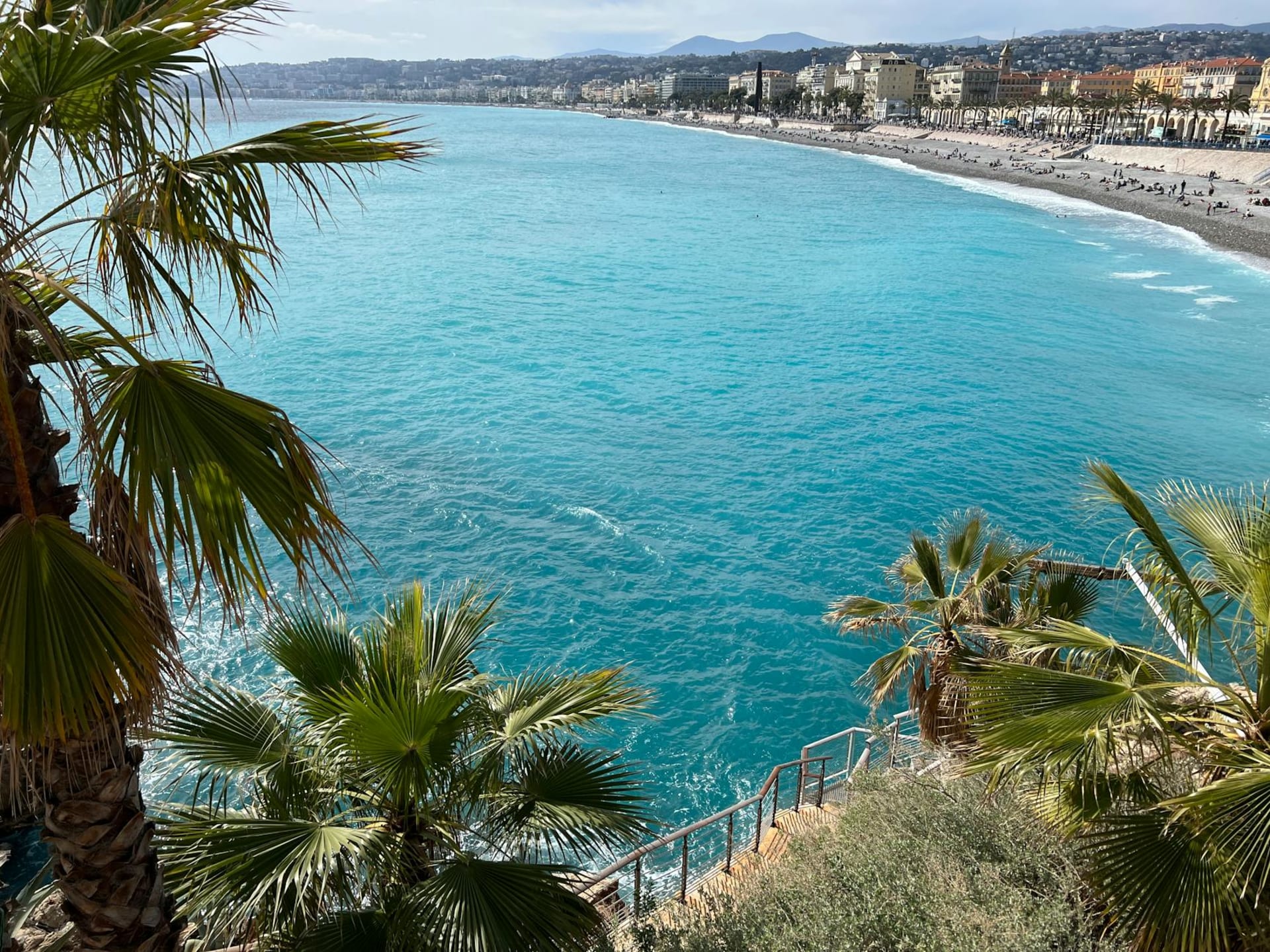
The Mediterranean coast that invented modern glamour — and the hidden coves, hilltop villages, and artists' light behind the sunglasses.
The Côte d’Azur is the stretch of Mediterranean coast between Cassis and the Italian border that has been seducing artists, aristocrats, and sun-seekers since the English invented the concept of the winter holiday in the 19th century. The name itself — Azure Coast — is a promise about color, and the coast delivers: the sea here is a blue so saturated it looks artificial, the sky matches it, and the bougainvillea cascading down ochre walls adds the only contrast the landscape needs.
I have a complicated relationship with the Riviera. It is the France of excess, of wealth performed in public, of yachts the size of apartment buildings anchored off Antibes. But it is also the France of Matisse in Nice, Picasso in Antibes, Chagall in Saint-Paul-de-Vence — artists who came for the light and stayed because the light was, in fact, extraordinary. The quality of Mediterranean light on this coast — sharp, bright, casting deep shadows that make colors sing — explains an entire chapter of 20th-century art.
Nice is the capital of the Riviera and far more interesting than its reputation suggests. The Vieille Ville — the old town — is a tangle of narrow streets, Baroque churches, and the Cours Saleya market, where the flower stalls and the socca (chickpea-flour crepes cooked on enormous copper pans) are worth the early alarm. The Promenade des Anglais is the most famous seafront walk in Europe, and walking it at sunset, with the Baie des Anges turning pink, remains one of the great free pleasures of French travel.
The hilltop villages — Èze, Saint-Paul-de-Vence, Mougins, Gourdon — are perched on the mountainsides behind the coast like sentinels. Saint-Paul-de-Vence has the Fondation Maeght, one of the finest modern art museums in Europe, set in a pine forest with Giacometti sculptures in the courtyard. Èze has a cactus garden at its summit with views to Corsica on a clear day. These villages were medieval defenses against pirates; now they defend against nothing except the modern impulse to rush.

The Calanques near Cassis, at the western edge of the coast, are limestone inlets of impossible beauty — narrow fjords where the cliffs drop into water so clear it seems to have been filtered through glass. Rent a small boat from Cassis harbor or hike the GR 98 trail along the cliff tops. The swimming is some of the best in Europe, and the bouillabaisse in Cassis afterward is the proper reward.
When to go: May to June or September to October. July and August are crowded, hot, and expensive. The film festival in Cannes (May) and the Jazz Festival in Nice (July) are worth planning around.
Explore
Places in Côte d'Azur
 france
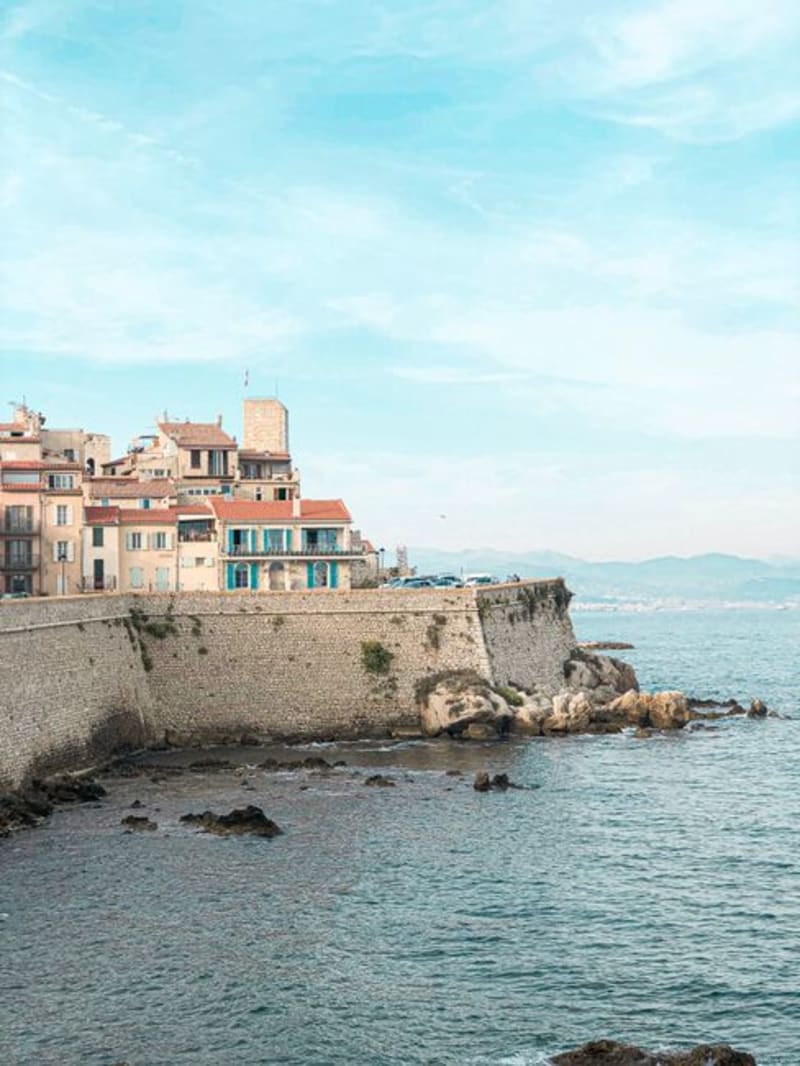
 Antibes
A fortified port town where Vauban's ramparts hold back the sea, Picasso once painted in a seafront castle, and the covered market still runs the way it must have before any of that mattered.
Explore france
 Beaulieu-sur-Mer
A pocket of coast so sheltered the Belle Époque crowd nicknamed it 'little Africa,' where a Greek villa built by a Rothschild-era archaeologist still looks like it washed up from another century entirely.
Explore france
 Bormes-les-Mimosas
A hillside village so covered in flowers that its own tourist office once ran a competition for the best-decorated doorway, and where the mimosa trees that gave it its name turn whole hillsides yellow every winter.
Explore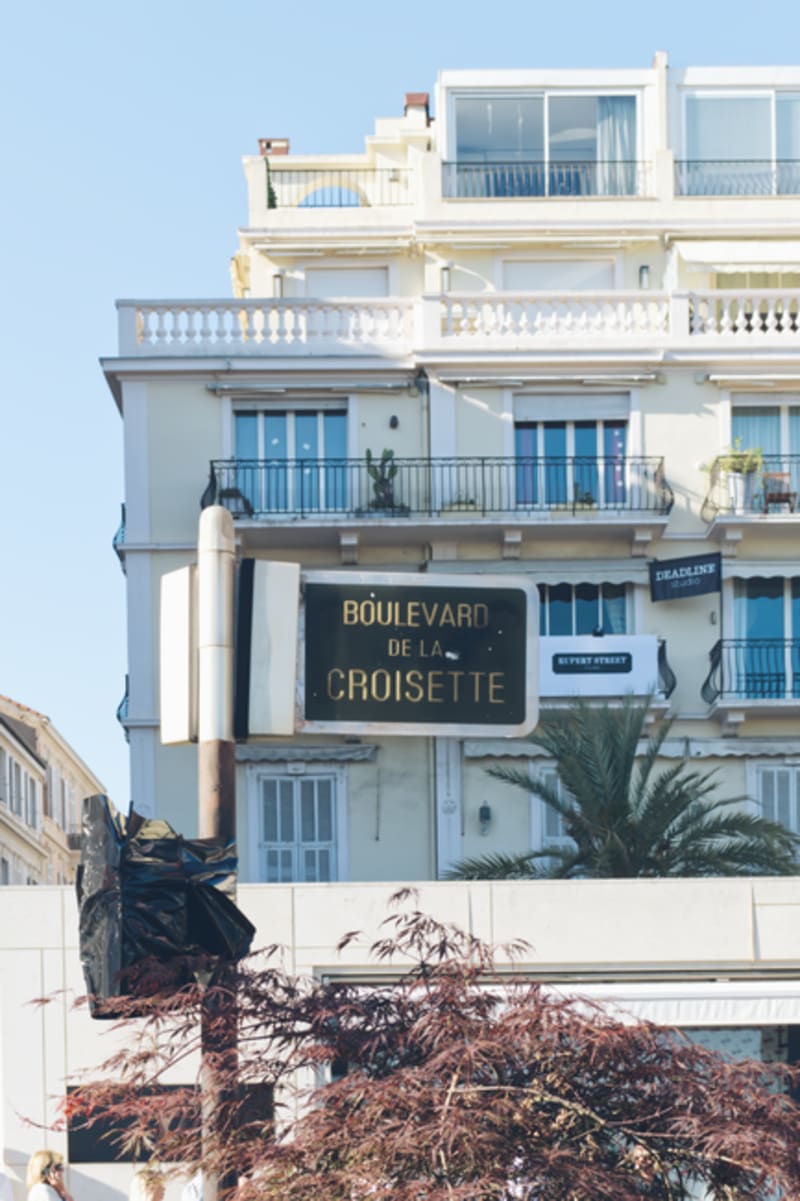 france
 Cannes
A resort town built almost entirely around one curved bay and two weeks of May glamour, with a fishing quarter and a genuinely excellent market that outlast the film festival crowds.
Explore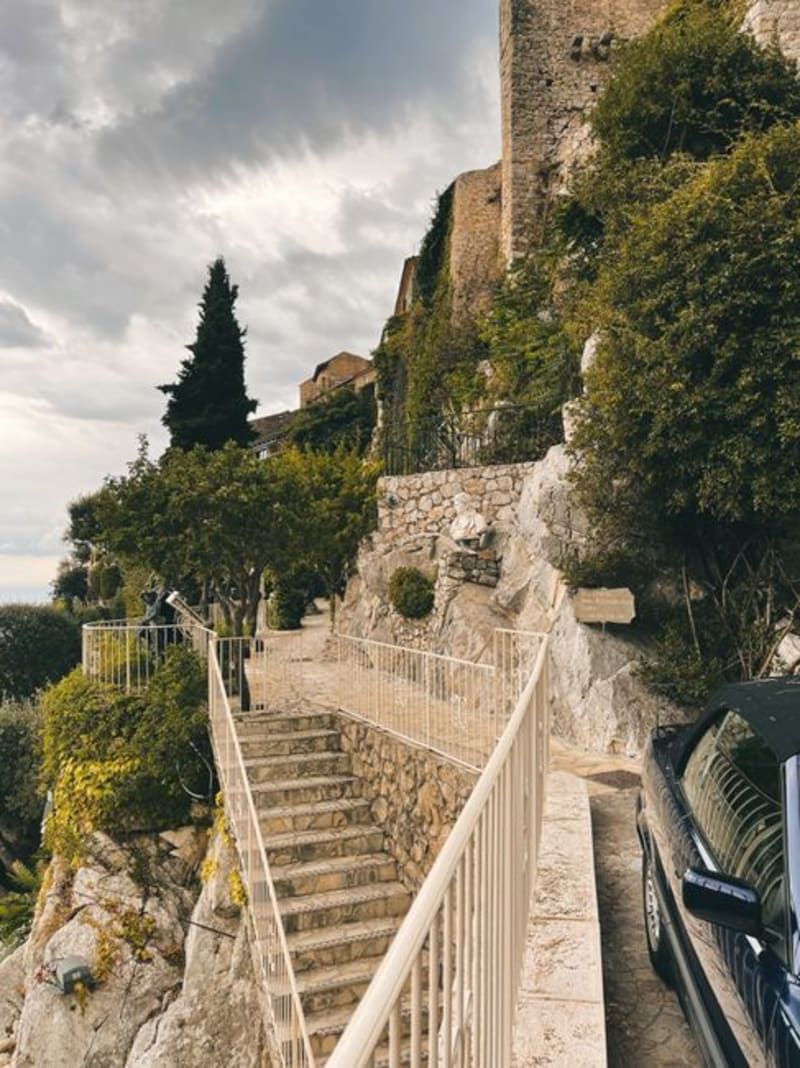 france
 Èze
A medieval eagle's-nest village perched on a rock spur four hundred metres above the sea, its stepped lanes ending in a cactus garden with one of the best views on the whole coast.
Explore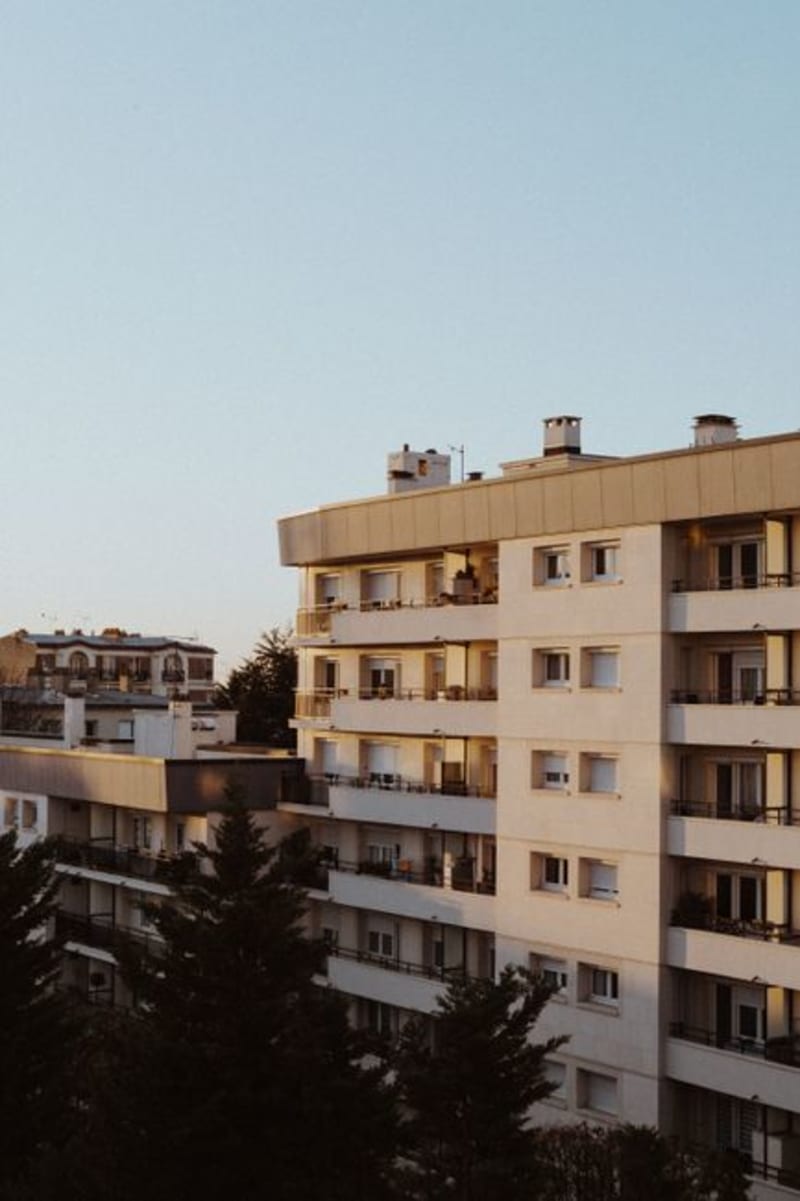 france
 Fréjus
Rome's oldest naval base on this coast, still readable in an amphitheater that hosts concerts instead of gladiators and an aqueduct that just quietly keeps standing in the middle of roundabouts and parking lots.
Explore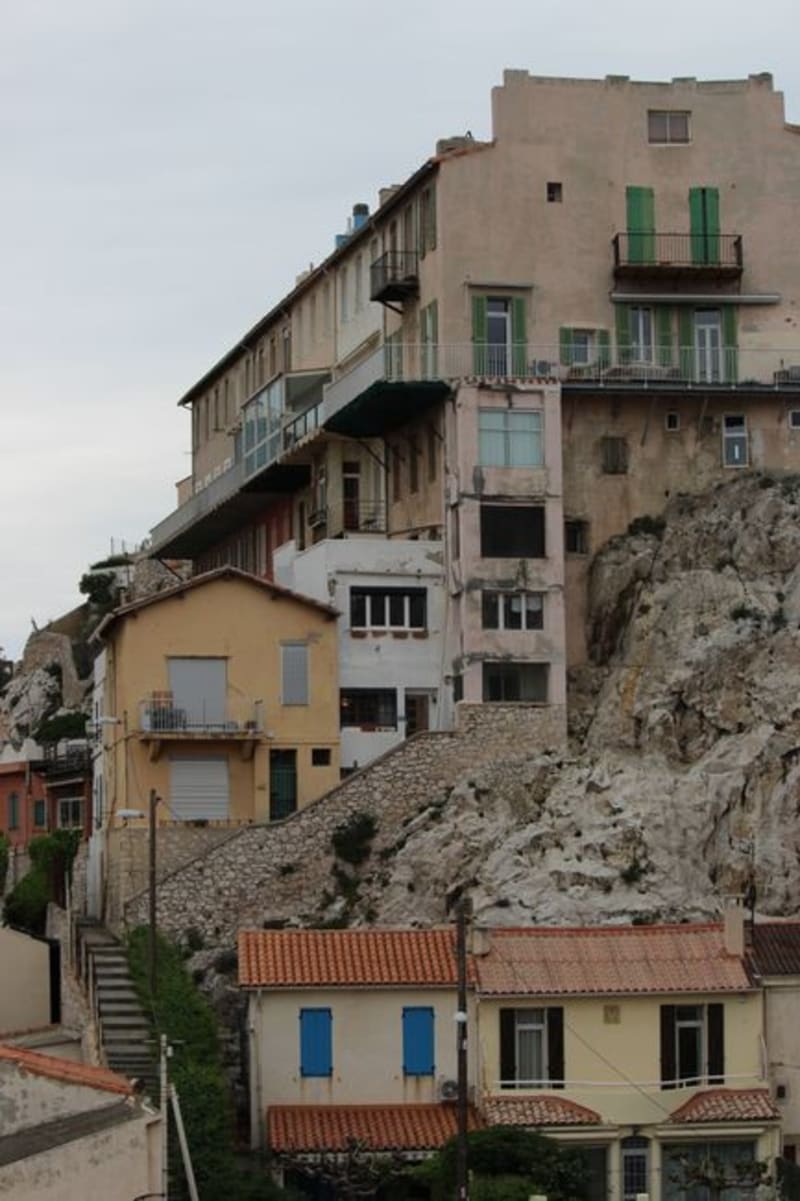 france
 Grasse
The self-declared perfume capital of the world, a hill town above Cannes where the air smells faintly of jasmine and three historic houses still blend scent the old way.
Explore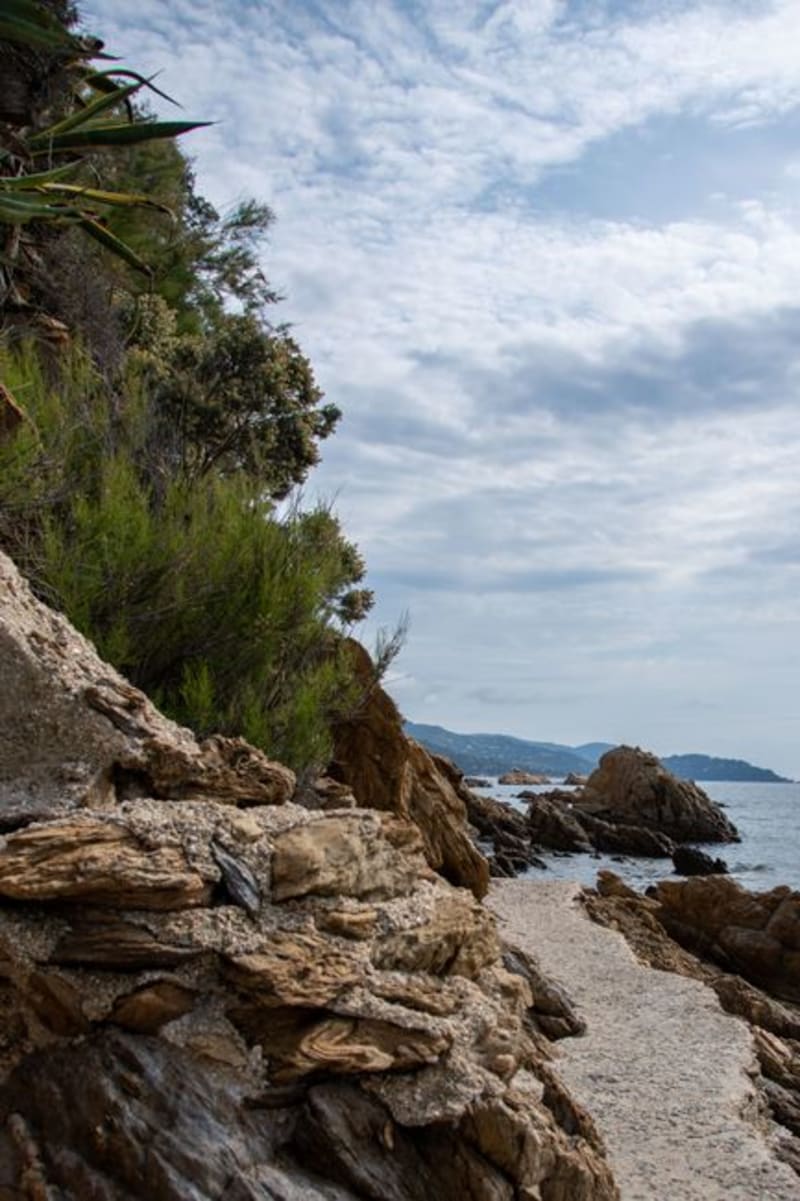 france
 Le Lavandou
A working fishing port that turned its twelve beaches into a full-time job and its harbor into the easiest way onto the Îles d'Hyères, without ever quite losing the smell of a Provençal fish market.
Explore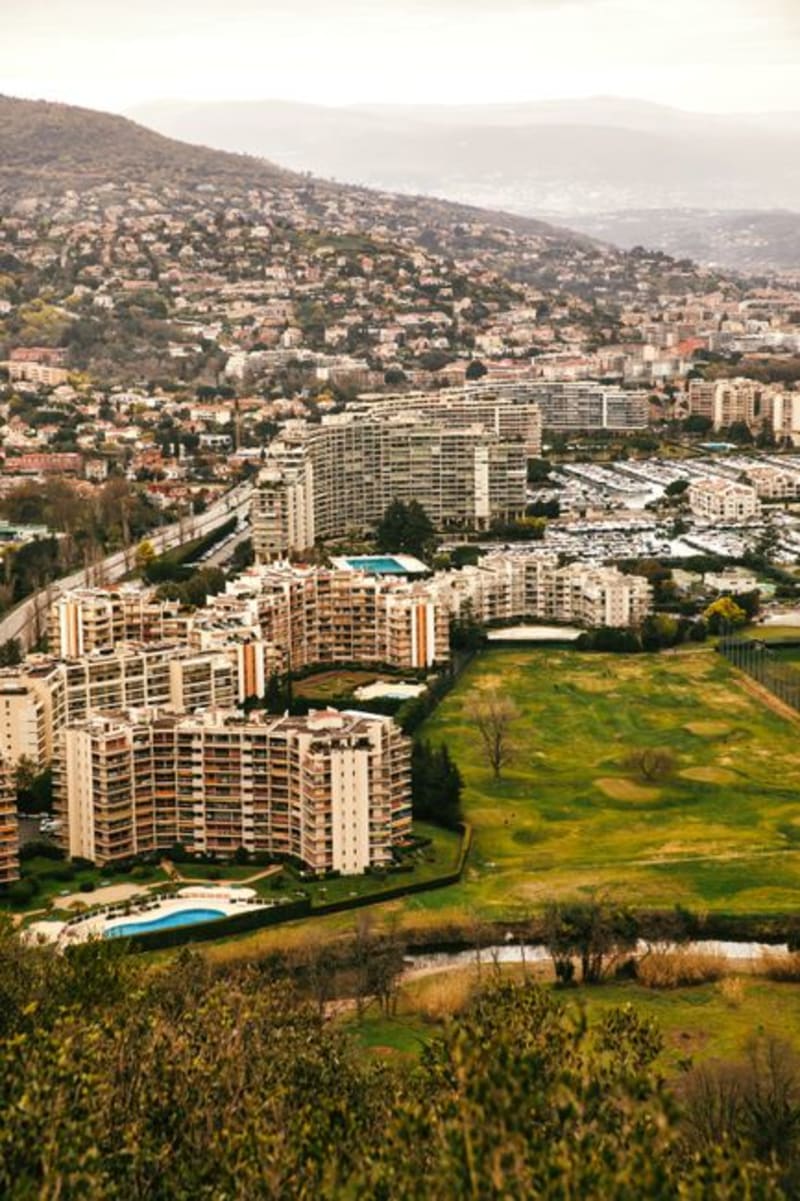 france
 Mandelieu-la-Napoule
A town that smells like mimosa every January and hides a genuinely strange fairy-tale château full of an American sculptor's gargoyles right on its waterfront.
Explore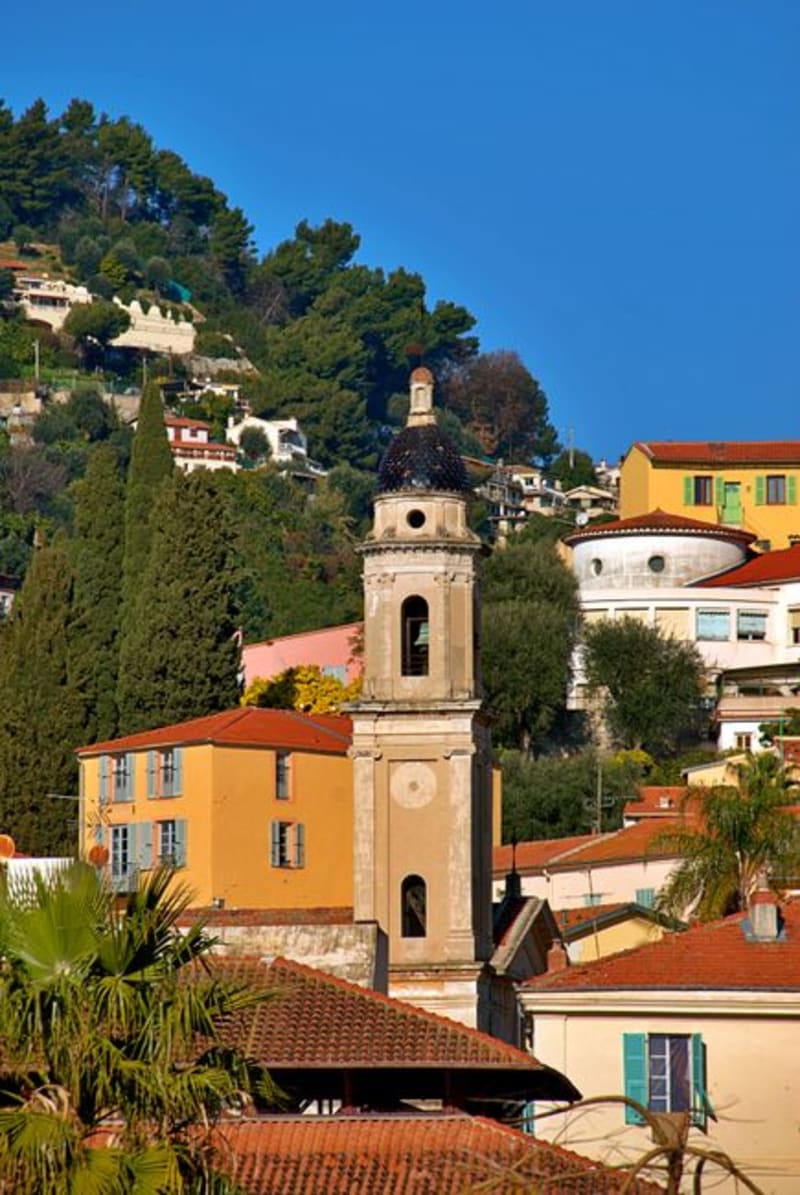 france
 Menton
The last French town before Italy, warm enough to grow lemons year-round, with a pastel old town that leans as much toward Liguria as it does toward the rest of the Riviera.
Explore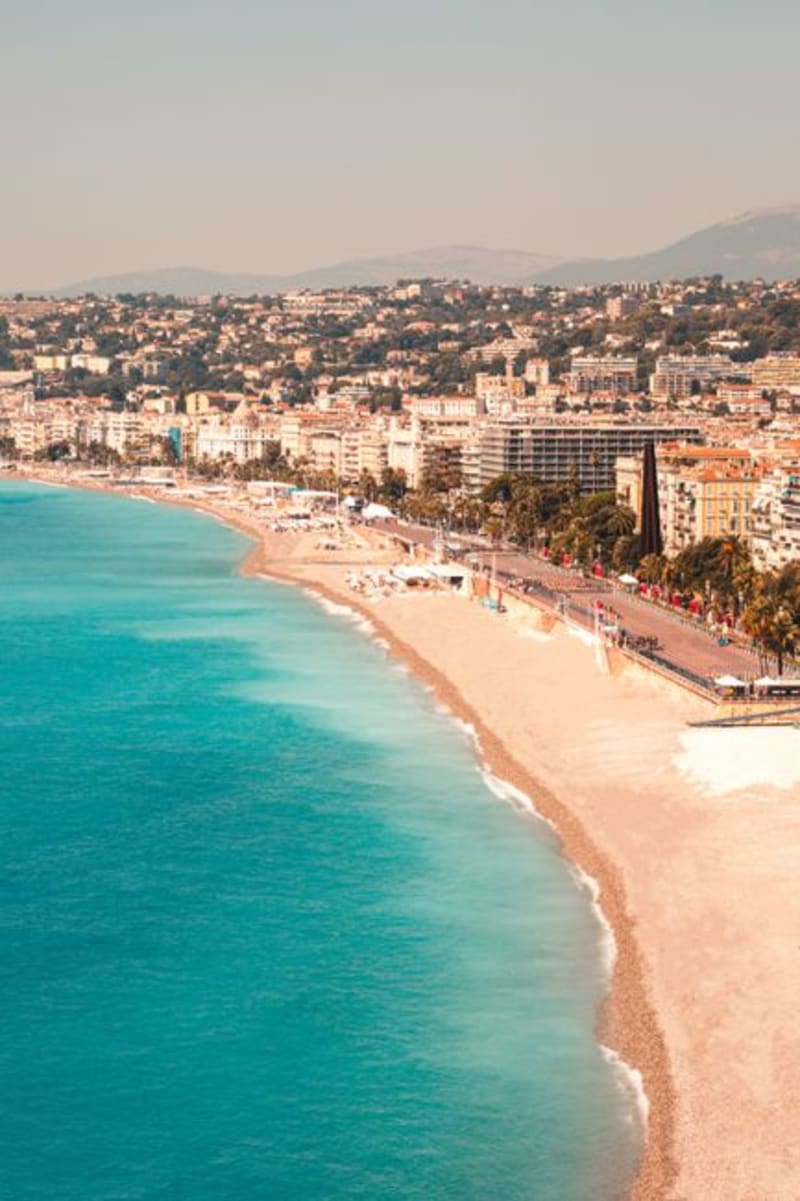 france
 Nice
The unofficial capital of the Côte d'Azur, where the Promenade des Anglais runs for miles along a pebble beach and the old town smells permanently of frying socca.
Explore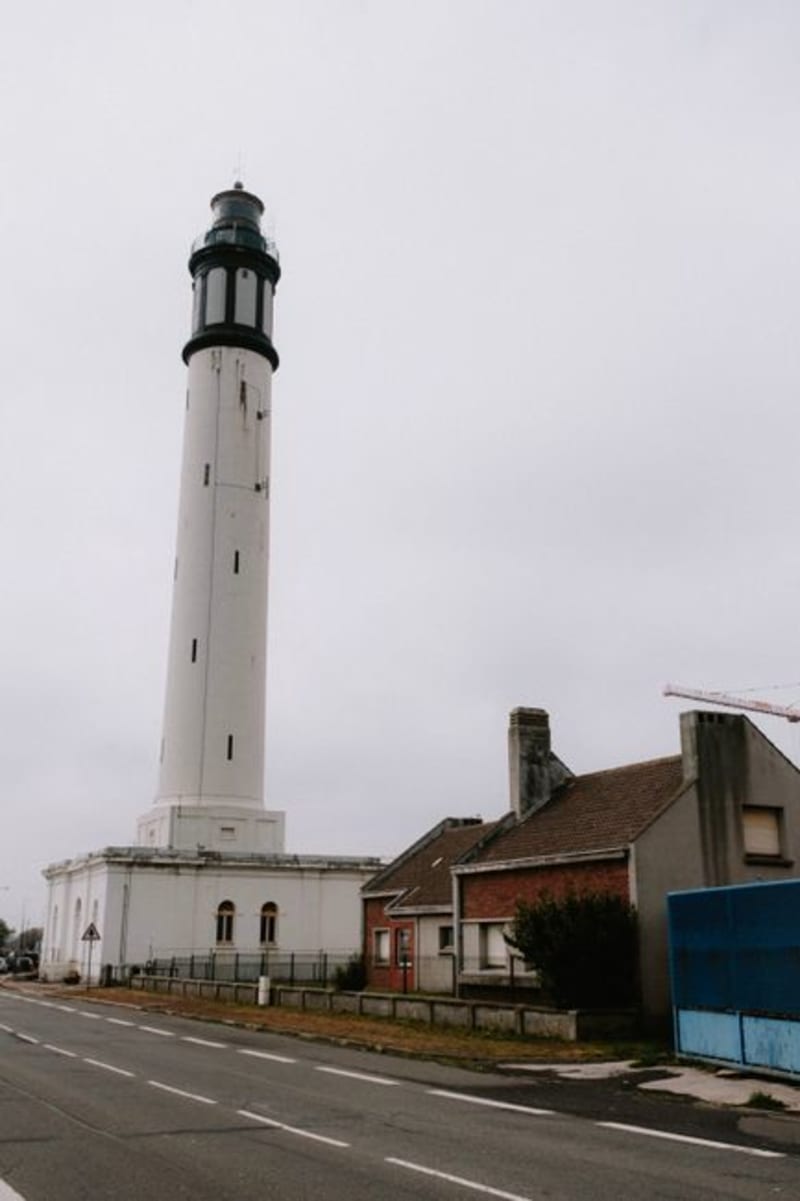 france
 Peille
A hilltop village so tangled with vaulted stone passageways that I lost my sense of direction within five minutes, with a panorama over Monaco and the Mediterranean that makes the climb up entirely worth it.
Explore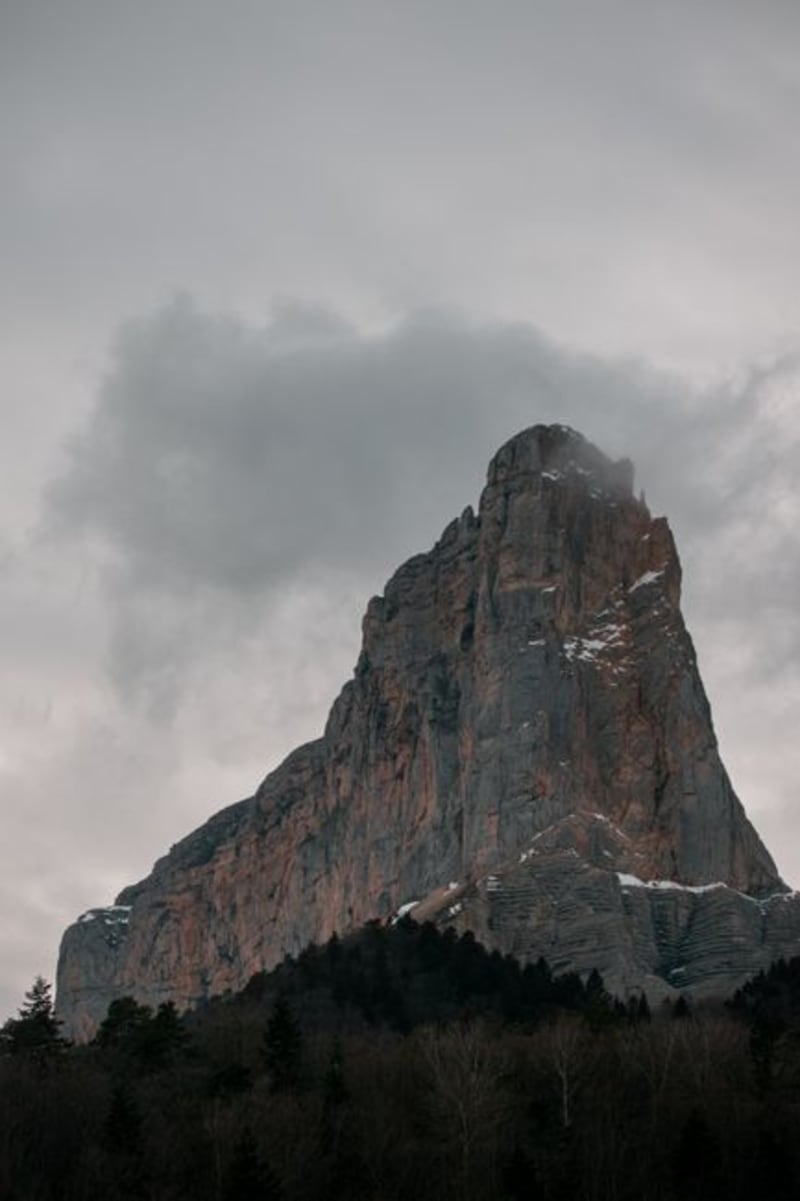 france
 Roquebrune-Cap-Martin
A thousand-year-old château standing guard over a village where Le Corbusier built himself the smallest, plainest cabin on the whole Riviera and where an olive tree older than the château itself still stands nearby.
Explore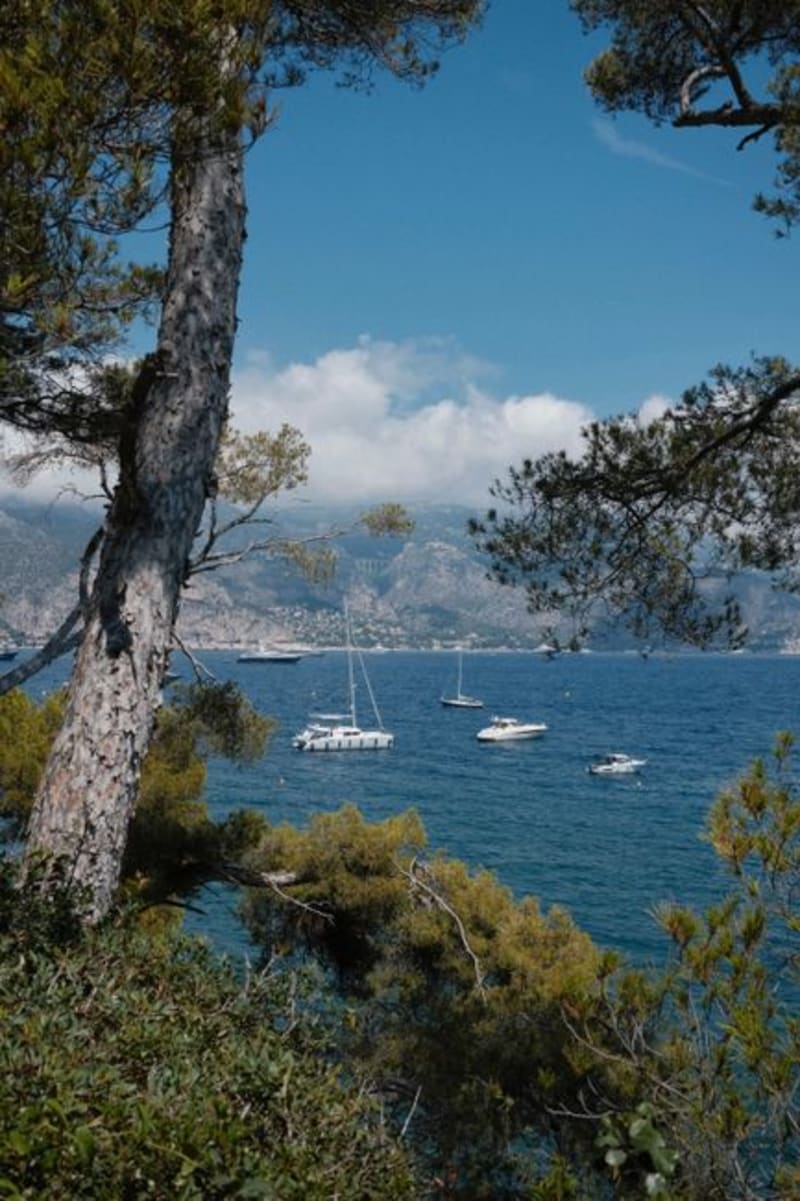 france
 Saint-Jean-Cap-Ferrat
A pine-covered peninsula between Nice and Monaco, ringed by a coastal footpath that passes some of the most extravagant villas on the Mediterranean without asking anything of you but time.
Explore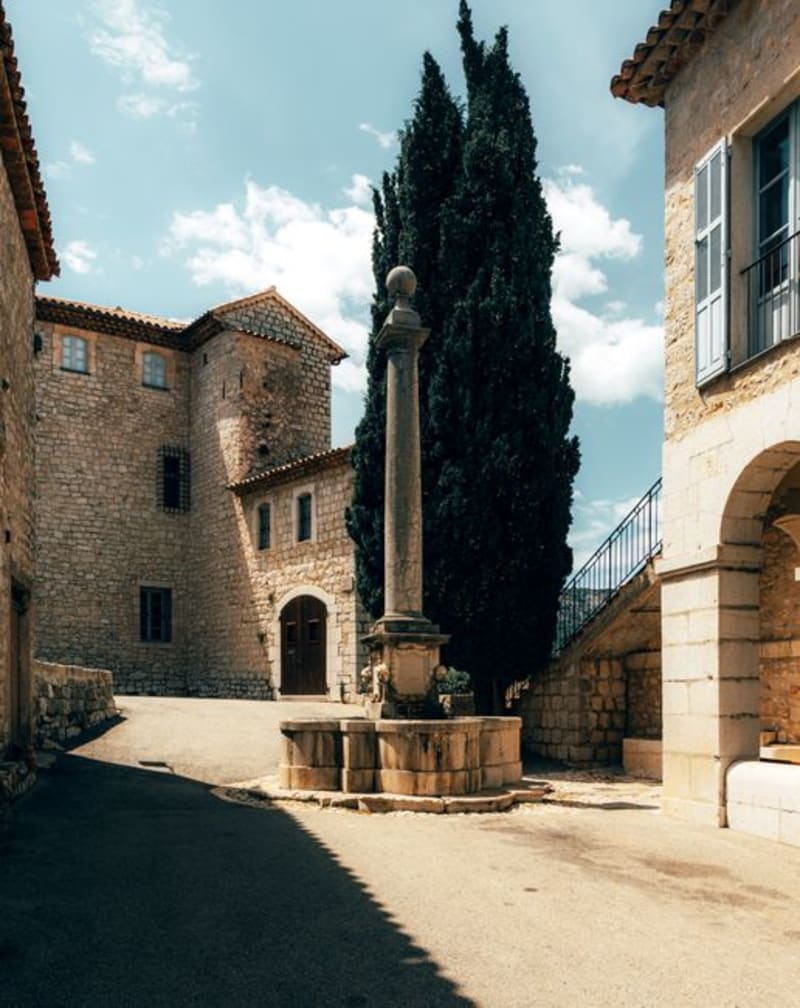 france
 Saint-Paul-de-Vence
A walled hill village that became an art colony almost by accident, with a legendary hotel wall of paintings and one of France's finest modern art foundations just outside its ramparts.
Explore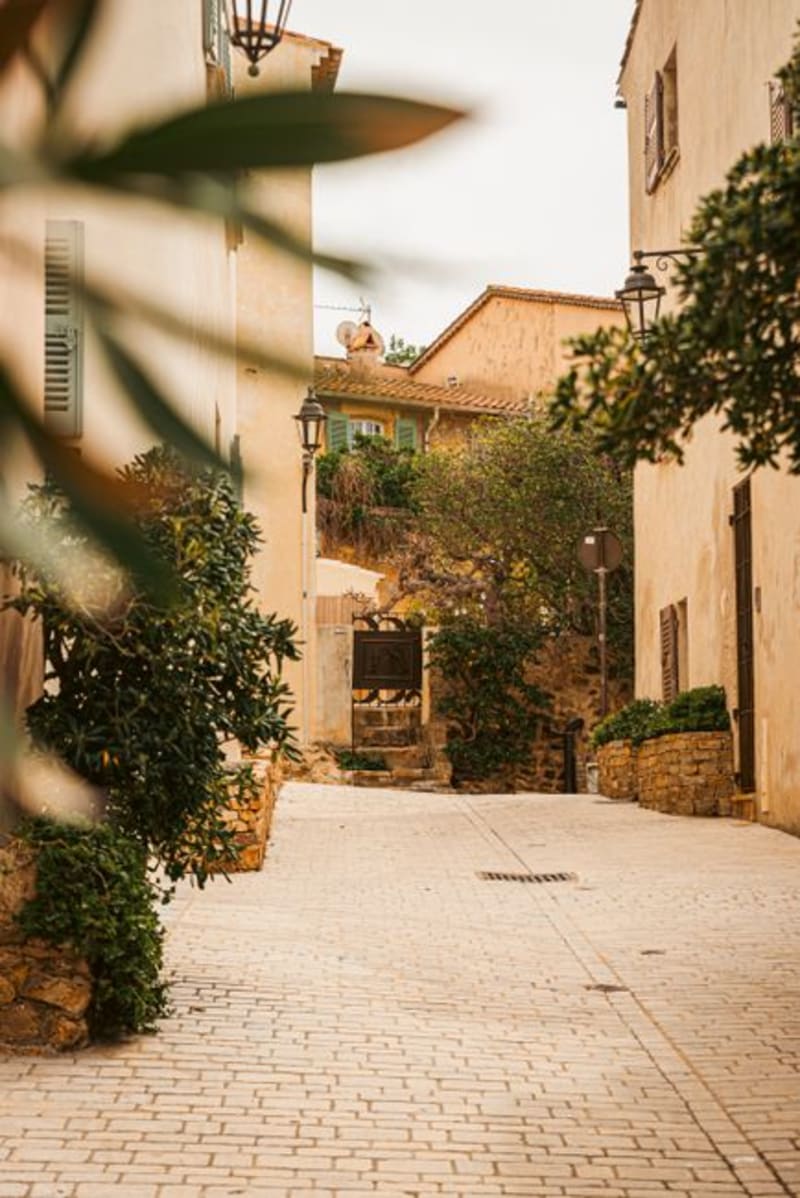 france
 Saint-Raphaël
The beach where Napoleon quietly stepped back onto French soil after Egypt, a Belle Époque resort town built around that footnote, and the start of the red-rock Estérel corniche that makes the drive east one of the best on the coast.
Explore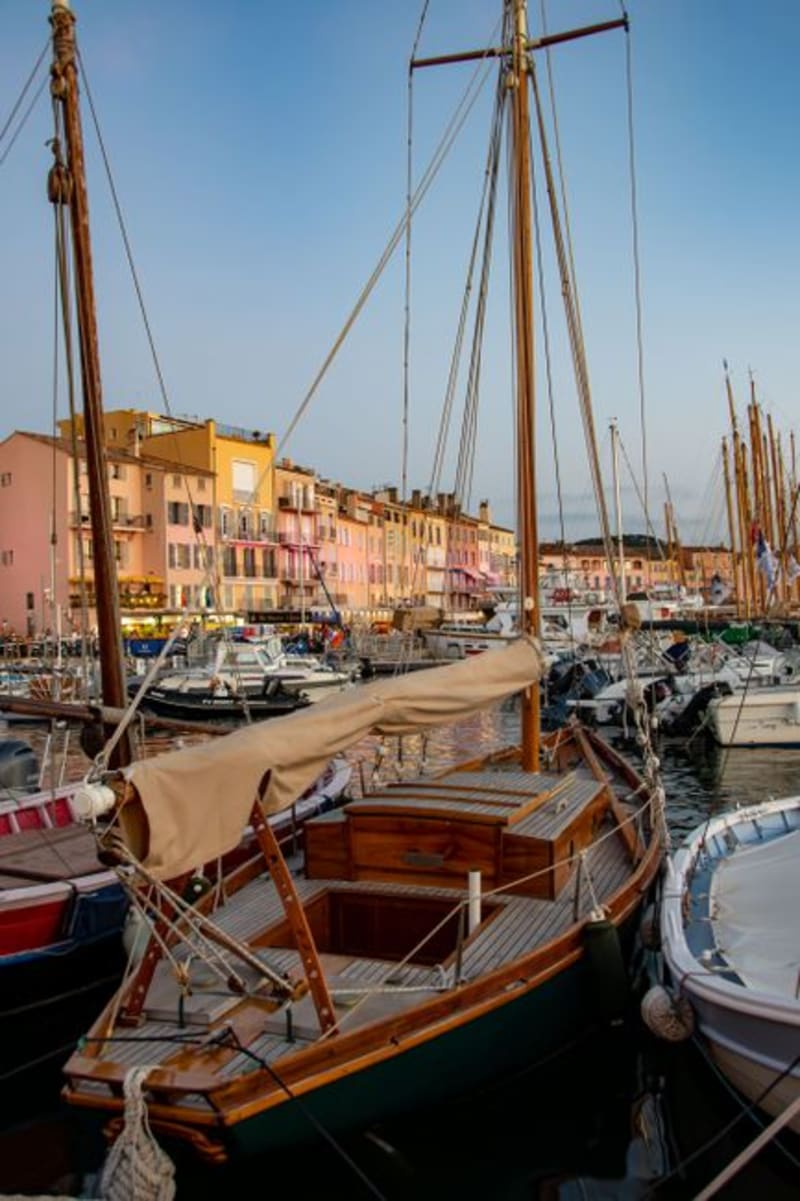 france
 Saint-Tropez
A former fishing village that became shorthand for Riviera glamour, still built around a small pastel harbour that fills, every evening, with a genuinely absurd number of yachts.
Explore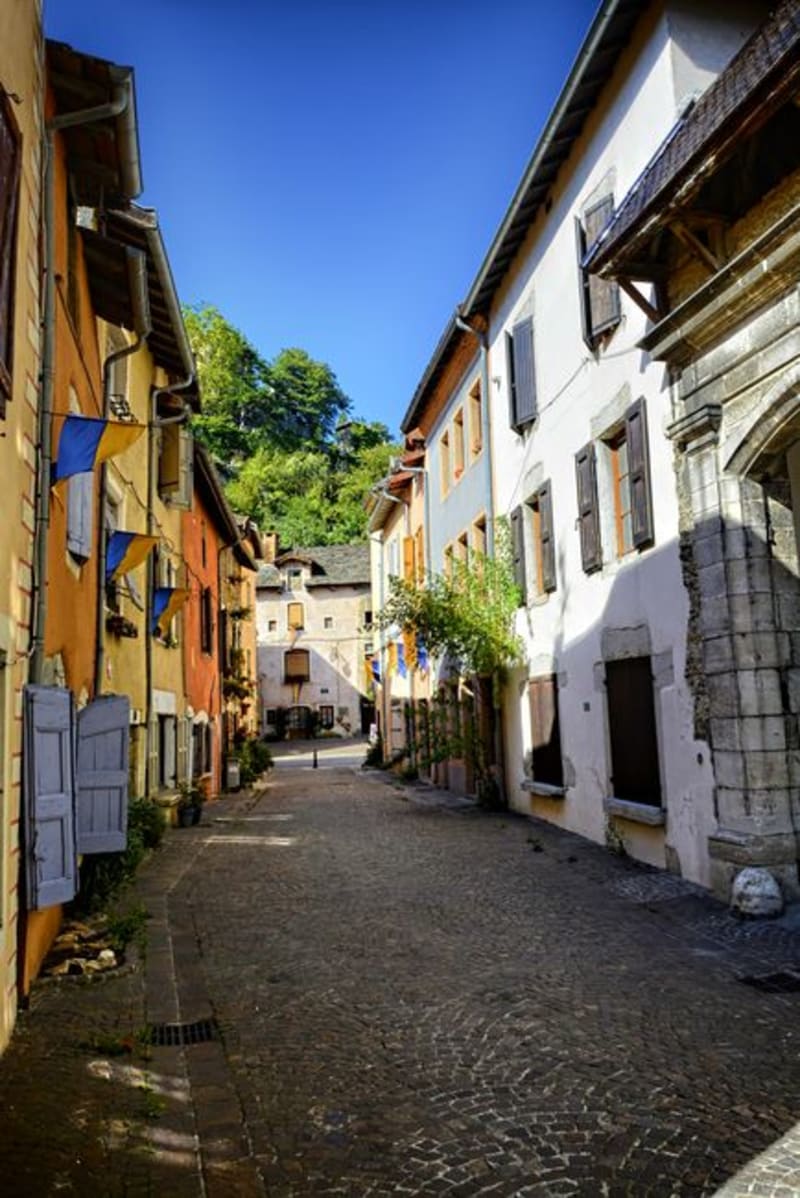 france
 Sospel
An inland river village twenty minutes from the coast where the water is turquoise, the arcaded houses are pastel, and almost none of the beach crowd ever bothers to come.
Explore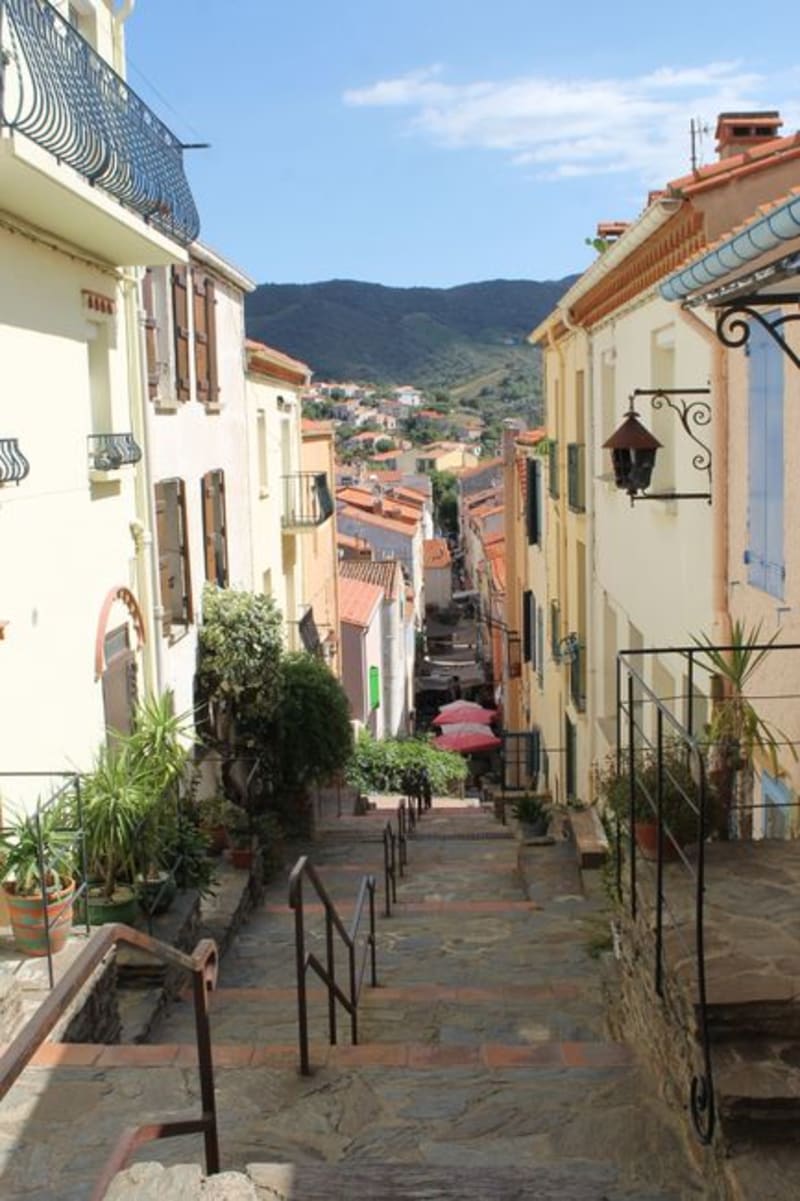 france
 Théoule-sur-Mer
The last town before the red rock of the Estérel takes over the coastline entirely, where the water goes an almost unnatural turquoise against the porphyry cliffs and the coves empty out the moment you walk five minutes past the last parking spot.
Explore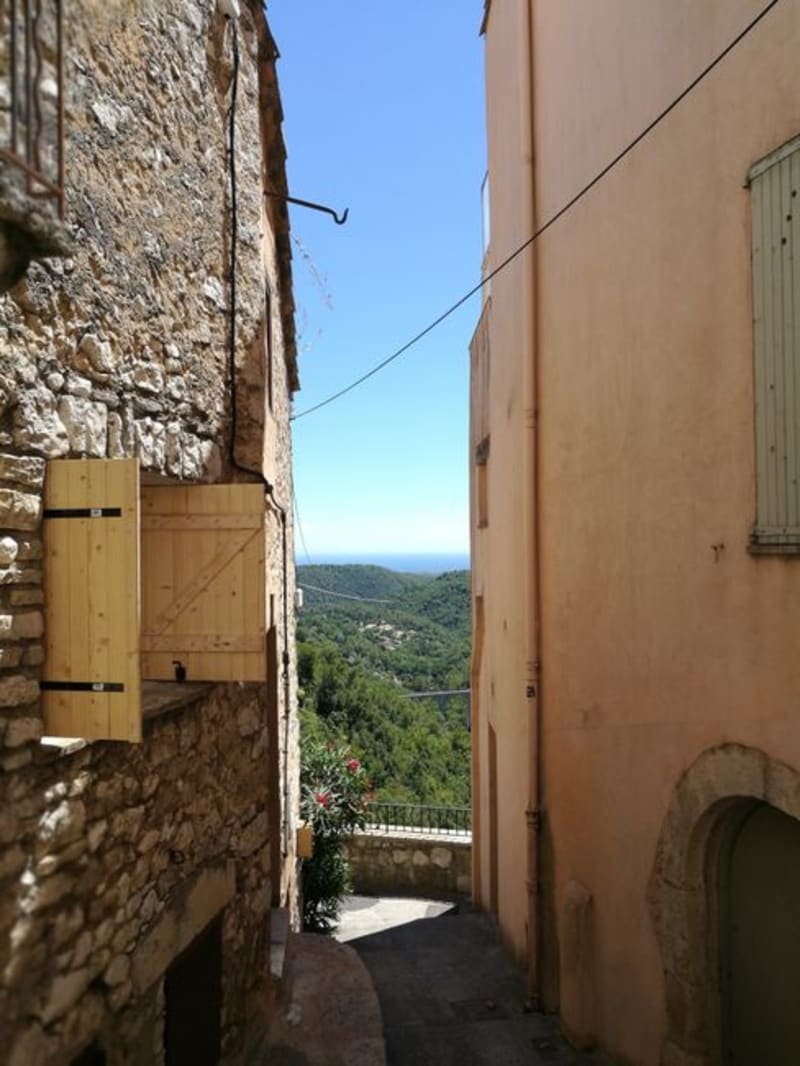 france
 Tourrettes-sur-Loup
The self-declared 'city of violets,' a medieval ramparts village above Vence where an entire local economy once ran on a single small flower, and where a March festival still throws the whole harvest into the streets.
Explore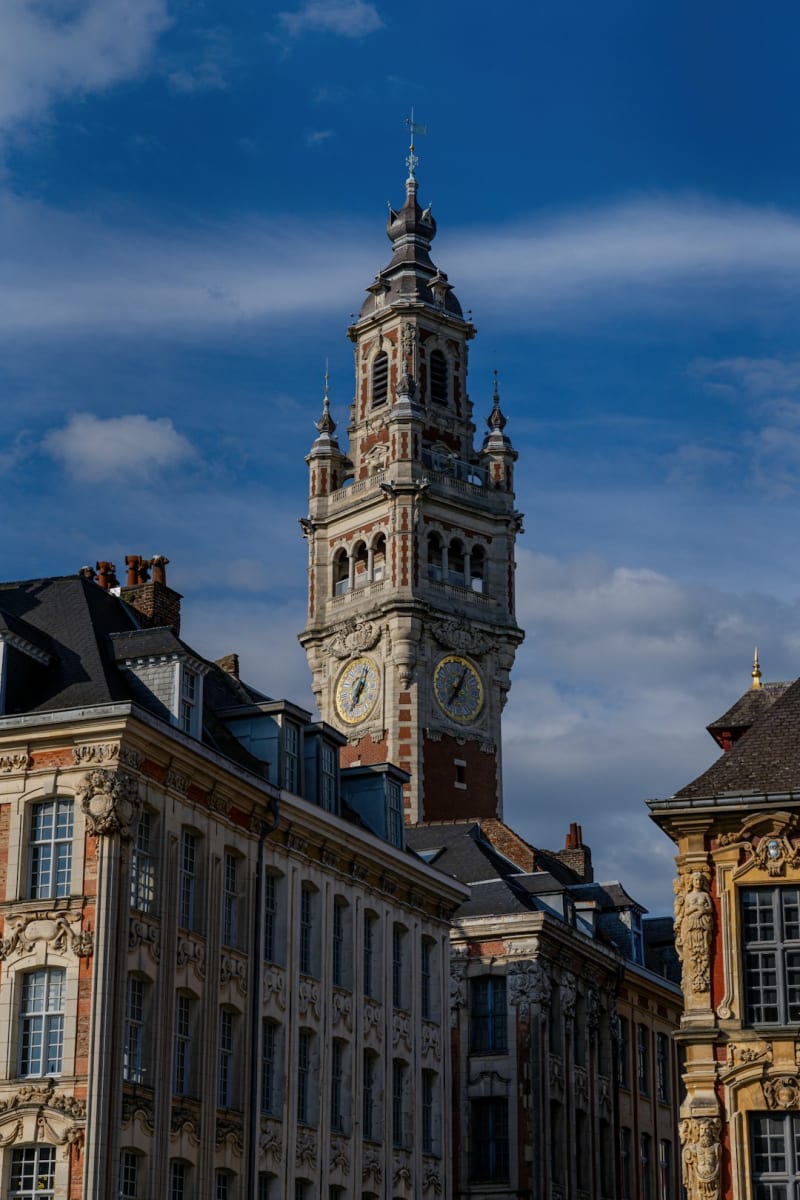 france
 Vence
A hilltop old town that drew Matisse when he was too sick to paint standing up, and where his chapel still does more with white tile and colored glass than most museums manage with entire collections.
Explore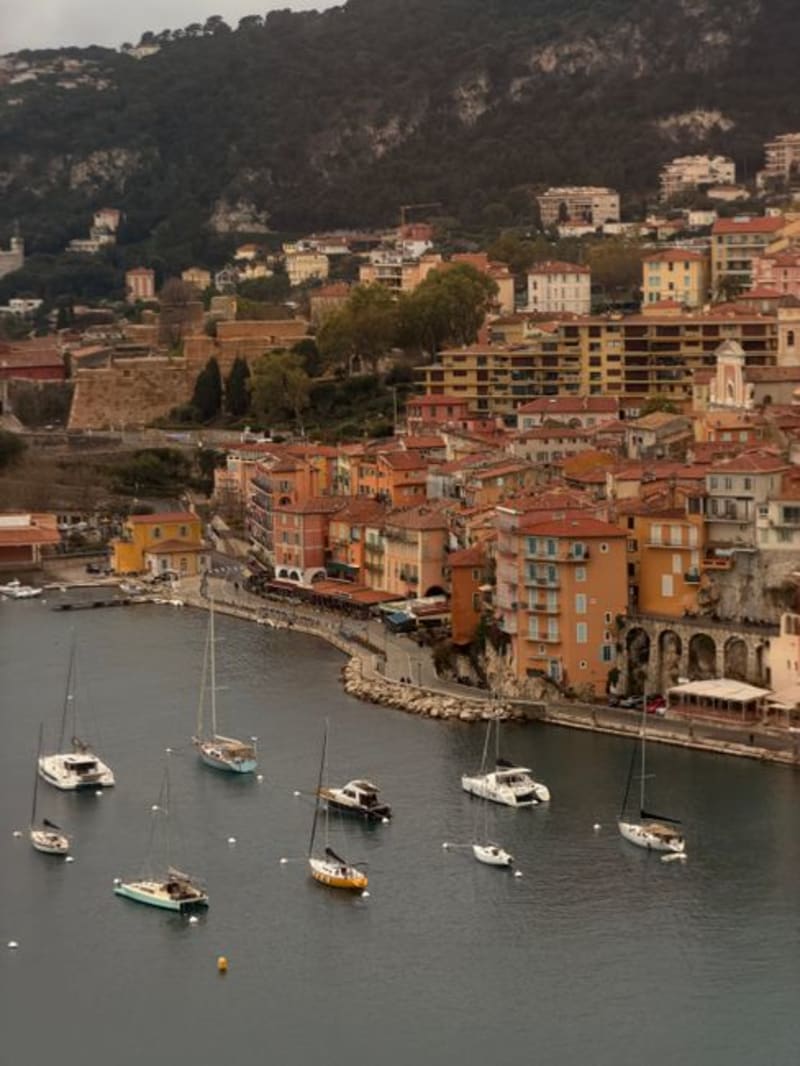 france
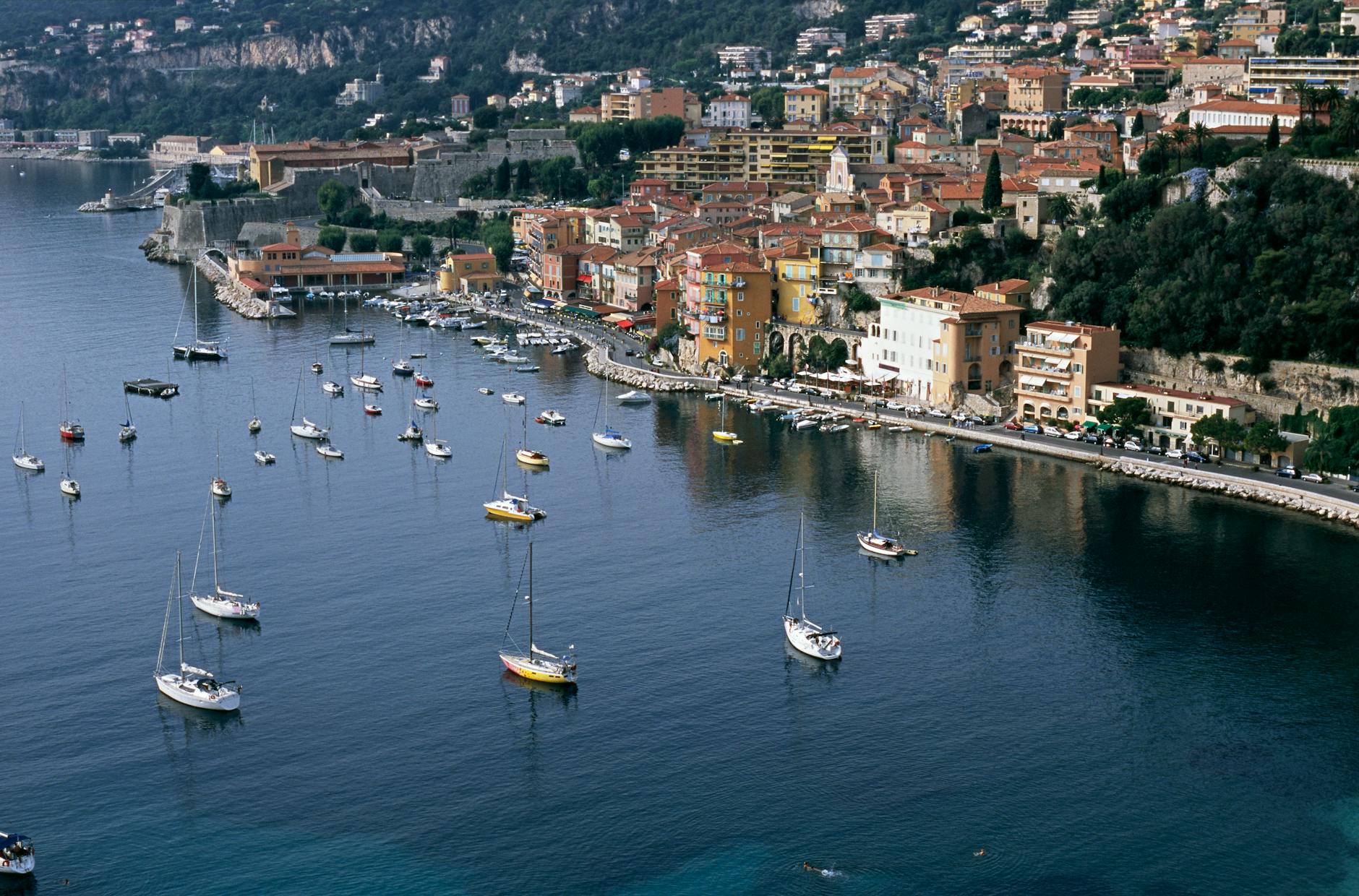
 Villefranche-sur-Mer
A fishing town on one of the deepest natural harbours in the Mediterranean, its old town threaded with vaulted streets and a small chapel Jean Cocteau decorated wall to wall.
Explore