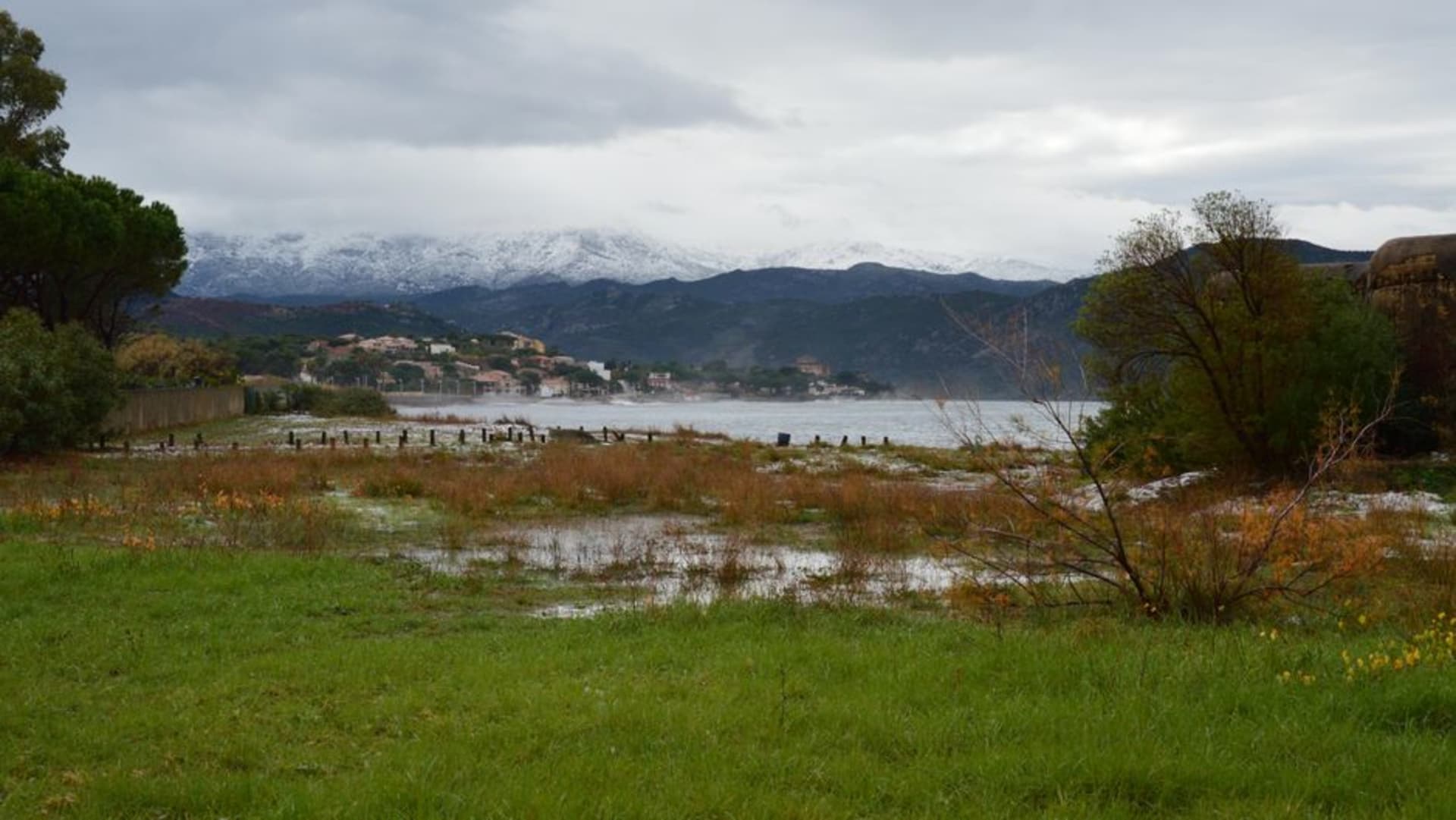
Saint-Raphaël
"Napoleon picked this beach to come home to. I picked it for the same reason everyone eventually does — the road out of it."
The beach where Napoleon quietly stepped back onto French soil after Egypt, a Belle Époque resort town built around that footnote, and the start of the red-rock Estérel corniche that makes the drive east one of the best on the coast.
Saint-Raphaël doesn’t advertise itself with the same swagger as its neighbors, and that’s part of why we kept coming back during a month based nearby — it’s a genuinely pleasant Belle Époque resort town that happens to sit at one end of the most dramatic stretch of coastline on the whole Riviera, and it wears both facts fairly lightly. History buffs know it best for one specific afternoon in October 1799, when Napoleon Bonaparte, having abandoned his army in Egypt, landed on the beach here to begin the journey to Paris that would end with him seizing power a few weeks later. There’s a modest monument on the seafront marking the spot, easy to miss unless you’re specifically looking for it, which felt about right for a town more interested in living well than in monumentalizing itself.
A resort town built for people, not just history
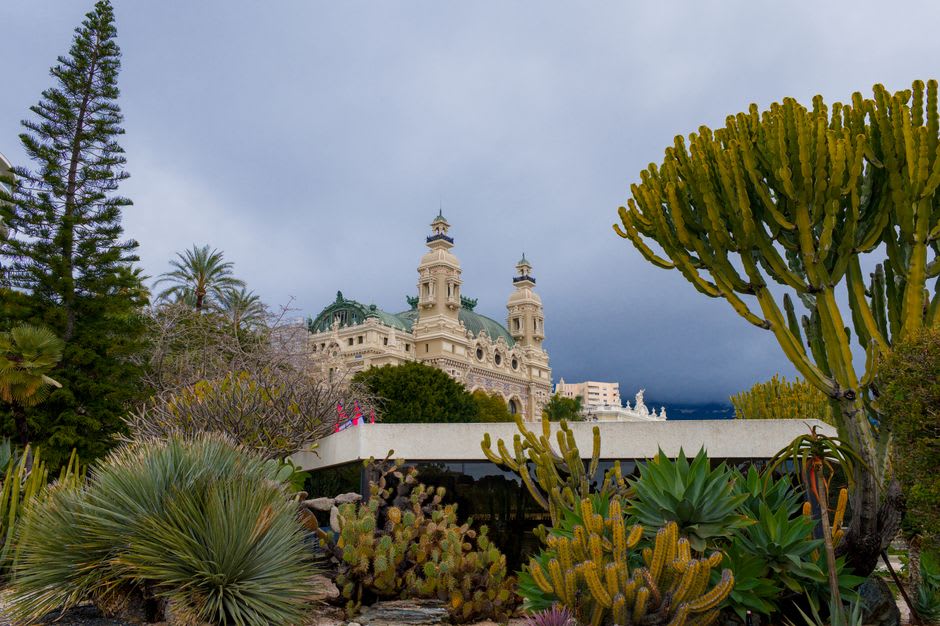
The Belle Époque left its real mark on Saint-Raphaël in the seafront itself: a casino, grand villas along the boulevard, and a covered market and church square that still organize the town’s daily rhythm more than the beaches do. We stayed a few streets back from the water in an apartment above a boulangerie, and the mornings there — coffee on a balcony, the market setting up below — did more to sell me on the town than any single sight. The old fishing quarter around the Vieux Port keeps a working harbor going alongside the marina’s yachts, and the archaeology museum near the church holds finds from Roman and Saracen-era shipwrecks discovered just offshore, a reminder that this coast has been a thoroughfare for a very long time before anyone came here to relax.
The road that makes the town worth the detour
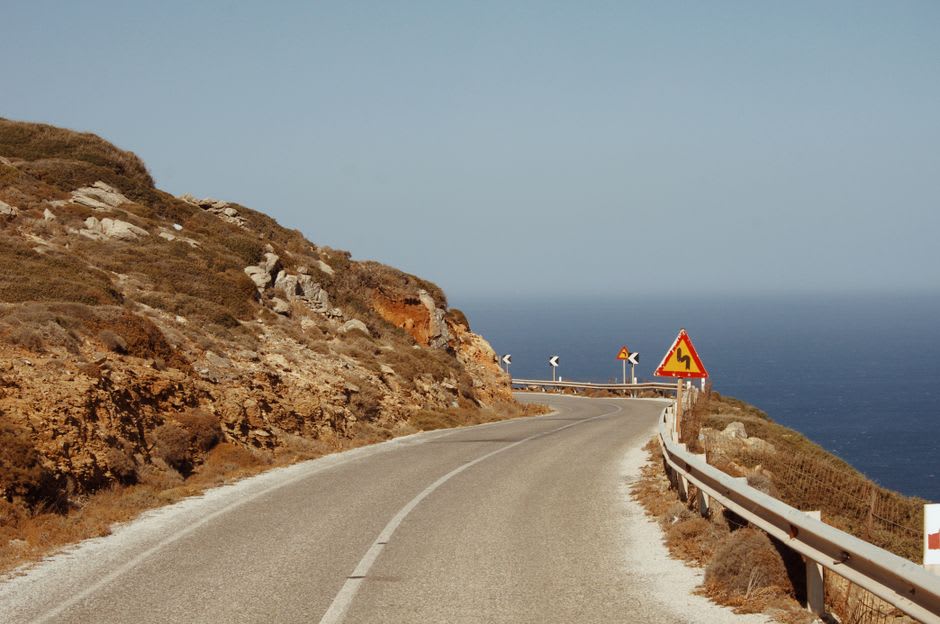
What actually pulls people through Saint-Raphaël, though, is what starts just east of it: the Corniche de l’Estérel, a coast road that hugs volcanic red-rock cliffs dropping straight into water so blue it looks tinted. We drove it slowly toward Théoule-sur-Mer one evening with the windows down, stopping at nearly every pull-off because the color of the rock against the sea kept changing with the light, porphyry red fading to almost purple as the sun dropped. It’s a short drive, maybe half an hour without stops, but it’s the kind of half hour that reorganizes your idea of what this coast actually looks like once you get past the marinas.
When to go: Late spring or early autumn gives you warm enough water for the beaches and cooler conditions for driving or hiking the Estérel, which gets genuinely hot and dry-brush risky at the height of summer.
Keep exploring
More of Côte d'Azur