
Le Lavandou
"Twelve beaches sounds like a marketing number until you've actually tried to pick one before lunch."
A working fishing port that turned its twelve beaches into a full-time job and its harbor into the easiest way onto the Îles d'Hyères, without ever quite losing the smell of a Provençal fish market.
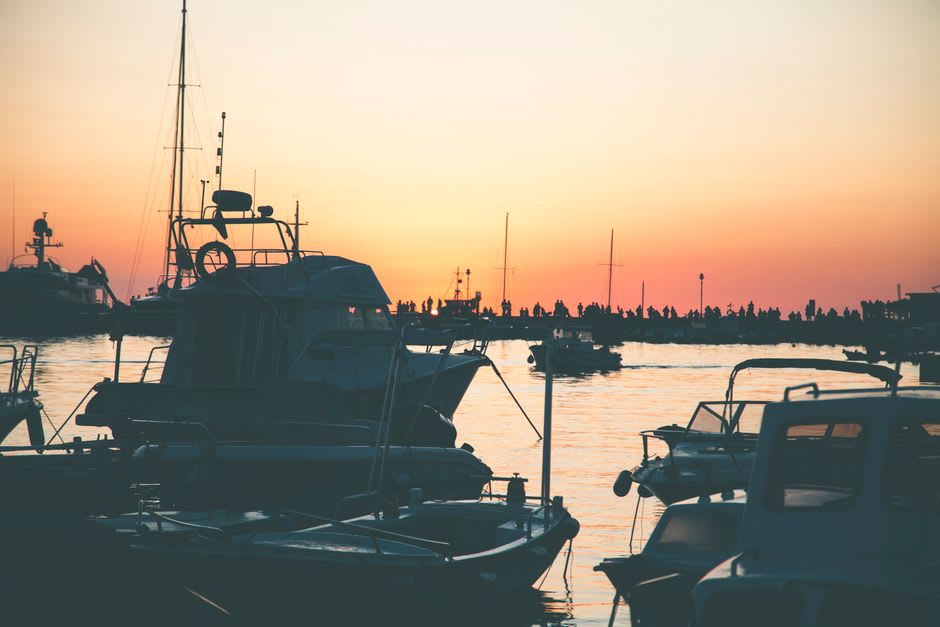
Le Lavandou likes to advertise that it has twelve beaches within its town limits, and having spent a lazy August week trying to work through them with Lia, I can confirm it’s not an exaggeration born of generous counting — from the wide sandy sweep right in town to smaller coves tucked between the Corniche des Maures’ rocky points toward Cavalière, each one has its own character, its own crowd, its own little strip of pedalos and paddleboard rentals. What saves Le Lavandou from feeling like a beach-resort assembly line is that it was a fishing village first, and the harbor at its center still runs a working catch alongside the tourist boats — a genuinely useful reminder, walking past crates of fish being unloaded at dawn, that this town had an identity before sun umbrellas showed up.
A harbor that still does two jobs
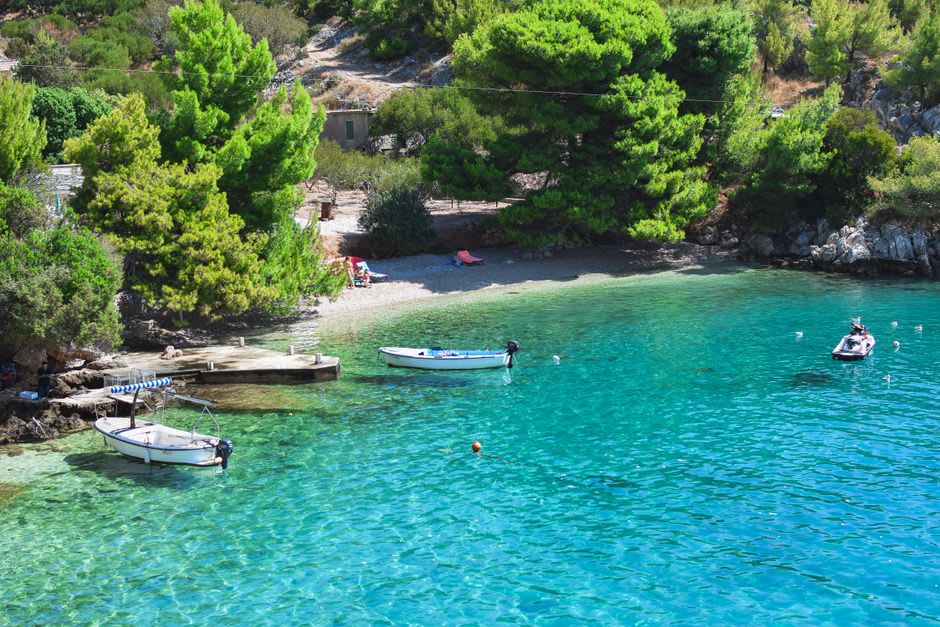
The name comes from lavender, or more precisely from “lavandaou,” the place where washerwomen once beat laundry against the rocks — not, as everyone assumes, from the flower fields further inland. That double identity, working port and holiday town, is most visible on the quay each morning, when the day’s catch gets sold straight off the boats a few meters from where ferries load for the Îles d’Hyères. We took the morning boat out to Port-Cros, one of the archipelago’s protected islands, and the twenty-minute crossing does more to explain why people love this stretch of coast than any beach in town does: turquoise water, pine-covered slopes dropping straight into the sea, and almost none of the built-up Riviera clutter you get further east toward Saint-Tropez.
Twelve beaches, one very Provençal town behind them
Behind the seafront, Le Lavandou keeps a proper Provençal town going — a Wednesday and Saturday market on the Place du Marché that’s more about tomatoes, olives, and cheese than souvenirs, and a scatter of squares shaded by plane trees where the pace slows right down once the beach crowd thins out at aperitif hour. We ended most days at one of the quieter beaches west of the center, Aiguebelle or Saint-Clair, both a short bus ride out and considerably calmer than the main plage, before walking back into town for a fish soup that tasted like it had been caught that same morning, because it probably had been.
When to go: June and September give you warm water and thinner crowds than peak August, when the twelve beaches genuinely do fill up. Book the Port-Cros ferry a day ahead in summer — it sells out earlier than you’d expect for a town this size.
Keep exploring
More of Côte d'Azur