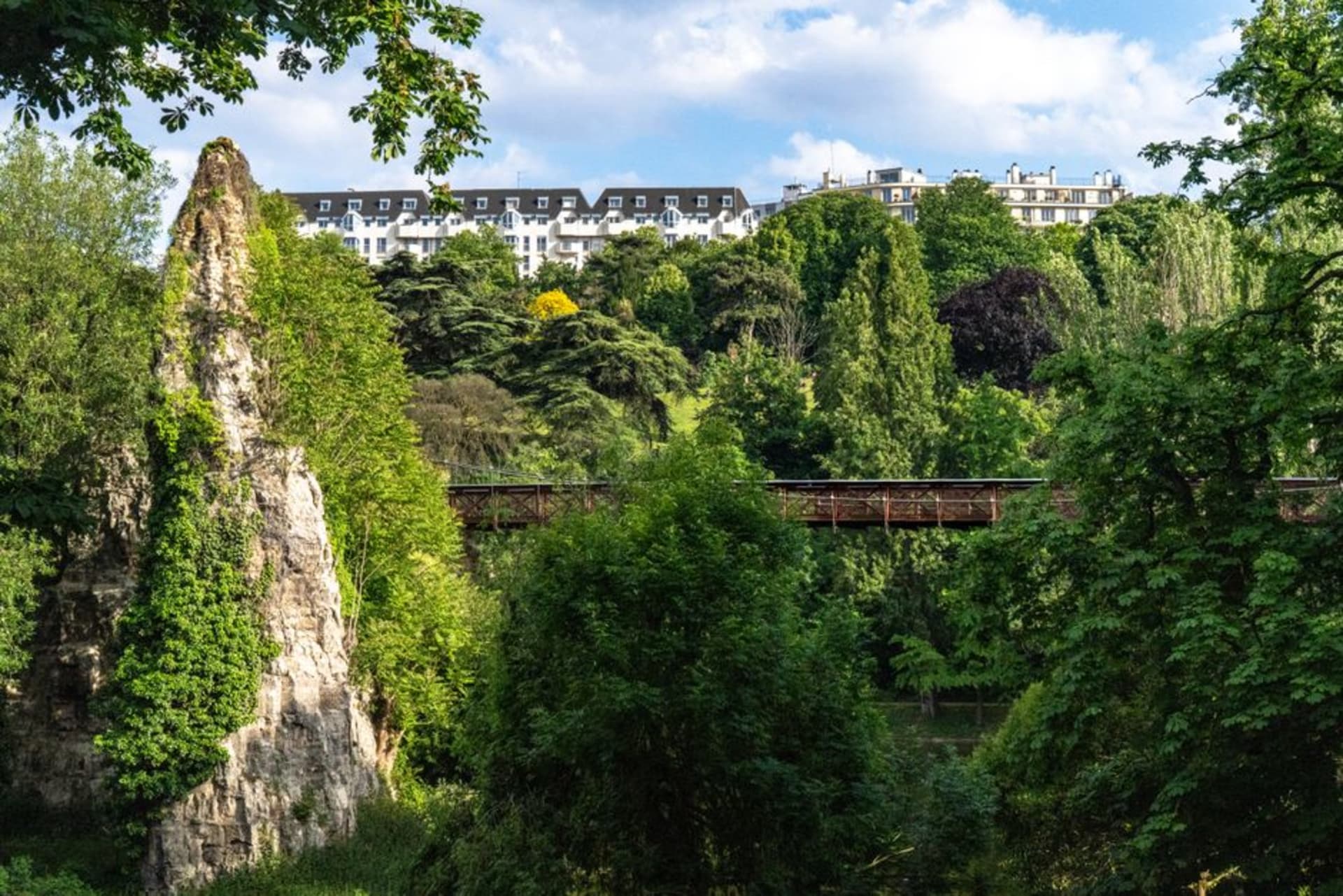
Vichy
"You can't walk through Vichy without the twentieth century pressing in on the nineteenth."
The Belle Époque spa capital that Napoleon III made fashionable and that history later made infamous, and walking its Art Nouveau streets means holding both stories in your head at once.

No town in Auvergne carries the weight of its own name the way Vichy does. For most of its history it was simply the grandest thermal resort in France, the place Napoleon III came to take the waters and effectively invented as a purpose-built spa town in the 1860s, complete with parks, casinos, and opera house. Then for four years in the 1940s the name came to mean something else entirely, and no amount of Belle Époque ironwork erases that second meaning. Visiting Vichy means walking through both histories at once, and I found that tension more honest, and more worth sitting with, than I expected.
An emperor’s spa town, built almost overnight
Vichy’s thermal quarter is one of the most complete Belle Époque spa complexes left in France, largely because Napoleon III personally sponsored its development after visiting for his own health in the 1860s, and the town responded by throwing up covered galleries, ornate glass-and-iron pavilions, and a casino-opera house within a few decades. Walking the Parc des Sources under its long glazed canopy, past the pump rooms where people still fill bottles from taps running mineral water, felt like stepping into a stage set — which in a sense it always was, built to project imperial glamour as much as to treat illness. The Art Nouveau details are everywhere once you start looking: wrought-iron balconies twisted into vine patterns, ceramic tilework on hotel facades, a general sense of a town that spent a fortune on decoration in a very narrow window of time.

The history that came after
It’s impossible to visit Vichy and not think about 1940 to 1944, when the town’s hotels — chosen precisely because they had enough rooms and switchboards to house a relocated government — became the seat of Marshal Pétain’s collaborationist regime. There’s no dramatic memorial plastered across the town center; the darker history is present mostly in its absence, in the fact that a handful of hotel buildings that housed ministries during the occupation now function as ordinary spa hotels again, their history acknowledged only in modest signage if at all. We spent part of an afternoon at the small municipal displays that do address the period honestly, and it left me thinking about how a place can rehabilitate its physical self far faster than its name.

When to go: Spring through early autumn for the parks and the thermal quarter at their best; the town is also a reasonable base year-round given its rail connections into the rest of Auvergne.
Keep exploring
More of Auvergne
Keep exploring
More from Auvergne
 france
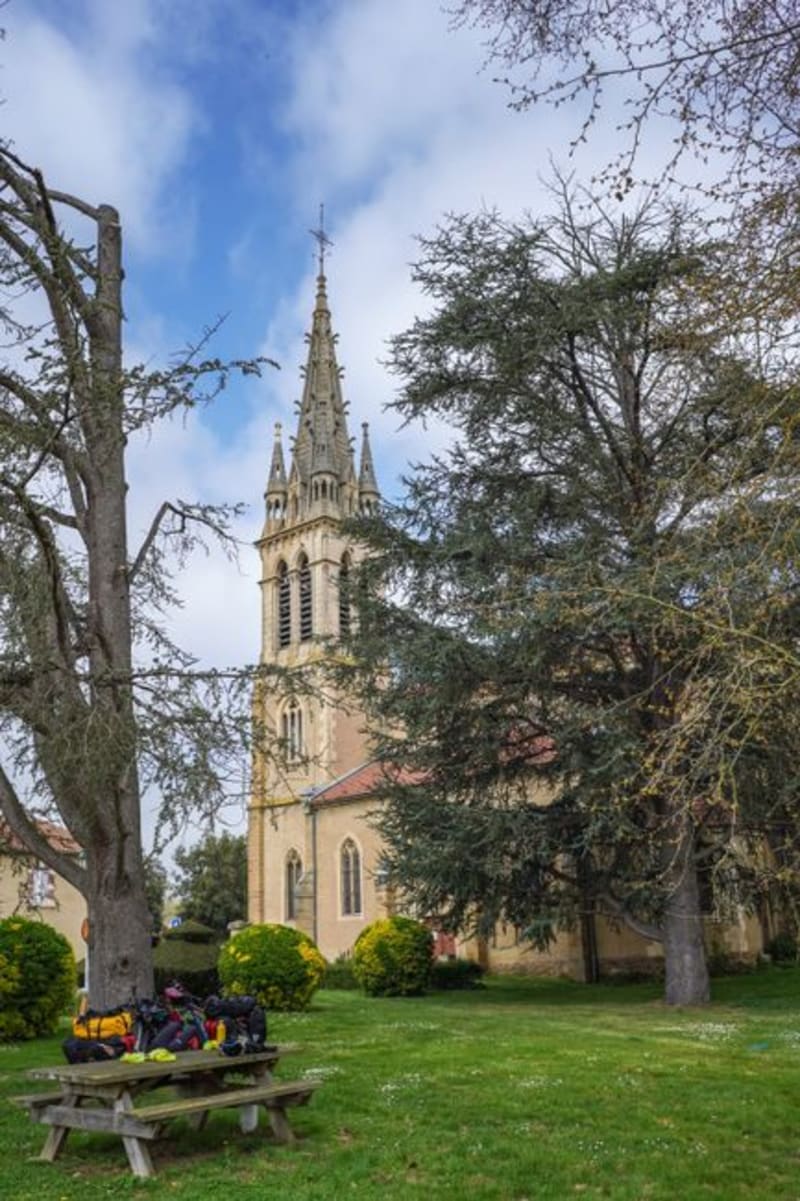
 Thiers
France's historic knife-making capital, its medieval streets so steep above the Durolle river that the whole town seems built at an angle, and every other shopfront sells a blade sharp enough to worry an airport.
Explore france
 Riom
A whole town built out of black lava stone, once the judicial capital of Auvergne, with enough Renaissance mansions hidden behind plain facades that we kept stopping to peer through carriage doors.
Explore france
 Billom
A medieval university town twenty minutes from Clermont-Ferrand where half-timbered houses lean over garlic stalls, and the whole place still smells faintly of it in late summer.
Explore france
 Volvic
The quarry town behind the mineral water bottle in every French fridge, its dark lava-stone buildings quite literally cut from the same volcanic rock that filters the spring below.
Explore france
 Clermont-Ferrand
An Auvergne city built almost entirely from black volcanic stone, its cathedral rising like a dark silhouette over a skyline that has the perfectly domed shape of the Puy de Dôme watching from just outside town.
Explore france
 Royat
The thermal spa suburb where Clermont-Ferrand quietly ends and the Chaîne des Puys begins, with a fortified Romanesque church and Gallo-Roman bath ruins tucked behind the Belle Époque casino.
Explore