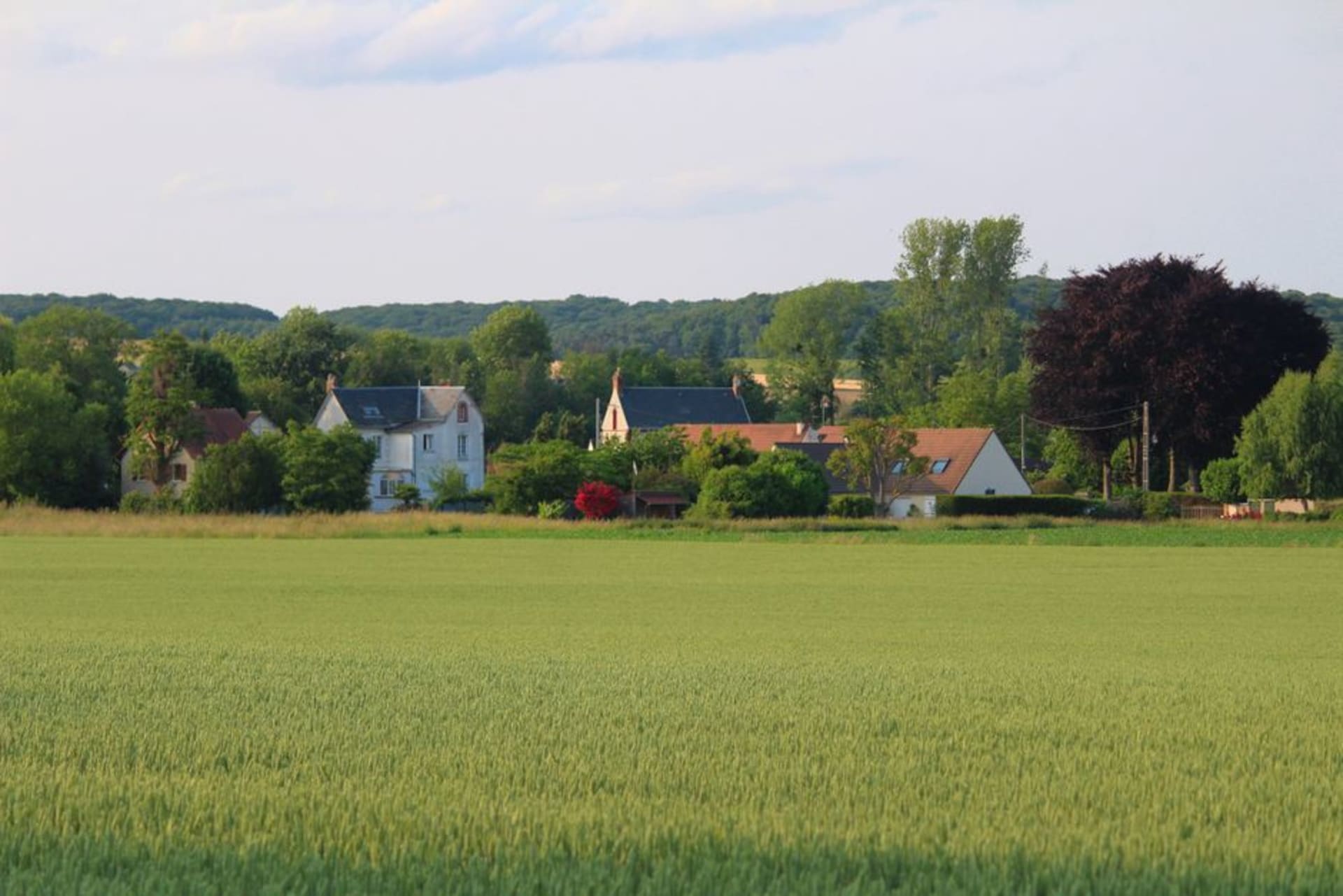
A medieval university town twenty minutes from Clermont-Ferrand where half-timbered houses lean over garlic stalls, and the whole place still smells faintly of it in late summer.

Billom is one of those towns that gets called a hidden gem so often it almost stops meaning anything, but I’ll say it anyway: this is a genuinely well-preserved medieval town a short drive from Clermont-Ferrand that most people, including a fair number of locals I mentioned it to afterward, have never actually visited. It was one of the first seats of higher learning in France, with a theological university founded here in the thirteenth century that predates several better-known French institutions, and the wealth that came with that status is still visible in the density of carved stone and half-timbering packed into a very small old town.
A university town that outlived its university
Billom’s university closed centuries ago, its faculties eventually absorbed into what became the University of Clermont-Ferrand, but the town’s medieval fabric survived largely intact, which is part of why walking it feels less like a curated old quarter and more like an accident of history nobody got around to demolishing. The Rue des Boucheries and the streets around the old covered market are lined with genuinely old timber-framed houses, corbelled upper floors jutting out over the street on carved wooden brackets, some of them dated to the fourteenth and fifteenth centuries. We ducked into the Saint-Cerneuf collegiate church, whose crypt turned out to be far older than the Gothic nave above it, with column capitals carved in a rougher, more archaic style that a volunteer guide dated to the Carolingian period.

Garlic country
The other thing Billom is known for, at least within Auvergne, is garlic — the surrounding Limagne plain has grown it for centuries, and the town holds an annual garlic fair every August that draws growers from across the region. We arrived a few weeks after the fair, but strings of pink-tinged garlic were still hanging outside half the shopfronts, and a small épicerie sold nothing else, dozens of braided ropes of it stacked floor to ceiling. Lia bought three strings we didn’t remotely need and we spent the drive back to Clermont trying to figure out how we’d fit them in a suitcase to Mexico. We didn’t, in the end, but the smell lingered in the car for a week regardless.

When to go: Come in August for the garlic fair if the timing works, but Billom’s old town is a rewarding half-day trip from Clermont-Ferrand in any season.
Keep exploring
More of Auvergne
Keep exploring
More from Auvergne
 france
 Issoire
A Romanesque abbey church with a facade too strange to forget, sitting at the point where the flat Limagne plain gives way to the volcanoes of southern Auvergne.
Explore france
 Thiers
France's historic knife-making capital, its medieval streets so steep above the Durolle river that the whole town seems built at an angle, and every other shopfront sells a blade sharp enough to worry an airport.
Explore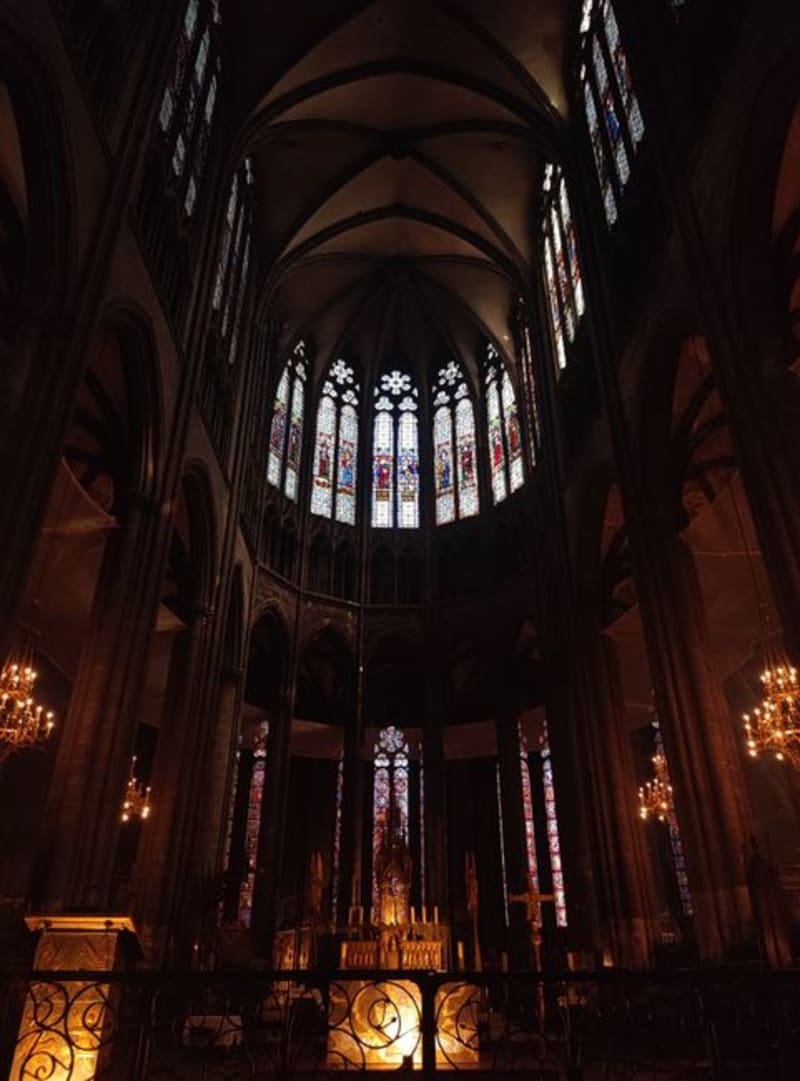 france
 Clermont-Ferrand
An Auvergne city built almost entirely from black volcanic stone, its cathedral rising like a dark silhouette over a skyline that has the perfectly domed shape of the Puy de Dôme watching from just outside town.
Explore france
 Riom
A whole town built out of black lava stone, once the judicial capital of Auvergne, with enough Renaissance mansions hidden behind plain facades that we kept stopping to peer through carriage doors.
Explore france
 Royat
The thermal spa suburb where Clermont-Ferrand quietly ends and the Chaîne des Puys begins, with a fortified Romanesque church and Gallo-Roman bath ruins tucked behind the Belle Époque casino.
Explore france
 Volvic
The quarry town behind the mineral water bottle in every French fridge, its dark lava-stone buildings quite literally cut from the same volcanic rock that filters the spring below.
Explore