
Suva
"Suva rains constantly and smells of frangipani and diesel, and I could not stop walking."
A rainy, layered capital city where colonial architecture, kava bars, and a world-class ethnographic museum make you forget the beach entirely.

Suva rains. I had been warned — every guidebook mentions the capital’s reputation for precipitation, the grey skies rolling in off the Pacific, the way the mountains behind the city catch every cloud that passes — but knowing this and actually standing in a Suva downpour are different things. The rain comes sideways sometimes, warm and indifferent, and the covered arcades of Victoria Parade fill with people who press close to storefronts and wait it out with the patience of people who have been doing this their whole lives. I bought a cheap umbrella from a street vendor, opened it, and found it turned inside-out on the first gust. The vendor laughed. I bought a second one.
The Fiji Museum, set inside the Thurston Gardens, is the kind of institution that makes you reorganise everything you thought you knew about a place. I went expecting something perfunctory and found instead one of the most impressive ethnographic collections in the Pacific — canoes that took years to build by hand, tabua (whale-tooth pendants) that once carried the weight of treaties and alliances, carved feast bowls dark with use, the recovered rudder from the ship that brought the first Indian indentured labourers to Fiji in 1879. The colonial history here is not sanitised. The museum holds it all without flinching, including a display on the Fijian practice of eating the bodies of defeated enemies that is presented with anthropological seriousness rather than sensational framing.

The Municipal Market is the best two hours you can spend in Suva. It occupies a large building near the waterfront and runs on an organised chaos of its own devising — the ground floor for produce, cassava leaves and bilimbi and soursop in quantities I had never seen, the upper level for spices and kava and tapa cloth and the kind of plastic housewares that only make sense in context. I bought a small packet of Fijian kokoda spice mix from an elderly woman who explained the proportions in a mixture of English and Fijian that I only partially understood, and nodded throughout as if I had followed every word. Cooking with it later, I mostly got it right.
Suva’s kava culture operates around the clock in the vale ni kava — the kava bars scattered through the residential neighbourhoods. I was brought to one by a local journalist I had met at the hotel bar; he had been in Suva for twenty years and still treated every kava session as a tutorial. You sit cross-legged around a large tanoa bowl, you clap once before receiving the bilo, you drink the whole thing in a single swallow, you clap three times after. The kava itself — grey-brown, earthy, numbing — hits the back of the throat first and then settles as a gentle heaviness that is less a buzz than a particular quality of calm. Conversations in kava sessions have a different pace. Nobody is in a hurry. The rain outside was doing what it does.

The colonial heart of the city — Government Buildings with their white towers, the old Grand Pacific Hotel restored to something close to its 1914 splendour — gives Suva a different register than the rest of Fiji. This is a city of bureaucrats and lawyers and students, of traffic jams and curry houses and debates about land rights. It is unglamorous and completely alive and I found it far more interesting than any beach resort I visited.
When to go: Suva is genuinely rainy year-round, but the dry season from May through October sees fewer heavy deluges. Go for the museum, the market, and the kava bars regardless of forecast — the weather is part of the city’s character.
Keep exploring
More from Fiji
 fiji
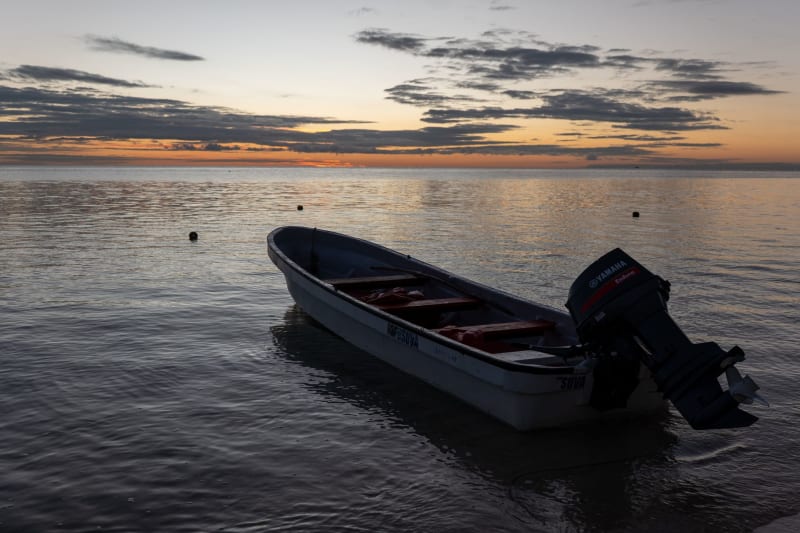
fiji Taveuni
Fiji's Garden Isle, where the rainforest meets the 180th meridian and the Rainbow Reef below the water is arguably the most biodiverse dive site in the South Pacific.
Explore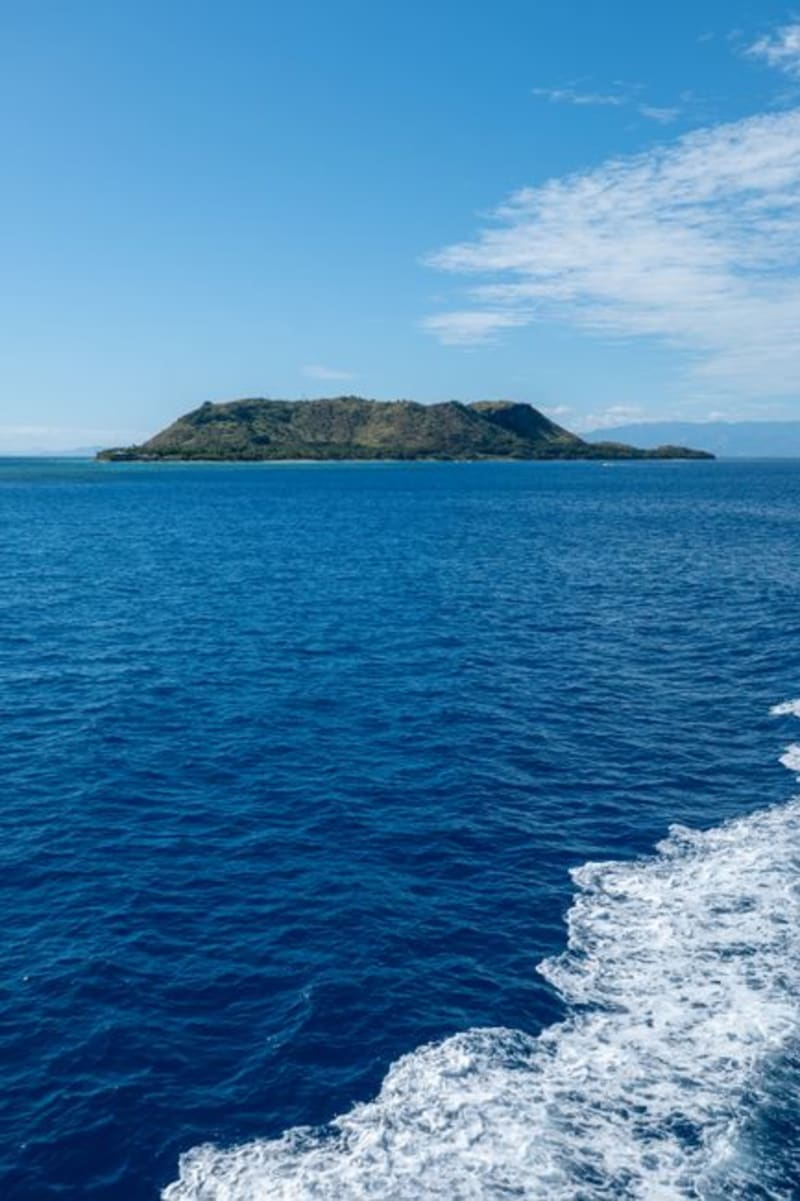 fiji
fiji Tavewa Island
A small leased island near the Sawa-i-Lau caves with no permanent village, a handful of backpacker lodges, and some of the healthiest coral gardens in the Yasawas.
Explore fiji
fiji Tavuni Hill Fort
A 19th-century Tongan fortress on a ridge above the Sigatoka River, where terraced defenses and burial mounds tell a story most beach itineraries never mention.
Explore fiji
fiji Tokoriki Island
The northernmost inhabited Mamanuca, reached by the longest boat transfer in the chain, where the payoff is some of the best sunset-facing reef in the islands.
Explore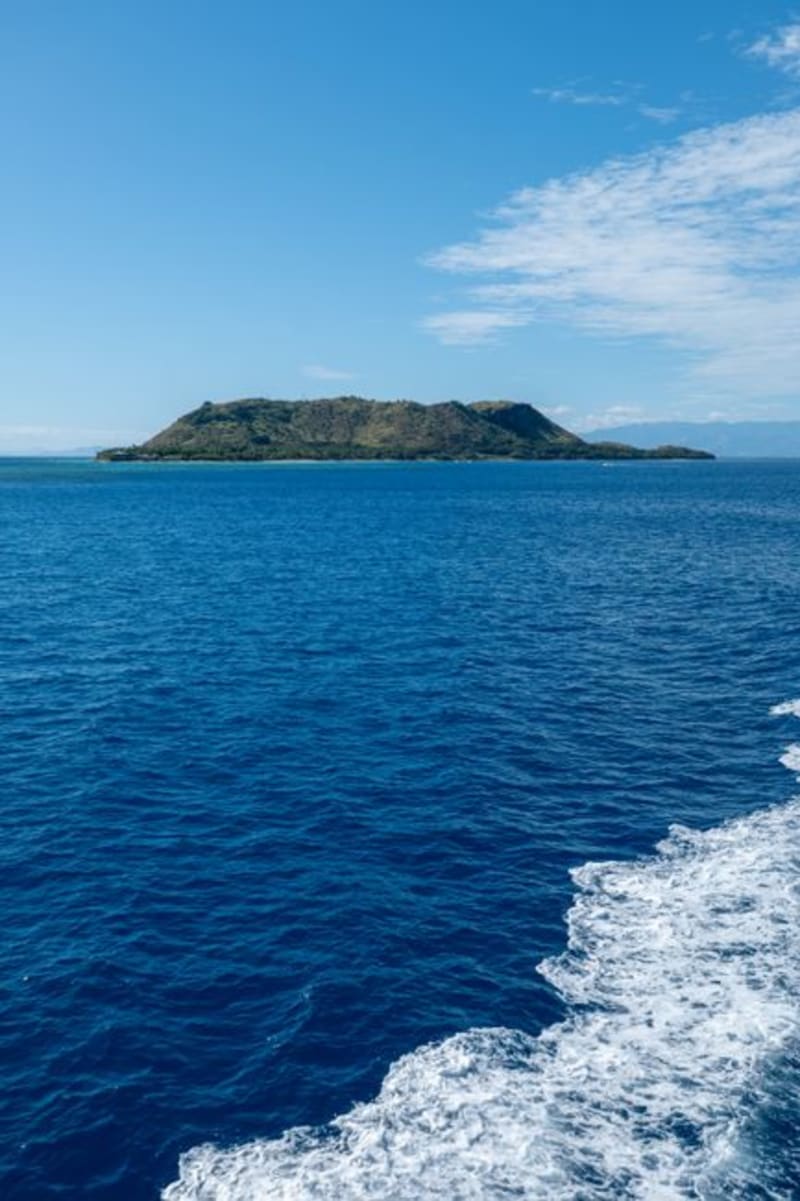 fiji
fiji Treasure Island
A small, low-key family resort island near Nadi where the reputation for kids' activities somehow coexists with a genuinely excellent house reef.
Explore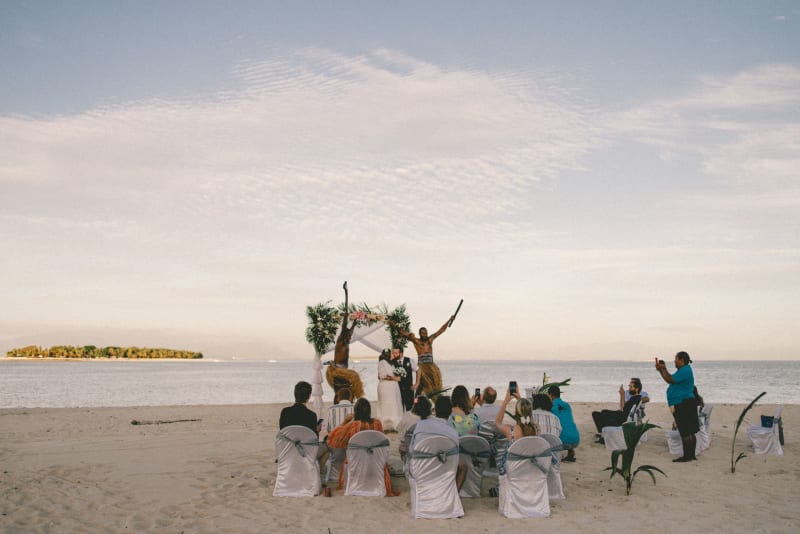 fiji
fiji Vanua Levu
Fiji's second island, bigger and quieter than the main island, where copra plantations meet hot springs and a town called Savusavu proves that sleepy and interesting aren't mutually exclusive.
Explore