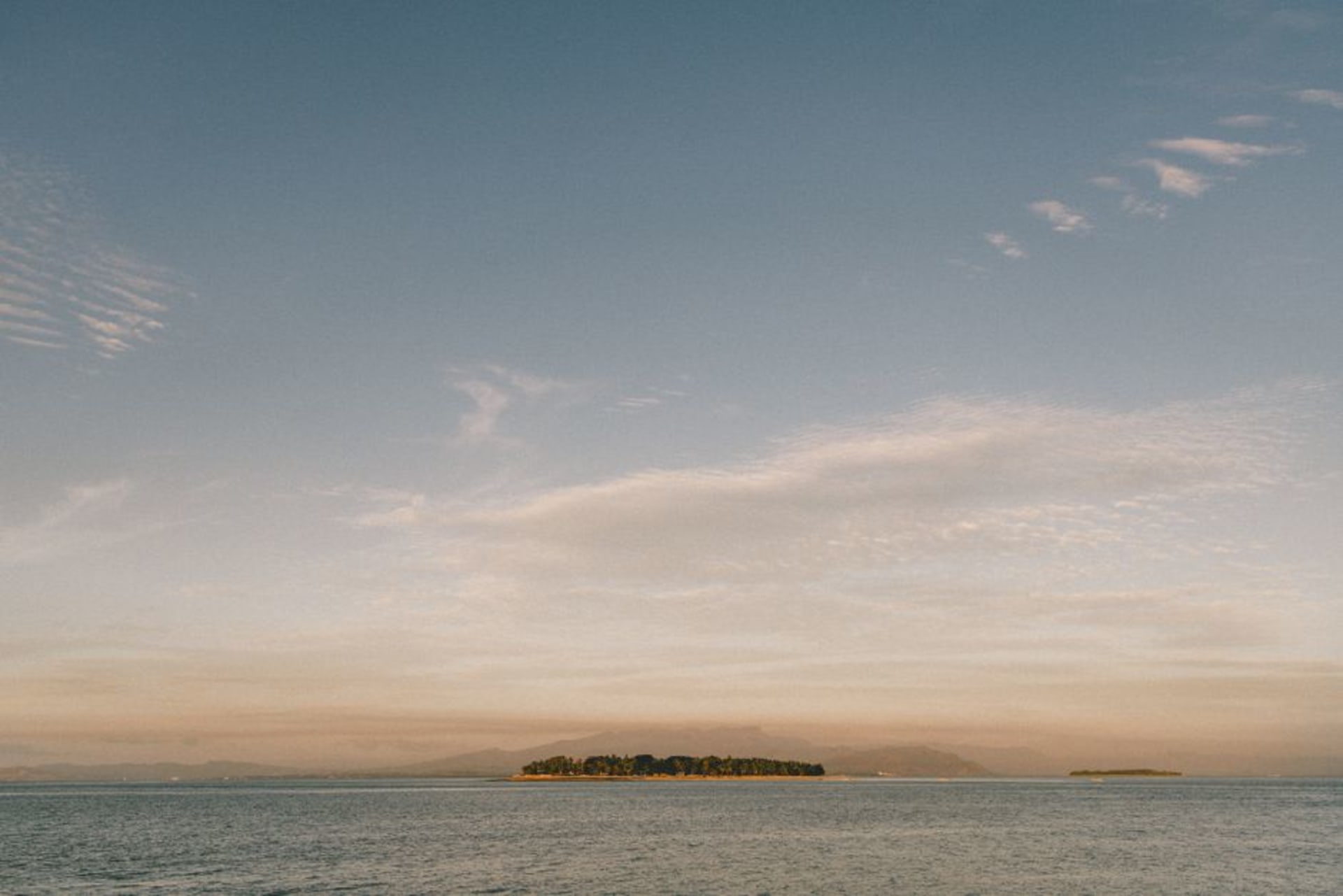
Treasure Island
"Every other guest on the boat over was under the age of ten, and somehow I still had one of the best snorkels of the trip."
A small, low-key family resort island near Nadi where the reputation for kids' activities somehow coexists with a genuinely excellent house reef.

Treasure Island — officially Elevuka, though nobody on the transfer boat called it that — has built its whole identity around families, and I’ll admit I went in with mild skepticism about how much there’d be for me, traveling without kids, to actually do there. The boat over was loud with exactly the demographic you’d expect, a dozen children running laps of the lower deck while their parents traded the specific exhausted-but-content look of people on their first day of a holiday that someone else is partly organizing for them.
What I hadn’t anticipated was the reef. The island is essentially a small circular disc of sand with a shallow lagoon wrapping most of its circumference, and the house reef — accessible by wading straight off the beach, no boat required — turns out to be one of the healthier and more accessible snorkel sites in the whole Mamanuca chain. I went out early, before the kids’ club crowd hit the water, and drifted over coral gardens thick with anemonefish, their little territorial darts at my mask providing the closest thing to danger the morning offered.

The island’s small size — you can walk the full loop in about ten minutes — means everything is close together, which for families translates into a low-stress logistics: pool, beach, kids’ club, and restaurant all within shouting distance of each other. For me it meant an unexpectedly good afternoon watching a staff-run “reef discovery” session for the children, where a marine biologist on staff took a group of eight-year-olds wading with nets and buckets to identify sea cucumbers, hermit crabs, and a small stingray that everyone agreed not to touch, and the kids’ questions were sharper and more specific than half the adult snorkeling briefings I’ve sat through elsewhere.

I left Treasure Island having reassessed my assumptions about “family resort” as a category worth dismissing. The infrastructure built for kids — shallow protected water, guided marine education, a reef healthy enough to reward a five-minute wade rather than a boat charter — turned out to serve a curious adult traveling alone just as well.
When to go: May through October for calm, clear lagoon conditions ideal for snorkeling straight off the beach. School holiday periods in Australia and New Zealand bring the biggest crowds of families, so shoulder months offer a quieter version of the same experience.
Keep exploring
More from Fiji
 fiji
fiji Vanua Levu
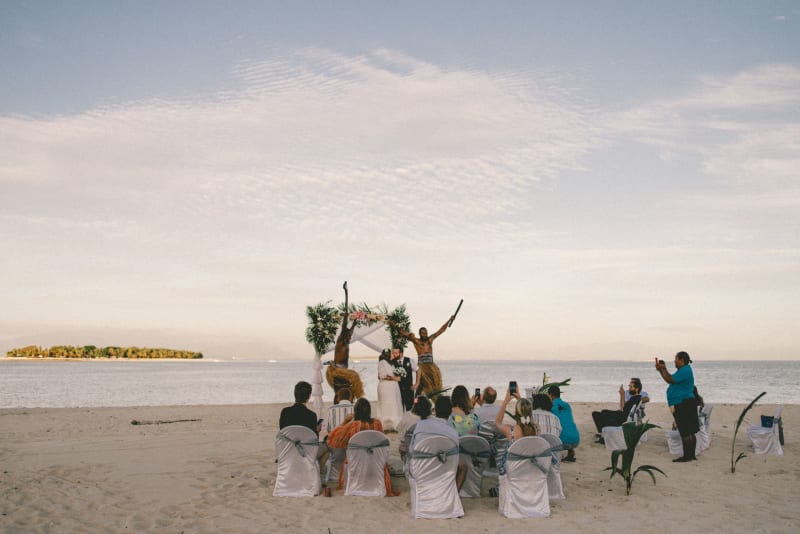
Fiji's second island, bigger and quieter than the main island, where copra plantations meet hot springs and a town called Savusavu proves that sleepy and interesting aren't mutually exclusive.
Explore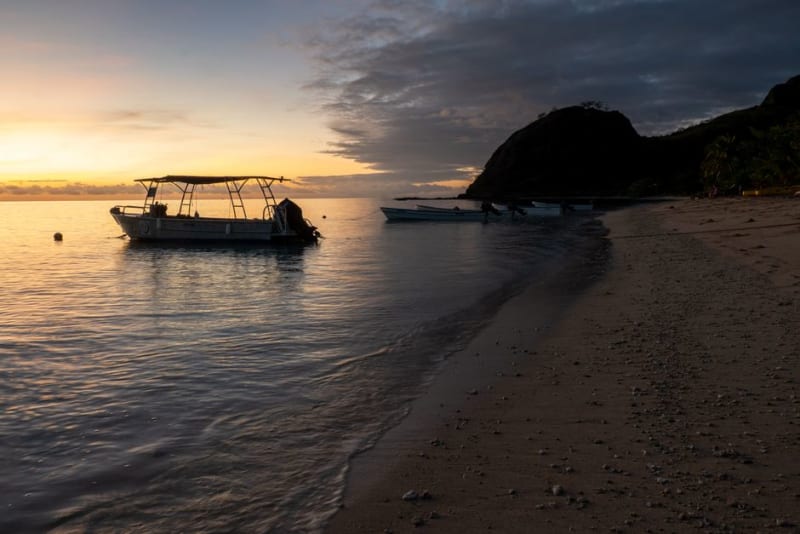 fiji
fiji Vatukoula
Fiji's gold-mining town in the interior hills above Rakiraki, still working the same reef that's produced gold since the 1930s and looking nothing like the rest of the country.
Explore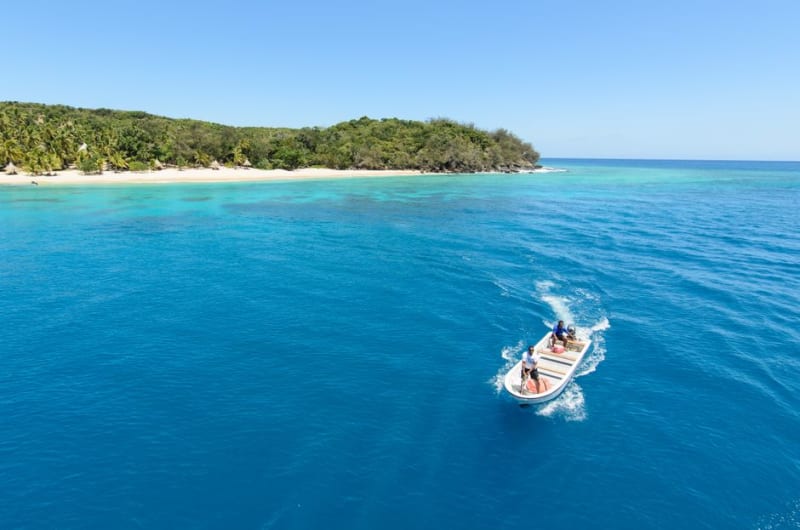 fiji
fiji Vatulele Island
A raised coral island a short flight from the Coral Coast, famous for its sacred red prawns, hand-printed masi cloth, and a lagoon that barely gets visitors.
Explore fiji
fiji Viseisei Village
The village Fijian oral history names as the first settlement on the islands, a working community a few minutes off the Nadi-Lautoka highway that still runs on kava and custom.
Explore fiji
fiji Vomo Island
A private single-resort island between the Mamanucas and the Yasawas where the entire landmass belongs to one property and the beaches are correspondingly empty.
Explore fiji
fiji Vuda Marina
A cyclone-proof yacht harbor at Vuda Point where liveaboard sailors from across the Pacific swap stories over sunset beers and the reef just offshore is criminally underrated.
Explore