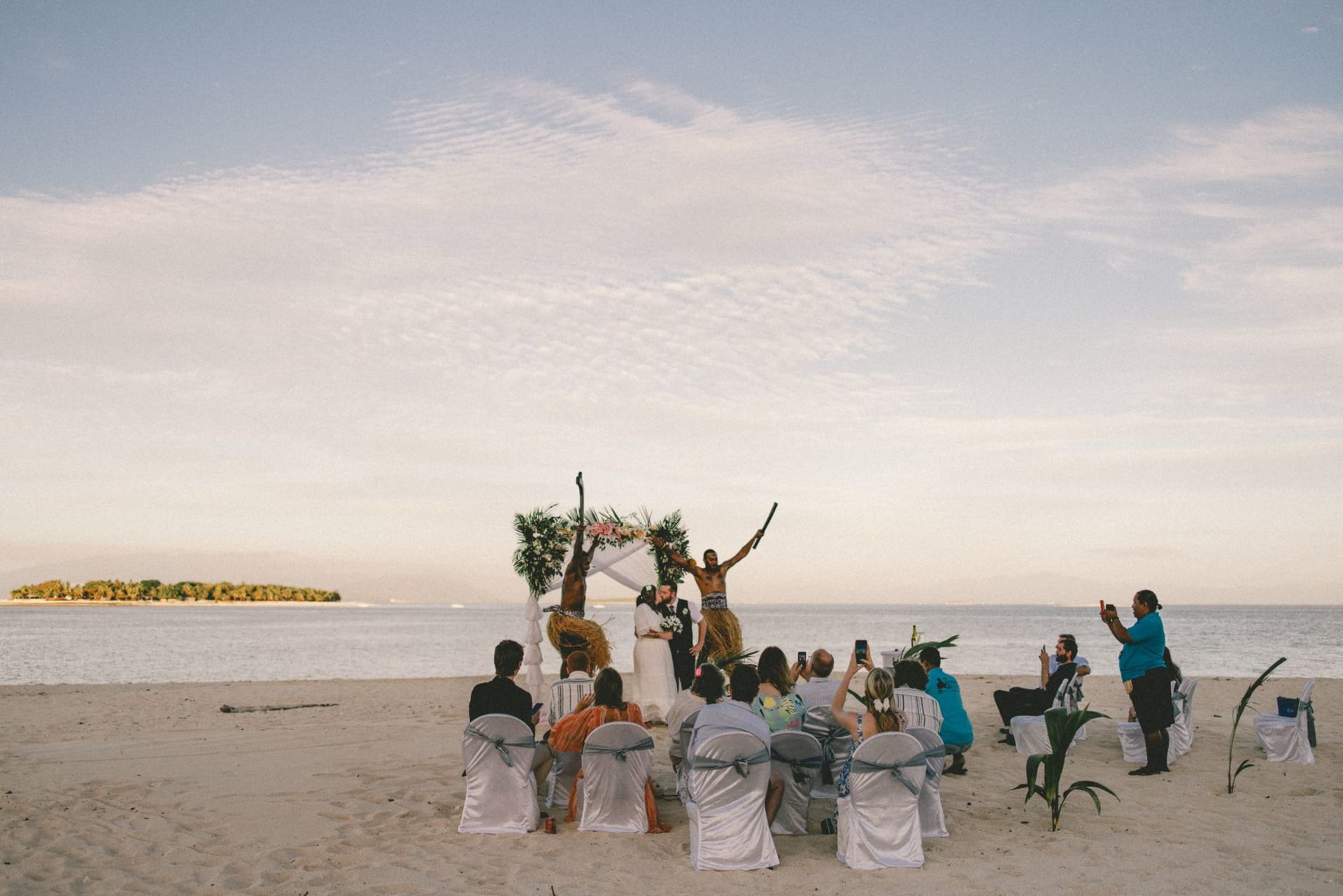
Vanua Levu
"Savusavu had the feeling of a town that had decided not to try very hard and had somehow got everything right."
Fiji's second island, bigger and quieter than the main island, where copra plantations meet hot springs and a town called Savusavu proves that sleepy and interesting aren't mutually exclusive.

I flew to Labasa, the commercial hub on the north coast of Vanua Levu, on a small propeller plane from Nadi that held about eighteen passengers and flew low enough over the Koro Sea that I could track individual coral heads through the window. Labasa itself is sugar-town Fiji — a working Indo-Fijian community built around the cane industry, with a busy market and bus station and a kind of no-frills functionality that I found genuinely appealing compared to the resort-facing infrastructure elsewhere. I stayed one night, ate the best roti I had in Fiji at a place that didn’t have a sign, and took a bus south toward Savusavu on a road that crossed the island’s central spine through a landscape of rolling cane fields interrupted by sudden forest.
Savusavu, on the south coast, is the town that people who live on Vanua Levu talk about the way you talk about a favourite room. It sits on a narrow harbour between wooded hills and has the particular atmosphere of a place where nothing was ever built in a hurry. The main street is about three hundred metres long and contains a hardware store, a small supermarket, a dive shop, two guesthouses, a waterfront café that opens when it feels like it, and several benches where older men sit in the shade of breadfruit trees and watch the water. The hot springs that give Savusavu its local name bubble up in a park near the wharf — genuinely boiling water pushing through a crack in the earth, surrounded by a low stone wall and a handpainted warning that says DANGER. A woman at the guesthouse told me people boil their vegetables there in old tin cans. I didn’t see it happen but I believed her.
The diving around Savusavu is what put it on the map for serious underwater photographers, and the Namena Marine Reserve — about an hour by boat offshore — is the anchor of it. The reserve was established by one of the local villages who gave up fishing rights in return for a percentage of dive operator fees, a model of community-based conservation that actually seems to work. The reef health inside the reserve is visibly better than in the unprotected areas nearby, the fish populations denser, the coral cover more complete. I did two dives in the reserve with a local operator and saw more Napoleon wrasse in two hours than I had seen in aggregate across the rest of my time in Fiji.
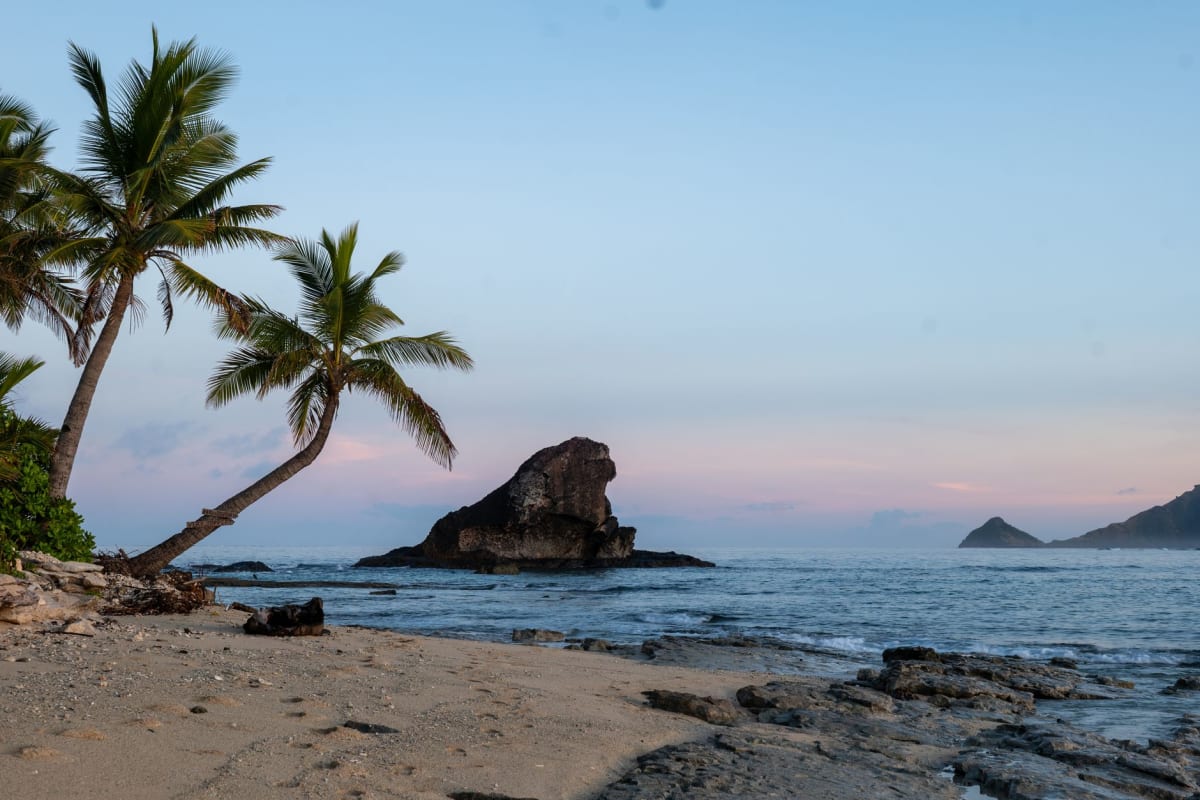
The road east from Savusavu traces a spectacular stretch of coast past copra plantations that have been operating since the colonial period, their coconut palms in rows that are now half-collapsed and wild but still productive, tended by families who own small parcels of land that have passed through three or four generations. I rented a small motorbike from a man at the Savusavu market — a negotiation conducted entirely through hand gestures because my Fijian and his English didn’t overlap at all — and rode it east for two hours until the road became a track and the track became something that only a local would call a road. I turned around at a river crossing where I couldn’t see the bottom and ate lunch — cold rice and tinned fish from a bag I had packed — sitting on a rock above the Pacific.
The salt lake at Natewa Bay, on the eastern peninsula, is home to a brackish ecosystem that produces a particular species of prawn that the people of the village of Natewa trap and smoke and sell in markets as far away as Suva. I bought a small paper bag of them from a young woman outside the village and ate them walking, and they had a flavour — smoky, briny, with a sweetness underneath — that I have been trying to describe accurately ever since.
When to go: May through October for the dry season and calmer seas for the Namena Reserve crossing. The drive east from Savusavu is accessible year-round but the unsealed sections get seriously muddy in the wet season — a motorbike is optimistic then; a 4WD is the honest answer.
Keep exploring
More from Fiji
 fiji
fiji Vatukoula
Fiji's gold-mining town in the interior hills above Rakiraki, still working the same reef that's produced gold since the 1930s and looking nothing like the rest of the country.
Explore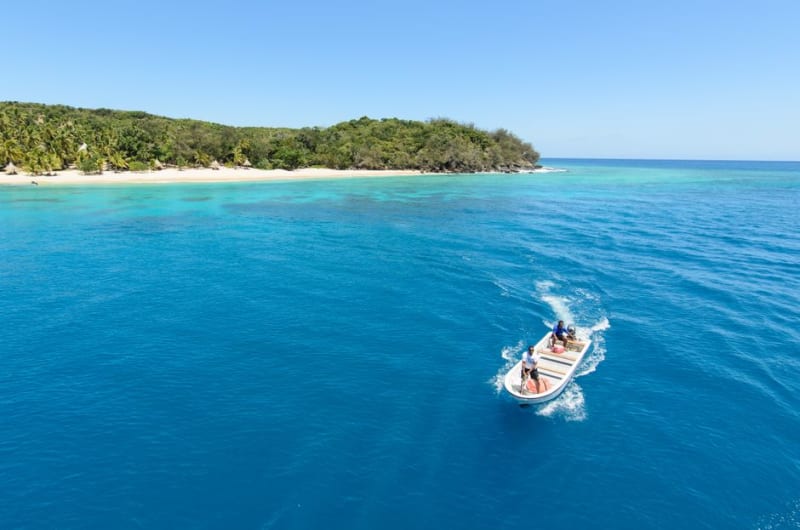 fiji
fiji Vatulele Island
A raised coral island a short flight from the Coral Coast, famous for its sacred red prawns, hand-printed masi cloth, and a lagoon that barely gets visitors.
Explore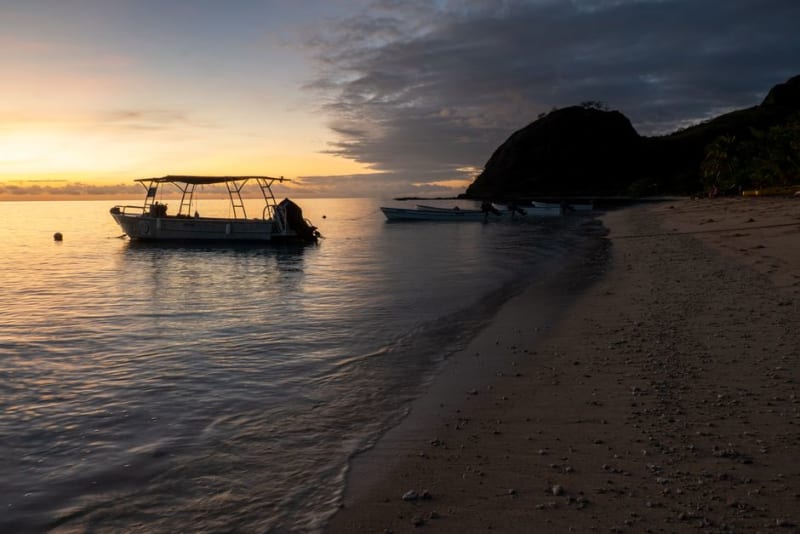 fiji
fiji Viseisei Village
The village Fijian oral history names as the first settlement on the islands, a working community a few minutes off the Nadi-Lautoka highway that still runs on kava and custom.
Explore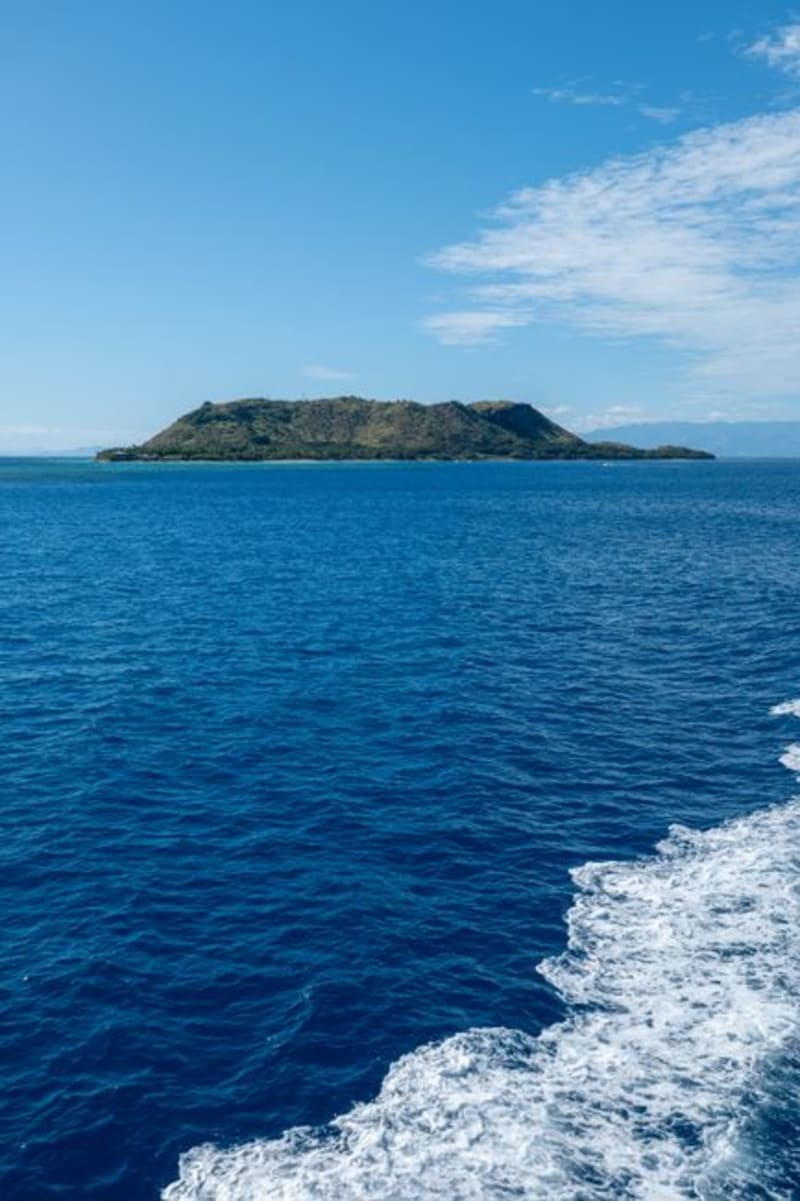 fiji
fiji Vomo Island
A private single-resort island between the Mamanucas and the Yasawas where the entire landmass belongs to one property and the beaches are correspondingly empty.
Explore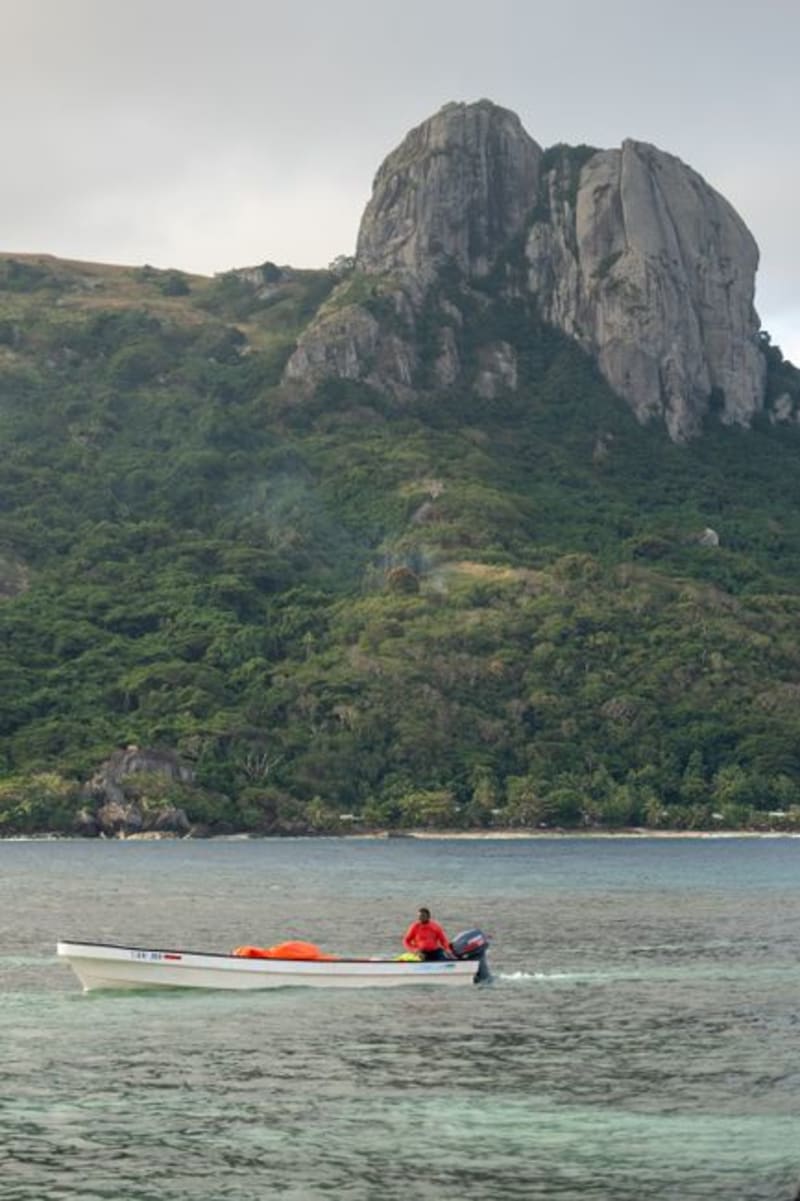 fiji
fiji Vuda Marina
A cyclone-proof yacht harbor at Vuda Point where liveaboard sailors from across the Pacific swap stories over sunset beers and the reef just offshore is criminally underrated.
Explore fiji
fiji Wadigi Island
A single-villa private island near Malolo Lailai that a whole group can rent outright, with its own staff, its own boat, and nobody else on the beach, ever.
Explore