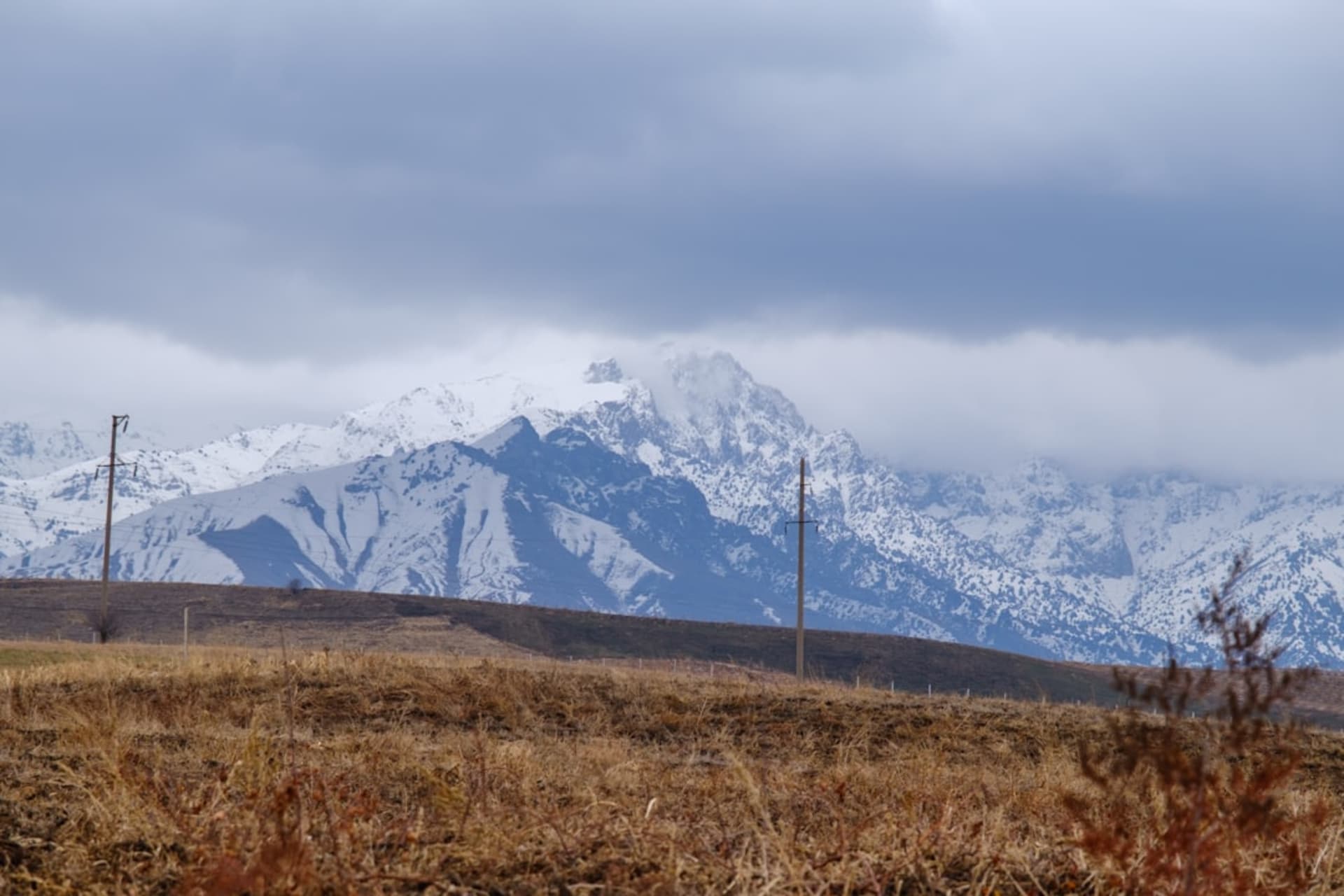
Sokh
"I checked my phone and it switched networks four times in twenty minutes, and that was the whole story of Sokh right there."
In an Uzbek exclave surrounded entirely by Kyrgyzstan, I walked through apricot orchards heavy with fruit and realized how strange borders can be up close.

Sokh is the kind of place that sounds more complicated on paper than it feels on the ground, at least for the couple of hours we managed to spend near its edge. It’s an Uzbek exclave, entirely surrounded by Kyrgyz territory, and getting anywhere close to it required more permission and more waiting around at checkpoints than anywhere else on our whole Fergana Valley trip. Lia handled most of the negotiating in her patient, unhurried way while I stood around trying to look unthreatening, which is apparently my main skill at border crossings.
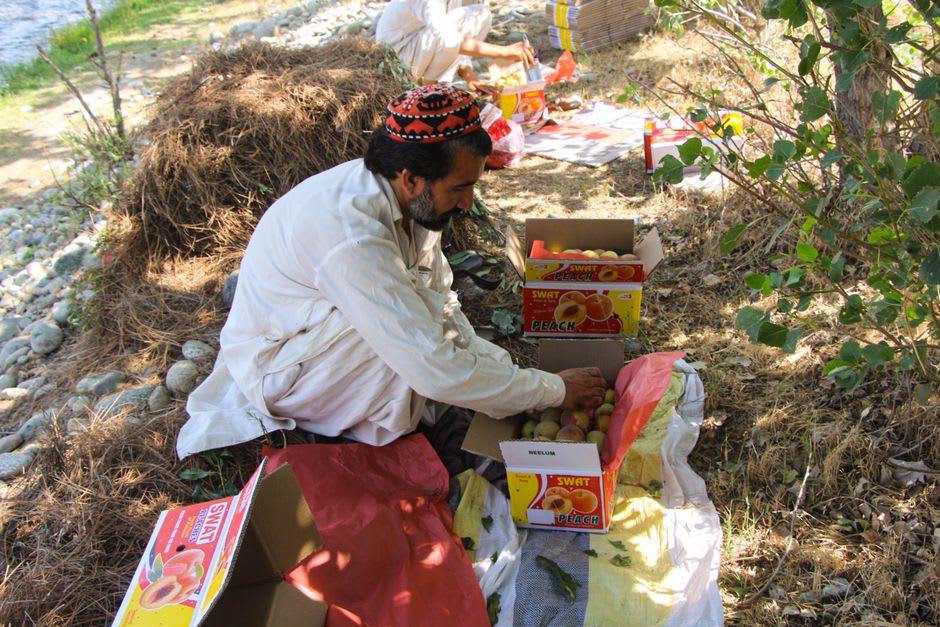
What we found, once we were finally moving, was almost aggressively unremarkable in the best sense — dense apricot orchards running along both sides of the road, the trees so loaded with fruit in places that branches were propped up with wooden poles to keep them from snapping. Farmers were out with baskets, and one man waved us over and just handed us apricots through the car window without a word, the way you’d offer someone water on a hot day.
The exclave’s population is almost entirely ethnic Tajik, which adds another layer to the whole geopolitical oddity of the place — Uzbek territory, Kyrgyz surroundings, Tajik-speaking residents — and yet daily life looked exactly like daily life in every other valley town we’d passed through: kids on bikes, women drying fruit on rooftops, the low constant hum of irrigation water moving through channels beside the road.

We didn’t push deep into Sokh itself — the logistics weren’t worth the risk for a day trip, and our guide was visibly relieved when we turned back toward Fergana proper. But even that brief taste of it stuck with me: a pocket of one country stitched into another, defined entirely by lines on a map that mean nothing to an apricot tree.
When to go: Visit in July, right at apricot harvest, and go with a local guide who can navigate the checkpoint permissions in advance — this isn’t a spontaneous detour.
Keep exploring
More from Fergana Valley
 fergana-valley
Uzgen
A drowsy Kyrgyz market town where an eleventh-century Karakhanid minaret leans over the bazaar and the rice that built empires still grows in the fields below.
Explore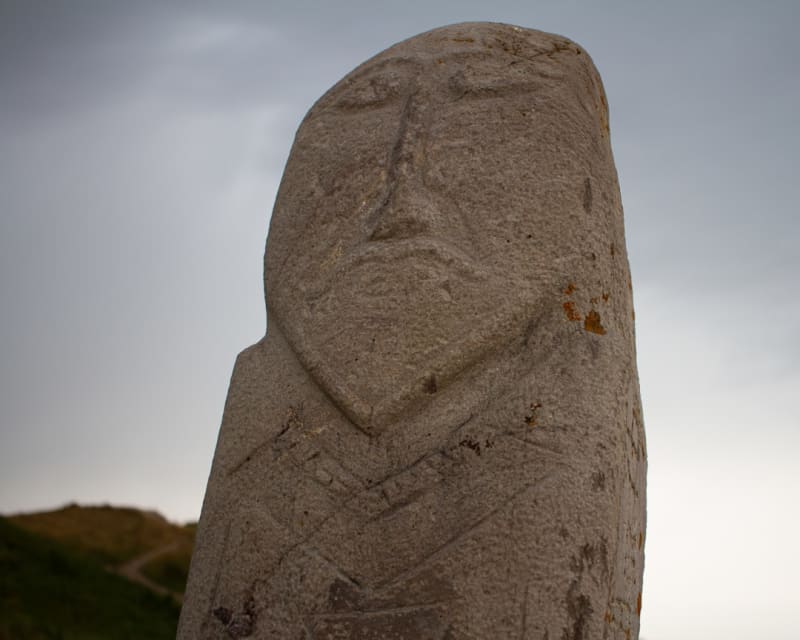 fergana-valley
Vodil
Grassy kurgan mounds rise from the fields outside Fergana, quiet reminders of a Silk Road settlement that traders passed through two thousand years ago.
Explore fergana-valley
Andijan
The birthplace of Babur, founder of the Mughal Empire — a eastern valley city still carrying its literary and tragic history without fuss.
Explore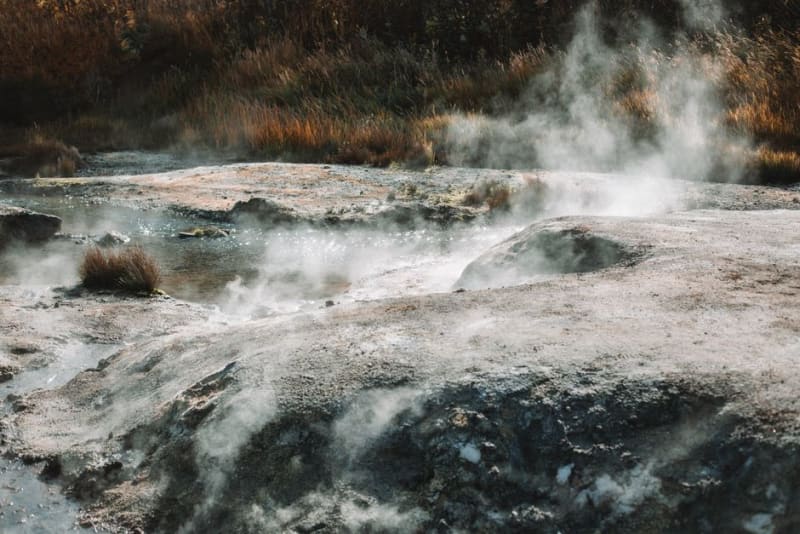 fergana-valley
Chartak
At the foot of the Chatkal range, I soaked in a mineral hot spring while snow-streaked peaks turned pink above the orchards of Chartak.
Explore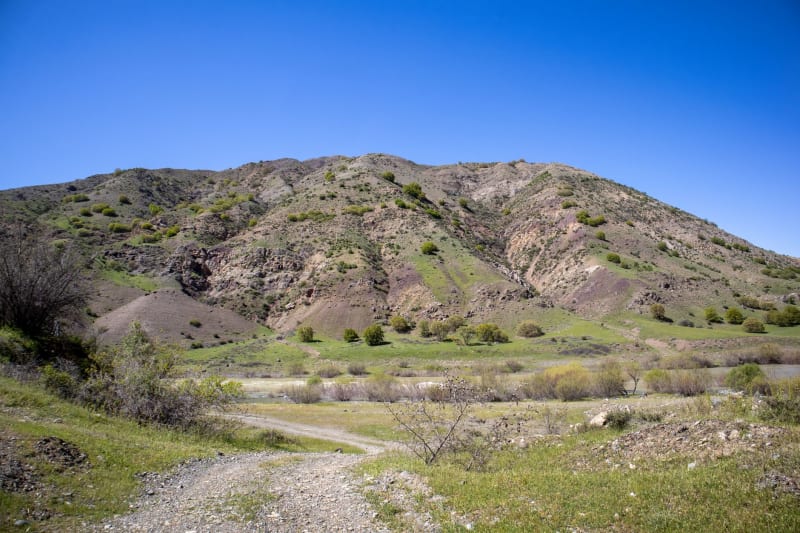 fergana-valley
Chust
A small valley town with two obsessions — hand-forged pchak knives and embroidered duppi skullcaps — pursued with a focus that borders on religion.
Explore fergana-valley
Fergana City
The valley's unlikely Russian-built capital, where wide colonial boulevards meet a Saturday bazaar that operates on an entirely different logic.
Explore