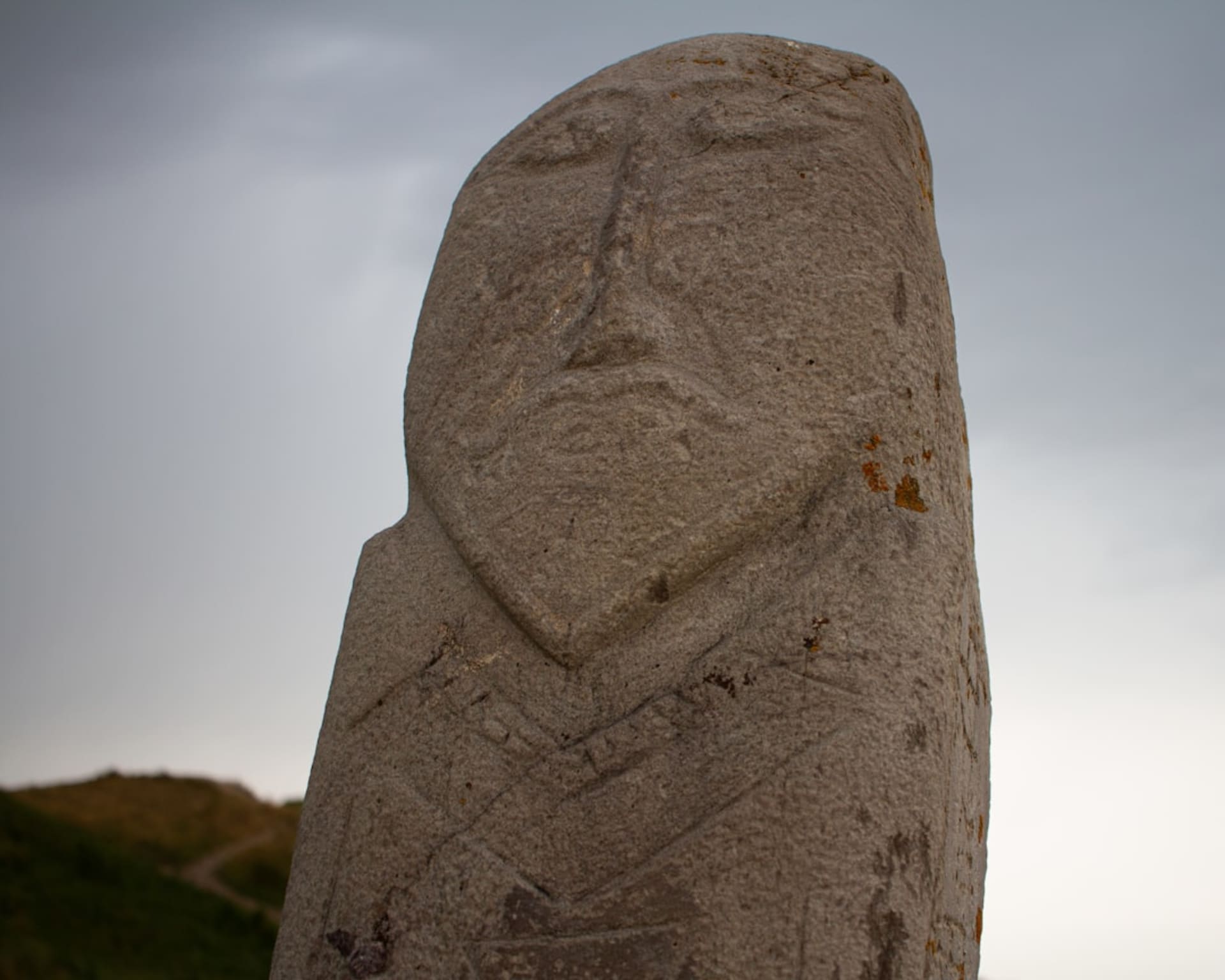
Vodil
"Lia asked how old the mounds were, and our guide just shrugged and said, 'older than the road we drove in on.'"
Grassy kurgan mounds rise from the fields outside Fergana, quiet reminders of a Silk Road settlement that traders passed through two thousand years ago.

We went to Vodil almost by accident, chasing a rumor from a guesthouse owner in Fergana who said there were burial mounds nearby that nobody bothers to visit. He was right on both counts. The kurgans sit scattered across farmland just outside town, unmarked, unfenced, some barely more than a swelling in the grass and others tall enough that you could stand on top and see the whole valley spread out around you, cotton fields to the horizon in every direction.
There’s no visitor center, no ticket booth, nothing that tells you what you’re looking at unless you already know. A local farmer walking past his field noticed us poking around and, without being asked, told us the mounds had been there since before Islam reached the valley, that Silk Road caravans would have passed within sight of them on their way toward Kokand. I have no way to verify the timeline he gave us, but standing there with wheat stubble under my boots and absolutely no other tourists in sight, I believed him completely.
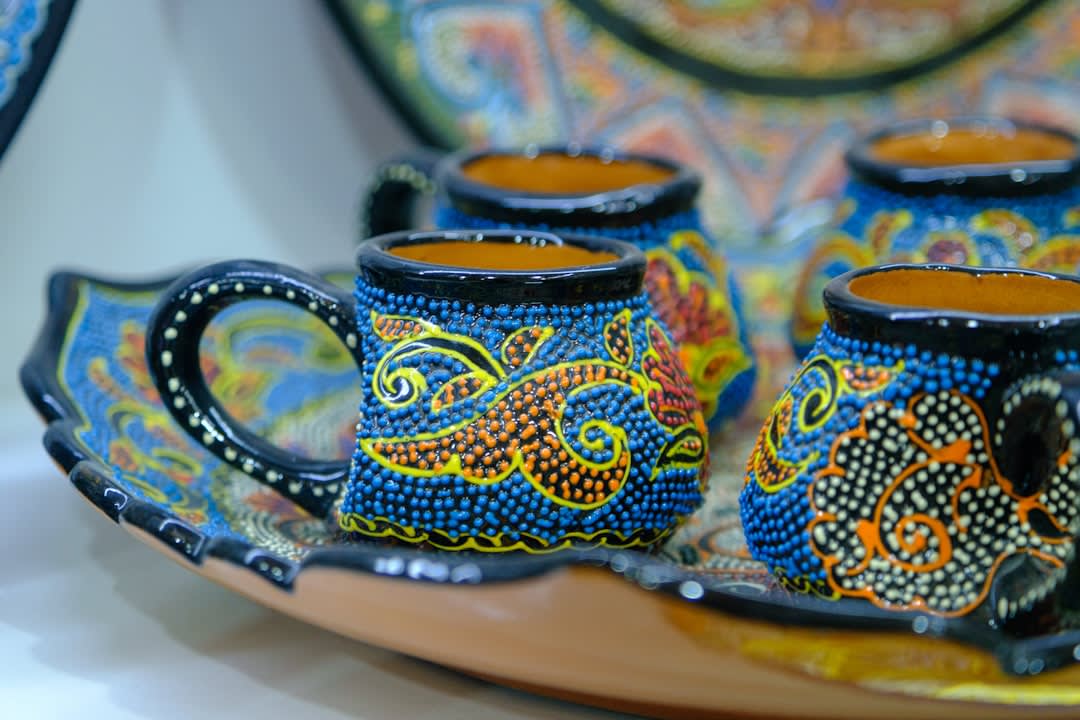
Vodil itself is a modest agricultural town, and I mean that as a compliment — mud-brick walls, irrigation channels running along the roads, donkey carts still doing real work rather than posing for photos. We stopped at a small ceramics workshop on the way out, one of a handful in the area known for a distinctive blue-glazed pottery style that’s apparently been passed down through specific families for generations. The potter let me try the wheel. I made something closer to a lopsided ashtray than a bowl, and he was gracious enough not to say so out loud.
What I keep coming back to about Vodil is how undramatic it all is on the surface — grass mounds in a field, a potter’s shed, some irrigation ditches — and how much history is quietly sitting underneath that surface, unbothered by the fact that almost nobody stops to look at it anymore.
When to go: Go in spring, when the surrounding fields are green rather than dust-brown, which makes the mounds far easier to spot and the whole scene much more photogenic.
Keep exploring
More from Fergana Valley
 fergana-valley
Andijan
The birthplace of Babur, founder of the Mughal Empire — a eastern valley city still carrying its literary and tragic history without fuss.
Explore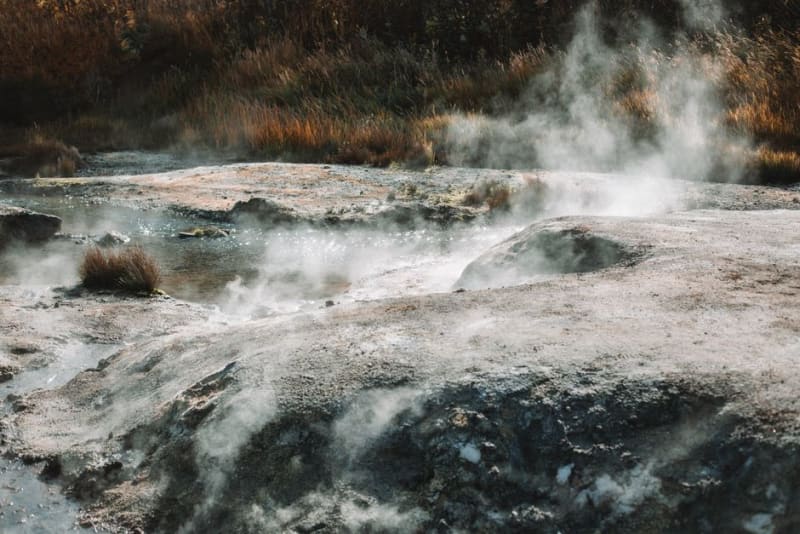 fergana-valley
Chartak
At the foot of the Chatkal range, I soaked in a mineral hot spring while snow-streaked peaks turned pink above the orchards of Chartak.
Explore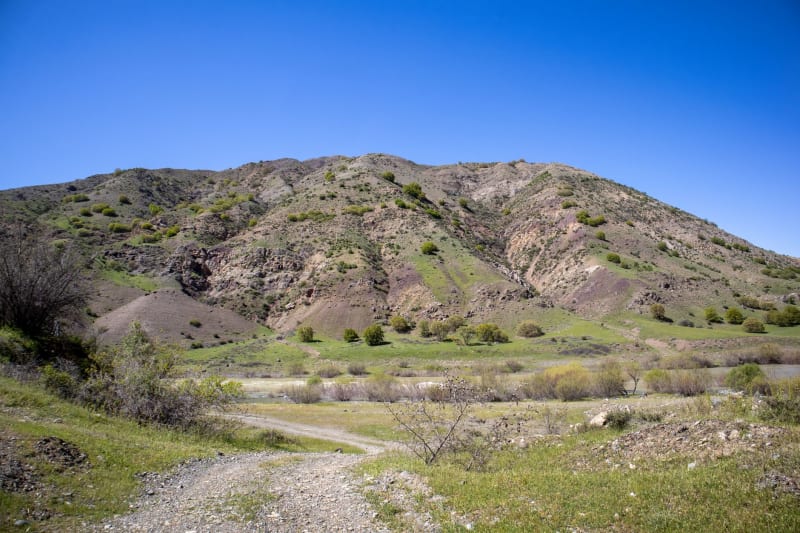 fergana-valley
Chust
A small valley town with two obsessions — hand-forged pchak knives and embroidered duppi skullcaps — pursued with a focus that borders on religion.
Explore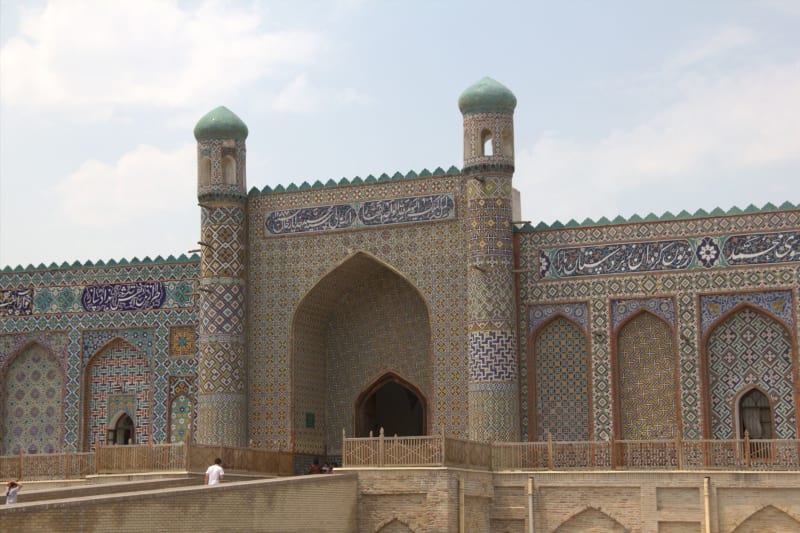 fergana-valley
Fergana City
The valley's unlikely Russian-built capital, where wide colonial boulevards meet a Saturday bazaar that operates on an entirely different logic.
Explore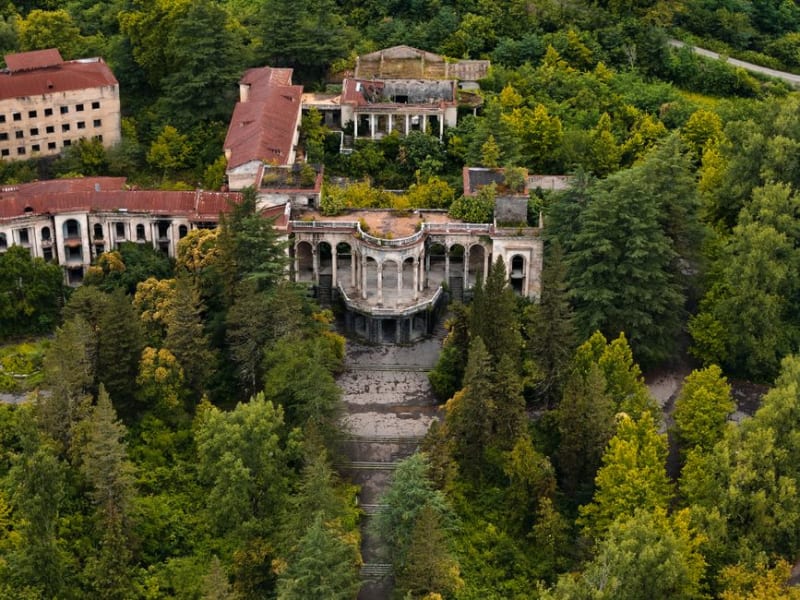 fergana-valley
Jalal-Abad
On the Kyrgyz edge of the valley, I wandered a Soviet-era sanatorium park where pensioners still come each summer to take the mineral waters.
Explore fergana-valley
Kasan
A forgotten caravanserai town in the valley's northern reaches where walnut trees shade ancient trade routes nobody travels anymore.
Explore