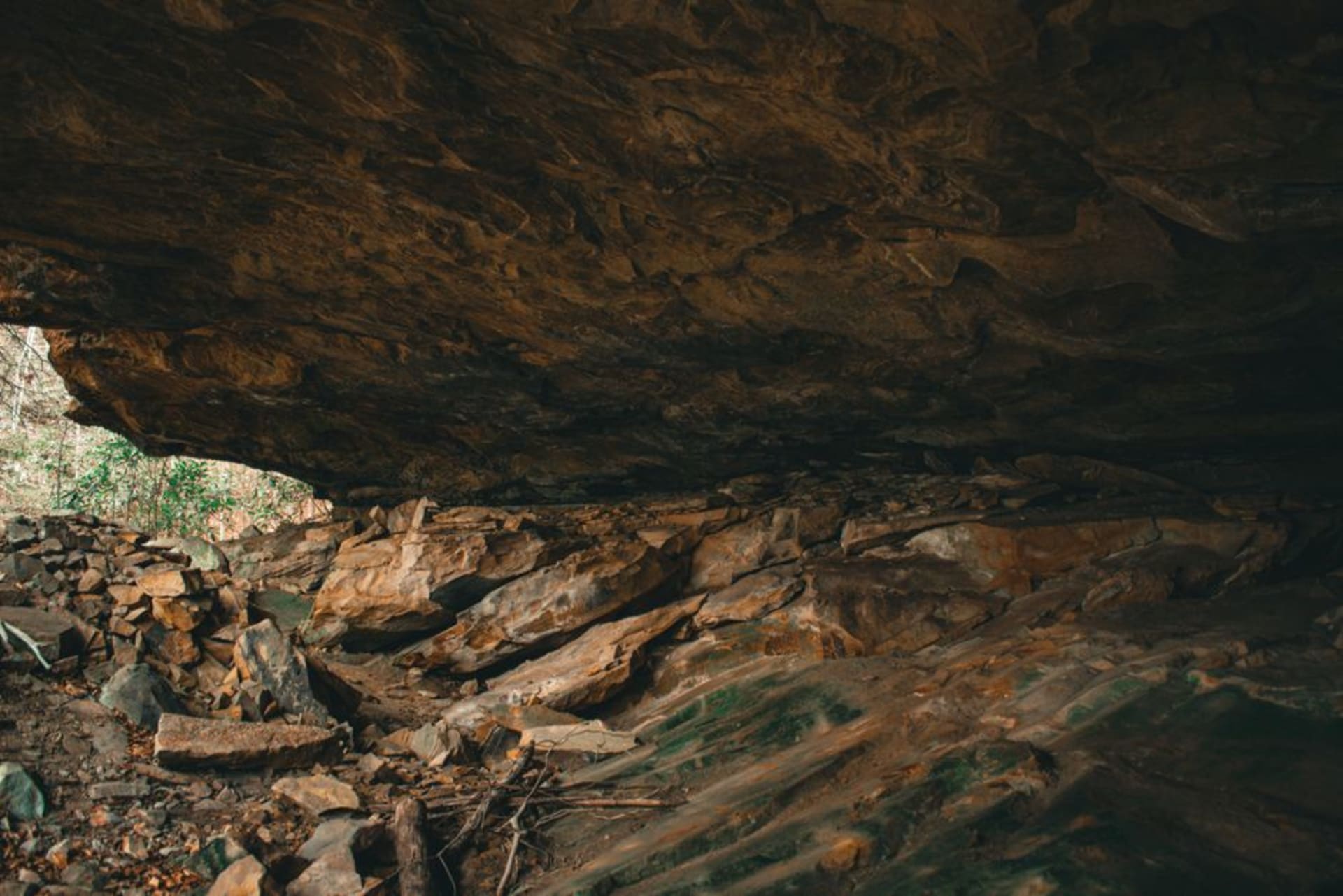
Nsangwini Rock Shelter
"Our guide put his hand near a painted figure without touching it and said his grandfather's grandfather never knew who painted it either, and something about that scale quieted us both."
A sandstone overhang in the northern lowveld holding centuries-old San rock paintings, reached by a hot, guided walk from the valley floor.

Getting to Nsangwini takes some commitment, which I think is part of why it’s stayed so unspoiled. We were staying near Piggs Peak and drove down into the lowveld on a dirt road that got progressively rougher, then met a guide from the local community who walks visitors down to the site — you can’t go on your own, and honestly that’s the right call. The trail drops steeply toward the Nkomati River valley, maybe thirty minutes down through thorny scrub with the sun doing serious work by mid-morning, and I was sweating through my shirt well before we reached the overhang.
The shelter itself is a wide sandstone hollow, not a cave exactly, more like the rock face leaning out to form a roof, and the paintings are clustered along one section in faded ochre and white. Our guide, a young guy named Bongani who grew up in the village nearby, pointed out figures I would have completely missed on my own — a line of dancers mid-motion, an eland with its distinctive hump, and what he said some researchers believe is one of the only depictions of a flying figure in southern African rock art, possibly connected to trance rituals of the San people who lived in this region long before Swazi settlement. Nobody knows exactly how old the paintings are, estimates range wildly, but the figures have survived open to the weather for what could be thousands of years.

Lia asked Bongani if his community still had any connection to the San people who made the paintings, and he was honest that it’s complicated — the San were largely displaced or absorbed generations ago, and what’s left is stewardship rather than direct lineage. I appreciated that he didn’t dress it up. There’s a wooden platform now, built to keep visitors a respectful distance from the rock face, and a small fee that goes back to the community managing the site, which felt like the right arrangement given how easily a place like this could be trampled or looted.

The climb back up in the heat wiped us both out, and we sat in the shade of the parking area drinking warm water for a good ten minutes before either of us said anything. What stayed with me wasn’t just the paintings, though they’re genuinely striking, but the sense of time collapsing a little, standing in a spot where people had been making art and probably meaning long before anyone thought to write any of it down.
When to go: Go early morning between May and August to avoid the worst of the lowveld heat on the walk down, and book the guided visit through Piggs Peak or your accommodation in advance since access is community-managed.
Keep exploring
More from Eswatini
 eswatini
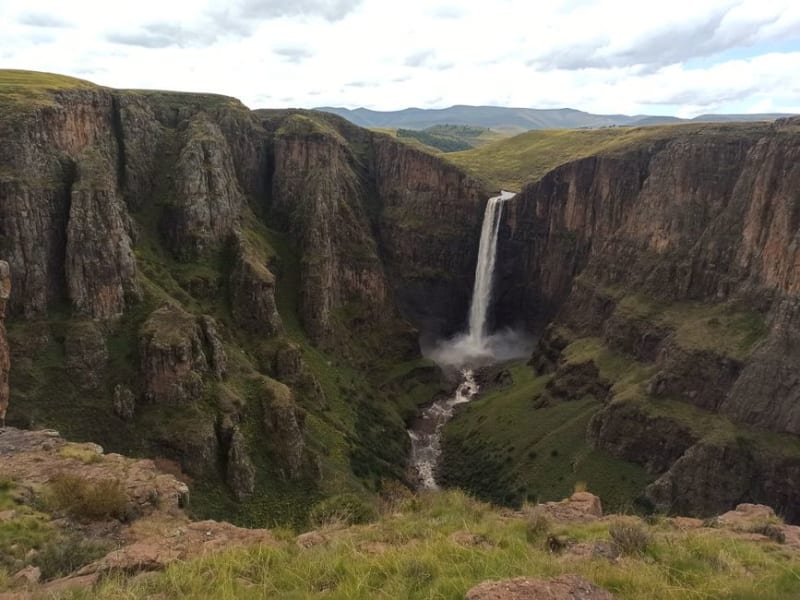
Phophonyane Falls
A series of cascades tumbling through a private nature reserve in the northern highlands near Piggs Peak, cooler and quieter than anywhere else we visited.
Explore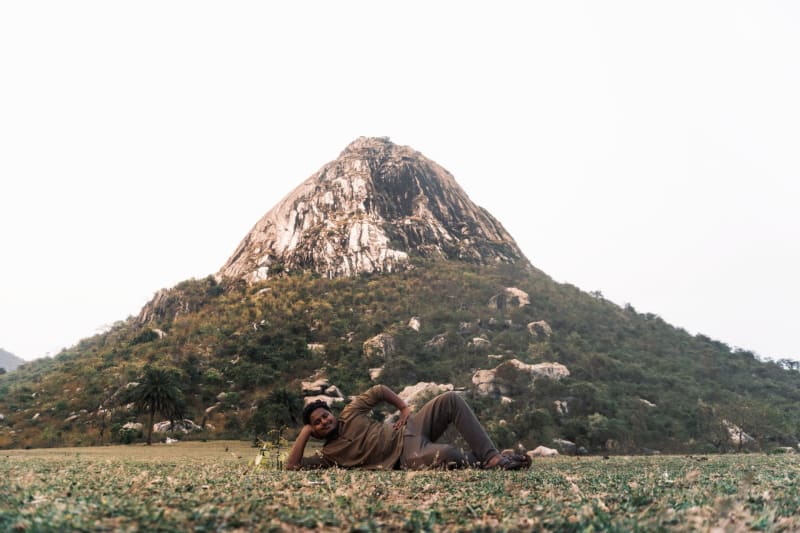 eswatini
Piggs Peak
A highland town on the edge of the escarpment where the mist comes in most mornings and the forest starts at the end of the street.
Explore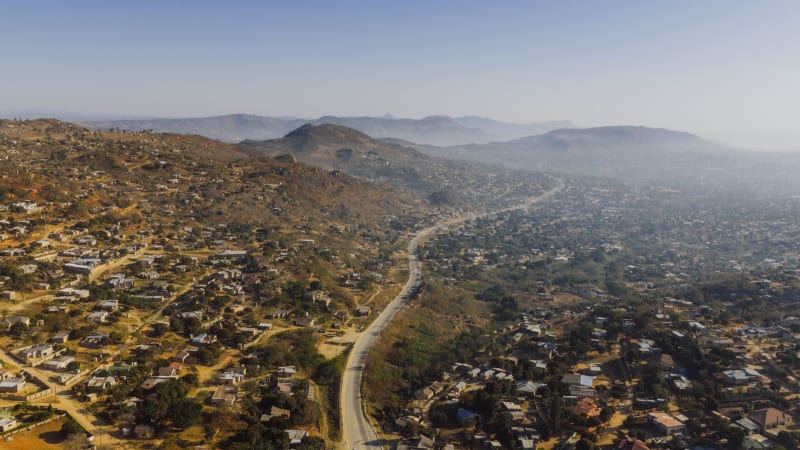 eswatini
Sibebe Rock
The world's second-largest exposed granite pluton, rising raw and vast above the Mbabane suburbs like something the land forgot to bury.
Explore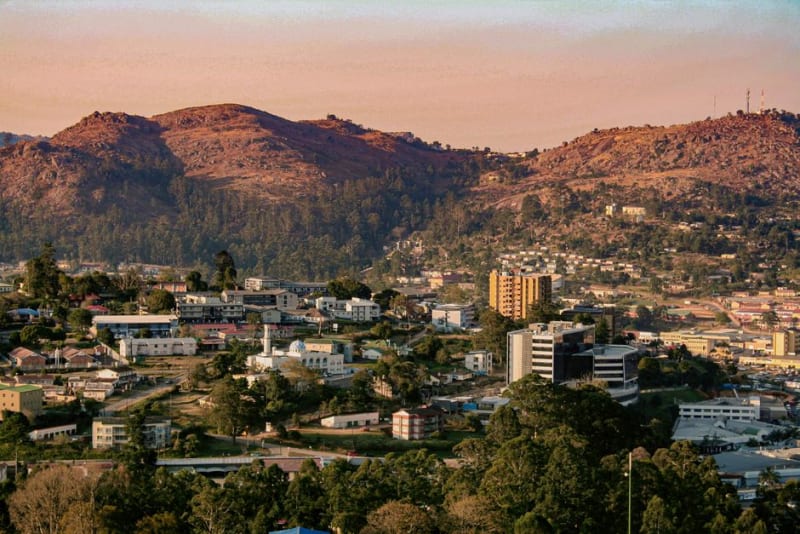 eswatini
Siteki
A sleepy lowveld market town below the Lubombo escarpment where I stopped for petrol and stayed for the view.
Explore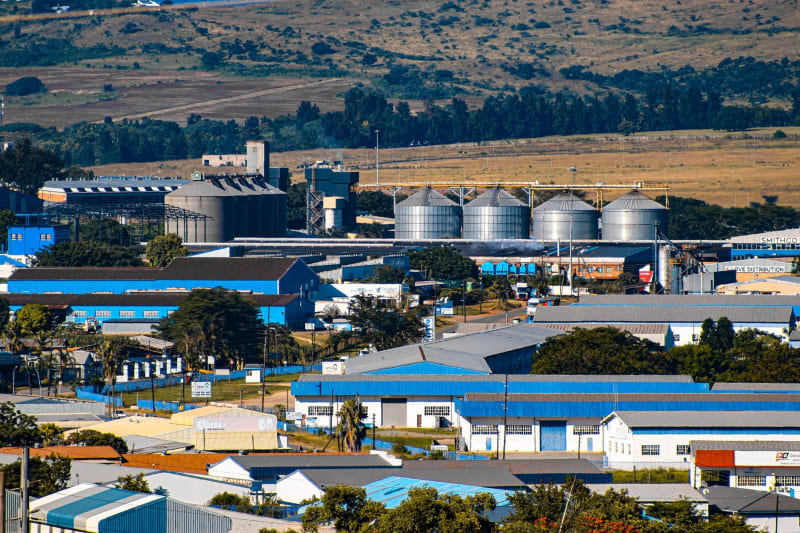 eswatini
Ezulwini Valley
The Valley of Heaven — a wide, fertile corridor between Mbabane and Manzini that holds the country's cultural and royal heart.
Explore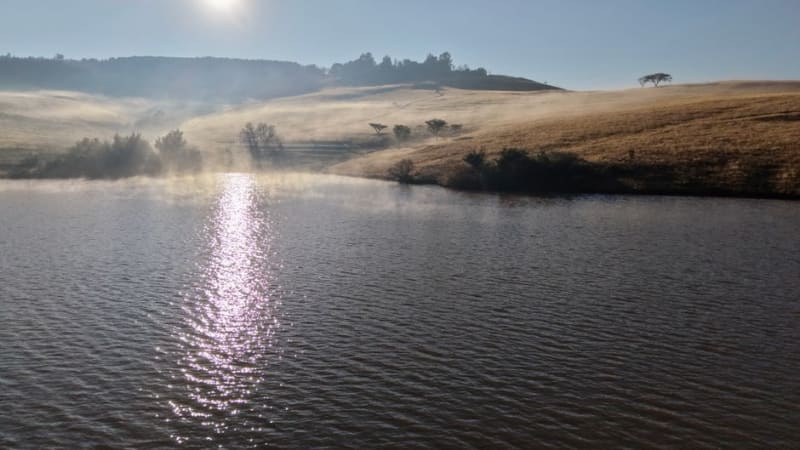 eswatini
Hawane Dam
A quiet reservoir and nature reserve north of Mbabane where I spent a slow morning watching birds I couldn't name.
Explore