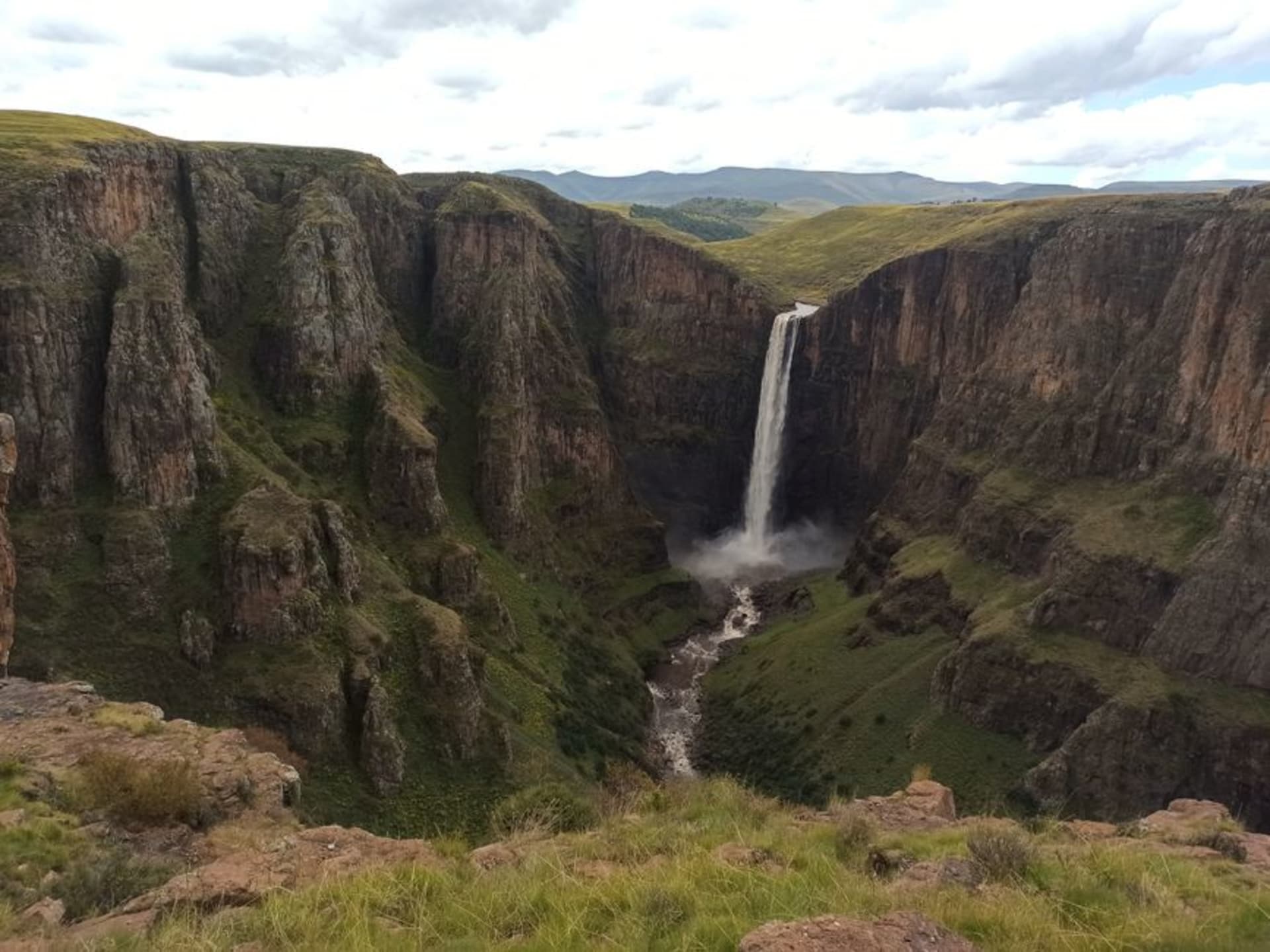
Phophonyane Falls
"By the time we found the second cascade at Phophonyane, deeper in the forest than the map suggested, I'd stopped checking my phone entirely."
A series of cascades tumbling through a private nature reserve in the northern highlands near Piggs Peak, cooler and quieter than anywhere else we visited.

We’d been in Eswatini almost a week by the time we made it to Phophonyane, and it was the trip that finally slowed both of us down. The falls sit inside a private nature reserve near Piggs Peak, up in the northern highlands where the air is noticeably cooler than the lowveld we’d been driving through, and the drive in alone, along a winding dirt road through pine plantations and patches of indigenous forest, felt like a decompression.
Phophonyane isn’t one single dramatic drop the way I’d pictured from photos. It’s actually a series of cascades and rapids that the Phophonyane River works through a narrow gorge, dropping in stages rather than all at once, which meant the walking trail kept revealing new viewpoints instead of delivering everything at the first overlook. We followed the path down through forest thick enough that the light came through in patches, and the sound of the water built gradually until we were standing at the main viewpoint, where the river drops maybe 60 meters through the rock in a long white streak.

Lia found a smaller pool further along the trail, tucked away from the main viewpoint, and we sat there for probably an hour doing nothing in particular. There’s a lodge on the property with a restaurant terrace that looks out over part of the gorge, and we ended up having lunch there, grilled trout and a beer that I remember tasting unusually good, maybe just because of the setting. The staff told us the reserve is privately run and has been protecting this stretch of forest for decades, which explained why it felt so undisturbed compared to some of the more heavily visited spots we’d seen elsewhere in the country.
What I keep coming back to about Phophonyane is how few people we saw. Maybe three other groups the whole afternoon, and even they seemed to disappear into the trails without us crossing paths again. After the more social stops on our trip through Eswatini, Mantenga with its drumming and crowds, the market noise in Manzini, this felt like the opposite register entirely. Just water finding its way downhill and us not being in any hurry to leave.
When to go: The forest stays lush and the waterfall flows strong year-round, but the dry winter months from May to August bring cooler highland air that makes the hiking far more comfortable.
Keep exploring
More from Eswatini
 eswatini
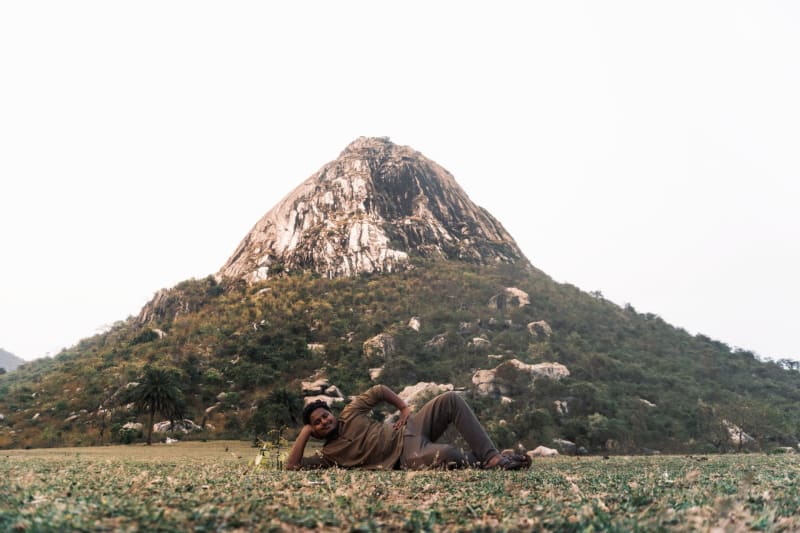
Piggs Peak
A highland town on the edge of the escarpment where the mist comes in most mornings and the forest starts at the end of the street.
Explore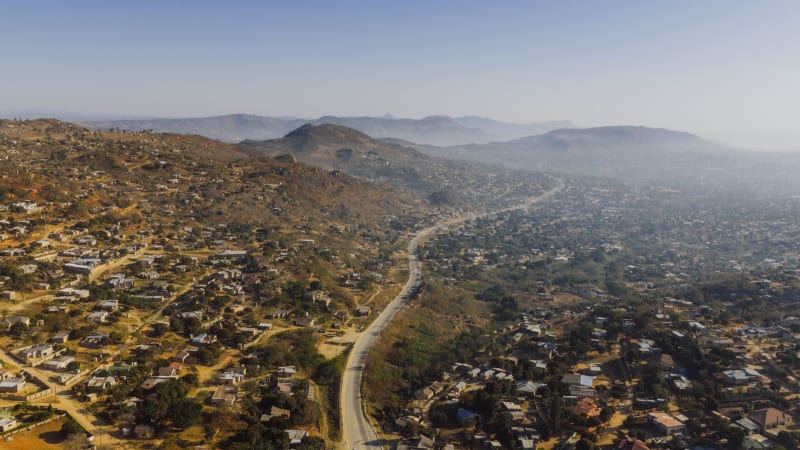 eswatini
Sibebe Rock
The world's second-largest exposed granite pluton, rising raw and vast above the Mbabane suburbs like something the land forgot to bury.
Explore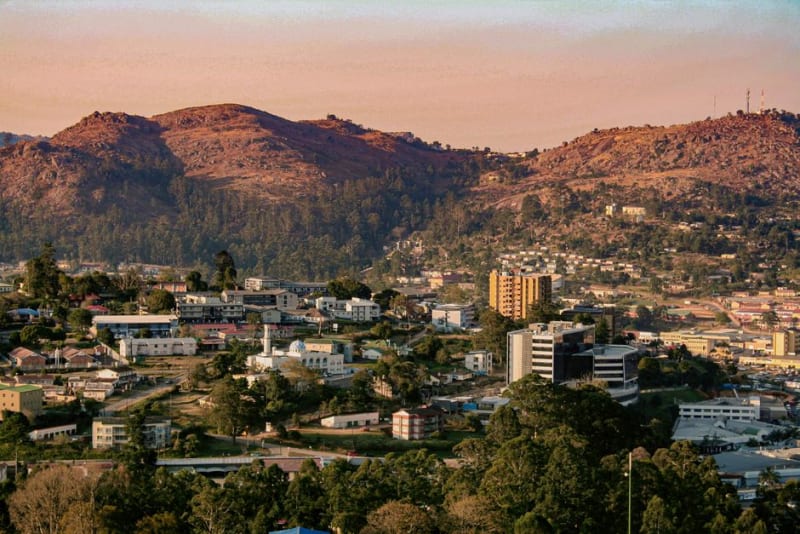 eswatini
Siteki
A sleepy lowveld market town below the Lubombo escarpment where I stopped for petrol and stayed for the view.
Explore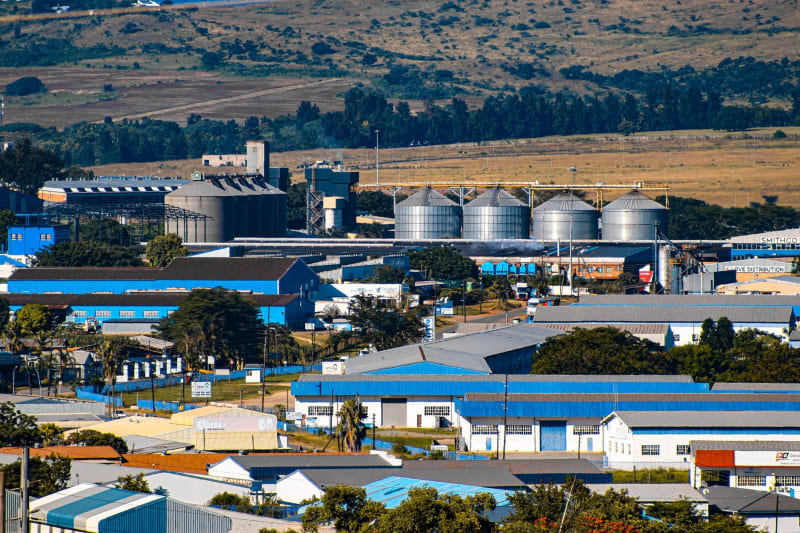 eswatini
Ezulwini Valley
The Valley of Heaven — a wide, fertile corridor between Mbabane and Manzini that holds the country's cultural and royal heart.
Explore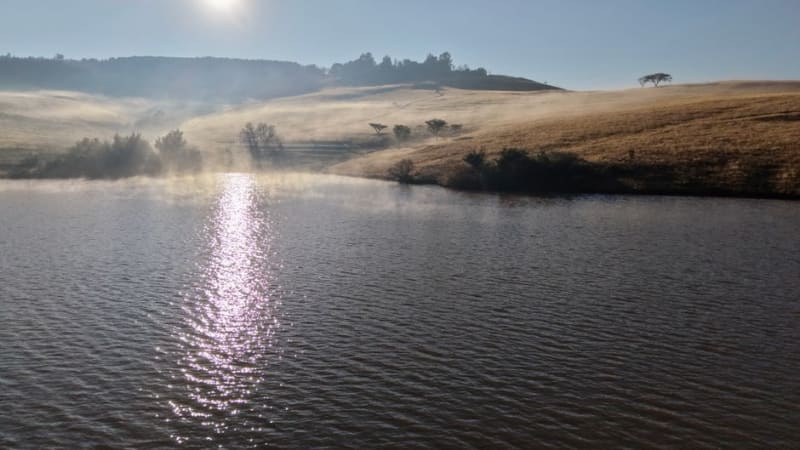 eswatini
Hawane Dam
A quiet reservoir and nature reserve north of Mbabane where I spent a slow morning watching birds I couldn't name.
Explore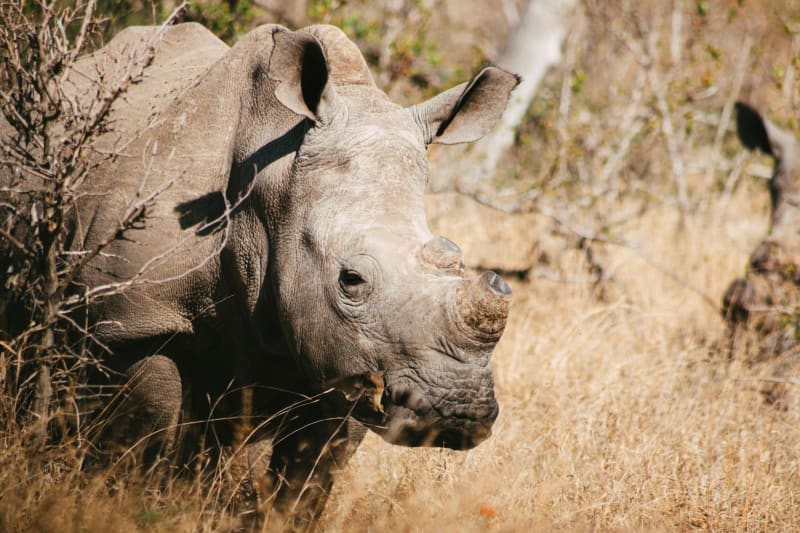 eswatini
Hlane Royal National Park
Eswatini's wildest corner — white rhino, elephants, and lions without the safari circus.
Explore