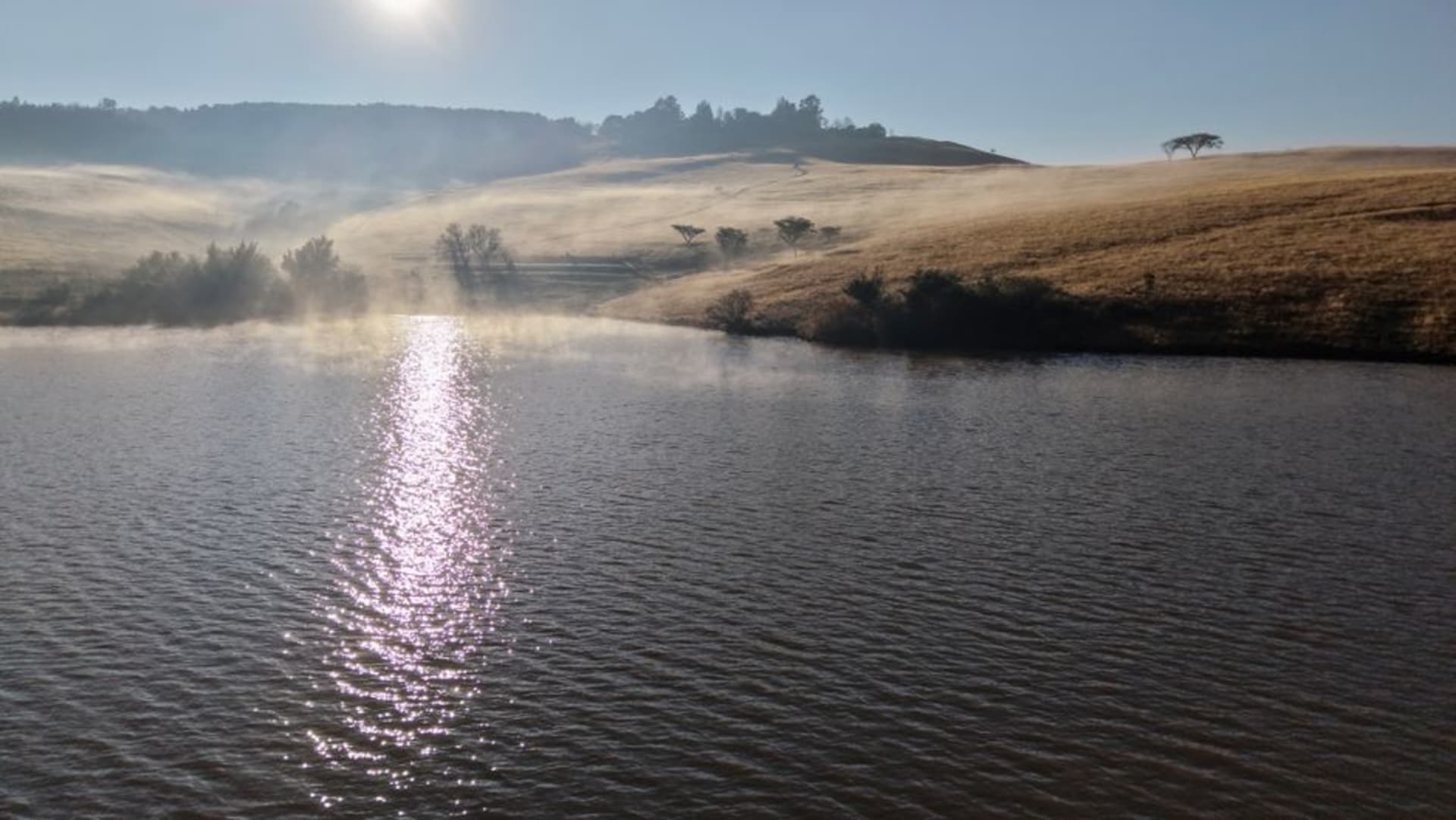
Hawane Dam
"I went to Hawane Dam knowing nothing about birds and left able to point at a fish eagle and feel smug about it."
A quiet reservoir and nature reserve north of Mbabane where I spent a slow morning watching birds I couldn't name.

We drove up to Hawane Dam almost by accident, following a sign off the Mbabane-Piggs Peak road because Lia wanted to stretch her legs and I wanted coffee that wasn’t gas-station instant. Neither of us knew it was a birdwatching reserve until we saw the little wooden hide near the water and a couple with serious binoculars and even more serious patience standing dead still. We asked what they were looking at and the woman just pointed, wordlessly, at a fish eagle sitting on a dead tree across the water like it owned the place.
The reservoir itself is small compared to the big dams I’d seen elsewhere in southern Africa, more of a wide, calm pool ringed by grassland and low hills than a dramatic engineered lake. That’s part of what I liked about it. There was nobody selling anything, no entrance drama, just a gate, a modest fee, and a dirt track that loops around part of the shoreline. We walked maybe forty minutes of it before the heat got serious, and in that stretch I counted more bird species than I could hold in my head — herons, a pair of what I’m fairly sure were African jacanas picking their way across lily pads, and something small and electric blue that vanished before I could raise my phone.
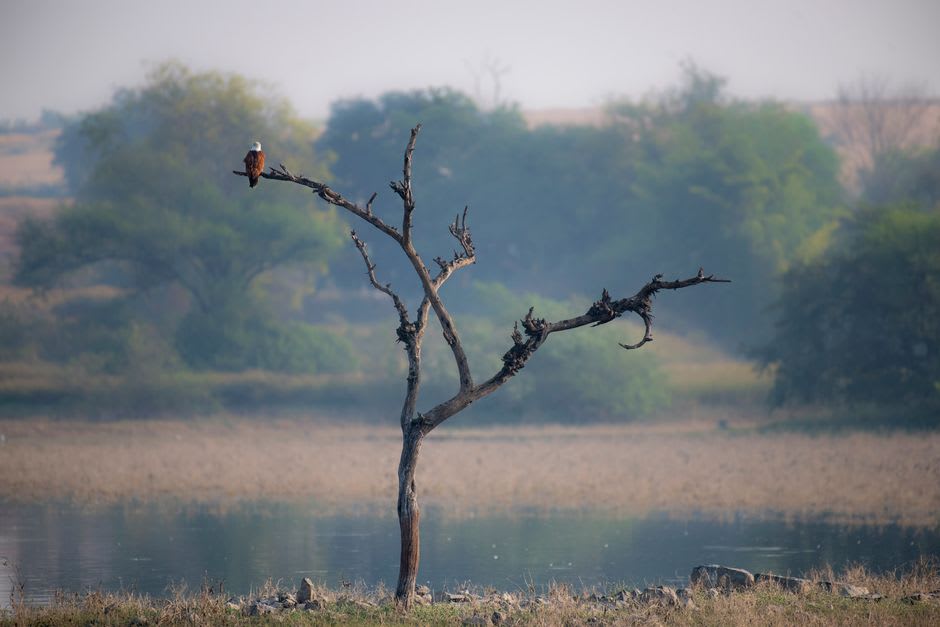
Lia, who has more patience than I do for standing still and waiting for wildlife to do something, sat at the hide for nearly an hour while I wandered. When I came back she had a photo of a malachite kingfisher, that impossible turquoise-and-orange color that looks almost fake in person, and she wouldn’t stop talking about it for the rest of the day. I get it now, the appeal of birdwatching that I used to think was a slightly boring hobby for retired uncles. There’s something genuinely calming about sitting near water with nothing to do but watch.

What surprised me most was how few other visitors we saw the whole morning, maybe five people total including the couple with the binoculars. Eswatini doesn’t get the safari crowds that Kruger or the bigger reserves pull in, and Hawane in particular felt like a spot locals use more than tourists. There’s a simplicity to it, a reservoir that supplies water to Mbabane and happens to be a haven for birds, and nobody’s trying too hard to sell you on that.
When to go: Early morning is best for both bird activity and cooler temperatures, and the dry season from May to September offers the clearest water levels and visibility.
Keep exploring
More from Eswatini
 eswatini
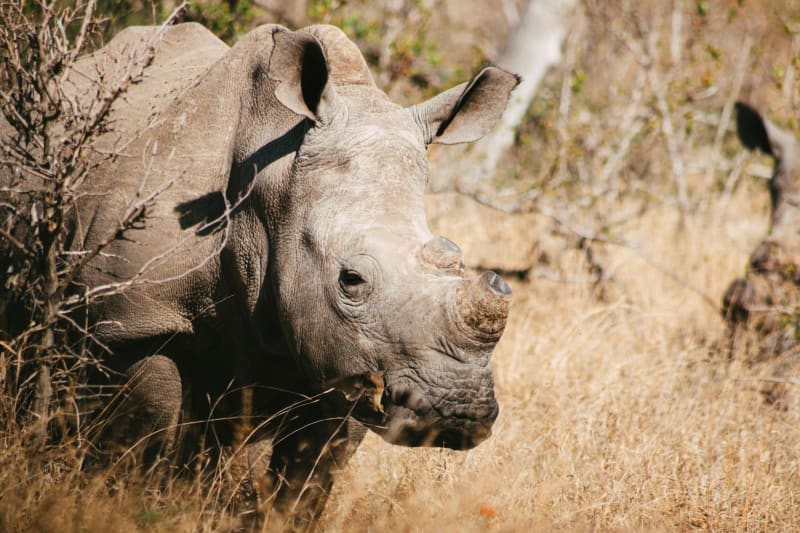
Hlane Royal National Park
Eswatini's wildest corner — white rhino, elephants, and lions without the safari circus.
Explore eswatini
Lubombo Mountains
The eastern escarpment that guards Eswatini's border with Mozambique — a basalt wall of views, walking trails, and silence with almost no visitors.
Explore eswatini
Malkerns Valley
The green valley where Swazi craft traditions and one of Africa's finest music festivals share the same red dirt roads.
Explore eswatini
Malolotja Nature Reserve
Wild, barely touched highland wilderness in the northwest — Eswatini's best walking country and one of the most biologically rich corners in the region.
Explore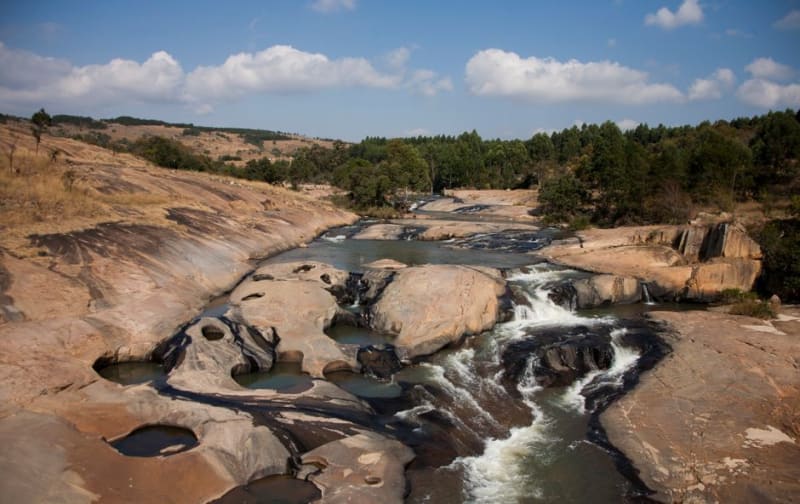 eswatini
Mantenga Falls
A waterfall tumbling through the Ezulwini Valley beside a living cultural village where I watched sibhaca dancing at dusk.
Explore eswatini
Manzini
Eswatini's commercial pulse — a market city where the real daily life of the country is openly on display.
Explore