Siteki
"I only meant to fill the tank in Siteki, and then the escarpment did that thing where the light turns orange and I couldn't leave."
A sleepy lowveld market town below the Lubombo escarpment where I stopped for petrol and stayed for the view.

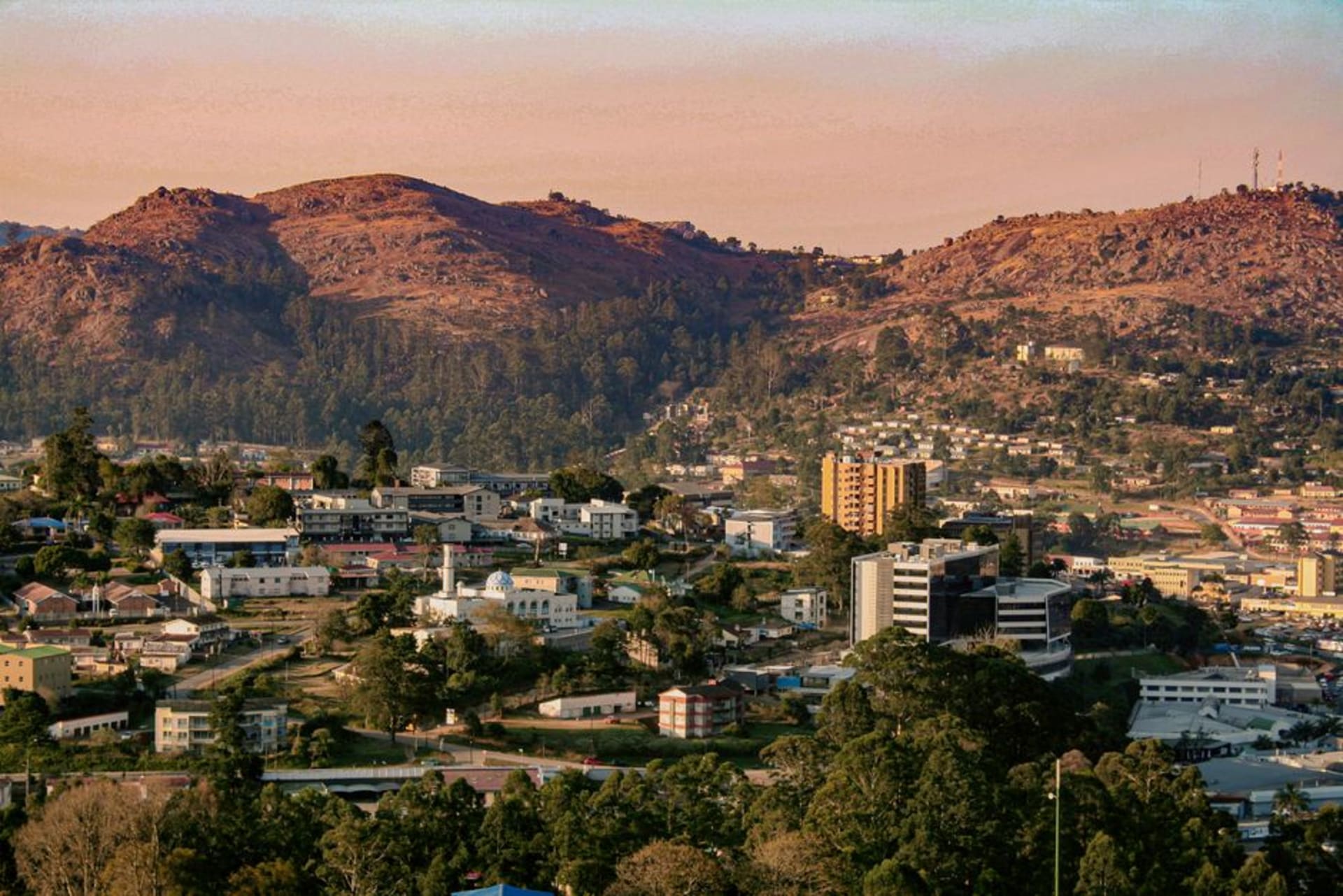
I hadn’t planned on stopping in Siteki at all. Lia and I were cutting across the eastern lowveld toward the Mozambique border post at Lomahasha, the kind of drive where you’re watching the fuel gauge more than the scenery, and Siteki is basically the last real town before things thin out. We pulled in for petrol and a cold drink, and ended up staying almost two hours because the light on the Lubombo escarpment behind the town had turned that deep orange that makes you forget you have somewhere to be.
The town itself is small and unhurried in a way that surprised me after the bustle of Manzini. There’s a main street with a handful of shops, a market where women were selling tomatoes and dried fish laid out on cloth, and taxis idling with their doors open, waiting for enough passengers to justify the trip. Nobody was in a rush. A man selling phone credit from a folding table asked where we were from, and when I said Mexico by way of France, he laughed and said he had a cousin in Texas, as if that settled something between us.

What stuck with me most was the escarpment itself. Siteki sits right at the base of the Lubombo range, that long ridge that runs north-south and marks the old border country between Eswatini and Mozambique, and from certain points in town you get this sudden view of the land dropping away toward the lowveld plains. Lia climbed onto the hood of the car to get a better angle for photos, which she denies now but I have proof. The escarpment isn’t dramatic in the way of a canyon or a mountain range with snow on it — it’s more of a long green wall, patched with rock outcrops, and it changes color completely depending on the hour.

We ate at a small roadside place that didn’t have a name I could find, just plastic chairs and a woman grilling chicken over coals, and it was some of the best food I had in Eswatini, better honestly than a few sit-down places we’d tried in Mbabane. I remember thinking that Siteki doesn’t try to be a destination, which is exactly why it worked on me. It’s a working town that happens to sit somewhere beautiful, and it doesn’t perform that beauty for visitors the way some places do.
When to go: The dry winter months from May to August give the clearest views of the escarpment and the most comfortable daytime temperatures for wandering the market.
Keep exploring
More from Eswatini
 eswatini
Ezulwini Valley
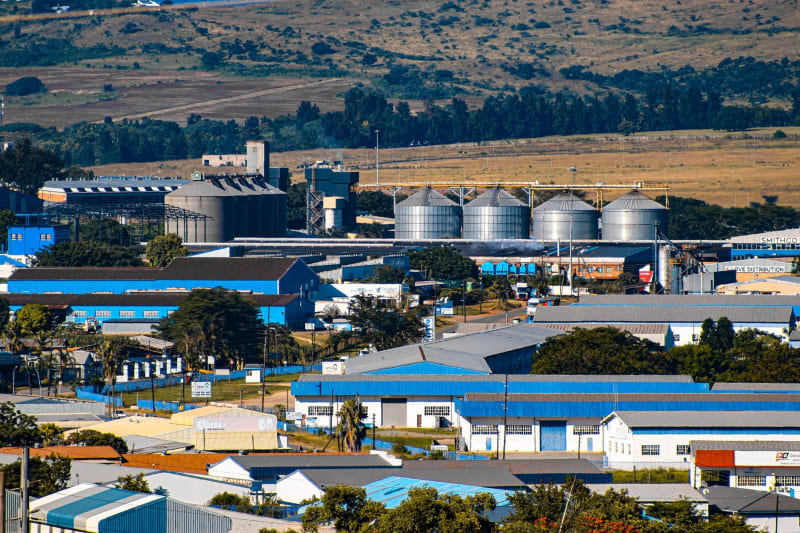
The Valley of Heaven — a wide, fertile corridor between Mbabane and Manzini that holds the country's cultural and royal heart.
Explore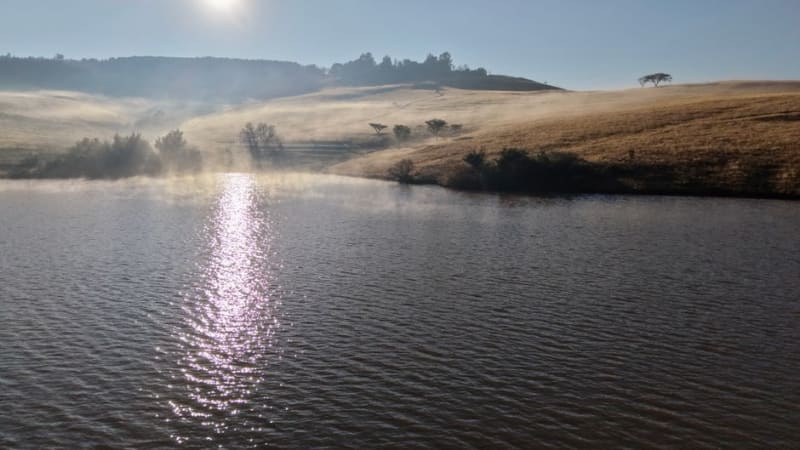 eswatini
Hawane Dam
A quiet reservoir and nature reserve north of Mbabane where I spent a slow morning watching birds I couldn't name.
Explore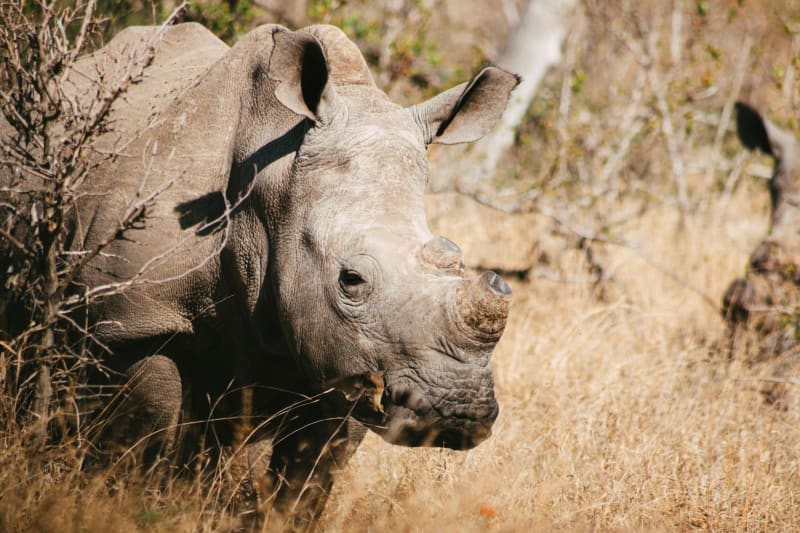 eswatini
Hlane Royal National Park
Eswatini's wildest corner — white rhino, elephants, and lions without the safari circus.
Explore eswatini
Lubombo Mountains
The eastern escarpment that guards Eswatini's border with Mozambique — a basalt wall of views, walking trails, and silence with almost no visitors.
Explore eswatini
Malkerns Valley
The green valley where Swazi craft traditions and one of Africa's finest music festivals share the same red dirt roads.
Explore eswatini
Malolotja Nature Reserve
Wild, barely touched highland wilderness in the northwest — Eswatini's best walking country and one of the most biologically rich corners in the region.
Explore