
Salinas
"It felt less like coastal Ecuador and more like Miami's much smaller, much friendlier cousin."
Ecuador's most polished beach resort town, a strip of high-rises and yacht clubs at the tip of the Santa Elena peninsula that functions as Guayaquil's weekend escape valve.

Salinas surprised me by how unlike the rest of coastal Ecuador it looked from the malecón — a curved bay lined with actual high-rise condo towers, a marina full of sport-fishing boats and small yachts, beach clubs with DJs and infinity pools angled toward the water. After weeks of dusty fishing villages further up the coast, arriving in Salinas felt like changing countries for an afternoon, which is more or less exactly its function for the Guayaquil residents who built it.
Guayaquil’s Weekend Reset
Salinas sits at the western tip of the Santa Elena peninsula, close enough to Guayaquil — about two hours by a good highway — that it operates essentially as that city’s beach suburb. On weekends and holidays, the population multiplies as guayaquileños arrive to open up condos and beach houses, and the energy shifts noticeably: restaurants fill, jet skis multiply, and the strip along Chipipe beach turns into a genuine scene. I went on a Tuesday specifically to avoid this and had a long, quiet stretch of sand almost to myself, which I’d recommend if the yacht-club atmosphere isn’t your priority.

Deep-Sea Fishing and Whale Watching
The waters off Salinas drop into deep, nutrient-rich currents that make it one of Ecuador’s better spots for sport fishing — marlin, tuna, and dorado all run within range of charter boats leaving the marina, and I met a group of Ecuadorian retirees who’d been running the same boat out of the same slip for over a decade, more relaxed about the whole enterprise than any serious fishing operation I’d seen elsewhere. The same coastal current brings humpback whales past Salinas during the same June-to-September season as Puerto Lopez further north, with charter operators running dedicated whale-watching trips at a noticeably higher price point but a shorter, more comfortable boat.
La Chocolatera
At the very tip of the peninsula, past the naval base, La Chocolatera marks the westernmost point of mainland Ecuador — a windswept rocky outcrop where the water genuinely churns brown and white against black volcanic rock, giving the point its name. Sea lions haul out on the rocks below, and on a clear day the ocean spray and wind make it feel a world away from the resort towers a few kilometers back down the peninsula.

When to go: December through April is Salinas’s high season — warmer water, more sun, bigger weekend crowds from Guayaquil. June through September brings whales and slightly rougher, cooler conditions, with noticeably fewer people on the beach on weekdays.
Keep exploring
More from Ecuador
 ecuador
 Sangay National Park
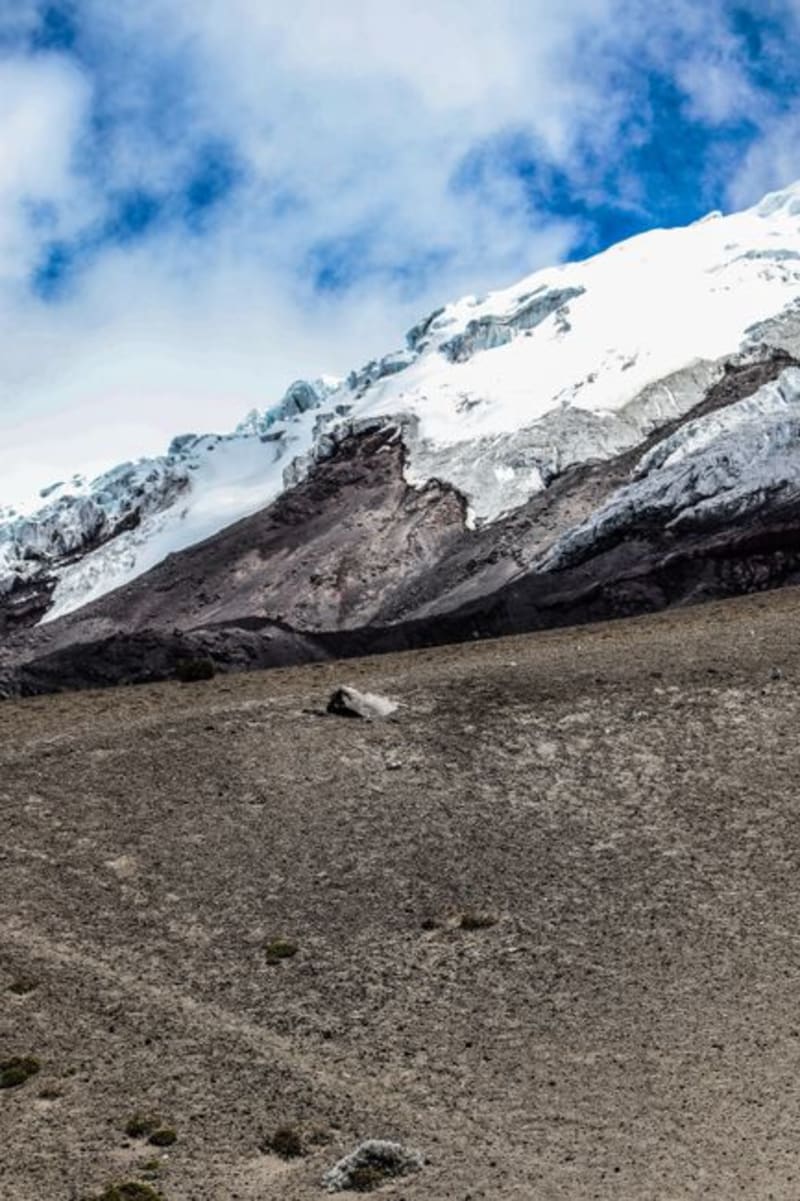
A UNESCO World Heritage wilderness holding one of the world's most continuously active volcanoes, a glacier-topped extinct one, and almost no infrastructure between them.
Explore ecuador
 Sumaco
A near-perfect volcanic cone rising alone out of unbroken Amazon rainforest, protected inside a biosphere reserve that gets a fraction of the visitors its more famous highland cousins do.
Explore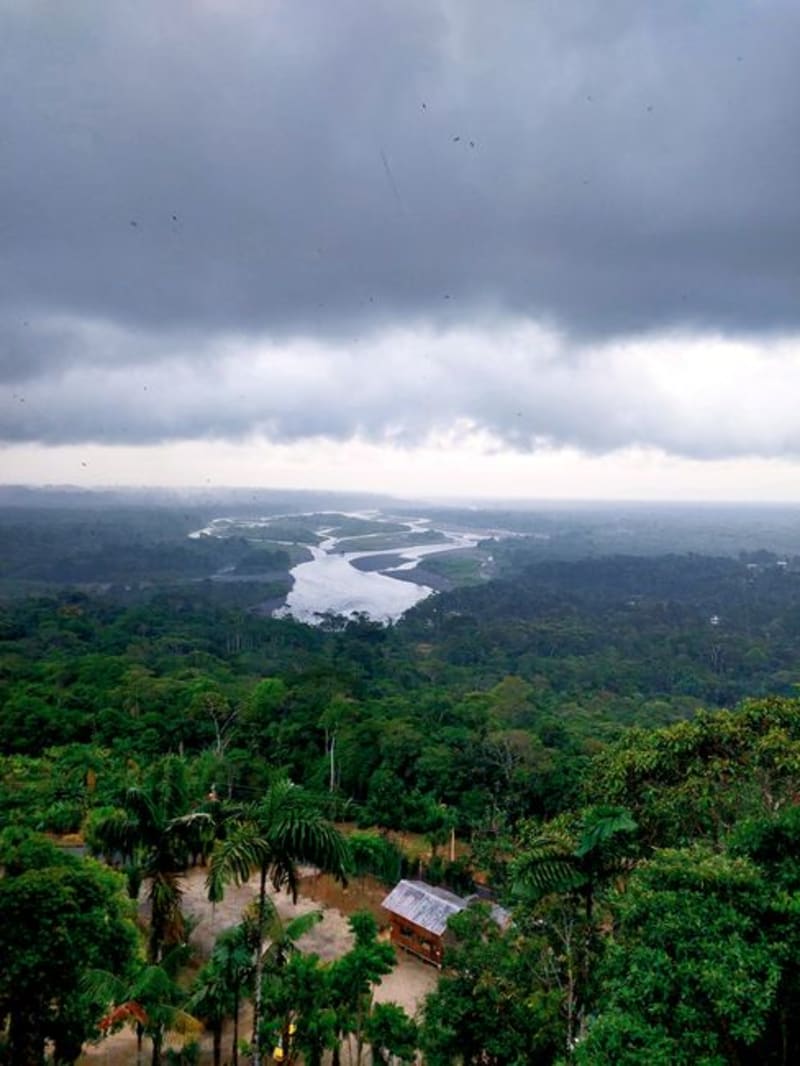 ecuador
 Tena
A jungle river town where whitewater rafting on the Jatunyacu and Misahualli rivers has become as central to the local economy as guayusa tea and cacao ever were.
Explore ecuador
 Vilcabamba
A valley in the far south of Ecuador that built its reputation on rumors of centenarians, and now runs on a slower clock than anywhere else I found in the Andes.
Explore ecuador
 Yasuni National Park
One of the most biodiverse places measured on Earth, a swath of Amazon rainforest in Ecuador's east where a single hectare can hold more tree species than all of North America.
Explore ecuador
 Zaruma
A gold-mining town built into a steep ridge in southern Ecuador, its wooden colonial balconies overhanging streets so narrow that traffic has to negotiate in advance.
Explore