
Tena
"I signed up for a two-hour float and ended up soaked, adrenalized, and drinking guayusa tea with the guides until midnight."
A jungle river town where whitewater rafting on the Jatunyacu and Misahualli rivers has become as central to the local economy as guayusa tea and cacao ever were.

Tena sits where two rivers, the Tena and the Pano, meet the larger Jatunyacu on their way to the Napo, and the town has built its entire identity around that confluence. Bridges cross the water every few blocks, kids jump from the pedestrian bridge into the current in the afternoon heat, and the main plaza has a low-key jungle-town energy that’s different from the more polished Amazon gateway towns further south.
Whitewater Capital of Ecuador
Tena’s real draw for most visitors is rafting and kayaking, and the reputation is earned — the Jatunyacu River, in particular, offers Class III and IV rapids through genuine rainforest with almost no development on the banks, a rarity for whitewater this accessible. I went out with a local outfit for a half-day trip, six of us in a raft with a guide who’d clearly run the same stretch hundreds of times and still yelled instructions with real enthusiasm. Between rapids, the river slows into long flat stretches where you can just float, watching parrots cross overhead and the jungle close in on both banks.

Guayusa, Cacao, and the Kichwa Communities Around Town
The region around Tena has been producing guayusa — a caffeinated holly leaf traditionally brewed by Kichwa communities before dawn as a ritual and energy source — long before it became an export product marketed abroad as a superfood tea. I visited a small family-run farm outside town where guayusa grows alongside cacao and yuca in a mixed system that looked more like managed forest than agriculture, and drank guayusa brewed the traditional way, dark and slightly smoky, while the farmer explained the plant’s role in community gatherings that start before sunrise and involve dream-sharing before anyone touches the fields.
Misahualli and the Monkey Plaza
A short drive from Tena, the smaller river town of Misahualli has a central plaza famous, for better or worse, for a resident troop of capuchin monkeys that raid unattended bags with real confidence. I lost half a sandwich to one within about four minutes of arriving, which the other people on the plaza treated as a completely normal and expected event. From Misahualli, motorized canoes head further down the Napo toward jungle lodges, a genuinely different pace from the adrenaline of the rivers around Tena itself.

When to go: Rafting runs year-round, but water levels are generally more reliable and rapids more consistently runnable from October through February. The wettest months, June through August, can bring higher, pushier water that experienced rafters actually seek out — check with outfitters on current conditions before booking.
Keep exploring
More from Ecuador
 ecuador
 Vilcabamba
A valley in the far south of Ecuador that built its reputation on rumors of centenarians, and now runs on a slower clock than anywhere else I found in the Andes.
Explore ecuador
 Yasuni National Park
One of the most biodiverse places measured on Earth, a swath of Amazon rainforest in Ecuador's east where a single hectare can hold more tree species than all of North America.
Explore ecuador
 Zaruma
A gold-mining town built into a steep ridge in southern Ecuador, its wooden colonial balconies overhanging streets so narrow that traffic has to negotiate in advance.
Explore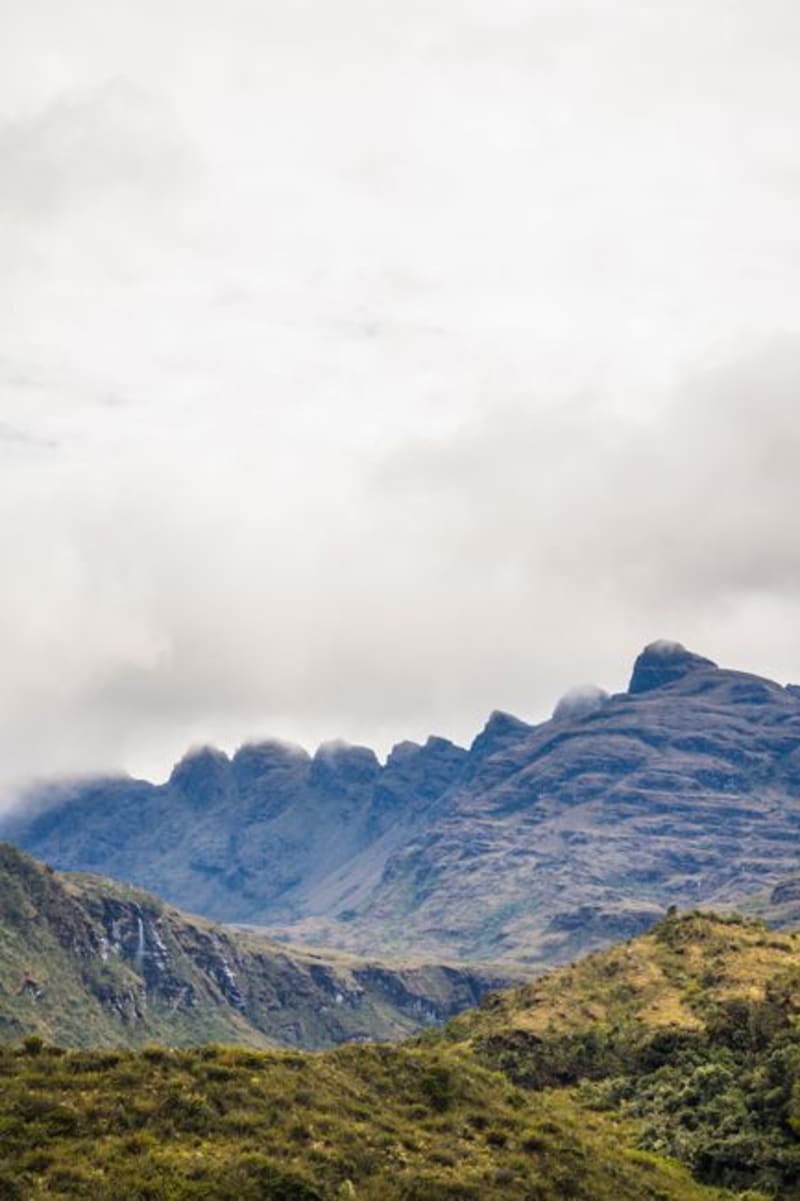 ecuador
 Alausi
A small Andean railway town built on a ledge above a gorge, best known as the starting point for the Nariz del Diablo train's switchback descent down a near-vertical cliff face.
Explore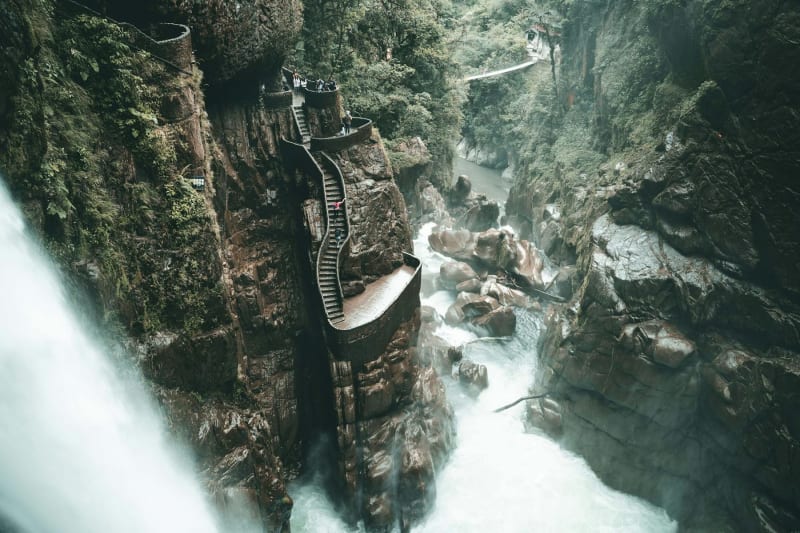 ecuador
 Banos de Agua Santa
The swing at the end of the world, taffy pulled on every corner, and an active volcano looming overhead.
Explore ecuador
 Cajas National Park
A high-altitude páramo above Cuenca with 235 lakes at 4,000m, where polylepis trees grow in twisted groves between the glacial lakes.
Explore