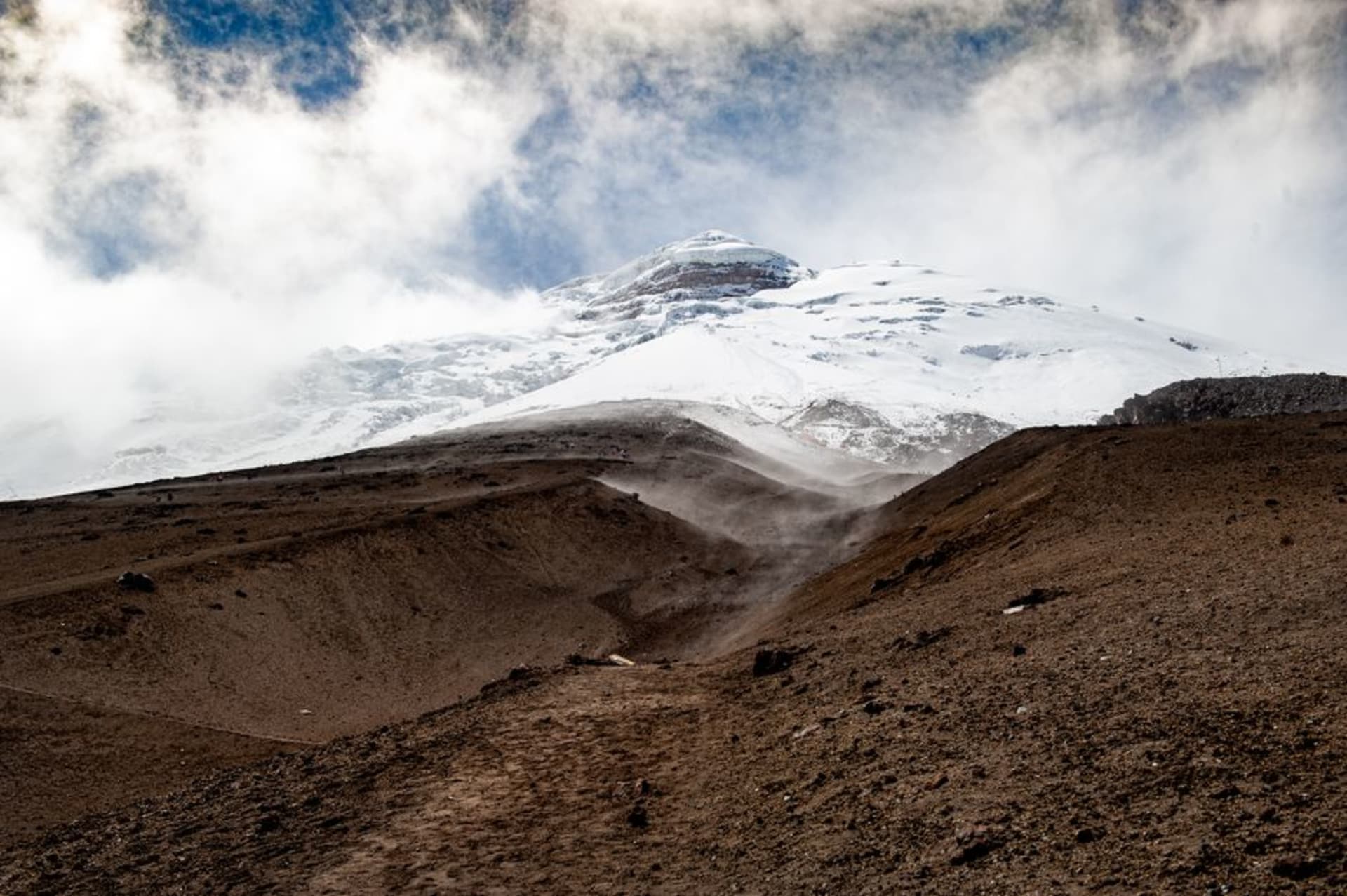
Sangay National Park
"There's no easy way into Sangay, and that turns out to be exactly the point of it."
A UNESCO World Heritage wilderness holding one of the world's most continuously active volcanoes, a glacier-topped extinct one, and almost no infrastructure between them.

Sangay National Park doesn’t make itself convenient, and I mean that almost as a compliment. Unlike Cotopaxi, an hour from Quito with a paved road most of the way to the refuge, Sangay’s roughly 500,000 hectares span an elevation range from Amazon lowland rainforest to glaciated peaks above 5,000 meters with very little road access connecting any of it, which is a large part of why UNESCO designated it a World Heritage Site and why it still feels genuinely wild in a way some of Ecuador’s more visited parks no longer quite do.
El Altar, the Volcano That Collapsed
My actual destination was El Altar, an extinct volcano whose summit collapsed inward long ago, leaving a jagged circle of nine glaciated peaks around a crater lake, Laguna Amarilla, milky turquoise from glacial sediment. Reaching the standard viewpoint means a full day’s hike up through the Collanes valley — cattle-grazed páramo, waterfalls dropping off the valley walls, the peaks themselves staying stubbornly hidden in cloud for most of my approach and then, with almost theatrical timing, clearing completely about twenty minutes before I reached camp. I stood there for close to an hour just looking at it, cold and slightly dazed by the altitude, unwilling to be the one who turned around first.

Sangay Itself, Still Active
The volcano that lends the park its name sits deeper inside, far less accessible, and remains one of the most persistently active volcanoes in the world, in a state of near-continuous mild eruption for decades. I didn’t attempt it — access requires serious logistics, permits, and current activity monitoring, and it’s not a casual add-on to an El Altar trip — but even from the Collanes valley, on a clear night, a faint orange glow was occasionally visible on the horizon in Sangay’s direction, a reminder of what the park’s name actually refers to.
A Park That Asks More of You
Between limited infrastructure, unpredictable weather, and genuine remoteness, Sangay is not a park that rewards a rushed day trip the way some others do. I went with a local guide from Riobamba who knew the Collanes route, camped two nights, and came away thinking this was the closest I got in Ecuador to a landscape that hadn’t been substantially arranged for visitors — which, after weeks of well-signed trails elsewhere, felt like the point.

When to go: November through February offers the best odds of clear views of El Altar, though weather here is genuinely unpredictable in any month. Go with an experienced local guide — trail markings are minimal and conditions change fast at altitude.
Keep exploring
More from Ecuador
 ecuador
 Sumaco
A near-perfect volcanic cone rising alone out of unbroken Amazon rainforest, protected inside a biosphere reserve that gets a fraction of the visitors its more famous highland cousins do.
Explore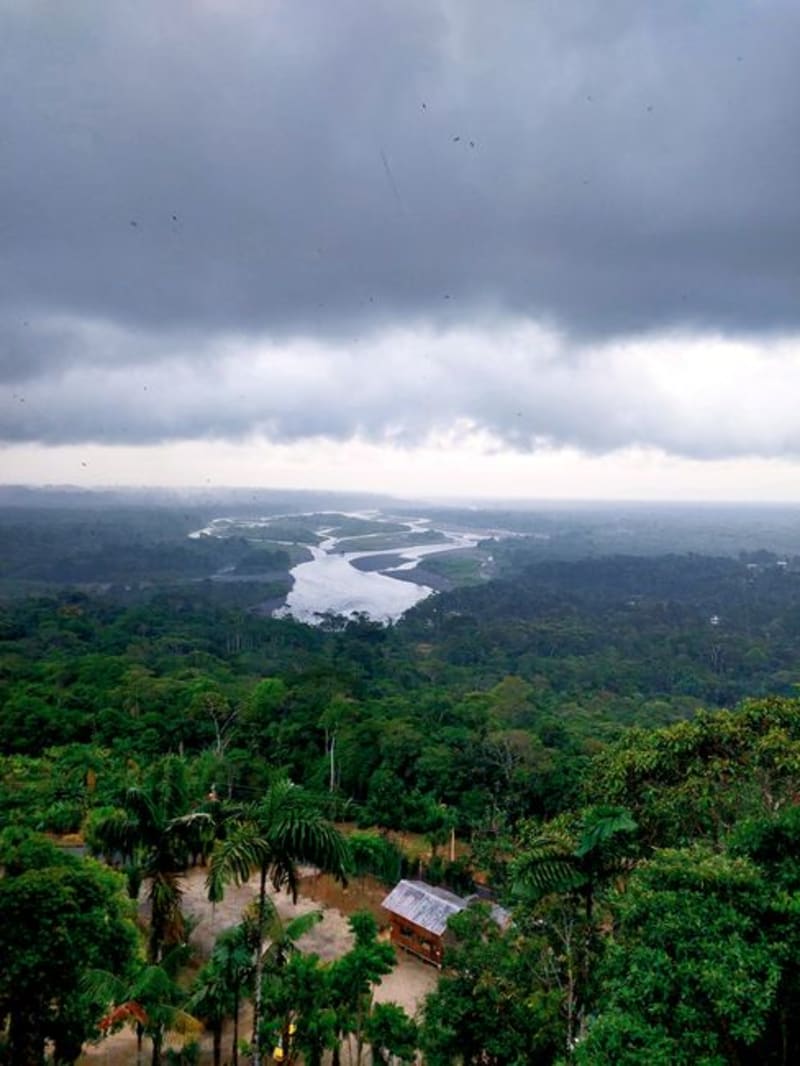 ecuador
 Tena
A jungle river town where whitewater rafting on the Jatunyacu and Misahualli rivers has become as central to the local economy as guayusa tea and cacao ever were.
Explore ecuador
 Vilcabamba
A valley in the far south of Ecuador that built its reputation on rumors of centenarians, and now runs on a slower clock than anywhere else I found in the Andes.
Explore ecuador
 Yasuni National Park
One of the most biodiverse places measured on Earth, a swath of Amazon rainforest in Ecuador's east where a single hectare can hold more tree species than all of North America.
Explore ecuador
 Zaruma
A gold-mining town built into a steep ridge in southern Ecuador, its wooden colonial balconies overhanging streets so narrow that traffic has to negotiate in advance.
Explore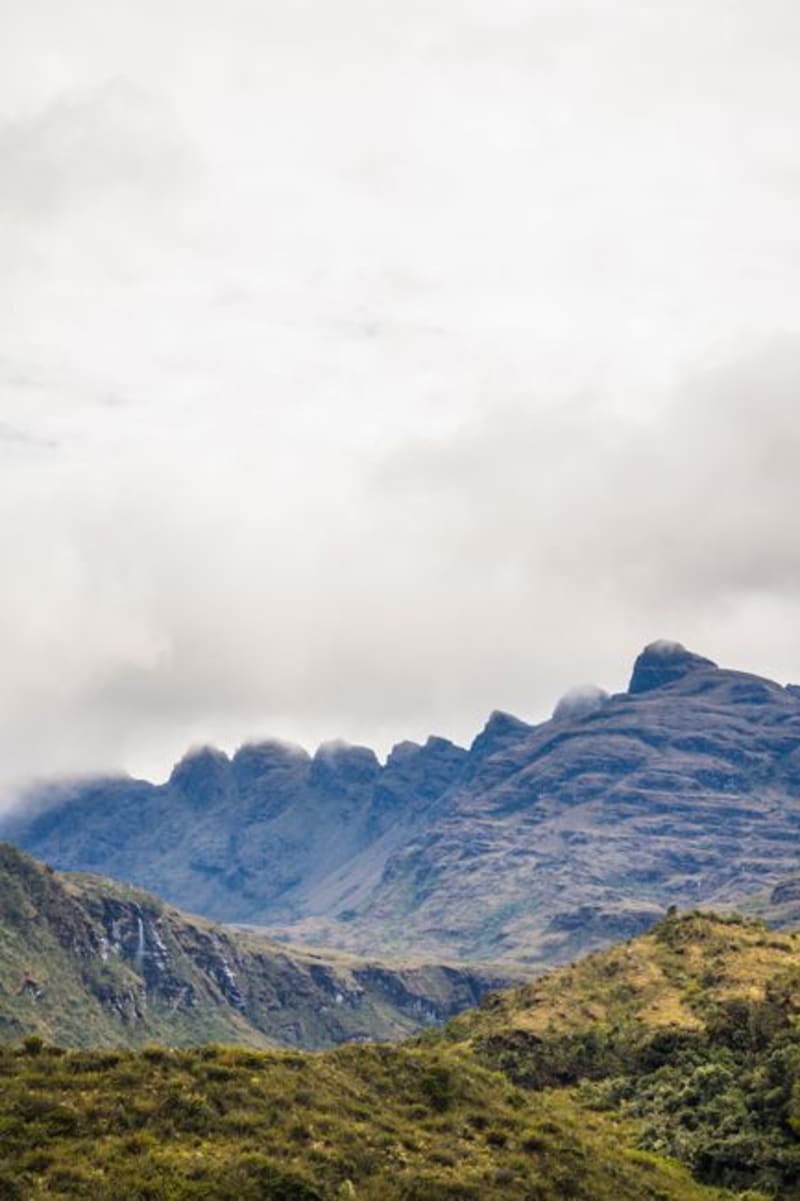 ecuador
 Alausi
A small Andean railway town built on a ledge above a gorge, best known as the starting point for the Nariz del Diablo train's switchback descent down a near-vertical cliff face.
Explore