Puyo
"I walked fifteen minutes from my hostel's front desk and was standing under jungle canopy with no sense of having left a city at all."
A humid provincial capital where the paved streets of the Andean foothills simply stop and the Amazon begins, without much of a transition in between.
Puyo sits at the edge of Pastaza province, at a lower, warmer elevation than the Andean towns I’d been passing through for weeks, and the change in air is the first thing you notice — thick, humid, smelling faintly of wet vegetation even in the paved center of town. This is the unofficial capital of Ecuador’s Amazon region, self-described as the puerta de entrada, the gateway, and it earns the title mostly by being the last real city before the rainforest simply takes over.
A City the Jungle Never Quite Left
What surprised me about Puyo was how little separation there was between “city” and “jungle.” A fifteen-minute walk from the central plaza brought me to the edge of genuine forest, and several of the city’s own parks are essentially maintained patches of rainforest rather than manicured green space — the Jardín Botánico Las Orquídeas, a small family-run botanical garden inside the urban area, packs in hundreds of orchid species and medicinal plants that the owner, an elderly man who’s spent decades collecting them, walked me through with an encyclopedic, unhurried enthusiasm that made the hour feel much shorter than it was.
Omaere and the Canopy Walk
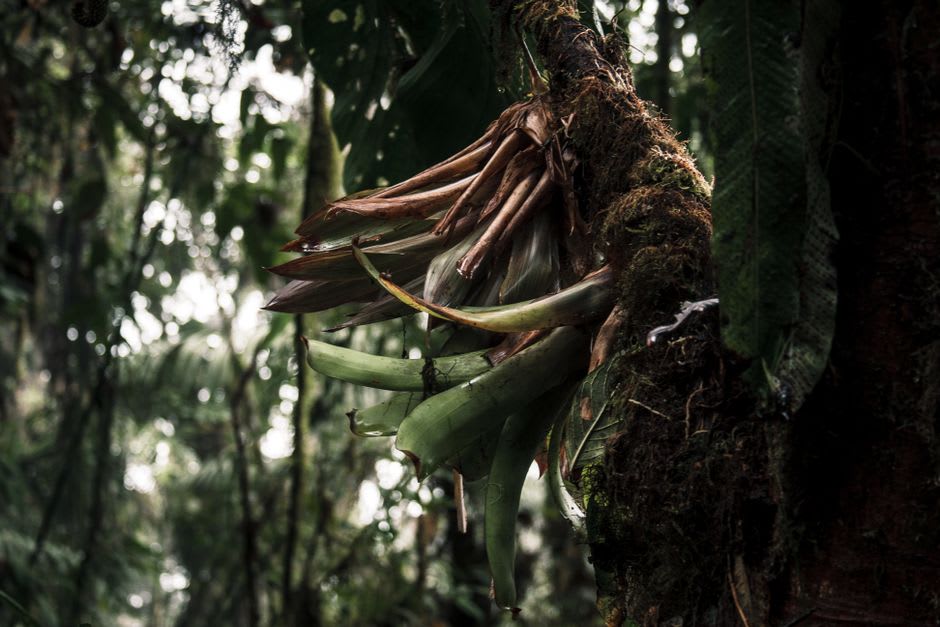
The Omaere Ethnobotanical Park, right at the edge of downtown along the Puyo River, is run by Waorani and other Amazonian community members and combines a genuine slice of primary-feeling forest with an elevated canopy walkway that puts you level with epiphytes and the occasional startled bird rather than looking up at them from the ground. A guide from the community walked our small group through, pointing out plants used for everything from snake-bite treatment to dye, before we crossed a hanging bridge over the river that swayed enough to make everyone go quiet for a few seconds.
Base Camp for Deeper Amazon Trips
Puyo functions well as a jumping-off point for trips further into Pastaza province — indigenous-run lodges, waterfalls, and rivers accessible by rougher roads that fan out from the city in every direction except the one leading back to the mountains. I used it exactly this way, spending two nights in town bookending a longer excursion to a community-run lodge a few hours further into the forest, and appreciated having real infrastructure — decent hotels, real restaurants, a hospital — as a base before and after the rougher stretch.
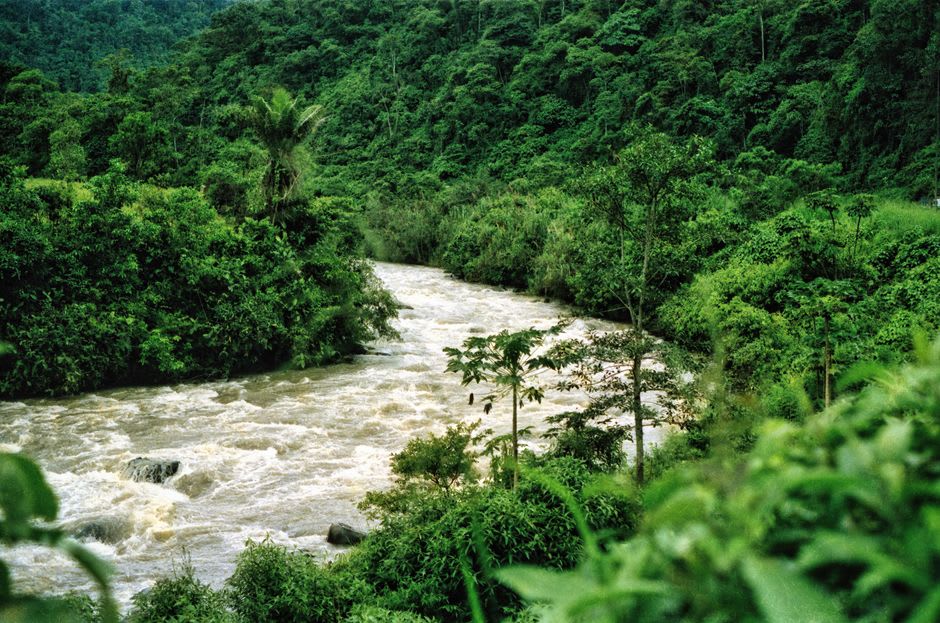
When to go: Puyo is warm and humid year-round with rain likely in any month; slightly drier stretches occur from August through January. It’s a comfortable, practical base for Amazon excursions regardless of season, given its genuine city infrastructure.
Keep exploring
More from Ecuador
 ecuador
 Quilotoa
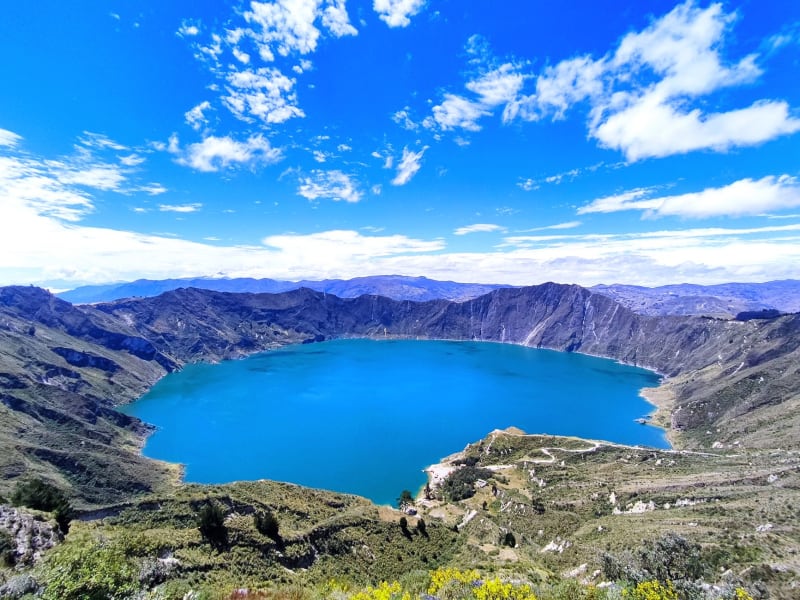
A collapsed volcano filled with a crater lake of improbable green, sitting at the end of a four-day walk through indigenous villages that most travelers skip entirely.
Explore ecuador
 Quito
The world's best-preserved colonial center sits at 2,850m surrounded by snowy Andean volcanoes.
Explore ecuador
 Salinas
Ecuador's most polished beach resort town, a strip of high-rises and yacht clubs at the tip of the Santa Elena peninsula that functions as Guayaquil's weekend escape valve.
Explore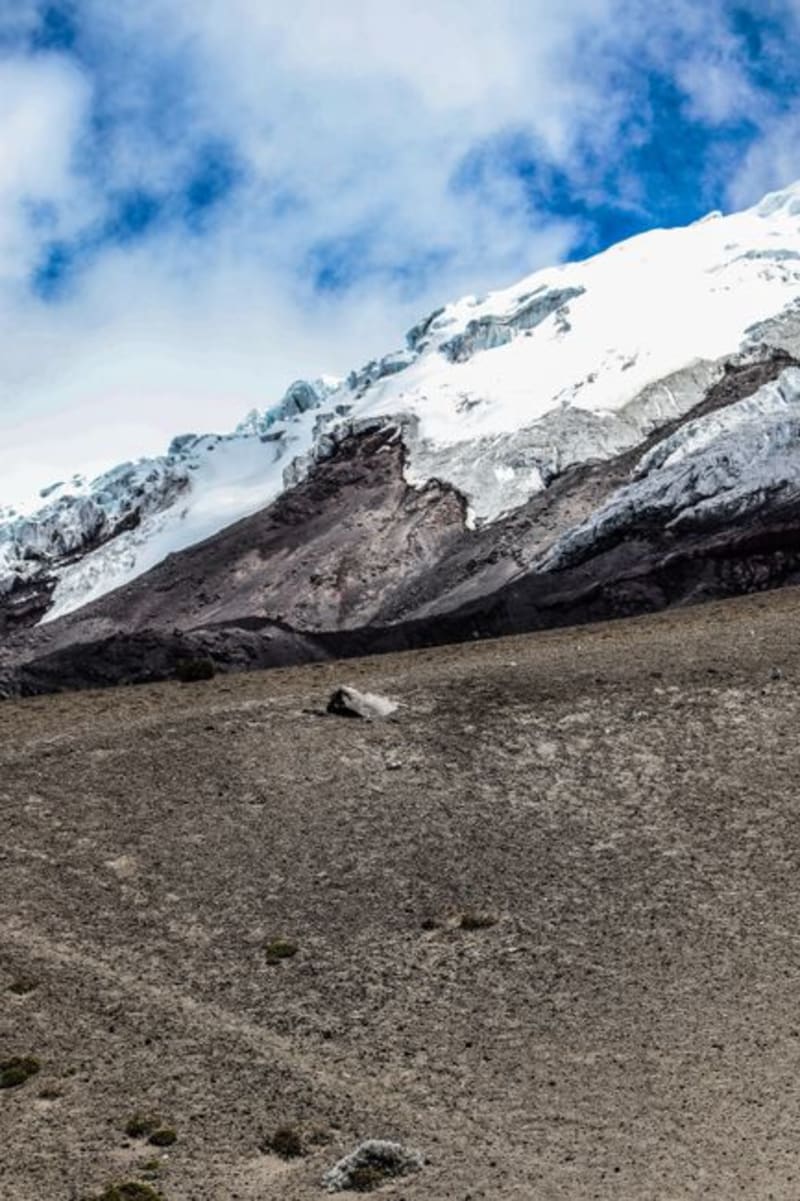 ecuador
 Sangay National Park
A UNESCO World Heritage wilderness holding one of the world's most continuously active volcanoes, a glacier-topped extinct one, and almost no infrastructure between them.
Explore ecuador
 Sumaco
A near-perfect volcanic cone rising alone out of unbroken Amazon rainforest, protected inside a biosphere reserve that gets a fraction of the visitors its more famous highland cousins do.
Explore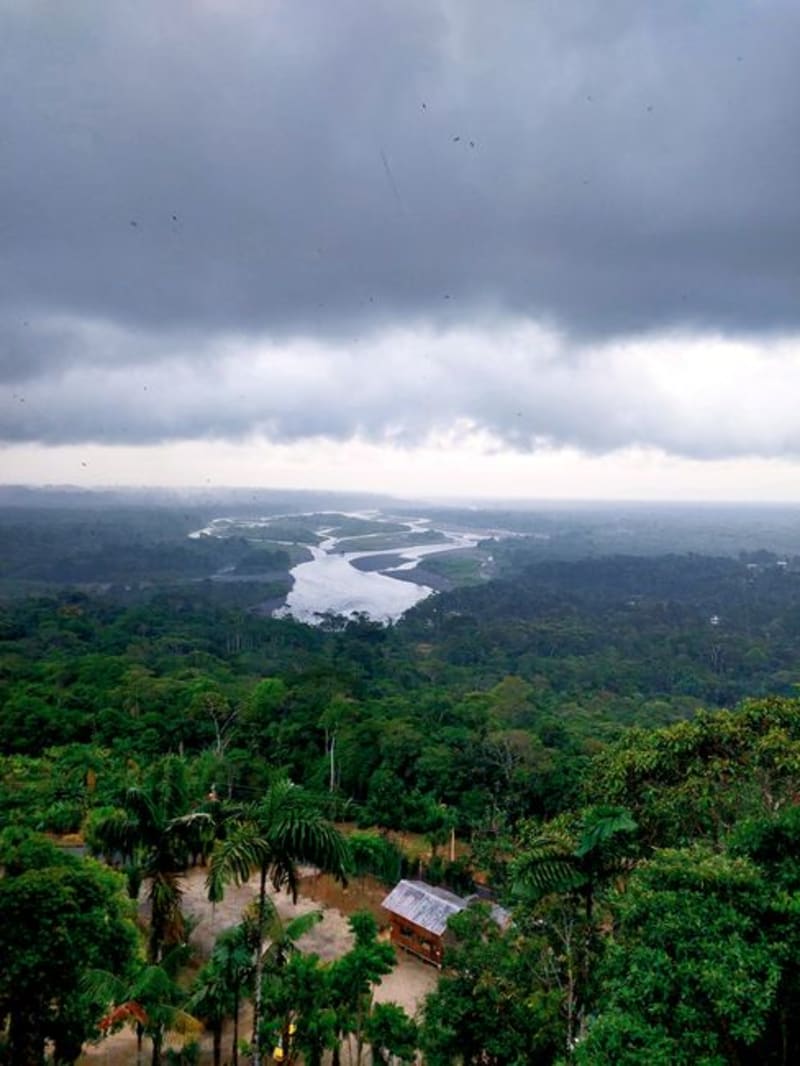 ecuador
 Tena
A jungle river town where whitewater rafting on the Jatunyacu and Misahualli rivers has become as central to the local economy as guayusa tea and cacao ever were.
Explore