
Silkeborg
"Lia rented a kayak for an hour and came back two and a half hours later, sunburned and grinning, having completely lost track of time."
A quiet Jutland town threaded between lakes and pine forest, where paddle-steamers still cross the water and cyclists outnumber cars.

Silkeborg doesn’t announce itself the way Copenhagen or Aarhus does. We came in from the east on a rented bike, following a lakeside path that kept disappearing into pine trees and popping back out beside water so still it looked lacquered, and it took me a while to register that the town was basically built inside a lake district. Jutland’s so-called Lake Plateau isn’t dramatic in any alpine sense — the hills top out at maybe a hundred and forty metres — but the sheer density of lakes and forest packed around this one unassuming town caught me completely off guard.
The center itself is modest: a pedestrian shopping street, a handful of good bakeries, the Silkeborg Museum where Tollund Man is kept, preserved so well in the local bog that you can still make out the stubble on his chin from a death more than two thousand years old. I’ll admit that’s the thing that got me to detour here in the first place — I’d read about the bog bodies years ago and never quite believed the preservation was real until I was standing in front of one, close enough to see the rope still knotted around his neck.

But it’s the water that makes Silkeborg worth slowing down for. There’s a paddle steamer, Hjejlen, that’s been running tourist routes across the lakes since 1861 — genuinely the oldest operating coal-fired paddle steamer in the world, apparently — and it chugs out toward Himmelbjerget, one of Denmark’s “highest” points, which sounds absurd until you remember this is a country where a hundred and forty metres counts as a mountain. We took the boat one way and cycled back along the shore, and it might have been my favorite few hours in Denmark, no single big sight to point at, just water and pine and the slow put-put of an old steam engine.

We stayed two nights at a small guesthouse near the water and ate more rye bread with pickled herring than I probably needed to, which is to say the trip felt properly Danish in a way some of the bigger cities, chasing design-store aesthetics, don’t always manage. Silkeborg isn’t trying to impress anyone. That’s exactly why it worked on me.
When to go: Visit between May and September when the Hjejlen steamer runs its full schedule and the lakes are warm enough to swim in — the forest color in autumn is lovely too, but several boat routes shut down by October.
Keep exploring
More from Denmark
 denmark
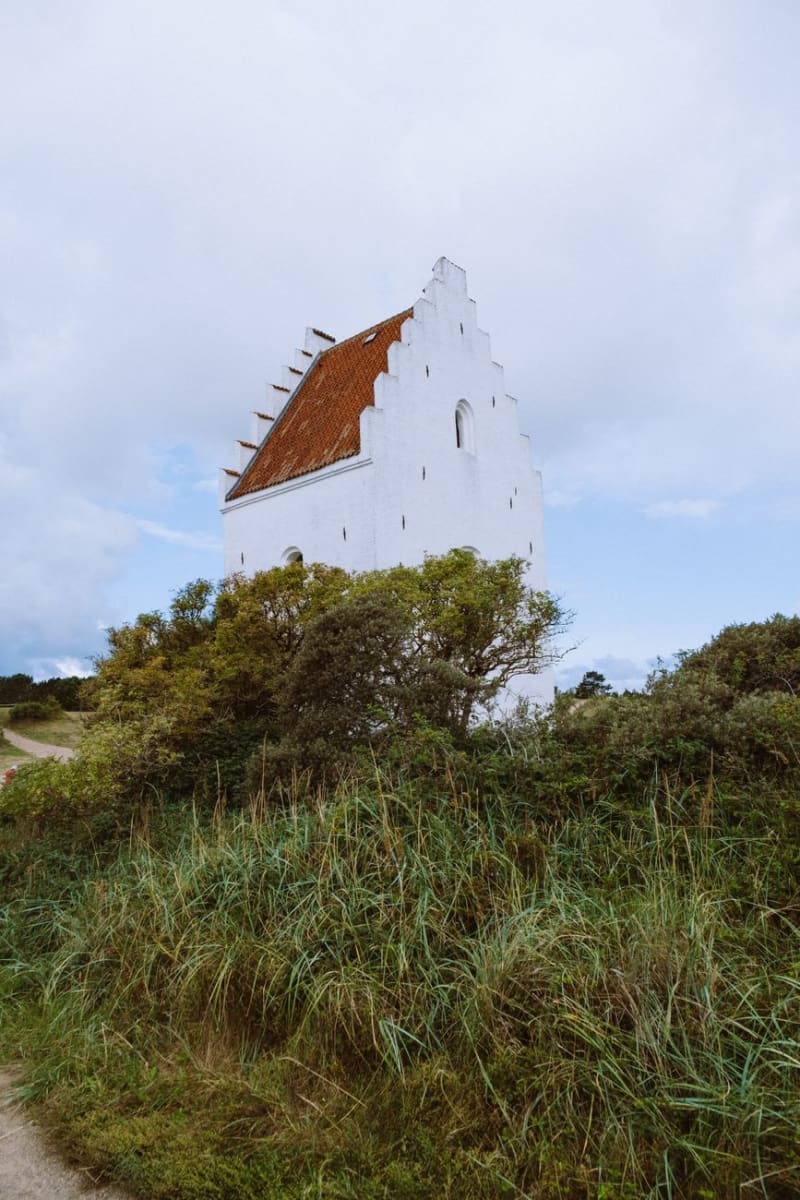
Skagen
Denmark's northernmost town where two seas collide, the light turns golden, and the sand dunes swallow churches.
Explore denmark
Aalborg
Denmark's overlooked northern city, where a reborn waterfront, a Renaissance merchant's mansion, and one of the country's wildest party streets sit side by side without apology.
Explore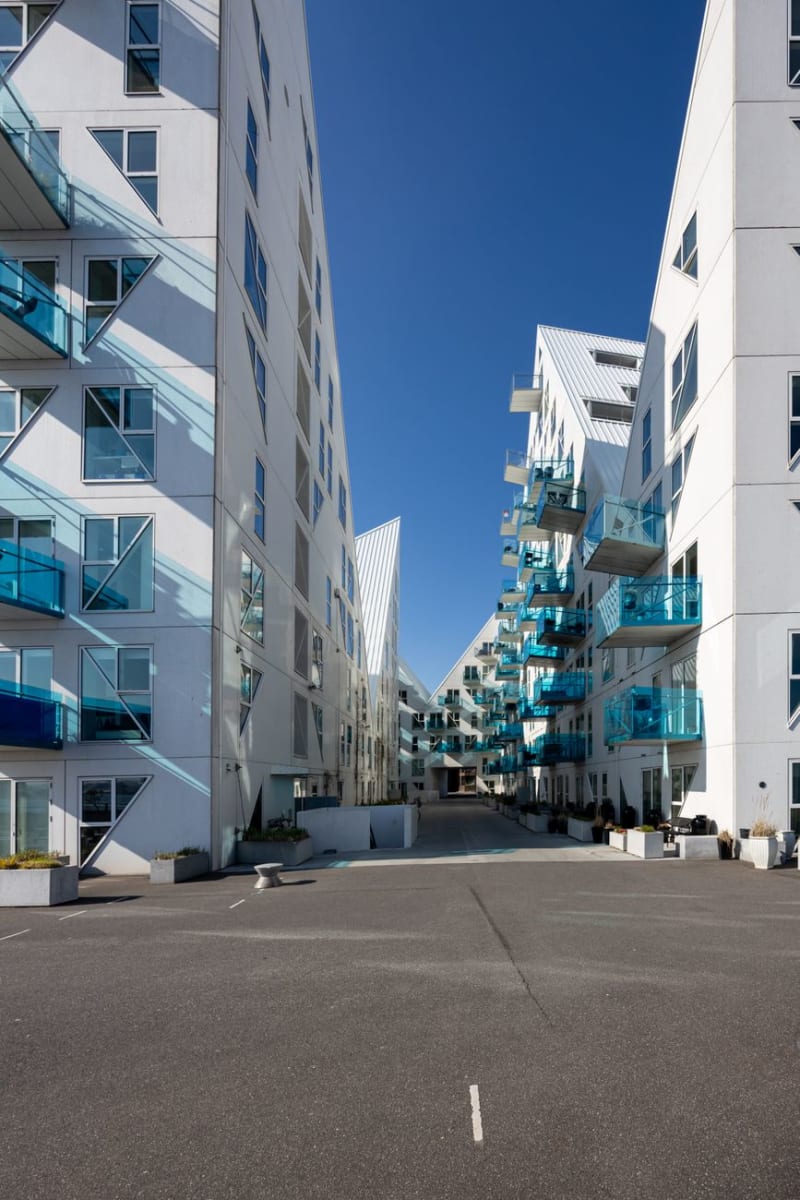 denmark
Aarhus
Denmark's second city with a Viking past, a world-class art museum, and a food scene that rivals the capital.
Explore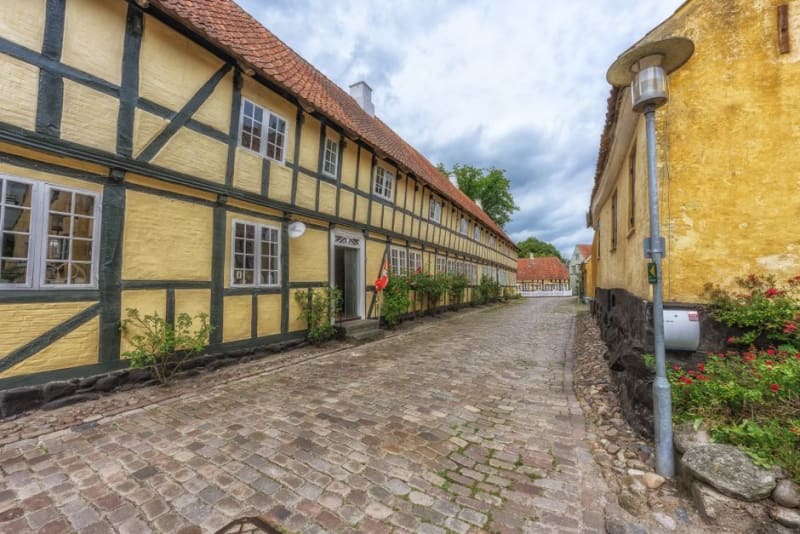 denmark
Aeroe
A slow-paced Danish island of cobbled lanes, crooked half-timbered houses, and old wooden sailing ships still moored in the harbor.
Explore denmark
Bornholm
A Baltic island of round churches, smoked herring, and art studios where the light inspired a movement.
Explore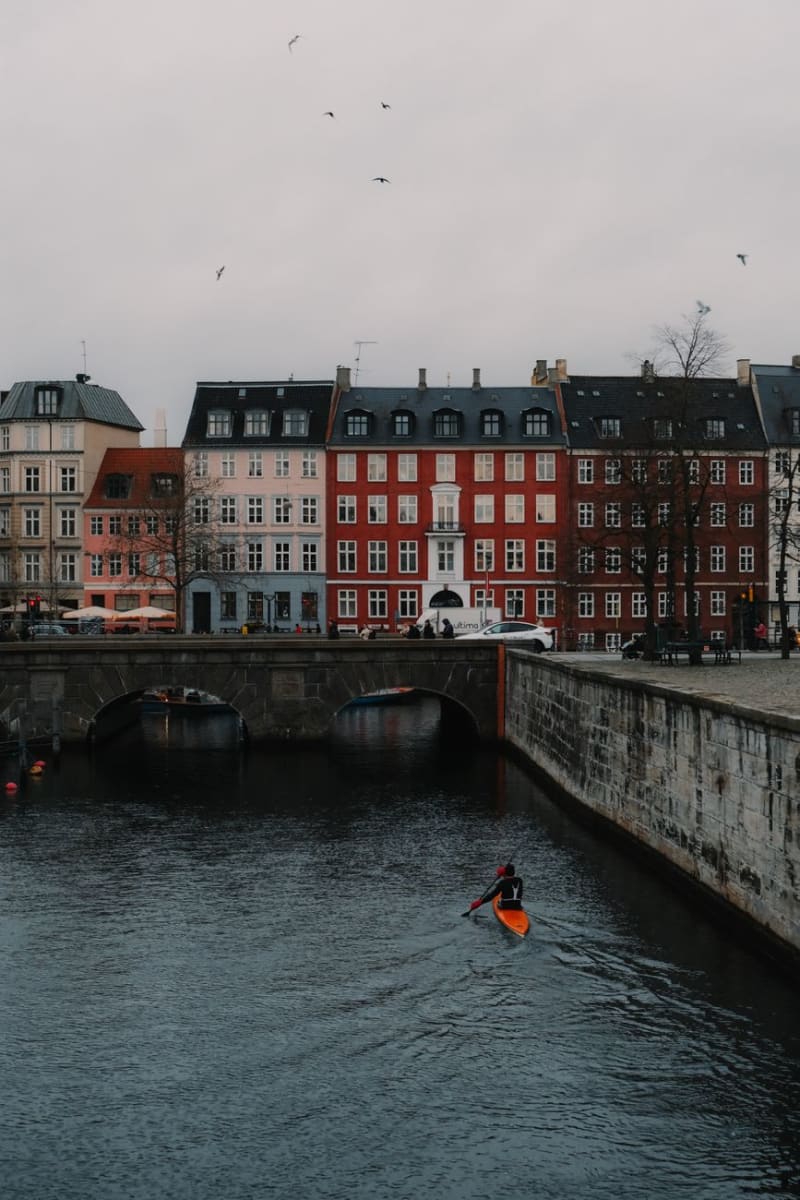 denmark
Copenhagen
A cycling capital of canals, colourful harbours, and New Nordic cuisine that redefined how the world thinks about Scandinavian food.
Explore