Aeroe
"Lia said Aeroskobing looked like a film set, and then we found out it's genuinely been used as one, which somehow made it feel more real, not less."
A slow-paced Danish island of cobbled lanes, crooked half-timbered houses, and old wooden sailing ships still moored in the harbor.

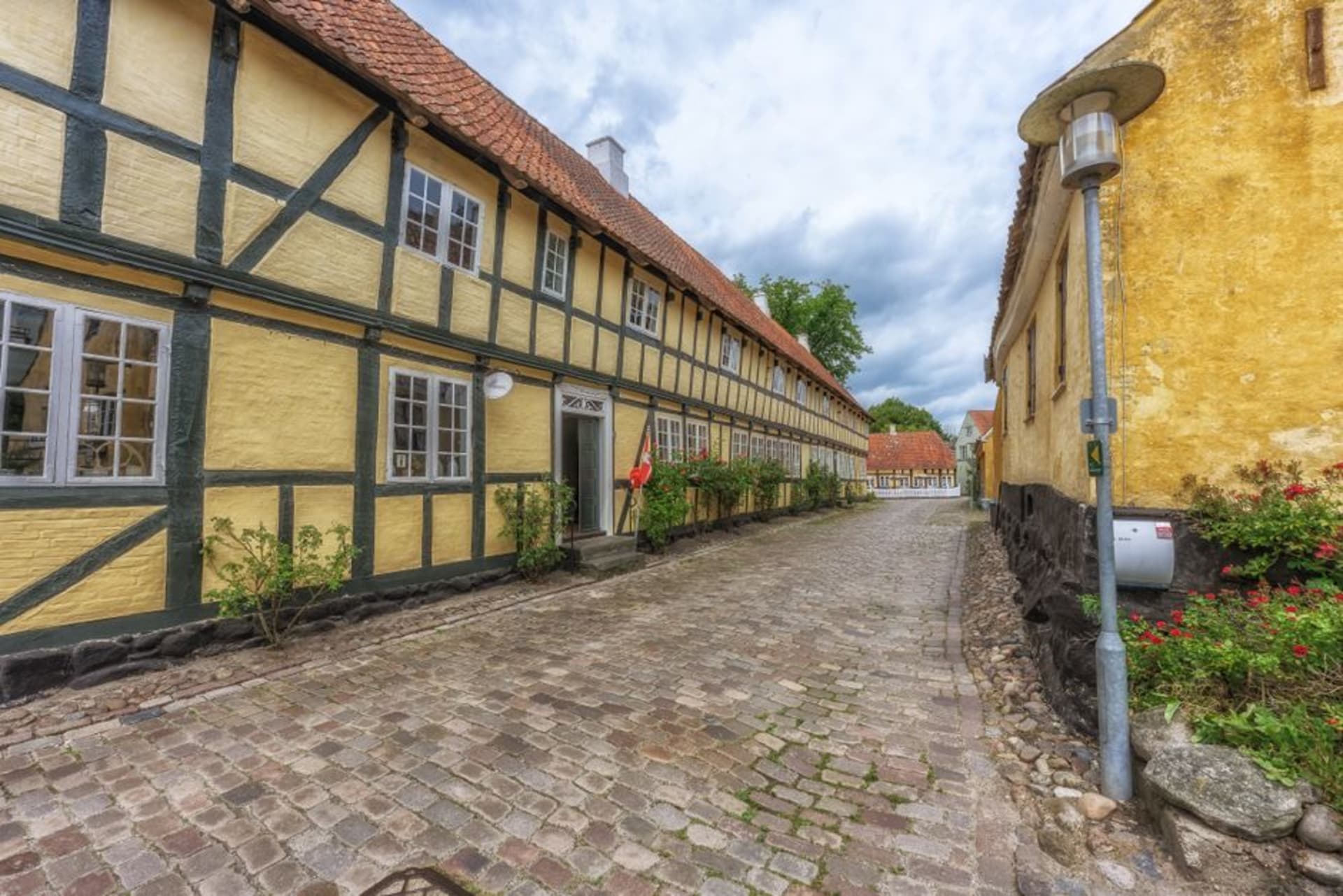
We took the ferry to Ærø almost on a whim, one of those decisions made over breakfast in Svendborg because the crossing was short and the weather looked decent. An hour later we were walking off the boat into Ærøskøbing, and it’s one of the only times in Denmark I actually said “oh, wow” out loud, unprompted, which isn’t really my style. The whole town center is protected — cobbled streets barely wide enough for two people to pass, façades in ochre and dusty pink and pale blue, doorways with carved lintels dating back to the 1600s. It felt less like a town and more like a very well-kept museum that people happened to still live in.
What struck me was how lived-in it actually was despite that museum quality — laundry on lines behind the pretty houses, a kid on a bike weaving down the cobbles, an old man sweeping his own stretch of sidewalk with real irritation at a scattering of leaves. We wandered without much of a plan for an hour, ducking into a tiny bottle-ship museum where a local sailor apparently built hundreds of ships-in-bottles over his lifetime, each one absurdly, obsessively detailed.

Down at the harbor, that’s where the island’s sailing history really shows itself — Ærø still has a small fleet of traditional wooden ships, including a couple of genuine old schooners that take passengers out for day sails in summer. We didn’t book one in time, which I regret a little, but we watched a crew of maybe six hauling on rigging to get one underway, all canvas and creaking wood, no engine noise at all, and it was strangely moving to watch something that unhurried happen in a working harbor.

We rented bikes for the afternoon and rode out past thatched farmhouses toward Voderup Klint, a set of grassy terraced cliffs on the island’s south coast that look almost sculpted, like giant green steps down to the water. There was nobody else there. We sat and ate rugbrød sandwiches we’d bought that morning and I remember thinking that Ærø might be the most purely charming place we’d found in Denmark, precisely because nothing about it felt built for us.
When to go: Come between June and August for the wooden ships’ sailing schedule and warm enough weather to bike the island properly — outside summer, ferries run less often and several small museums close.
Keep exploring
More from Denmark
 denmark
Bornholm
A Baltic island of round churches, smoked herring, and art studios where the light inspired a movement.
Explore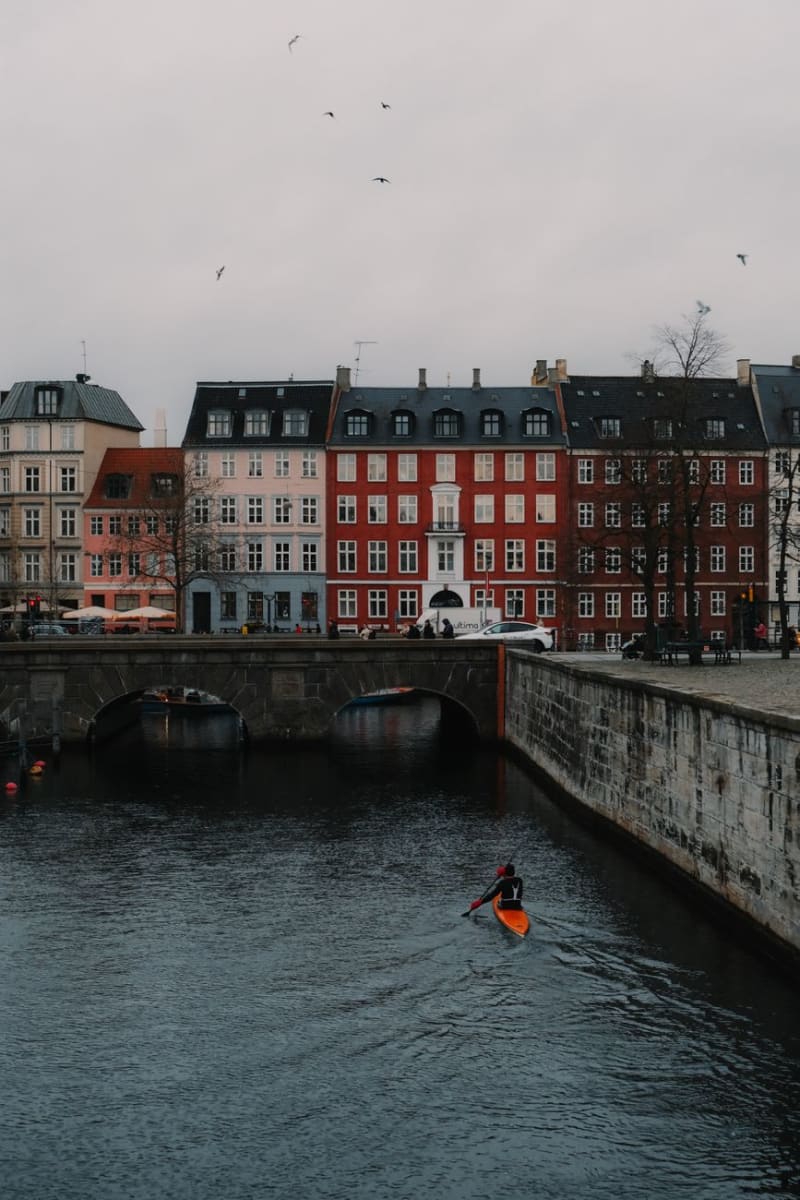 denmark
Copenhagen
A cycling capital of canals, colourful harbours, and New Nordic cuisine that redefined how the world thinks about Scandinavian food.
Explore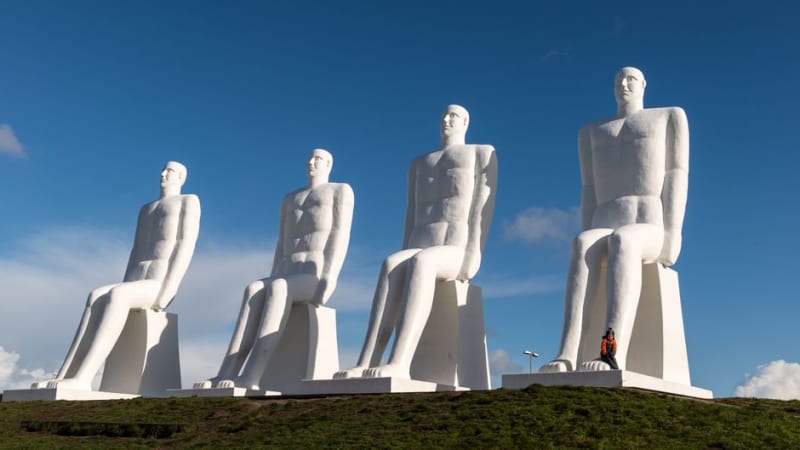 denmark
Esbjerg
A working North Sea port softened by four giant white figures staring out to sea, and windswept beaches most visitors never think to find.
Explore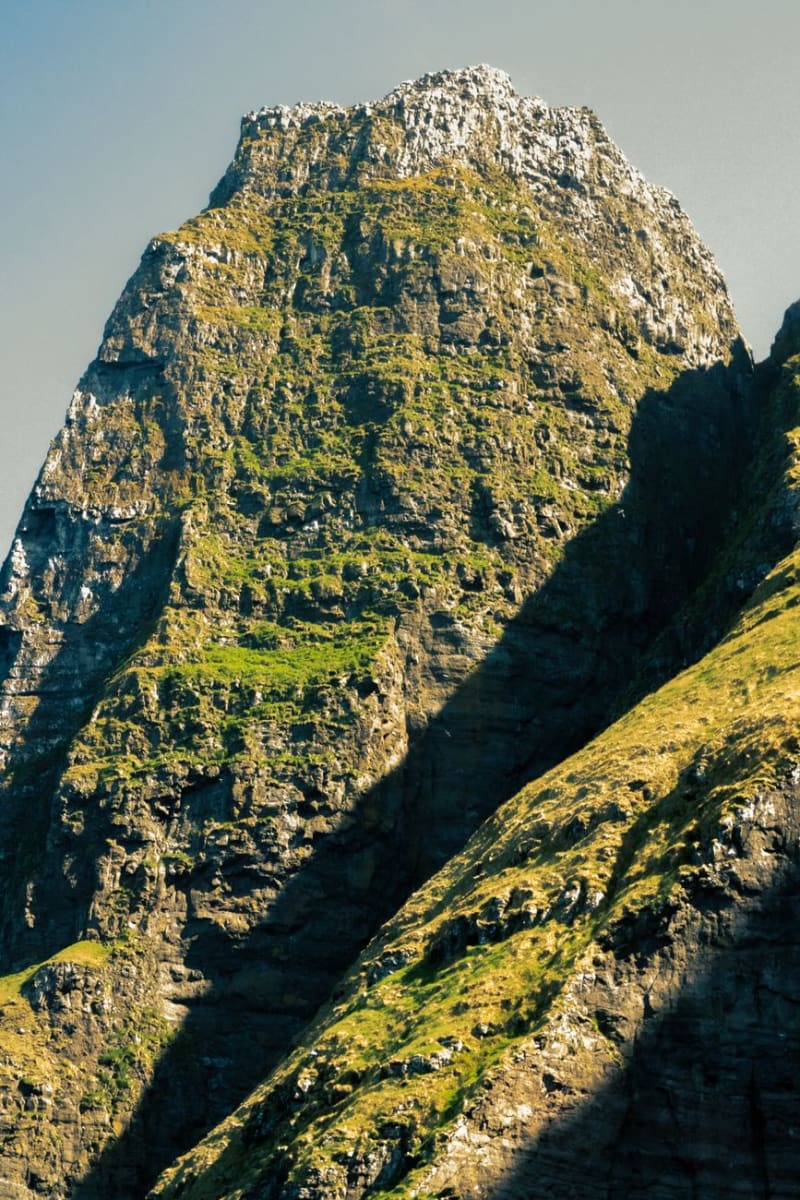 denmark
Faroe Islands
Eighteen volcanic islands in the North Atlantic where grass-roofed villages cling to cliffs above a sea that never rests.
Explore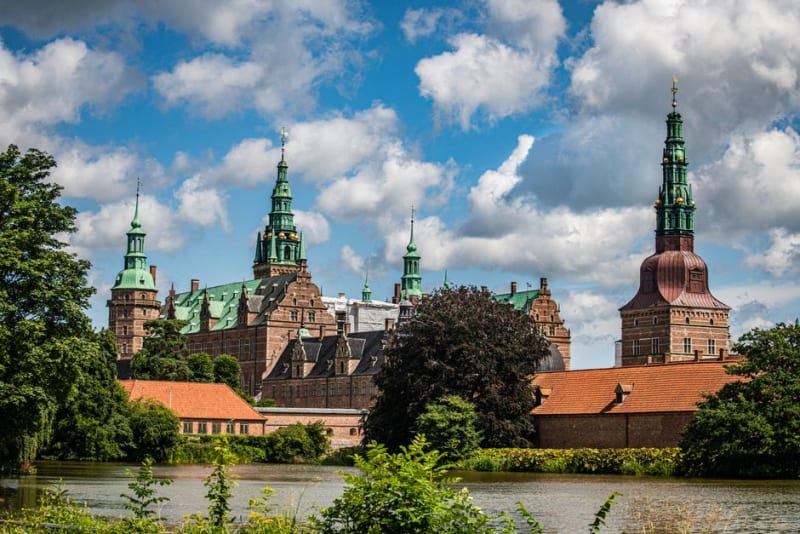 denmark
Frederiksborg Castle
A Dutch Renaissance royal castle spread across three small islets in a lake at Hillerod, all copper spires and red brick and baroque gardens.
Explore denmark
Bornholm Hammershus
Scandinavia's largest castle ruin on a granite cliff above the Baltic in northern Bornholm, visited mostly by cyclists.
Explore