Travertine waterfalls cascading through a limestone canyon, an island monastery, and Roman ruins hiding in the pine woods above the Krka River.
I’ll admit I almost skipped Krka. After Plitvice photos flood every Croatia group chat, I figured one set of waterfalls would look like another. I was wrong within about ten minutes of walking the boardwalk down toward Skradinski buk. The falls here don’t drop from some cliff far away — they’re a whole terraced system, dozens of small cascades stepping down through travertine that the river itself built, layer by layer, over thousands of years. Lia stopped walking twice just to stare, and she is not a person who stops walking.
We’d based ourselves in Skradin, the little riverside town that gives the biggest falls their name, and took the park boat up from there in the early morning. That boat ride alone was worth the trip — the Krka widens into something closer to a lake before you reach Skradinski buk, glassy and quiet, herons picking along the reeds. I ate a burek from a stall near the entrance while we waited to board, still warm, cheese leaking out the side, and it remains one of my favorite “wrong but right” breakfasts of the whole Dalmatia trip.
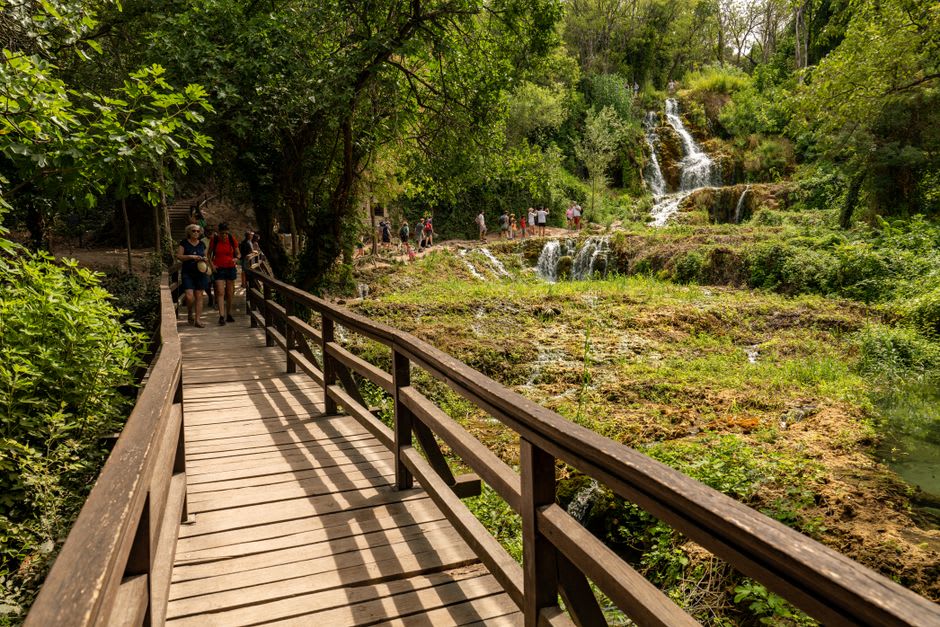
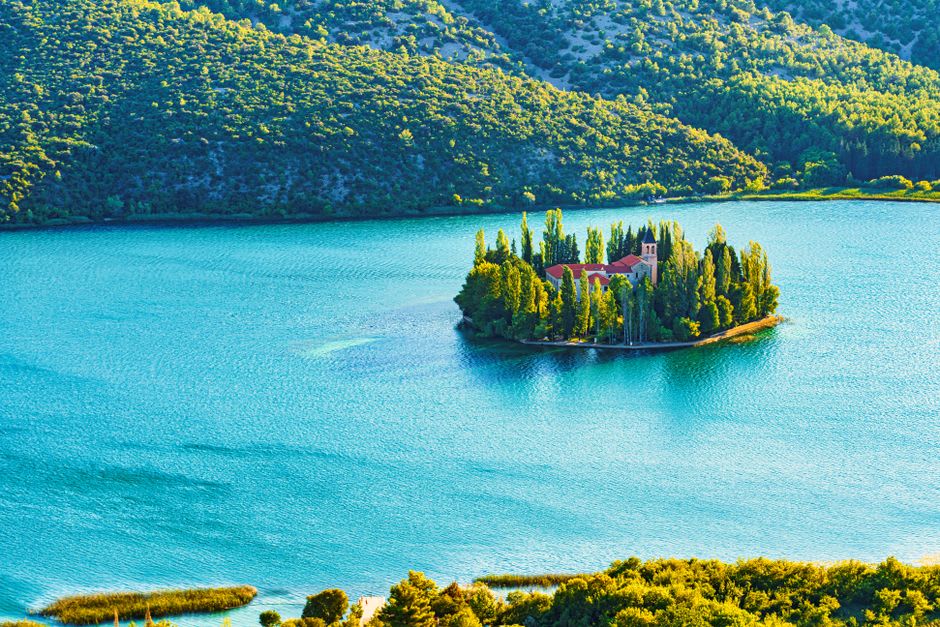
What surprised me most was that you can’t swim at the base of the falls anymore — it was allowed for decades, apparently, but the park banned it in 2021 because all those bodies in the water were eroding the very travertine formations that make the place what it is. I get it, even if some older photos online still show crowds splashing right under the cascades. Instead we took a second boat out to Visovac Island, where a Franciscan monastery has stood since the 15th century, small and white and improbably peaceful in the middle of the river’s calm upper stretch. A monk in sandals nodded at us as we wandered the cloister garden, and neither of us said much on the ride back — some places just ask for quiet.
We didn’t make it to Burnum, the Roman ruins deeper in the park where you can still walk through what’s left of a military amphitheater, but a couple we met on the boat had come from there that morning, dusty and thrilled, describing it as Krka’s forgotten half. Next time, I told Lia, we give this park two full days instead of one.
When to go: We went in late spring, and I’d steer anyone toward May or June — the water was running hard over every terrace, the woods around the falls were that impossibly saturated green, and we still beat the wall of midsummer tour buses that apparently turns the boardwalks into a shuffling queue by July.
Keep exploring
More from Dalmatia
 dalmatia
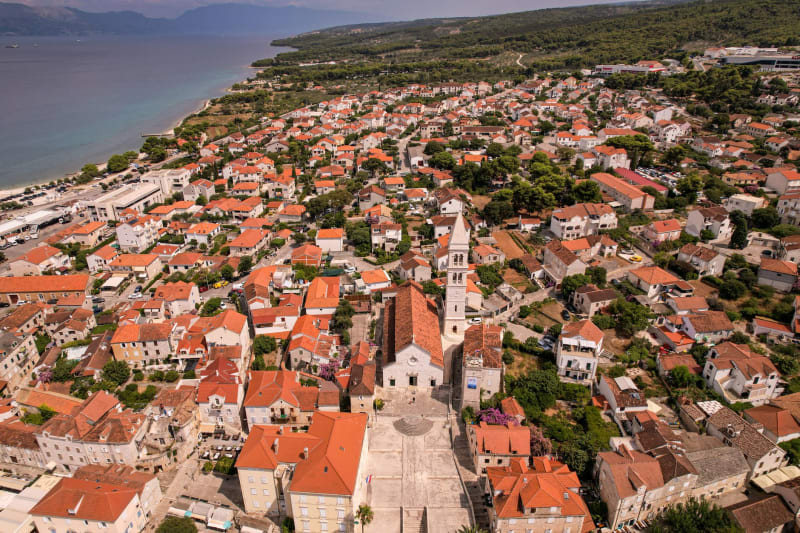
 Lastovo
The most remote inhabited island in Dalmatia — a former military closed zone with no mass tourism, lobster boats at dawn, and a night sky that makes the trip worthwhile even in the dark.
Explore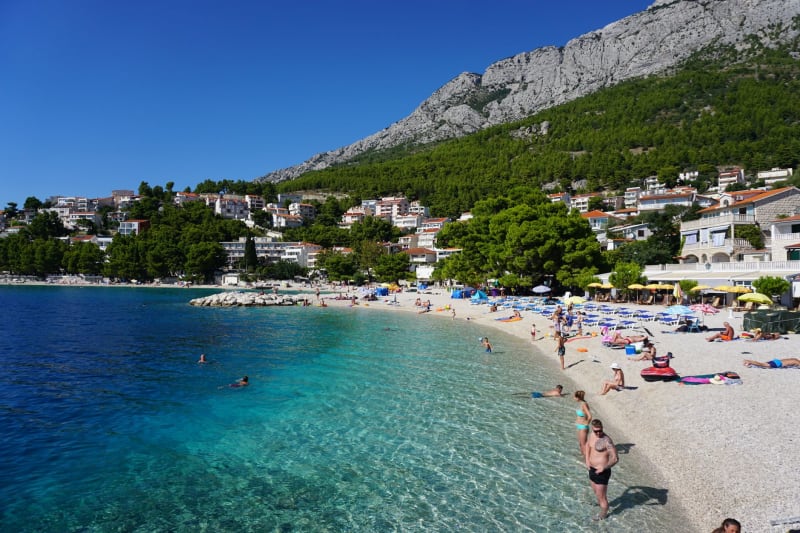 dalmatia
 Makarska
A Riviera town pinned between the Biokovo massif and the transparent sea — the mountain is close enough to climb before lunch and swim from the pebble beach all afternoon.
Explore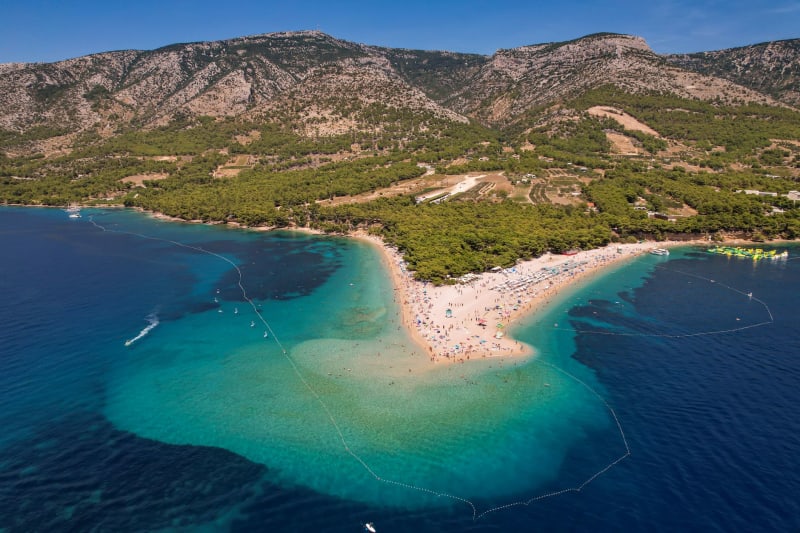 dalmatia
 Pelješac Peninsula
A seventy-kilometer arm of limestone and vineyard reaching into the Adriatic, growing Croatia's most serious red wines on slopes so steep they are worked almost entirely by hand.
Explore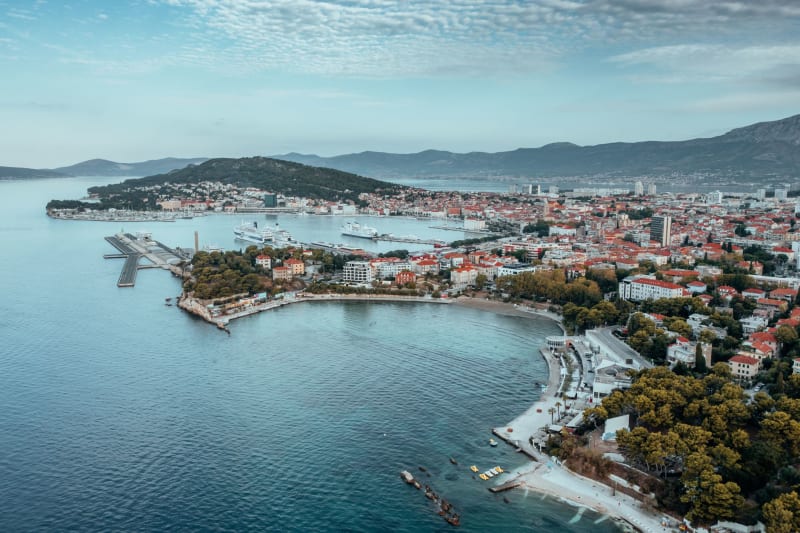 dalmatia
 Split
A Roman emperor's retirement palace colonized by an entire living city — cafés in the cellars, apartments in the colonnades, laundry strung between ancient columns.
Explore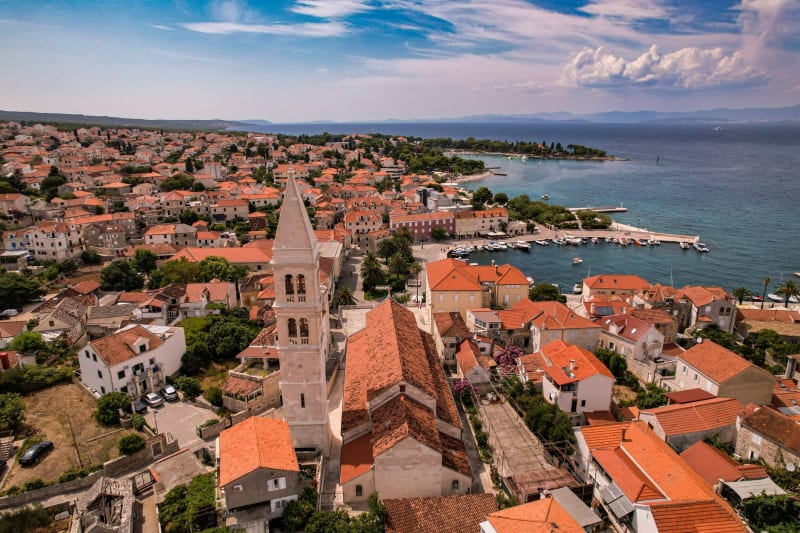 dalmatia
 Ston
A small salt-making town with Europe's longest surviving medieval walls and oysters grown in the channel below them — eaten raw with lemon and no further argument needed.
Explore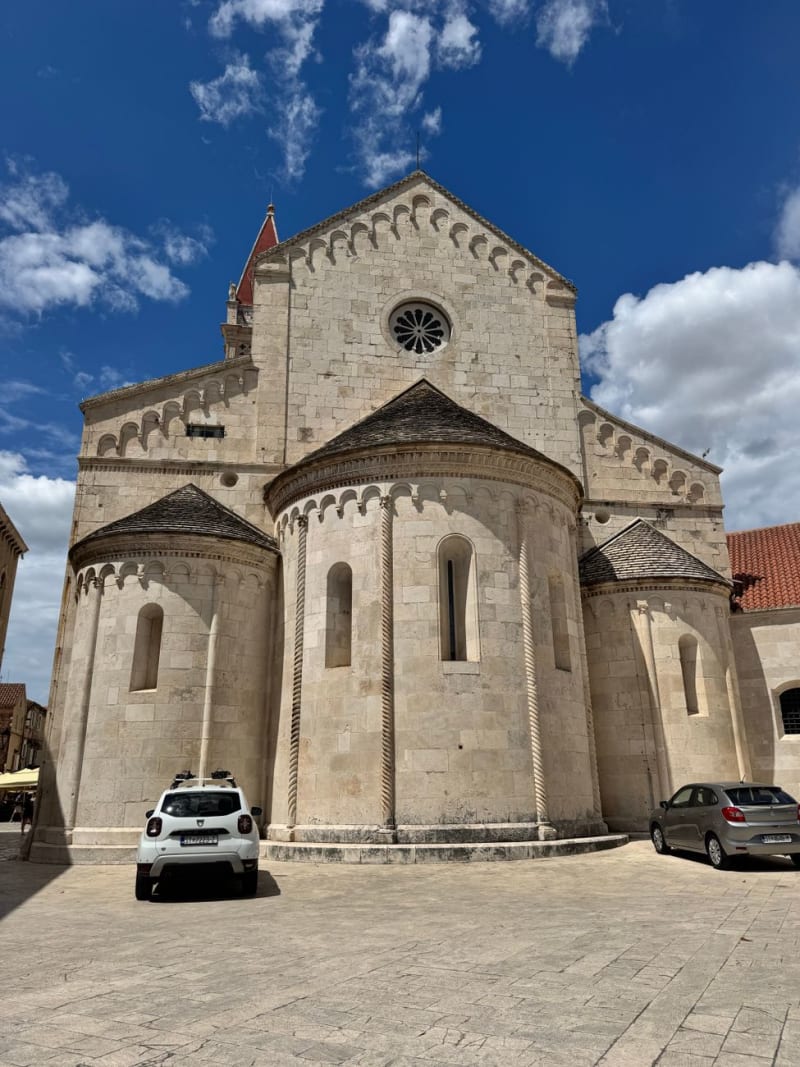 dalmatia
 Trogir
A tiny medieval town packed onto its own island between the mainland and Čiovo, all honey-coloured stone, Venetian lions, and a cathedral portal that stops you mid-step.
Explore