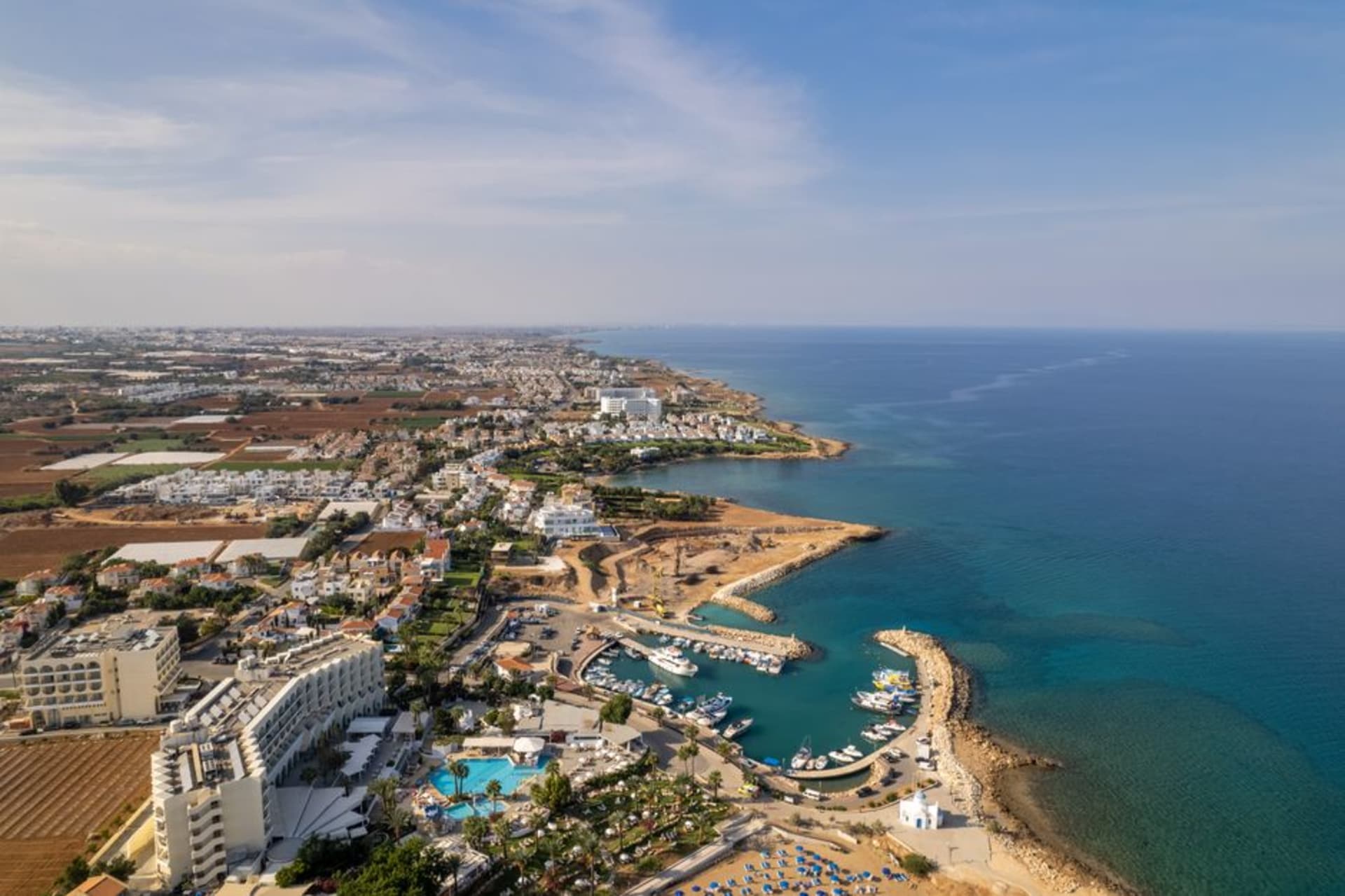
Polis
"Lia said Polis felt like the version of Cyprus everyone else forgot to promote, and I still think she was right."
A low-key northwest coastal town near the eucalyptus-shaded Baths of Aphrodite, where the pace drops the moment you leave the highway.

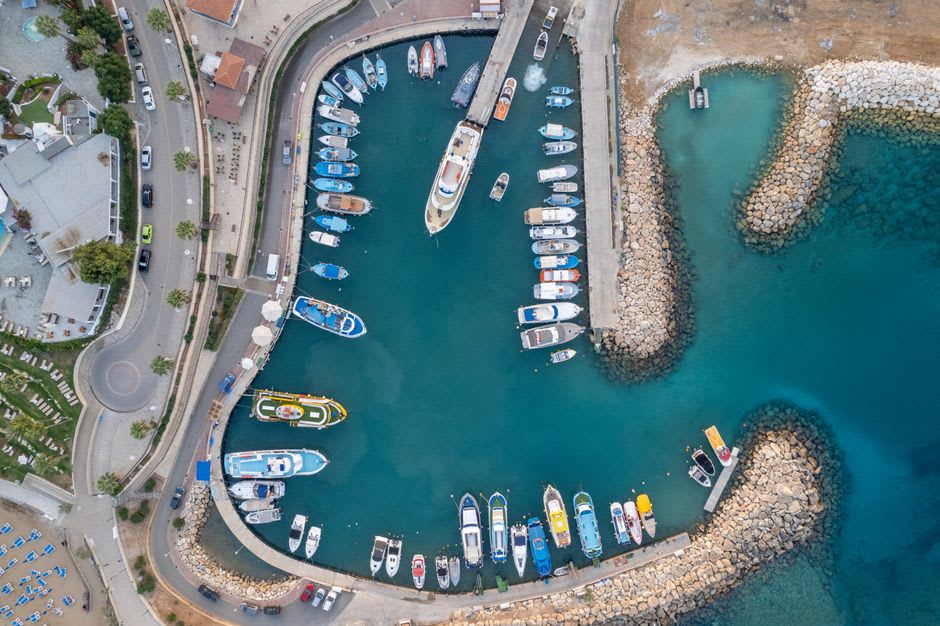
We came to Polis almost as an afterthought, tacked onto the end of a longer loop around the Akamas peninsula, and it ended up being the place I found myself recommending most when friends asked about Cyprus afterward. It’s a small town, more of a large village really, with none of the resort-strip energy of the south coast — no clubs, no jet-ski rental stands lined up on the beach, just a municipal campsite shaded by eucalyptus trees running right down to a stretch of pebbly waterfront where locals swim more than tourists do. We rented a studio two streets back from the water for less than we’d paid for a mediocre hotel room in Paphos, and spent our first evening just walking the harbor watching fishermen unload their catch.
The reason most people end up in Polis at all is the Baths of Aphrodite, a shaded grotto pool a short drive northwest where mythology says the goddess used to bathe, and where — depending on which version of the story you’re told — she either met Adonis or turned a jealous nymph to stone nearby. It’s a modest little pool fed by a spring, tucked under a rock face and canopied by fig trees, and it’s honestly not much to look at after Instagram inevitably oversells it. What’s worth the trip is the walk to get there and back, a coastal trail through the Akamas that we stretched into a three-hour loop instead of the twenty-minute there-and-back, with views over the sea that made us stop every few hundred meters.

Polis itself has a Saturday market that we happened to stumble into, tables of local honey, halloumi, dried figs, a man selling carob syrup who insisted I taste it straight off a spoon before he’d let me buy any. We ate dinner one night at a taverna where the owner’s mother was visibly the one running the kitchen, grilled fish that had clearly come from that morning’s boats, and a bill so reasonable I asked the waiter twice if he’d added everything correctly. The beach at Latchi, the little fishing harbor just west of town, is where we spent our last morning, watching boats head out toward the Akamas coastline while we ate yogurt with carob syrup for breakfast at a café table right on the water.
Polis doesn’t try to sell itself, and that’s exactly what makes it worth the detour. It’s the kind of place where you slow down without deciding to, where nobody’s handing you a flyer for anything, and where the biggest event of the evening is deciding which taverna to eat at.
When to go: May and June bring warm, uncrowded weather and wildflowers along the Akamas trails, before the summer heat and August crowds settle in.
Keep exploring
More from Cyprus
 cyprus
Salamis Ruins
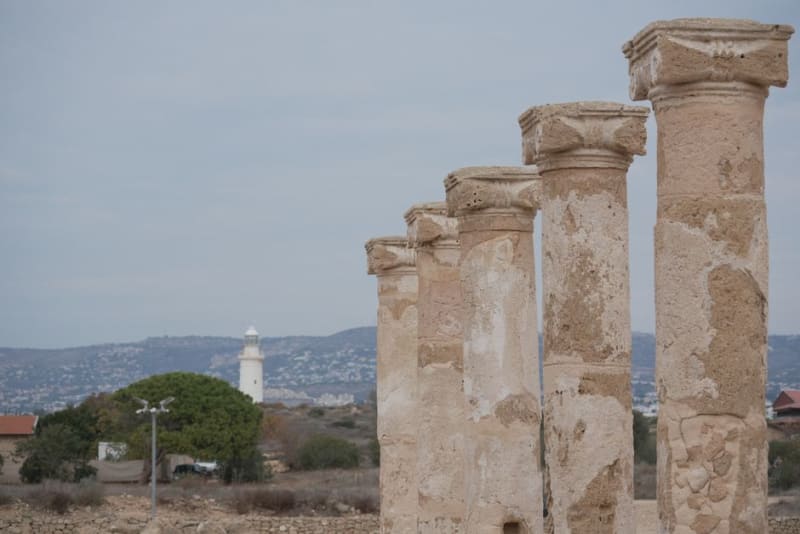
The sprawling ruins of an ancient Greek city-kingdom on Cyprus's northeast coast, where columns rise straight out of sandy pine scrub.
Explore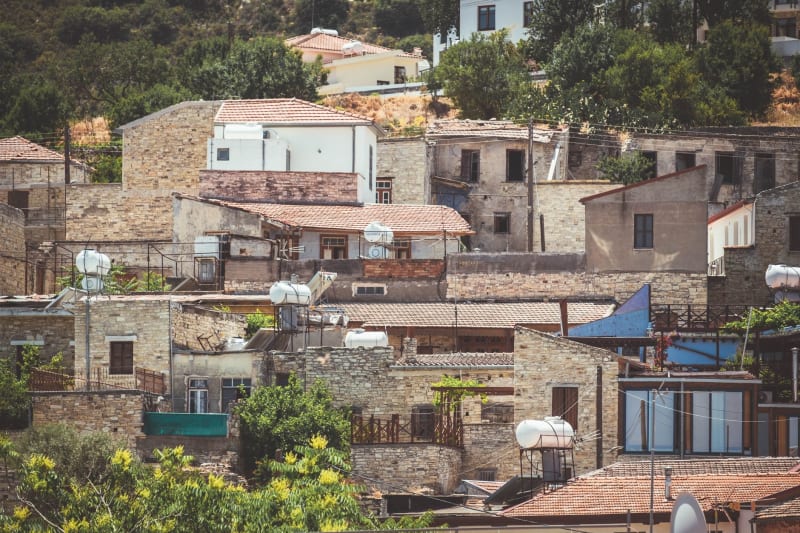 cyprus
Troodos Mountains
Pine-forested peaks hiding Byzantine monasteries with frescoed interiors that predate the Renaissance by two centuries.
Explore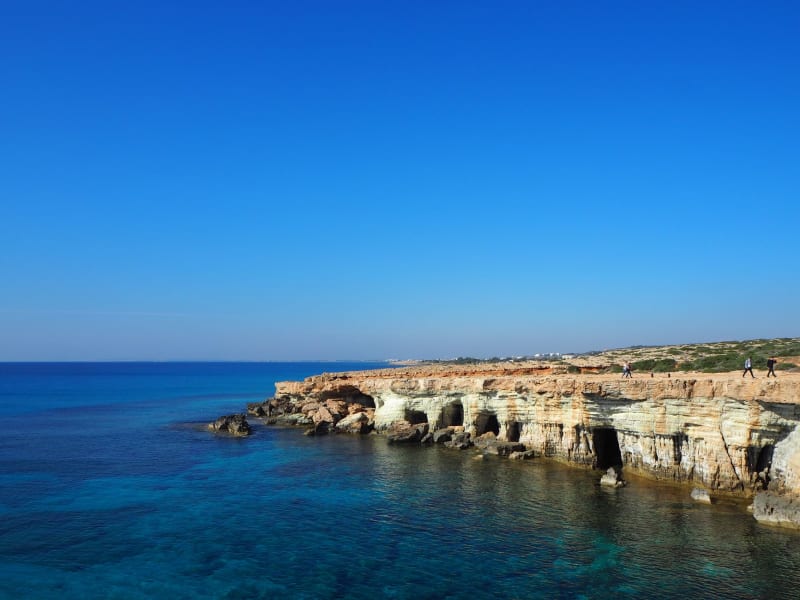 cyprus
Akamas Peninsula
The wildest edge of Cyprus — a roadless nature reserve where sea turtles nest and the coast has never been developed.
Explore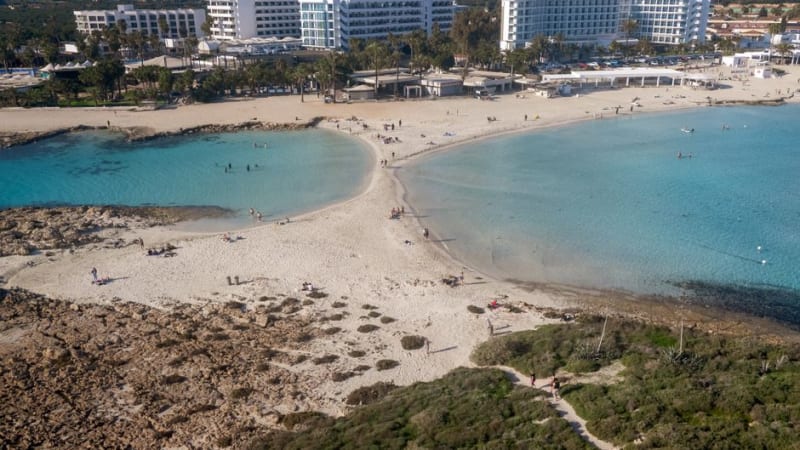 cyprus
Ayia Napa
A once-sleepy fishing harbor turned nightlife capital, where Nissi Beach's turquoise shallows fill with music by noon.
Explore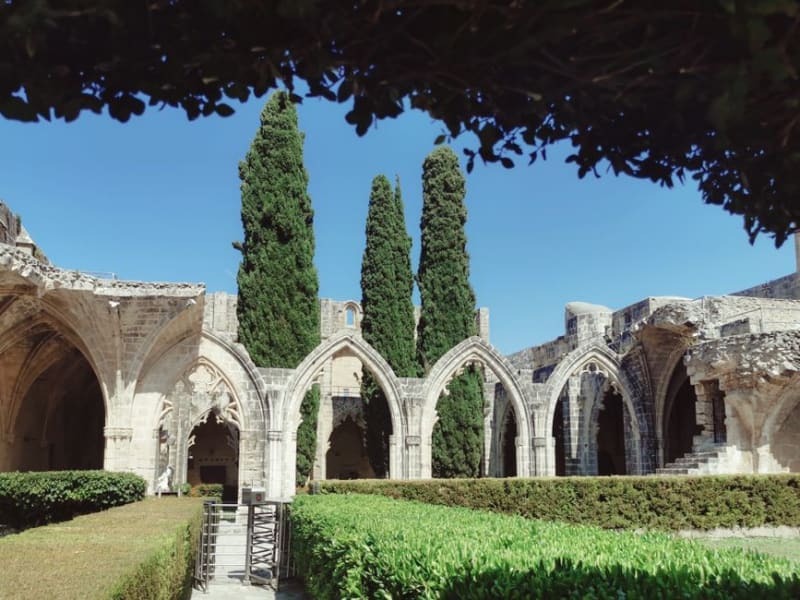 cyprus
Bellapais
A hillside village above Kyrenia crowned by a ruined 13th-century Gothic abbey and a famous tree the writer Lawrence Durrell once wrote under.
Explore cyprus
Cape Greco
A white-cliffed headland at the southeastern tip of Cyprus where the sea has chewed the limestone into caves and arches, and the water turns a blue that feels almost rude.
Explore